
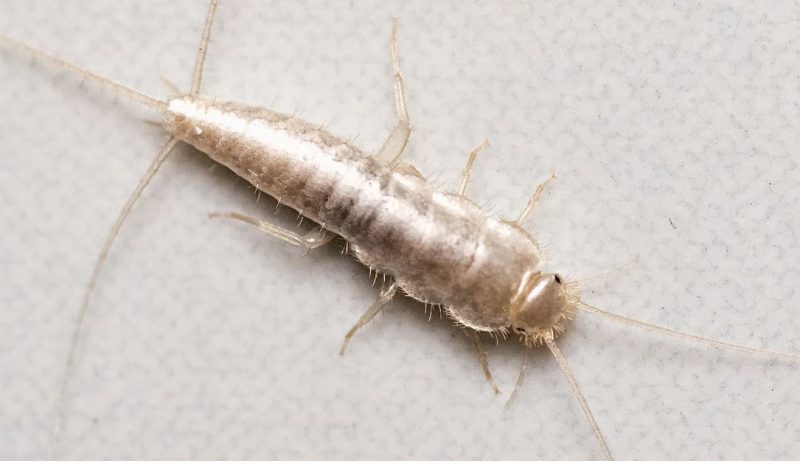
Many homeowners in Oklahoma have experienced the same puzzling moment. You walk into the bathroom late at night, flip on the light, and notice a tiny silvery insect darting across the floor or disappearing behind the sink. It seems to appear out of nowhere. A few days later, you spot another. Then another. Suddenly it feels like your bathroom has become home to these mysterious creatures.
These insects are usually silverfish, small primitive insects that thrive in moist indoor environments. While they are harmless to humans, their sudden appearance often raises concerns about cleanliness, hidden moisture problems, or structural issues inside the home. Understanding why silverfish appear in bathrooms specifically — and why Oklahoma homes may experience this more often — helps reduce anxiety and guide effective prevention.
Silverfish are not a sign of poor hygiene. Instead, they reflect environmental conditions such as humidity, temperature stability, food sources, and structural features. Bathrooms naturally provide many of these factors, especially in regions with fluctuating weather patterns like Oklahoma.
What Silverfish Actually Are

Ancient insects adapted for indoor survival
Silverfish are among the oldest insect species still living today. Fossil evidence suggests their ancestors existed hundreds of millions of years ago, long before dinosaurs. Their primitive body design has remained largely unchanged because it works extremely well for survival in stable, sheltered environments.
They are small, wingless insects with flattened bodies covered in tiny silvery scales. When they move, their wriggling motion resembles a fish swimming, which is how they got the name “silverfish.” They also have long antennae and tail-like appendages that help them sense their surroundings in dark spaces.
These insects are excellent at hiding. Their flat bodies allow them to slip into cracks, under baseboards, behind tiles, or inside wall cavities. Because they avoid light and move mostly at night, homeowners often do not notice them until populations grow large enough for frequent sightings.
Diet and feeding habits
Silverfish feed mainly on carbohydrates, especially materials containing starch, cellulose, or sugars. Bathrooms provide several subtle food sources even when the space appears clean. They may consume residue from soap, shampoo, hair products, and even microscopic organic debris found in dust.
Common indoor food sources include paper products, wallpaper glue, book bindings, cotton fabrics, cardboard boxes, and skin flakes. These materials contain compounds that silverfish can digest slowly over time. Their feeding rarely causes immediate visible damage but can accumulate gradually.
One of the reasons they are difficult to eliminate is their ability to survive long periods without food. In favorable humidity conditions, some silverfish can live weeks or even months without significant feeding. This resilience allows them to persist quietly inside homes.
Life cycle and reproduction
Silverfish reproduce at a slower rate than many household pests, but they compensate with long lifespans. Females lay small clusters of eggs in hidden locations where humidity remains consistent, such as behind bathroom fixtures or inside wall crevices.
The eggs hatch into miniature versions of adults rather than larvae, and the young continue molting throughout their lives. Unlike many insects that stop molting at adulthood, silverfish shed their skin repeatedly, even as mature individuals.
Under ideal conditions, they may live several years. This longevity allows populations to increase gradually without drawing attention, which explains why they often seem to appear suddenly when they have actually been present for quite some time.
Why Bathrooms Attract Silverfish
Consistent humidity levels
Bathrooms naturally generate humidity through daily activities like showering, bathing, handwashing, and laundry. Even when surfaces look dry, microscopic moisture often remains in grout lines, around pipes, or inside cabinets.
Silverfish depend heavily on humidity for survival because their bodies lose water easily. Environments with steady moisture prevent dehydration and support egg development. Bathrooms provide exactly these conditions.
Steam from hot showers, damp towels, condensation under sinks, and slow plumbing leaks all contribute to a humid microclimate that silverfish find ideal. Without adequate moisture, they struggle to survive, which is why bathrooms frequently become their preferred indoor location.
Stable temperatures year-round
Another factor attracting silverfish is temperature stability. Bathrooms tend to remain warmer than other parts of the home due to plumbing heat, insulation, and regular water use.
In Oklahoma, where temperatures can swing dramatically between hot summers and cold winters, indoor bathrooms offer a consistent refuge. Silverfish prefer moderate temperatures and avoid sudden extremes whenever possible.
This stability supports continuous activity, reproduction, and survival. It also explains why silverfish may appear indoors during seasonal weather changes.
Darkness and hiding spaces
Silverfish avoid bright light and prefer dark, undisturbed environments. Bathrooms often contain numerous hiding spots that meet these needs.
Spaces under sinks, behind toilets, inside cabinets, beneath flooring, and inside wall cavities provide excellent shelter. Cluttered storage areas increase these opportunities further.
Because these areas are rarely disturbed, silverfish populations can grow without detection. Most people only see them when they venture out at night to feed.
Oklahoma Climate Factors That Encourage Silverfish
Humidity fluctuations
Oklahoma’s climate includes periods of high humidity followed by dry spells. During humid weather, silverfish populations can expand easily outdoors. When conditions become dry, they often migrate indoors seeking stable moisture sources.
Bathrooms provide one of the most reliable indoor humidity environments, making them especially attractive during these transitions.
These humidity fluctuations contribute significantly to sudden indoor sightings.
Seasonal storms and rainfall
Thunderstorms and seasonal rainfall increase soil moisture and indoor humidity levels. Even minor water intrusion, such as seepage near foundations or condensation buildup, can create favorable conditions for silverfish.
These insects respond quickly to environmental moisture changes. After heavy storms, homeowners sometimes notice increased indoor activity.
Rainfall patterns therefore influence both population growth and migration behavior.
Temperature extremes
Hot summers and cold winters in Oklahoma push many insects indoors. Silverfish seek environments where temperature remains relatively stable and comfortable.
Bathrooms maintain consistent warmth through plumbing heat and insulation. This makes them attractive refuge areas during extreme weather conditions.
Climate stress outdoors often explains why sightings increase suddenly inside homes.
Why Silverfish Appear Suddenly
Hidden populations reaching visibility threshold
Silverfish rarely appear overnight. Instead, small populations exist quietly for months or years before reaching noticeable levels.
As numbers increase, encounters become more frequent, creating the impression of sudden infestation. In reality, the insects were likely present all along.
Their secretive habits delay detection until population density rises.
Plumbing or moisture changes
Even small plumbing leaks or condensation changes can attract silverfish. Renovations, pipe adjustments, or seasonal humidity shifts may alter bathroom moisture levels enough to encourage activity.
These subtle environmental changes often explain why sightings begin unexpectedly.
Bathrooms are particularly sensitive because they already contain moisture sources.
Seasonal indoor migration
Outdoor temperature or humidity shifts can drive silverfish indoors. They prefer stable environments and will move toward consistent conditions when necessary.
This migration pattern leads to periodic spikes in indoor sightings, especially during transitional seasons.
Understanding this behavior helps explain why appearances seem sudden rather than gradual.
Are Silverfish Dangerous?
No direct health threat
Silverfish do not bite humans, transmit diseases, or cause structural damage. They are considered nuisance pests rather than dangerous insects.
However, their presence may indicate excess moisture, which could lead to mold or other issues if left unaddressed.
Addressing humidity benefits both home maintenance and occupant comfort.
Potential property damage
Although harmless to people, silverfish can damage certain household items. Paper products, fabrics, books, wallpaper, and stored clothing may develop small irregular holes over time.
Damage usually occurs slowly, making early detection important for protecting valuable belongings.
Proper storage reduces risk significantly.
Psychological discomfort
Many people find silverfish unsettling because of their quick movement and unusual appearance. Seeing them unexpectedly can create anxiety even though they pose little danger.
Understanding their harmless nature often reduces fear and promotes practical management instead of panic.
Signs of a Silverfish Presence
Visible insects at night
Silverfish are nocturnal, so sightings typically occur when lights are turned on suddenly at night. They scatter quickly to hide.
Repeated sightings usually indicate an established population rather than a single stray insect.
Shed skins and subtle stains
Because silverfish molt frequently, shed skins may accumulate in hidden areas. Small yellowish stains on paper or fabrics can also indicate feeding activity.
These signs often appear before live insects are noticed.
Damage to paper or fabric
Irregular holes in wallpaper, books, or stored clothing sometimes signal silverfish activity. Bathrooms storing paper goods may show early signs.
Regular inspection helps confirm presence.
Preventing Silverfish in Oklahoma Bathrooms
Control moisture first
Fix plumbing leaks promptly and use exhaust fans after showers. Improving ventilation reduces humidity levels significantly.
Dehumidifiers may help in persistent moisture conditions.
Dry environments discourage silverfish survival.
Seal entry points
Caulking cracks around pipes, baseboards, and tiles prevents insects from accessing hidden spaces.
Routine maintenance strengthens these barriers.
Improve storage habits
Avoid storing cardboard, paper, or fabric items in bathrooms. Sealed plastic containers reduce food availability.
Reducing accessible materials discourages infestations.
Cleaning Strategies That Help
Regular deep cleaning
Removing dust, hair, and organic debris limits food sources. Hidden areas under sinks and behind fixtures deserve special attention.
Consistent cleaning complements moisture control efforts.
Mold and mildew control
Excess moisture often leads to mold growth, which indirectly supports silverfish survival. Addressing mold improves indoor air quality and discourages pests.
Natural Deterrent Approaches
Environmental modification
Lower humidity, increase airflow, and reduce clutter. These changes provide long-term prevention rather than temporary solutions.
Light exposure adjustments
Occasionally increasing light in storage areas may discourage activity since silverfish prefer darkness.
When Professional Help Is Needed
Persistent infestations
If silverfish remain despite moisture control, hidden structural dampness may exist. Professionals can identify concealed problem areas.
Large population growth
Extensive sightings suggest highly favorable conditions. Professional integrated pest management may be beneficial.
Long-Term Outlook for Oklahoma Homes
Manageable with environmental control
Silverfish rarely become severe when humidity is controlled. Routine maintenance keeps populations minimal. Prevention consistently works better than reactive treatment.
Awareness reduces concern
Understanding their biology helps homeowners respond calmly. Silverfish are nuisance insects, not dangerous pests.
With proper moisture management and regular inspection, most bathrooms can remain comfortable and largely free of silverfish year-round.
FAQs About Silverfish in Oklahoma Bathrooms
Are silverfish common in Oklahoma?
Yes, especially in humid or fluctuating climates. Bathrooms provide ideal conditions.
Do they indicate a dirty home?
No. They are attracted primarily by moisture rather than cleanliness.
Can they infest other rooms?
Yes, particularly kitchens, basements, and laundry areas with moisture.
Do they bite?
No. They do not bite humans or pets.
Will they go away on their own?
Sometimes if humidity decreases, but environmental control helps.
Are chemical treatments necessary?
Often not. Moisture control is usually more effective.
Do they damage plumbing?
No. They do not chew pipes or structures.
Why do they appear mostly at night?
They are nocturnal and avoid light.
Are they seasonal?
Sightings often increase during humid or extreme weather periods.
Should I worry?
Generally no. Focus on moisture control and monitoring.
Conclusion
Silverfish appearing suddenly in Oklahoma bathrooms usually reflect environmental conditions rather than hygiene issues. Humidity, stable temperatures, hidden food sources, and seasonal climate fluctuations all contribute to their presence.
Although their appearance can be unsettling, silverfish are harmless insects that rarely cause significant damage. Addressing moisture control, improving ventilation, sealing entry points, and maintaining consistent cleaning habits typically resolves the issue.
Understanding why they appear helps homeowners respond calmly. With simple preventive measures, most bathrooms can remain comfortable, dry, and largely free of silverfish year-round.