
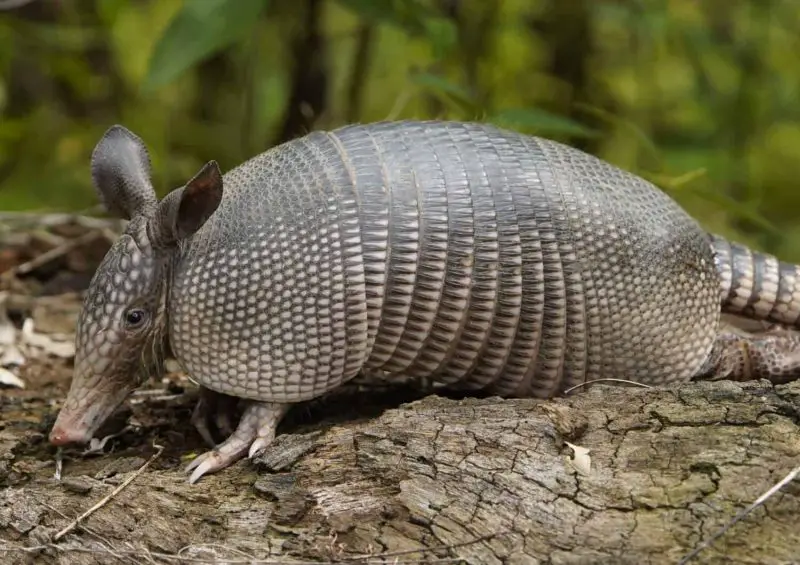
Yard holes appearing seemingly overnight can puzzle homeowners across Mississippi. One evening the lawn looks smooth, and by morning small cone-shaped holes dot the soil, garden beds, or edges of walkways. While several animals can disturb soil, one of the most common culprits in the southern United States is the nine-banded armadillo. These distinctive mammals have expanded steadily across the Southeast over the past century, adapting remarkably well to both rural and suburban environments.
Seeing digging damage often raises concern about lawn health, structural safety, or possible pest problems. Yet armadillo activity usually reflects natural ecological conditions rather than aggressive intrusion. Their digging often signals soil health, insect populations, moisture patterns, or habitat overlap between humans and wildlife. Understanding why armadillos dig, what their holes mean, and how to respond calmly can transform frustration into informed awareness.
In many cases, those mysterious holes reveal more about the local environment than about the animal itself.
Table of Contents
- 1 Armadillos Are Well Established in Mississippi
- 2 Why Armadillos Dig Holes in Yards
- 3 Yard Holes Often Indicate Healthy Soil
- 4 Mississippi Climate Encourages Armadillo Activity
- 5 Nocturnal Behavior Explains Sudden Yard Damage
- 6 Burrows Versus Feeding Holes
- 7 Increasing Habitat Overlap With Humans
- 8 Seasonal Digging Patterns
- 9 Landscaping Practices Influence Activity
- 10 Structural Concerns and Yard Holes
- 11 Health Considerations
- 12 Ecological Benefits of Armadillos
- 13 Misconceptions About Aggression
- 14 Preventive Measures for Homeowners
- 15 Legal and Ethical Considerations
- 16 Cultural Presence of Armadillos in Mississippi
- 17 Long-Term Outlook for Armadillos in Mississippi
- 18 When Professional Help May Be Needed
- 19 FAQs About Armadillo Holes in Mississippi Yards
- 19.1 Why do armadillos dig holes in Mississippi yards?
- 19.2 Are armadillo yard holes dangerous to homes?
- 19.3 Are armadillos aggressive toward people or pets?
- 19.4 Do armadillo holes mean my soil has a problem?
- 19.5 What time of day do armadillos dig?
- 19.6 Can armadillos carry diseases?
- 19.7 How can homeowners reduce armadillo digging?
- 19.8 Should I remove armadillos from my yard?
- 20 Final Thoughts
Armadillos Are Well Established in Mississippi
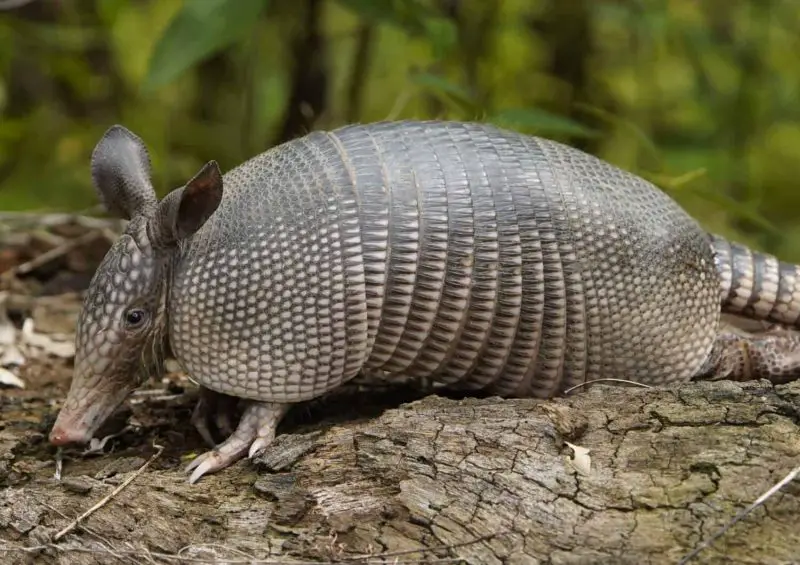
Mississippi provides exceptionally favorable conditions for nine-banded armadillos, which explains why they are now considered a common part of the state’s wildlife landscape. Warm temperatures throughout much of the year, relatively mild winters, reliable rainfall, and a mix of forests, wetlands, agricultural fields, and suburban green spaces create ideal habitat. These animals thrive wherever soil remains soft enough for digging and where insect prey is abundant, which describes much of Mississippi’s terrain. Even urban parks, drainage corridors, and residential greenbelts can support armadillo activity.
Historically, armadillos were concentrated farther south in Central and South America. Over the last century, however, their natural northward expansion brought them into Texas and eventually across the southeastern United States. Mississippi became part of this expanded range decades ago, and sightings today are widespread across rural areas, suburbs, and occasionally city edges. This gradual expansion reflects ecological adaptation rather than sudden population growth.
Their success largely comes from flexibility. Armadillos tolerate varied soil types, humid climates, and fluctuating food availability. They are opportunistic insect feeders capable of surviving in environments ranging from coastal marshes to wooded hills. Because they are mostly nocturnal, homeowners often discover digging signs long before they ever see the animal responsible.
This steady range expansion reflects resilience and environmental adaptability more than any dramatic increase in numbers.
Why Armadillos Dig Holes in Yards
Digging behavior is central to armadillo survival. Their primary diet consists of insects and soil invertebrates such as beetle larvae, ants, termites, worms, and grubs. With strong front claws and an acute sense of smell, armadillos detect prey hidden beneath soil surfaces. Once detected, they dig quickly to access food sources that other animals may overlook.
Typical feeding holes are shallow, often only a few inches deep. Soil is displaced outward as the animal probes repeatedly across an area. Because armadillos forage continuously while moving, holes usually appear scattered rather than concentrated, creating the impression of random disturbance even though the pattern reflects systematic searching.
Digging also serves several secondary purposes. Armadillos may create temporary burrows for rest or shelter, especially during extreme heat or sudden weather changes. They sometimes dig to locate moisture during dry periods, investigate scent trails, or access carrion and fallen fruit. These behaviors are practical responses to environmental conditions rather than signs of territorial conflict.
Each hole generally reflects feeding or shelter behavior, not aggression or deliberate property damage.
Yard Holes Often Indicate Healthy Soil
Although homeowners often view armadillo digging as damage, it can indirectly signal a healthy soil ecosystem. Rich soil supports abundant insects, organic matter, and microbial activity. These underground communities attract animals that depend on them for food.
Well-maintained lawns, irrigated landscapes, compost-enriched garden beds, and shaded turf often support thriving invertebrate populations. Such environments provide reliable feeding grounds for armadillos. Their presence therefore sometimes reflects soil fertility rather than environmental imbalance.
From an ecological standpoint, active soil communities promote nutrient cycling, plant health, and biodiversity. While digging can temporarily disrupt turf appearance, it may also aerate soil and mix organic material. These subtle ecological processes often go unnoticed but contribute to long-term soil vitality.
Nature frequently communicates ecosystem health through indirect signs like wildlife activity.
Mississippi Climate Encourages Armadillo Activity
Mississippi’s humid subtropical climate strongly supports armadillo survival. Warm temperatures stimulate insect populations, ensuring a steady food supply. Frequent rainfall maintains soft soils that facilitate digging and support invertebrate communities.
Spring and summer generally bring peak activity as insects reproduce rapidly. Autumn often maintains favorable conditions, allowing continued feeding before cooler weather arrives. Winters in Mississippi are rarely severe enough to halt activity completely, so armadillos remain active most of the year.
Periods of drought may temporarily reduce visible digging because soil becomes harder and insect activity decreases. However, activity usually resumes quickly after rainfall restores soil moisture. These fluctuations reflect environmental responsiveness rather than changes in population size.
Weather patterns influence how visible wildlife becomes more than how abundant it actually is.
Nocturnal Behavior Explains Sudden Yard Damage
Armadillos are primarily nocturnal animals. They forage during nighttime hours when temperatures are cooler and predator pressure is lower. This behavior explains why homeowners often wake up to fresh holes despite never seeing the animal responsible.
Nighttime activity also minimizes direct interaction with humans. Armadillos typically avoid confrontation and rely on fleeing or burrowing if startled. Their poor eyesight but excellent sense of smell further encourages nighttime feeding when scent cues are strongest.
Motion-activated cameras frequently reveal quiet nighttime visits, showing armadillos methodically foraging rather than behaving aggressively. Observing this behavior often helps reduce concern and clarifies that the activity is routine wildlife feeding.
Understanding nocturnal patterns helps explain why yard changes seem sudden.
Burrows Versus Feeding Holes
Distinguishing feeding holes from burrows helps interpret armadillo activity accurately. Feeding holes are small and shallow, scattered across lawns or garden beds where insects are present. Burrows, by contrast, are larger and more permanent structures used for shelter.
Burrow entrances typically appear oval-shaped with noticeable soil displacement. These tunnels may extend several feet underground, providing protection from predators, extreme weather, and daytime heat. Armadillos often maintain multiple burrows within a territory rather than relying on a single den.
Burrows frequently occur near natural cover such as brush lines, wooded edges, or structures that provide additional protection. Recognizing these differences helps homeowners assess whether activity is temporary feeding or longer-term habitation.
Correct interpretation reduces unnecessary concern.
Increasing Habitat Overlap With Humans
Mississippi’s expanding residential development has increased overlap between human communities and wildlife habitats. Retention ponds, drainage systems, irrigated lawns, and landscaped green spaces often mimic natural armadillo environments.
As development spreads into previously undeveloped areas, wildlife adapts. Armadillos readily exploit new environments where vegetation, soil conditions, and insect populations remain favorable. Suburban neighborhoods increasingly provide suitable habitat alongside natural landscapes.
This overlap leads to more sightings even when animal populations remain stable. Increased visibility reflects proximity rather than population growth.
Human expansion often shapes wildlife encounters.
Seasonal Digging Patterns
Armadillo activity follows predictable seasonal cycles. Spring rainfall stimulates insect emergence, encouraging increased feeding activity. Summer heat may push activity later into nighttime hours but does not eliminate it.
Autumn often brings continued foraging as animals take advantage of abundant food resources before cooler weather arrives. Even winter activity persists during mild periods, especially in southern Mississippi where temperatures rarely remain cold for extended periods.
Understanding these seasonal patterns helps homeowners anticipate changes rather than interpreting them as sudden or unusual.
Nature often follows repeating cycles.
Landscaping Practices Influence Activity
Certain landscaping features naturally attract armadillos. Mulched beds retain moisture and insects. Compost piles provide organic material and invertebrates. Irrigated lawns maintain soft soil ideal for digging. Fruit trees and flowering shrubs attract insects that serve as prey.
Shaded turf, particularly near water sources or dense vegetation, also supports soil life that attracts foraging animals. Adjusting irrigation practices, reducing excessive insect attractants, and maintaining balanced landscaping can sometimes reduce digging activity.
Small environmental changes often produce noticeable effects without harming soil ecology.
Habitat management shapes wildlife presence.
Structural Concerns and Yard Holes
Most armadillo feeding holes are superficial and cosmetic. However, burrows near foundations, sidewalks, or driveways occasionally require attention because repeated digging could affect soil stability over time.
Monitoring areas where burrows appear repeatedly helps identify potential structural concerns early. In most cases, simple observation and habitat adjustment are sufficient rather than drastic intervention.
Context determines whether digging represents a nuisance or a structural issue.
Health Considerations
Armadillos can carry bacteria associated with leprosy, though transmission to humans is extremely rare. Direct handling presents the primary risk, which is easily avoided.
Basic precautions remain sufficient: avoid touching wildlife, wear gloves while gardening, and wash hands after soil contact. These common-sense practices ensure safety without unnecessary alarm.
Awareness supports confident coexistence.
Ecological Benefits of Armadillos
Despite occasional lawn disturbance, armadillos provide ecological benefits. Their digging aerates soil, promotes nutrient mixing, and helps control insect populations. They also serve as prey for larger predators, contributing to broader ecosystem balance.
These ecological roles often remain overlooked because digging is more visible than ecological contribution.
Balanced ecosystems depend on diverse species interactions.
Misconceptions About Aggression
Armadillos rarely display aggression toward humans. Their primary defense involves fleeing quickly or burrowing. Sudden vertical jumps when startled may surprise observers but are defensive reflexes rather than attacks.
Understanding their shy behavior helps reduce unnecessary fear. Respectful distance ensures safe coexistence for both humans and wildlife.
Knowledge replaces myth.
Preventive Measures for Homeowners
Reducing unwanted digging usually involves environmental adjustments rather than drastic action. Managing lawn insect populations responsibly, limiting excessive irrigation, securing compost or food waste, repairing structural gaps, and maintaining yard cleanliness can reduce attractants.
Consistency over time proves more effective than short-term intensive efforts.
Preventive awareness supports long-term results.
Legal and Ethical Considerations
Wildlife management in Mississippi generally encourages humane approaches. Non-lethal deterrence often receives priority before removal efforts. Respecting wildlife supports ecological balance while minimizing unnecessary conflict.
Ethical coexistence benefits both human communities and natural ecosystems.
Cultural Presence of Armadillos in Mississippi
Armadillos have become familiar symbols of southern wildlife culture. Folklore, roadside sightings, and regional humor frequently feature them. Their distinctive armored appearance and unique behavior make them memorable.
Cultural familiarity influences perception alongside ecological reality.
Story shapes understanding.
Long-Term Outlook for Armadillos in Mississippi
Climate suitability, adaptive behavior, and ongoing habitat overlap suggest armadillos will remain common across Mississippi. Continued environmental monitoring helps track distribution trends and inform wildlife management.
Adaptation remains an ongoing process.
Ecology continues to evolve.
When Professional Help May Be Needed
Persistent burrowing near structures, extensive lawn disturbance, or recurring wildlife concerns may justify consultation with wildlife professionals. Experts can evaluate habitat conditions, identify underlying causes, and recommend appropriate responses.
Early guidance often prevents escalation.
Professional insight complements homeowner awareness.
FAQs About Armadillo Holes in Mississippi Yards
Why do armadillos dig holes in Mississippi yards?
Most digging happens while they search for insects such as grubs, ants, termites, and worms. Feeding behavior is the primary cause.
Are armadillo yard holes dangerous to homes?
Usually not. Feeding holes are shallow. Only large burrows near foundations may require attention if they persist.
Are armadillos aggressive toward people or pets?
No. They typically avoid contact and flee when startled. Their digging behavior is not a sign of aggression.
Do armadillo holes mean my soil has a problem?
Often the opposite. Active soil life attracts armadillos, so holes may indicate healthy soil conditions.
What time of day do armadillos dig?
They are mostly nocturnal. Most digging occurs overnight, which is why damage appears suddenly in the morning.
Can armadillos carry diseases?
They can carry bacteria linked to leprosy, but transmission risk to humans is extremely low with normal precautions.
How can homeowners reduce armadillo digging?
Managing lawn insects, reducing excess moisture, securing compost, and maintaining landscaping balance can help.
Should I remove armadillos from my yard?
Usually not necessary. Habitat adjustments and prevention strategies often resolve issues without removal.
Final Thoughts
Those mysterious yard holes in Mississippi often reveal more about environmental conditions than about problematic wildlife. Armadillos dig primarily in search of insects and soil invertebrates, making their presence a natural response to healthy ecosystems rather than an indication of neglect or infestation.
Understanding their behavior, habitat preferences, and ecological role helps homeowners respond calmly. With balanced landscaping, moisture control, and routine monitoring, coexistence becomes manageable. Rather than viewing armadillos solely as pests, recognizing them as part of Mississippi’s evolving wildlife landscape allows for more informed and less stressful interactions.
Knowledge transforms uncertainty into perspective, helping communities live alongside native wildlife with confidence and respect.