
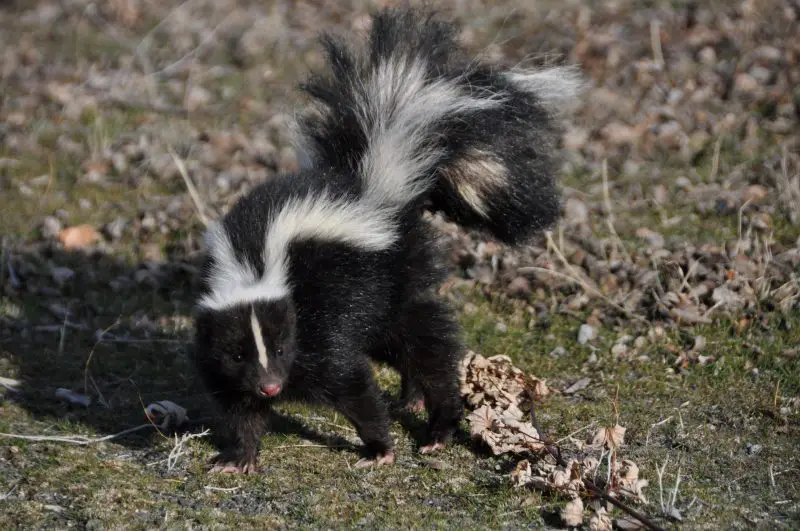
Skunks are quiet, slow-moving, and usually unnoticed until one suddenly appears near a backyard, campsite, field edge, or roadside at night. In Oklahoma, they live in rural farmland, forests, prairies, river bottoms, suburbs, and even city neighborhoods. Their ability to survive in so many different environments comes down to one key factor: what they eat and how effectively they adapt their diet throughout the year.
Oklahoma experiences hot summers, mild springs, unpredictable falls, and winters that range from gentle to suddenly harsh. Food availability constantly changes. Yet skunks continue to thrive. Understanding what skunks eat in Oklahoma through the seasons explains why they show up where they do, why they dig in lawns, why they are so resilient, and how they help ecosystems more than most people realize.
This detailed guide explores what skunks eat across Oklahoma year-round, how their diet shifts with weather and habitat, which foods come from nature and which come from human environments, why insects are so important to their survival, and why seasonal feeding tells so much about how skunks live.
Table of Contents
- 1 Skunks in Oklahoma Are Opportunistic Omnivores
- 2 Insects Are Skunks’ Most Important Food in Oklahoma
- 3 Skunks Dig for Grubs — and This Explains a Lot
- 4 Small Animals Are Occasional, Opportunistic Meals
- 5 Skunks Eat Bird Eggs and Nesting Food When Available
- 6 Fruits, Berries, and Plant Foods Are Important Too
- 7 Skunks Are Scavengers — And That Helps Oklahoma Ecosystems
- 8 Human Food Sources Influence Skunk Diets
- 9 Seasonal Diet Changes: What Skunks Eat Throughout the Year in Oklahoma
- 10 Spring: Abundance Returns and Protein Becomes Essential
- 11 Summer: The Richest Feeding Season of the Year
- 12 Fall: Preparing for Scarcer Months Ahead
- 13 Winter: Survival Diet and Reduced Activity
- 14 Different Habitats Provide Different Food Sources
- 15 Why Skunks Dig So Much in Oklahoma Yards
- 16 Skunks Help More Than Most People Realize
- 17 Why Food Shapes Skunk Behavior
- 18 Skunks and Conflict with Humans: Diet Is Usually the Cause
- 19 Weather Strongly Influences Skunk Feeding
- 20 Young Skunks vs Adult Skunks: Feeding Needs Differ
- 21 Oklahoma Skunks Eat Based on Smell, Not Vision
- 22 FAQs About What Skunks Eat in Oklahoma
- 23 Conclusion
Skunks in Oklahoma Are Opportunistic Omnivores

The most important thing to understand about skunk diets is that they are omnivores. They eat both animal and plant material, but their diet is strongly insect-based for much of the year. Skunks are not picky. They eat what is available, easy to find, and energy-efficient to obtain.
Their diet commonly includes:
-
insects and larvae
-
grubs and worms
-
small mammals and reptiles occasionally
-
eggs when available
-
fruits and berries
-
nuts and seeds
-
carrion
-
human food scraps when accessible
This flexibility allows skunks to move through different habitats without relying on a single food source. It also explains why they can live near people as easily as they live in remote natural environments.
Insects Are Skunks’ Most Important Food in Oklahoma
Skunks are some of the most effective natural pest controllers in the state. A huge percentage of their diet is made up of insects and invertebrates.
They commonly eat:
-
beetles
-
crickets
-
grasshoppers
-
roaches
-
caterpillars
-
ants
-
spiders
-
scorpions in some regions
But one type of insect explains a major part of their behavior”¦
Skunks Dig for Grubs — and This Explains a Lot
If you see small cone-shaped holes in your Oklahoma lawn, a skunk was probably hunting grubs during the night. They rely heavily on:
-
beetle larvae
-
white grubs
-
soil insects
Grubs are rich in protein, available in many seasons, and extremely nutritious. Oklahoma’s irrigated lawns, golf courses, pastures, and parks hold high grub populations, which means skunks love feeding there. Their digging is not random destruction. It is targeted feeding behavior.
Worms and soil invertebrates also play a big role in their diet, especially after rain when the ground softens.
Small Animals Are Occasional, Opportunistic Meals
Skunks are not fierce predators like coyotes or bobcats, but they will eat small animals when the opportunity arises.
They may consume:
-
mice
-
young rats
-
small moles
-
baby rabbits
-
small snakes
-
lizards
-
amphibians
They typically do not chase prey aggressively. Instead, they take advantage of slow, injured, nesting, or young animals. Their hunting style is slow, deliberate, and opportunistic rather than fast or aggressive.
Skunks Eat Bird Eggs and Nesting Food When Available
Ground-nesting birds and accessible nests sometimes fall victim to skunks. In Oklahoma, this can include:
-
quail nests
-
turkey nests
-
waterfowl eggs
-
backyard bird nests placed low
Skunks are excellent at sniffing out eggs, and eggs provide high protein and fat. However, eggs are a small percentage of their overall diet and occur mostly in spring and early summer when nesting is active.
Fruits, Berries, and Plant Foods Are Important Too
Skunks are not just meat and insect eaters. Plant foods make up a noticeable portion of their yearly diet, particularly when insects decline or when natural plant foods are abundant.
They commonly eat:
-
wild berries
-
blackberries
-
persimmons
-
wild plums
-
mulberries
-
fallen fruit in orchards and backyards
They also eat:
-
seeds
-
nuts
-
grains
-
corn left in fields
-
agricultural crops during availability
Fruits supply sugars and hydration, while seeds and grains add carbohydrates and fat.
Skunks Are Scavengers — And That Helps Oklahoma Ecosystems
Skunks are natural cleanup animals. They regularly feed on carrion, meaning dead animals found in fields, roadsides, or woods.
They may feed on:
-
roadkill
-
leftover predator kills
-
naturally dead wildlife
This scavenging:
-
reduces disease spread
-
cleans decaying material
-
supports nutrient recycling
Though often overlooked, scavenger roles are critical in nature.
Human Food Sources Influence Skunk Diets
Living near people means skunks also encounter human food options — sometimes intentionally provided, often accidentally available.
In Oklahoma suburbs and towns, skunks may eat:
-
pet food left outdoors
-
garbage scraps
-
compost
-
spilled birdseed
-
fallen backyard fruit
This explains why skunks frequently appear near:
-
porches
-
barns
-
campsites
-
trash areas
While convenient for skunks, human food encourages dependency and increases conflict risk.
Seasonal Diet Changes: What Skunks Eat Throughout the Year in Oklahoma
Oklahoma’s seasonal climate greatly affects what skunks can find. Their survival depends on shifting diets to match seasonal availability.
Spring: Abundance Returns and Protein Becomes Essential
Spring awakens Oklahoma’s ecosystems. Skunks become more active after winter slow-downs and food choices expand dramatically.
In spring, skunks eat:
-
insects emerging from soil
-
grubs
-
beetles
-
worms after rain
-
early berries
-
nesting eggs when found
Spring nutrition supports:
-
breeding
-
milk production in females
-
post-winter body recovery
Protein is especially important in this season, and insects provide it in abundance.
Summer: The Richest Feeding Season of the Year
Summer is the easiest time for skunks to find food in Oklahoma.
They feed heavily on:
-
insects
-
grasshoppers
-
crickets
-
beetles
-
worms
-
berries
-
fruits
-
seeds
Warm temperatures increase insect population levels, meaning feeding success is high. Summer is also when many people notice skunks more often in yards due to grub hunting.
Young skunks learning to feed also become more independent in summer.
Fall: Preparing for Scarcer Months Ahead
Fall is a critical transition season. Insects begin declining and temperatures slowly shift. Skunks change focus toward foods that help build energy.
They eat:
-
remaining insects
-
fruit still on plants or fallen
-
corn and grain residue
-
nuts
-
seeds
-
small animals when found
Fall nutrition helps skunks build fat for winter and supports energy stability when food becomes harder to find.
Winter: Survival Diet and Reduced Activity
Winter is the most challenging time for Oklahoma skunks. While Oklahoma winters are milder than northern states, cold snaps, snow, and frozen ground still limit food.
Unlike some animals, skunks do not fully hibernate. Instead, they enter a state of torpor — sleeping longer, reducing movement, and conserving energy — while still occasionally emerging to feed.
Winter diet often includes:
-
leftover berries
-
stored seeds
-
carrion
-
rodents when available
-
insects found in soil during warmer spells
They rely on fat reserves gained earlier in the year and minimize energy use during harsh periods.
Different Habitats Provide Different Food Sources
Oklahoma’s varied geography means skunks in different regions eat slightly different diets.
Forest and Woodland Skunks
Eat:
-
insects
-
grubs
-
fruits
-
woodland berries
-
small animals
-
eggs
They benefit from dense cover and rich soil life.
Farmland and Prairie Skunks
Eat:
-
agricultural insects
-
grain residue
-
field rodents
-
ground-nest eggs
-
pasture grubs
They thrive near agriculture, where insects and rodents are abundant.
Urban and Suburban Skunks
Eat:
-
garbage
-
pet food
-
lawn grubs
-
backyard fruit
-
insects near houses
They adapt extremely well to neighborhoods because resources remain reliable.
Why Skunks Dig So Much in Oklahoma Yards
Even though diet explains much of it, dig marks still frustrate homeowners. Skunks dig because:
-
grubs live underground
-
worms are accessible after rain
-
many insects hide in soil
-
lawns provide one of the richest food sources
Their digging is purposeful, not destructive curiosity.
Skunks Help More Than Most People Realize
Even though they have a strong smell defense, skunks provide real ecological benefits.
They:
-
reduce insect populations
-
control harmful beetle larvae
-
lower rodent numbers
-
clean carrion
-
support natural balance
In many cases, they function as backyard pest control specialists.
Why Food Shapes Skunk Behavior
Everything skunks do connects to food availability:
-
they roam more when food is scarce
-
they stay near reliable food sources
-
they visit human environments when natural food declines
-
they group in dens partly near feeding zones
Food patterns explain why skunks appear suddenly some seasons and disappear in others.
Skunks and Conflict with Humans: Diet Is Usually the Cause
Most complaints about skunks come from:
-
digging lawns
-
raiding trash
-
eating pet food
-
lingering near homes
Each behavior connects directly to food. When food is accessible and easy, skunks come closer.
Limiting attractants reduces conflict.
Weather Strongly Influences Skunk Feeding
Rain softens soil, increasing grub hunting. Drought reduces insects, forcing diet shifts. Winter cold slows them. Warm Oklahoma nights increase feeding time.
Their behavior follows environmental reality.
Young Skunks vs Adult Skunks: Feeding Needs Differ
Young skunks depend heavily on:
-
insects
-
small soft prey
-
easy foods guided by mother
Adults are more capable of diverse foraging and harder prey.
Diet supports growth, muscle development, and survival learning.
Oklahoma Skunks Eat Based on Smell, Not Vision
Skunks don’t see well. Their most important feeding sense is smell. Their noses are incredibly powerful, allowing them to detect underground food with precision.
This sense:
-
helps locate burrowing insects
-
finds carrion
-
identifies eggs
-
guides seasonal feeding
Their incredible sense of smell is their greatest feeding tool.
FAQs About What Skunks Eat in Oklahoma
What do skunks eat most in Oklahoma?
Mostly insects, grubs, beetles, worms, small animals occasionally, fruits, seeds, and human food when available.
Why do skunks dig holes in yards?
They’re hunting grubs and insects living in soil.
Do skunks eat rodents?
Yes, but occasionally. They prefer insects first.
Do skunks eat fruit?
Yes, especially berries, persimmons, and fallen backyard fruit.
What do skunks eat in winter?
Carrion, rodents, remaining seeds and berries, and insects during mild periods.
Do skunks eat pet food?
Yes, and they are highly attracted to it if left outside.
Are skunks helpful?
Very. They control insects, pests, and rodents while cleaning carrion.
Do skunks hunt aggressively?
No. They are slow, opportunistic feeders, not fast predators.
Conclusion
Skunks in Oklahoma survive year-round because their diet is incredibly adaptable. They eat insects, grubs, worms, small animals when available, berries, fruits, seeds, carrion, and even human food when opportunity allows. Their diet shifts with the seasons: rich insect feeding in spring and summer, gathering energy in fall, and survival feeding in winter.
Every digging mark in a lawn, every nighttime walk through a field, every visit to a backyard feeding area reflects survival instinct and a natural role. Skunks are more than animals with a famous defensive spray. They are pest controllers, scavengers, ecosystem balancers, and highly adaptable survivors shaped by what they eat.
Through every Oklahoma season, their diet tells the story of resilience, intelligence, and the remarkable way wildlife fits into both natural environments and human-shaped landscapes.