
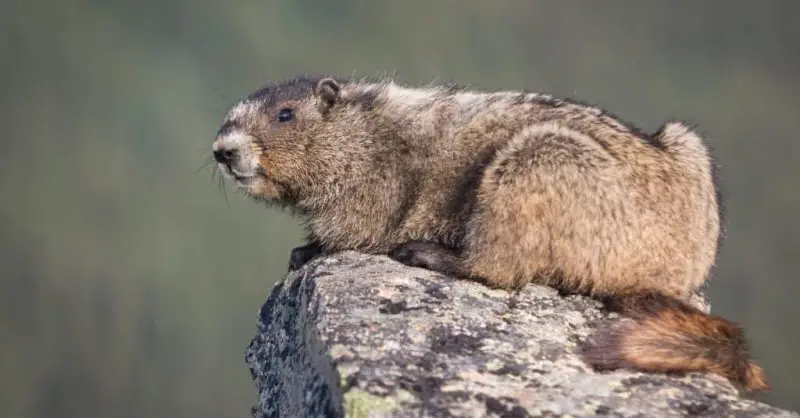
Winter in California is very different depending on where you are. While lowland valleys may stay mild, California’s mountain regions—especially the Sierra Nevada, northern mountains, and higher elevations—experience heavy snow, freezing temperatures, and long stretches of cold. These are the places where marmots live. And unlike many wildlife species that continue feeding through winter, marmots disappear completely. No movement. No foraging. No digging through snow for food. They simply vanish into underground burrows for months.
So what exactly do marmots survive on during winter in California? The scientific truth is fascinating: marmots do not survive on “food” during winter at all. Instead, they rely on one of nature’s most powerful survival strategies—deep hibernation fueled entirely by stored body fat.
This detailed guide explains exactly how marmots survive the California winter, what physiological adaptations make it possible, how they prepare months in advance, what happens inside their bodies during hibernation, why fat reserves are life or death, and what winter means for their ecology and future survival.
Table of Contents
- 1 Marmots in California Winter and Why Survival Is So Challenging
- 2 Marmots Do Not Eat Anything in Winter – They Hibernate
- 3 How Marmots Prepare for Winter in California
- 4 Inside the Marmot Winter Burrow – Their Winter Survival Space
- 5 What Happens to a Marmot’s Body During Hibernation
- 6 Why Fat Reserves Are Everything in Winter Survival
- 7 California Climate Variation and Marmot Winter Survival
- 8 Do Marmots Ever Eat in Winter?
- 9 Ecological Importance of Marmots Surviving Winter
- 10 FAQs About What Marmots Survive On During Winter in California
- 10.1 Do marmots eat anything at all in winter?
- 10.2 How long do marmots hibernate in California?
- 10.3 What do marmots eat before winter to prepare?
- 10.4 Where do marmots stay during winter?
- 10.5 Do marmots wake up during hibernation?
- 10.6 Can marmots freeze during winter?
- 10.7 Do baby marmots hibernate too?
- 10.8 Do California marmots migrate instead of hibernating?
- 10.9 Why is fat so important for marmots in winter?
- 10.10 What happens if a marmot does not gain enough weight before winter?
- 11 Final Thoughts
Marmots in California Winter and Why Survival Is So Challenging

California’s marmots primarily include the Yellow-bellied Marmot found in the Sierra Nevada, White Mountains, and rocky alpine environments. Some regions also include Hoary Marmots in higher northern areas. These marmots live in high-elevation landscapes where winters are extremely harsh.
Winter Conditions Marmots Must Face
High-elevation California winters mean:
-
Deep, persistent snowpack
-
Temperatures dropping well below freezing
-
Limited plant availability
-
Long dark nights
-
Wind exposure and harsh storms
Food availability above ground becomes essentially zero for months. Grasslands, wildflowers, shrubs, and alpine vegetation marmots rely on in summer are buried beneath snow or dead until spring. Survival requires a completely different strategy than constant feeding.
Marmots Do Not Eat Anything in Winter – They Hibernate
Unlike many animals that remain partially active in winter, marmots enter one of the deepest forms of hibernation known in mammals. During this time, they do not eat, drink, or forage. They seal themselves in underground burrows and survive entirely on stored energy within their bodies.
What Marmots Actually “Survive On” in Winter
Marmots survive winter through:
-
Large fat reserves built during summer and fall
-
Extreme metabolic slowdown
-
Deep multi-month hibernation
-
Body temperature reduction
-
Reduced heart rate and breathing
Instead of finding food, marmots transform their own body fat into survival fuel.
How Marmots Prepare for Winter in California
To survive several months without eating, marmots must prepare far in advance. This preparation stage happens throughout late spring, summer, and fall.
Intense Feeding Season Before Winter
Once marmots emerge from hibernation in spring, they begin feeding almost immediately. As summer arrives, feeding becomes intense. Marmots eat constantly, focusing on:
-
Grasses
-
Alpine wildflowers
-
Herbaceous plants
-
Shrubs and leaves
-
Seeds and plant parts
This abundant feeding season allows them to gain tremendous weight. A marmot can double its body mass by late summer.
Building Essential Fat Reserves
Fat is not simply “extra weight”—it is life support fuel. Marmots create two important types of fat:
-
White fat – long-term stored energy
-
Brown fat – specialized fat that helps produce heat when waking from hibernation
Without enough fat, a marmot will not survive winter. Marmots that fail to accumulate enough reserves often do not wake in spring.
Inside the Marmot Winter Burrow – Their Winter Survival Space
Marmots do not hibernate anywhere. They carefully prepare winter burrows designed for survival.
The Winter Burrow System
Winter dens are usually:
-
Deep underground
-
Located in secure rocky areas
-
Well insulated with soil and rocks
-
Lined with dry vegetation for warmth
The depth protects them from freezing temperatures while surrounding soil provides insulation.
Sealing the Burrow for the Season
Before winter truly begins, marmots block entrance tunnels with soil and plant material. This helps:
-
Trap warmth
-
Block predators
-
Reduce drafts
-
Maintain stable temperature
Once sealed, marmots will not leave until spring warm-up.
What Happens to a Marmot’s Body During Hibernation
Hibernation is not just “sleep.” It is a profound physiological transformation specifically designed for winter survival.
Body Temperature Drops Dramatically
Normal mammal body temperature stays high to support life functions. During hibernation:
-
Marmot body temperature drops close to near-freezing levels
-
Internal processes slow dramatically
-
Energy demand falls to extremely low levels
This allows fat to be used very slowly.
Heart Rate and Breathing Almost Stop
In summer, a marmot may have a heart rate of over 100 beats per minute. During deep hibernation:
-
Heart rate can drop to as low as 4–10 beats per minute
-
Breathing slows to minimal levels
-
Internal organs operate at reduced function
This massive slowdown prevents starvation.
Periodic Arousal Cycles
Interestingly, marmots do not stay in continuous hibernation without interruption. Every few weeks, their bodies briefly “wake up” to near-normal temperature before returning to hibernation. Scientists believe these arousal cycles may:
-
Maintain brain function
-
Support immune regulation
-
Prevent physiological damage
Even during these awakenings, marmots still do not eat. They continue to rely on fat stores.
Why Fat Reserves Are Everything in Winter Survival
When thinking about what marmots “survive on” in winter, the most accurate answer is: fat energy reserves. Every function depends on them.
Fat Converts Directly to Survival Energy
Stored fat provides:
-
Heat production
-
Cellular energy
-
Protection against starvation
-
Life support through months of inactivity
Without sufficient fat, a marmot simply cannot make it through California’s long alpine winter.
Young Marmots Must Learn to Prepare Correctly
Juvenile marmots face the highest winter risk. They must:
-
Learn to feed efficiently in summer
-
Gain fat quickly enough
-
Select safe burrows
-
Stay protected
Many young marmots do not survive their first winter simply because they do not build enough reserves.
California Climate Variation and Marmot Winter Survival
California’s winter varies depending on elevation and region, but mountain marmots experience some of the harshest winter conditions in the state.
Snowpack Benefits and Challenges
Snow may seem threatening, but it actually provides insulation. A thick snow layer traps warmth inside the ground, keeping burrows warmer than exposed air. However, prolonged snow seasons extend the hibernation period, which means marmots need even more fat.
Warmer Winters and Climate Change
Climate change is altering snow patterns. Potential impacts include:
-
Shorter winters in some areas
-
Longer unpredictable cold snaps
-
Altered vegetation growth
-
Timing mismatches between emergence and food peak
If marmots emerge too early when food is scarce, survival becomes difficult.
Do Marmots Ever Eat in Winter?
No. Unlike squirrels or chipmunks that wake and eat stored food, marmots do not store food underground for winter feeding. Their digestive systems effectively shut down. They survive entirely through:
-
Stored fat
-
Reduced metabolism
-
Efficient hibernation biology
There is no winter foraging or eating under snow.
Ecological Importance of Marmots Surviving Winter
When marmots successfully survive winter, they play an important ecological role in California’s mountain ecosystems.
They:
-
Turn soil when digging burrows
-
Create shelter used by other animals
-
Support predator species like coyotes, eagles, and bears
-
Influence plant community structure
-
Help seed dispersal indirectly
Their presence contributes to alpine ecosystem health.
FAQs About What Marmots Survive On During Winter in California
Do marmots eat anything at all in winter?
No. Marmots do not eat during winter. They hibernate deeply and rely entirely on stored body fat.
How long do marmots hibernate in California?
Typically 6 to 8 months depending on elevation and winter severity.
What do marmots eat before winter to prepare?
They eat grasses, wildflowers, herbs, shrubs, and plant material to build fat reserves.
Where do marmots stay during winter?
They stay in deep underground burrows specially designed for insulation and protection.
Do marmots wake up during hibernation?
Yes, they experience periodic arousal cycles but still do not feed.
Can marmots freeze during winter?
Their body temperature drops drastically, but burrow insulation and fat energy prevent freezing.
Do baby marmots hibernate too?
Yes, but they must build enough fat in their first year to survive, making their first winter risky.
Do California marmots migrate instead of hibernating?
No. Marmots are strictly hibernators and remain in their home range.
Why is fat so important for marmots in winter?
Fat is their only energy source during months of not eating, fueling every life function.
What happens if a marmot does not gain enough weight before winter?
It likely will not survive hibernation.
Final Thoughts
Marmots surviving California winter is not about finding food beneath snow or adapting to frozen landscapes like many animals do. Instead, it is about perfect preparation, biological timing, and extraordinary physiological adaptation. Marmots survive on nothing they consume in winter—they survive entirely on fat reserves built during the warm months, supported by deep hibernation that nearly shuts their bodies down.
Their strategy is extreme, efficient, and beautifully designed for the alpine environments they call home. While winter howls across California’s mountains, marmots sleep on in darkness and silence, hearts beating slowly, bodies cooled, waiting patiently for the world to warm again. When spring sunlight melts snow and green life returns, marmots emerge, proving once again that survival isn’t always about constant struggle—it is sometimes about resting wisely, preparing well, and trusting nature’s incredible design.