
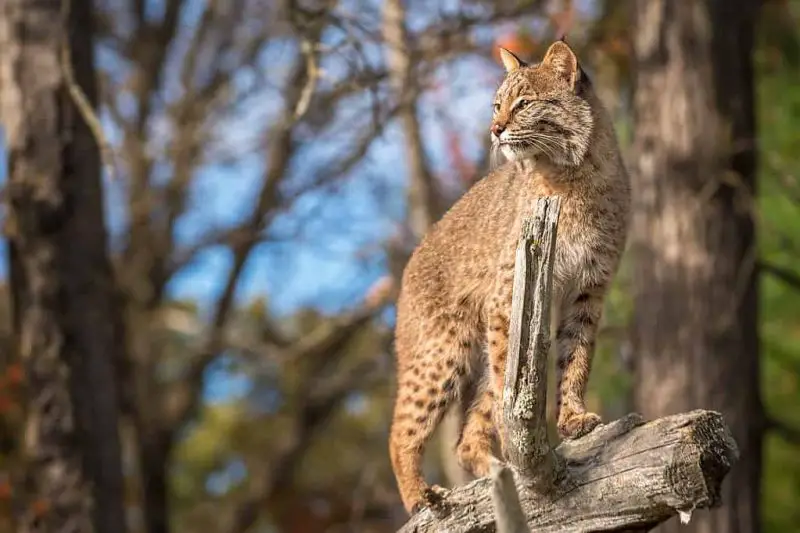
Winter in Utah is breathtaking but unforgiving. Snow blankets mountains and valleys, icy winds sweep across deserts and forests, temperatures drop well below freezing, and prey becomes harder to find. While some animals migrate and others hibernate, bobcats do neither. They stay. They remain fully active, alert, and constantly hunting through every blizzard, cold snap, and frozen night.
So what exactly do bobcats hunt to survive winter in Utah, and how do they continue thriving when food is scarce, snow is deep, and winter drains energy faster than any other season? This article explores the full answer. We will dive deeply into their winter prey, hunting strategies, behavior, territory control, physiological adaptations, ecological importance, regional diet differences, and much more.
Table of Contents
- 1 Bobcats in Utah Winter and Why Survival Is So Demanding
- 2 What Bobcats Hunt to Survive Winter in Utah
- 3 Rabbits: Utah’s Most Important Bobcat Winter Food
- 4 Rodents and Small Mammals Remain a Winter Lifeline
- 5 Birds Provide Supplemental Winter Nutrition
- 6 Jackrabbits and Hares Support Survival in Utah’s Deserts
- 7 Carrion and Winter Opportunistic Feeding
- 8 Larger Prey: Can Bobcats Kill Deer in Utah Winter?
- 9 Rare and Secondary Winter Prey Sources
- 10 How Utah Winter Weather Shapes Bobcat Hunting
- 11 Winter Territory Size and Hunting Range in Utah
- 12 Habitat Type Determines What Bobcats Hunt in Utah Winter
- 13 How Bobcats Hunt in Winter: Strategy and Skill
- 14 How Often Must Bobcats Hunt in Winter?
- 15 Interactions with Other Predators During Winter
- 16 Ecological Importance of Bobcats During Utah Winter
- 17 Human Influence on Bobcat Winter Survival
- 18 FAQs About What Bobcats Hunt to Survive Winter in Utah
- 18.1 Do bobcats hibernate in winter?
- 18.2 What do bobcats mainly eat during Utah winter?
- 18.3 Do bobcats hunt deer in winter?
- 18.4 How often do bobcats need to eat in winter?
- 18.5 Are bobcats affected by deep snow?
- 18.6 Do bobcats come near human areas in winter?
- 18.7 What habitat is best for bobcats in winter?
- 18.8 Are bobcats dangerous to humans in Utah winter?
- 18.9 Do bobcats scavenge in winter?
- 18.10 Are bobcats important to Utah ecosystems?
- 19 Final Thoughts
Bobcats in Utah Winter and Why Survival Is So Demanding

Bobcats live across nearly all of Utah—from snowy mountains to rocky deserts, forested plateaus, canyon systems, farmlands, wetlands, foothills, river valleys, and semi-urban edges. Winter challenges every bobcat, but their survival comes from intelligence, instinct, and powerful evolutionary design.
Why Bobcats Cannot Afford to Stop Hunting
Bobcats are obligate carnivores. They must consume meat regularly to:
-
Maintain body heat and energy
-
Support muscle function
-
Sustain metabolism during cold periods
-
Provide food for dependent kittens (if present)
-
Maintain territory against competing predators
Winter does not offer rest—it demands strategy and strength.
Utah’s Winter Landscapes Shape Bobcat Challenges
Utah winters are not uniform. Bobcats must adapt to:
-
Heavy mountain snow
-
Frozen high desert nights
-
Deep forest cold air pockets
-
Limited prey activity
-
Reduced daylight feeding windows
These conditions turn every hunt into a life-sustaining mission.
What Bobcats Hunt to Survive Winter in Utah
Bobcats are opportunistic predators. They will hunt almost any available prey, but they do not waste energy. In winter, efficiency matters more than anything. Their diet shifts toward prey that is consistent, catchable, and energy-rich.
Rabbits: Utah’s Most Important Bobcat Winter Food
When discussing what bobcats hunt to survive winter in Utah, one answer outweighs all others: rabbits. Both cottontail rabbits and jackrabbits support Utah’s winter bobcat population more than any other prey.
Why Rabbits Are So Critical for Winter Survival
Rabbits provide:
-
High protein and fat
-
Medium-sized meal portions
-
Wide availability across terrain
-
Constant winter movement above snow
Unlike many small animals, rabbits do not vanish underground all winter. They remain active, leaving trails, scent marks, and movement paths that bobcats can track.
How Bobcats Successfully Hunt Rabbits in Winter
Winter rabbit hunting requires patience and stealth. Bobcats:
-
Stalk slowly and silently
-
Use shrubs, rocks, snow drifts, and terrain as cover
-
Freeze their body mid-movement to avoid detection
-
Ambush with extreme speed when rabbits pause
A single successful rabbit hunt can sustain a bobcat for a day or more, making every winter rabbit kill essential.
Rodents and Small Mammals Remain a Winter Lifeline
When rabbit numbers drop or conditions change, bobcats turn to rodents and other small mammals that remain active even during harsh winter months.
Common Rodent Prey for Utah Bobcats
Bobcats frequently hunt:
-
Mice
-
Rats
-
Voles
-
Packrats
-
Ground squirrels (during milder winter stretches)
-
Kangaroo rats in desert regions
These animals remain accessible near shrubs, storage burrows, barns, farms, brush piles, and rocky areas.
The Subnivean Zone – Hunting Beneath Snow
Even when rodents travel under snow in what biologists call the subnivean zone, bobcats can still catch them. With sharp hearing and vibration sensitivity, bobcats detect underground movement, leap downward into snow, and pin prey beneath.
Winter makes food invisible to humans—but not to bobcats.
Birds Provide Supplemental Winter Nutrition
Birds become an important, though less predictable, prey source during Utah winters. Winter concentrates birds around shrubs, trees, valleys, agricultural fields, and human support areas, giving bobcats occasional opportunities.
Bird Species Bobcats May Hunt in Utah Winter
Depending on region and availability, bobcats may take:
-
Quail (especially Gambel’s Quail)
-
Grouse
-
Wild turkeys (young or weakened individuals)
-
Pigeons
-
Songbirds when opportunity arises
-
Waterfowl in very rare exceptional situations
Birds require quick precision hunting, but bobcats excel at surprise attacks and timed pounces.
Jackrabbits and Hares Support Survival in Utah’s Deserts
Lower elevation desert and canyon systems do not get as much snow as the mountains. Here, jackrabbits become a primary prey in winter.
Why Jackrabbits Matter So Much in Desert Winters
Jackrabbits:
-
Remain active year-round
-
Travel openly in desert terrain
-
Provide strong calorie value
-
Live in prime bobcat territory
In desert Utah, jackrabbits often sustain bobcat populations through otherwise lean seasons.
Carrion and Winter Opportunistic Feeding
Winter survival is not always about hunting. Sometimes it is about opportunity. Bobcats are fully capable scavengers when necessary.
Bobcats Take Advantage of Winter Carcasses
They will feed on:
-
Deer that died from cold stress or injury
-
Winter-weak fawns
-
Road-killed animals in remote areas
-
Remains from mountain lion or coyote kills
-
Hunter-discarded carcass remains
Scavenging saves energy, which is especially valuable in bitter cold.
Larger Prey: Can Bobcats Kill Deer in Utah Winter?
Bobcats are not like mountain lions, but winter can shift survival dynamics.
When Bobcats Feed on Deer
Bobcats may:
-
Kill fawns during vulnerable winter periods
-
Prey on sick or injured individuals
-
Feed on winter carcasses
-
Rarely attack very small yearlings
They do not target strong adult deer, but winter weakness creates occasional opportunity.
Rare and Secondary Winter Prey Sources
While not primary, bobcats may also consume:
-
Porcupines (learned skill, dangerous but possible)
-
Rabbits in agricultural orchards
-
Domestic poultry if accessible and unprotected (uncommon)
-
Insects or reptiles only in warmer winter breaks
Winter forces bobcats to be flexible, and flexibility is their strength.
How Utah Winter Weather Shapes Bobcat Hunting
Weather controls everything about winter life.
Deep Snow Changes Hunting Strategy
Snow depth affects:
-
Mobility speed
-
Stalking ability
-
Prey paths
-
Hunting routes
Bobcats prefer traveling along:
-
Game trails
-
Frozen creek beds
-
Packed snow routes
-
Wind-swept ridges with less snow depth
They learn winter travel networks as well as humans learn roads.
Extreme Cold Increases Calorie Needs
Colder temperatures mean bobcats must eat more often. Their fur is incredibly insulating, but body warmth still requires constant energy burn. Missing multiple meals can become dangerous.
After Storms Comes Opportunity
During storms, prey stays hidden. After storms, wildlife must move to feed, and bobcats seize that brief abundance.
Winter Territory Size and Hunting Range in Utah
A bobcat’s winter survival often depends on how large and rich its territory is.
How Big Is a Winter Territory?
Depending on prey density, terrain, and competition, Utah bobcat territories may cover:
-
5 to 40 square miles or more
Males often hold larger territories than females, and territories may overlap slightly at edges.
Why Territory Matters More in Winter
Territory ensures:
-
Exclusive prey access
-
Familiar hunting grounds
-
Known shelter locations
-
Reduced competition
Experienced bobcats know every rock, shrub, rabbit trail, canyon turn, and hiding place in their territory. This knowledge keeps them alive.
Habitat Type Determines What Bobcats Hunt in Utah Winter
Utah’s diversity creates different winter hunting situations.
Mountain and Forest Bobcats
Primary winter prey includes:
-
Cottontail rabbits
-
Grouse
-
Rodents
-
Squirrels when active
-
Occasional carrion
Desert and Canyon Bobcats
They rely heavily on:
-
Jackrabbits
-
Kangaroo rats
-
Quail
-
Songbirds near shrub cover
-
Rodents
Agricultural and Rural Edge Bobcats
Near human-modified landscapes, bobcats may hunt:
-
Field rabbits
-
Barn rats
-
Mice and voles
-
Occasionally farm birds (rare and opportunistic)
Their survival depends on where they live—but they adapt anywhere.
How Bobcats Hunt in Winter: Strategy and Skill
Bobcats do not chase recklessly. Winter energy loss is deadly.
Primary Winter Hunting Methods
They use three main strategies:
Stalk and Freeze
Move slowly, stop completely, wait, move again—perfect patience.
Ambush Attack
Explosive power in the final seconds delivers lethal force.
Short Burst Chase
They do not engage in long chases; they rely on precision instead.
Physical Winter Adaptations
Bobcats survive Utah winter thanks to:
-
Dense insulating fur
-
Strong muscular legs
-
Soft padded feet that silence movement
-
Excellent hearing and eyesight
-
Razor-sharp claws and powerful jaws
Every adaptation supports winter hunting success.
How Often Must Bobcats Hunt in Winter?
Winter hunger never rests.
Typical Winter Feeding Frequency
On average, bobcats must:
-
Hunt daily or every couple of days
-
Consume large prey when possible
-
Conserve energy between meals
A rabbit can sustain a bobcat about a day. Smaller rodents cover only part of daily needs, meaning multiple hunts may be required.
Interactions with Other Predators During Winter
Bobcats are not alone in Utah’s winter wilderness.
Competitors
They may compete with:
-
Coyotes
-
Mountain lions
-
Foxes
-
Raptors like eagles and hawks
Bobcats avoid unnecessary conflict, relying on stealth over confrontation.
Predation Risk
Adult bobcats rarely fall prey, but:
-
Coyotes may attack juveniles
-
Mountain lions pose risk
-
Wolves in northern regions may conflict
Winter survival includes avoiding danger while hunting.
Ecological Importance of Bobcats During Utah Winter
Bobcats contribute to winter ecosystem health in critical ways.
They help:
-
Control rabbit overpopulation
-
Reduce rodent explosions
-
Maintain prey balance
-
Prevent vegetation destruction caused by unchecked herbivores
-
Support predator-prey natural cycles
Without bobcats, Utah winter ecosystems would become unbalanced.
Human Influence on Bobcat Winter Survival
Humans can both harm and help winter bobcat survival.
Positive Influences
-
Conservation land
-
Natural brush landscapes
-
Healthy prey populations
Negative Influences
-
Habitat destruction
-
Overhunting in nearby species
-
Vehicle collisions
-
Urban sprawl reducing territory
Respecting habitat ensures bobcats continue to thrive.
FAQs About What Bobcats Hunt to Survive Winter in Utah
Do bobcats hibernate in winter?
No. Bobcats remain active hunters all winter long.
What do bobcats mainly eat during Utah winter?
Primarily rabbits, jackrabbits, rodents, birds, and occasional carrion.
Do bobcats hunt deer in winter?
They may take fawns or weakened individuals and occasionally scavenge deer carcasses.
How often do bobcats need to eat in winter?
Usually daily or every couple of days, depending on prey size and success.
Are bobcats affected by deep snow?
Yes, deep snow complicates hunting, but they adapt using terrain knowledge and stealth.
Do bobcats come near human areas in winter?
Sometimes, especially where rodents and rabbits concentrate, but they avoid direct human contact.
What habitat is best for bobcats in winter?
Mixed environments with cover, prey populations, and minimal human disturbance.
Are bobcats dangerous to humans in Utah winter?
Very rarely. They avoid people unless cornered or threatened.
Do bobcats scavenge in winter?
Yes, scavenging provides important backup calories.
Are bobcats important to Utah ecosystems?
Absolutely. They maintain prey balance and winter ecological health.
Final Thoughts
Bobcats are among Utah’s most impressive winter survivors. While snow silences landscapes and cold drains energy from every living creature, bobcats continue to hunt with patience, precision, and instinctive intelligence. They rely heavily on rabbits, rodents, jackrabbits, birds, and opportunistic carrion to power their bodies through bitter nights and demanding days.
Their survival story highlights resilience, adaptability, and the beauty of natural design. Watching bobcats endure Utah’s winter reminds us that even in the harshest conditions, nature equips its wild predators with everything they need to thrive. As long as Utah’s landscapes remain wild, silent winter forests and snow-covered deserts will continue to belong to the bobcat—silent, powerful, and endlessly resourceful.