
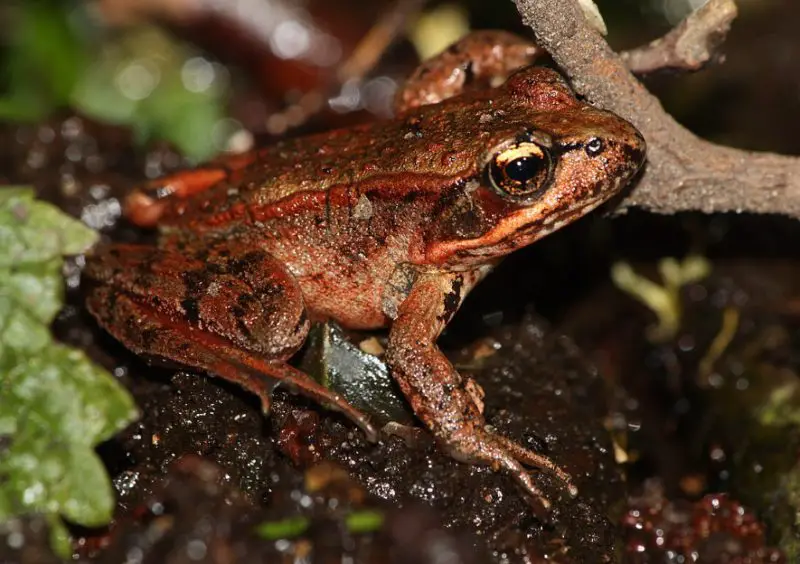
Winter in Washington brings cold rain, fog, frost, snow in the mountains, and chilly temperatures that seem impossible for small amphibians to survive. Ponds freeze. Insects disappear. The ground hardens. Forests become quiet. Yet frogs are still there—hidden, alive, and surviving in silence. Many people wonder: What do frogs eat in Washington during the winter, and how do they manage to stay alive when the world appears empty of food?
The answer surprises many people because frogs do not spend winter the same way they do summer. They are not hopping around hunting constantly. They are not eating daily meals. They are not actively feeding beneath the snow like some mammals. Instead, their winter survival depends on a fascinating biological strategy, careful seasonal timing, and occasional feeding behaviors that allow them to make it through the coldest months.
This guide explores exactly what frogs in Washington do in winter, what they eat, how their diet changes, how their body handles the cold, where they hide, and why winter survival is possible even in freezing temperatures.
Frogs in Washington and What Winter Means for Them

Washington is home to several native frog species including the Pacific Tree Frog (Chorus Frog), Northern Red-legged Frog, Oregon Spotted Frog, Columbia Spotted Frog, Wood Frog, Cascades Frog, and various true frog species. Each experiences winter differently depending on where they live—mountains, forests, wetlands, suburban ponds, or coastal regions.
Does Washington Winter Stop Frog Life Completely?
No. Winter does not kill frogs automatically. Instead, frogs switch from active living to survival mode. Amphibians are ectothermic, meaning their body temperature depends on environment temperature. When weather cools, their metabolism naturally slows, and their need for food decreases dramatically.
This shift is key to understanding their winter diet. Frogs do not need to eat nearly as often in winter because their bodies are barely using energy. Still, the question remains: what do they eat when they need nutrition, and how do they survive months of cold?
Do Frogs Even Eat in Winter?
This is the most important foundation of the topic: most frogs in Washington eat very little or nothing at all during deep winter. Instead of searching for food, they enter a slowed-down state, somewhat similar to hibernation, where their energy demand is extremely low.
Winter Brumation – The Frog Version of Hibernation
Frogs do not technically “hibernate” like mammals. They undergo brumation, a reptile-and-amphibian version of winter dormancy. During brumation:
-
Heart rate slows significantly
-
Movement becomes minimal
-
Digestion nearly stops
-
Body temperature drops
-
Energy burning dramatically reduces
Because of this, frogs simply do not require daily food intake. They survive mainly on stored energy reserves built up during warmer seasons.
However, that does not mean all frogs stop eating entirely. Certain situations allow limited feeding.
What Do Frogs Eat in Washington During Winter When They Do Feed?
When winter conditions are milder, particularly in western Washington’s coastal and lowland areas where temperatures do not always plunge below freezing, frogs may occasionally move and feed lightly.
Small Invertebrates Beneath Leaves and Mud
Frogs that remain in damp leaf litter or mud may occasionally capture small organisms including:
-
Tiny insects active during warm winter breaks
-
Worms
-
Small larvae
-
Slugs or tiny invertebrates in moist environments
These food sources are not regular meals but occasional winter supplements.
Aquatic Frogs Feeding Underwater
Some frogs in Washington overwinter underwater in ponds, lakes, and wetlands that do not freeze solid. While extremely sluggish, certain species may occasionally swallow tiny aquatic prey when available, such as:
-
Small aquatic insects
-
Larvae
-
Micro-invertebrates
The activity is slow, rare, and opportunistic.
But for most frogs, winter survival is not about hunting or feeding. It is about energy preservation.
Where Frogs Spend Winter in Washington – A Key to Their Diet
Understanding where frogs go in winter helps explain why they do not need much food.
Aquatic Wintering Frogs – Underwater Survivors
Some Washington frogs overwinter underwater. They do not float or actively swim. Instead, they settle near pond or lake bottoms, partially buried in mud, staying in oxygen-rich water. Their skin absorbs oxygen from the water, allowing survival without air.
In this state, they rarely eat because movement is minimal and body function is slow.
Terrestrial Frogs – Underground or Hidden in Forest Floors
Other frogs overwinter on land in places such as:
-
Burrows
-
Decaying logs
-
Deep leaf litter
-
Cracks in soil
-
Underground cavities
Here, temperatures remain more stable than above-ground air, but frogs remain mostly inactive. Again, food intake remains minimal or nonexistent.
Frogs in Mountain and Snow Regions
Frogs living in Washington’s Cascades or higher-elevation regions often face freezing soil. Some species, like the Wood Frog in nearby northern areas, can tolerate partial freezing by producing natural “antifreeze” compounds. These frogs absolutely do not eat in winter because frozen frogs cannot digest.
How Frogs Survive Winter Without Eating Much
The key to winter survival is not what they eat; it is how they reduce the need to eat.
Extreme Metabolic Slowdown
Frog metabolism drops drastically in cold weather. Instead of burning energy rapidly, their bodies operate at extremely slow levels. This allows them to go weeks or months without food.
Stored Energy from Summer and Fall Feeding
During warmer seasons, frogs eat heavily. Their diets include:
-
Insects
-
Worms
-
Spiders
-
Small invertebrates
Energy gained is stored as fat, especially around internal organs, providing winter fuel.
The Cold Works in Their Favor
Cold temperatures actually save frogs’ lives. In warmth, frogs must eat frequently. In freezing weather, their body slows enough to sustain life without constant feeding.
Do All Frog Species in Washington Handle Winter the Same Way?
Not exactly. While the general concept is the same, different species have slightly different winter behaviors.
Pacific Tree Frogs
Common across western Washington, they often overwinter in leaf litter, logs, or under rocks. They rarely eat in winter but may take tiny prey during mild warm spells.
Red-Legged Frogs
Often overwinter underwater or in extremely moist environments, reducing movement and feeding.
Oregon Spotted Frog
A federally threatened species, typically remains in water systems. Feeding is limited and slow.
Cascades Frog and Mountain Frogs
Often face colder, harsher winters and may nearly shut down completely. Eating in winter is rare.
Winter Weather and Its Effect on Frog Feeding
Washington winters vary significantly year to year.
Mild Winters in Western Washington
Coastal and Puget Sound areas often experience more rain than deep freeze. In these milder winters, frogs may:
-
Move slightly more
-
Occasionally grab food
-
Take advantage of brief warm rain events
Food remains limited, but light feeding may occur.
Harsh Winters and Snow Events
During significant cold periods:
-
Frogs completely stop feeding
-
Remain hidden
-
Depend solely on stored energy
The colder the season, the less feeding occurs.
Human Influence on Frog Winter Diet in Washington
Humans affect frog survival more than most people realize.
Positive Impacts
Frogs benefit from:
-
Healthy wetlands
-
Untouched leaf litter
-
Natural ponds
-
Reduced pesticide use
These environments support winter shelter and any potential winter prey.
Negative Impacts
Frogs struggle when humans:
-
Drain wetlands
-
Overclear natural debris
-
Pollute ponds
-
Destroy habitat
Without proper habitat, frogs may not survive winter regardless of whether food exists.
Why Understanding Frog Winter Diet Matters
Knowing what frogs eat—or do not eat—in winter helps clarify how delicate amphibian survival is. Their entire life depends on habitat stability, temperature rhythm, and seasonal adaptation. It also reminds us how powerful nature’s processes truly are.
FAQs About What Frogs Eat in Washington During the Winter
Do frogs in Washington eat during winter?
Most do not. They enter a slowed physiological state and rely on stored energy.
What do frogs eat if they do feed in winter?
Occasional insects, worms, larvae, or tiny aquatic prey if conditions allow.
Do frogs hibernate?
They undergo brumation, a winter dormancy similar to hibernation.
Do frogs freeze in winter?
Some mountain frogs may partially freeze, but many remain protected in mud or water.
Do frogs need food daily in winter?
No. Their metabolism slows so much that long periods without food are normal.
Where do frogs stay in winter?
Underground, underwater, in leaf litter, logs, burrows, or mud.
Do insects exist in winter for frogs to eat?
Very few. Only during occasional warm spells or underwater ecosystems.
Can frogs starve in winter?
If frogs fail to build enough fat reserves before winter or habitat conditions are poor, survival becomes difficult.
Do frogs breathe underwater during winter?
Some do, absorbing oxygen through their skin while remaining submerged.
Are frogs important to ecosystems even in winter?
Yes, because their survival ensures balanced insect populations in warmer seasons and supports ecosystem stability.
Final Thoughts
When winter arrives in Washington, frogs do not rely on constant food intake to survive. Instead of hunting actively, they slow their bodies, hide in safe overwintering locations, conserve energy, and depend on stored reserves. In exceptionally mild conditions, they may occasionally eat small prey, but feeding is rare compared to warmer months.
Their winter survival story is not about what they eat—it is about how incredibly well their bodies adapt to cold, silence, and time. As snow melts, rain warms again, and spring returns, frogs awaken, resume feeding eagerly, and rejoin Washington’s vibrant ecosystems. Their resilience reminds us that even when nature seems still and lifeless, extraordinary survival strategies are quietly unfolding beneath the surface.