
South Carolina is home to an impressive variety of insects, but not all of them are harmless. Among the pollinators, garden visitors, and forest dwellers are species capable of inflicting painful stings, transmitting diseases, or triggering severe allergic reactions. With warm weather lasting most of the year, encounters with these pests are common for residents and travelers alike.
Many of these dangerous insects remain unnoticed until someone accidentally disturbs them, while others actively target people and animals during peak activity periods. Venomous spiders hiding in quiet corners, biting flies around lakes, and ticks waiting in grassy areas all add to the risks present across the state’s diverse landscapes.
In this guide, you’ll discover the 16 most dangerous insects and insect-like species in South Carolina, complete with photos, identification details, and clear explanations of the threats they pose. Understanding these creatures makes outdoor activities safer and helps you stay prepared for the encounters most likely to happen.
Types of Dangerous Insects in South Carolina
Yellowjackets

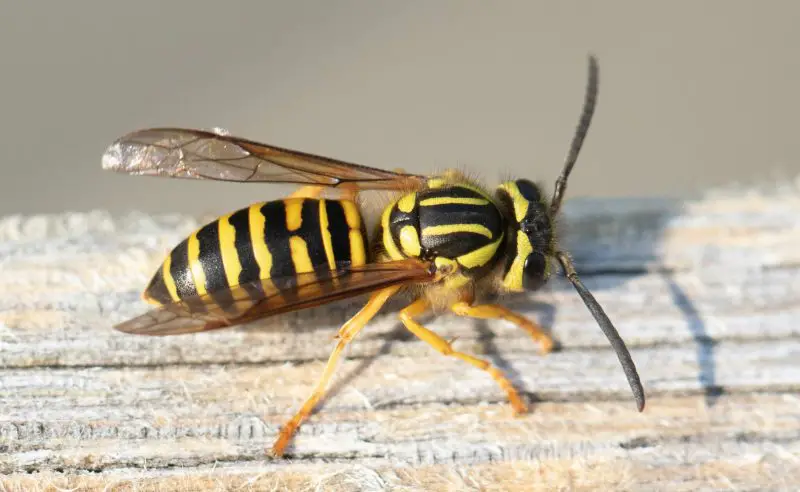
Yellowjackets are small, fast-moving wasps with black-and-yellow bodies, narrow waists, and clear wings. They appear more slender and sharply marked than honeybees, with a glossy exoskeleton and a smooth, bright banded pattern. Their wings fold neatly along the body when resting, giving them a streamlined look.
Most adults measure 10–16 millimeters in length. They have strong mandibles and smooth stingers that allow them to sting multiple times without dying. Their compact, agile flight style also makes them highly responsive to movement near their nests.
Yellowjackets are extremely defensive and can become aggressive when disturbed. They are attracted to sugary foods, meat, and human waste, which often brings them into close contact with people during outdoor activities. When threatened, they attack in groups, delivering rapid, painful stings.
They build large papery nests underground, inside wall voids, or in hollow logs. In South Carolina, yellowjackets are common across suburban yards, parks, forests, and open fields, remaining active from spring through late fall due to the warm climate.
Paper Wasps

Paper wasps have slender brown or black bodies with yellow or red markings and long dangling legs during flight. Their narrow waists and slightly curved antennae help distinguish them from bee species. They also appear more delicate and elongated compared to yellowjackets.
Adults typically measure 16–20 millimeters, making them noticeably larger and longer-legged. Their wings are smoky or brownish and fold lengthwise when perched. Most colonies remain small, which makes identifying a single exposed nest easier.
Paper wasps are generally less aggressive but will defend their nests when approached too closely. Their sting is painful and contains venom that can cause swelling and, in sensitive individuals, allergic reactions. Because they hover near doorways, decks, and sheds, unexpected encounters are common.
They build open, umbrella-shaped nests with visible cells, usually under eaves, railings, and porch ceilings. In South Carolina, paper wasps thrive in warm, humid areas statewide, especially around homes, wooded edges, gardens, and barns.
Bald-faced Hornets

Bald-faced hornets are striking black-and-white wasps with smooth bodies, large heads, and powerful mandibles. Their pale white facial markings set them apart from other hornets and give them their name. They are bulkier and more robust than yellowjackets.
Adults measure 15–20 millimeters, with queens reaching even larger sizes. Their stingers are longer than those of many other wasps, and they can deliver multiple stings in rapid bursts. Their flight is strong and direct, often circling intruders near the nest.
These hornets are highly defensive and respond aggressively to vibrations or movement around their nest. Their venom causes intense pain, swelling, and sometimes systemic reactions. They are known for chasing perceived threats over considerable distances when provoked.
Bald-faced hornets construct large, football-shaped paper nests high in trees, shrubs, or building overhangs. In South Carolina, they are widespread in wooded neighborhoods, rural forests, and parks, most active from late spring through early fall.
Fire Ants (Red Imported Fire Ant)

Red imported fire ants have reddish-brown bodies with darker abdomens and are small but highly active. Workers vary slightly in size, giving a mixed-size appearance when the colony is disturbed. Their aggressive posture and rapid movements make them easy to identify.
Workers range from 2–6 millimeters, but queens are significantly larger. Their mandibles grip the skin before they deliver a sting, which allows them to attack in coordinated waves. Their distinctive dome-shaped mounds often have no central opening.
Fire ants are extremely aggressive and swarm immediately when their mound is disturbed. Their venom produces sharp, burning pain followed by white pustules. Multiple stings are common and can trigger severe allergic reactions or, in rare cases, anaphylaxis.
They prefer sunny, open areas such as lawns, fields, roadsides, and pastures. In South Carolina, fire ants are well-established statewide, thriving in the hot, moist climate and spreading rapidly through both urban and rural landscapes.
Carpenter Ants

Carpenter ants are large black or black-and-red ants with smooth, rounded thoraxes and powerful jaws. Workers have noticeable elbowed antennae and strong mandibles used for chewing wood. Their size and polished appearance make them easy to distinguish.
Workers often measure 6–13 millimeters, with some major workers reaching even larger sizes. Unlike termites, carpenter ants do not eat wood, but their excavated tunnels leave behind fine sawdust. Their large heads and strong bite force are key identifying features.
These ants are not venomous but can deliver painful bites when threatened. Some species spray formic acid into the bite, increasing the burning sensation. While not typically dangerous to humans, they can cause significant structural damage to homes if left unchecked.
Carpenter ants nest in moist, decaying wood such as tree stumps, rotting logs, and water-damaged home structures. In South Carolina, they are common in forests, suburban neighborhoods, and older houses with high humidity or wood rot issues.
Mosquitoes

Mosquitoes in South Carolina are small flying insects with slender bodies, long legs, and scaled wings. Common disease-carrying species include Aedes albopictus, Aedes aegypti, and Culex quinquefasciatus. They are often recognized by their buzzing flight and striped or dark-colored bodies.
Most adult mosquitoes measure 3–7 millimeters in length. Females possess elongated mouthparts used to pierce skin and feed on blood, while males have feathery antennae and do not bite. Their lightweight bodies allow them to hover silently before landing.
Behavior varies by species, but many bite during dawn and dusk, while some attack aggressively during daylight. Mosquitoes are drawn to carbon dioxide, heat, sweat, and standing water. Their bites cause itching, welts, and in sensitive individuals, larger allergic reactions.
They are significant disease vectors, capable of transmitting West Nile virus, Eastern equine encephalitis, and other illnesses. In South Carolina’s warm, humid climate, mosquitoes thrive statewide near marshes, ponds, ditches, wooded edges, and any area with stagnant water.
Deer Flies

Deer flies have stout bodies, clear wings with dark patches, and brightly colored eyes with vivid stripes. They are often yellow, brown, or black and resemble smaller horse flies with a more patterned appearance. Their triangular shape and buzzing flight make them easy to recognize around humans and wildlife.
Adults typically measure 6–10 millimeters in length. Females have sharp, blade-like mouthparts capable of cutting the skin to feed on blood, while males feed on nectar. Their wings often feature distinctive spots, making identification straightforward.
Deer flies are persistent daytime biters and are especially active during warm, humid weather. They circle humans and animals repeatedly before landing and delivering painful bites. These flies tend to attack exposed skin, particularly around the head and neck.
Their bites can cause swelling, bleeding, and secondary infections. In rare cases, they may transmit diseases such as tularemia. In South Carolina, deer flies are widespread along rivers, swamps, forest edges, and rural fields, especially during late spring and summer.
Horse Flies

Horse flies are large, robust flies with powerful bodies, broad wings, and metallic-colored eyes. Their appearance is intimidating, and they are much larger than deer flies. Females have strong, slicing mouthparts designed to draw blood quickly.
Most horse flies measure 10–25 millimeters, with some species reaching even larger sizes. Their wings may be clear or patterned, and their heavy flight produces an audible buzzing sound. Males are often seen hovering around flowers, while females search for hosts.
Horse flies are aggressive daytime biters and are attracted to movement, body heat, and dark colors. Their bites are extremely painful due to their cutting feeding mechanism, which leaves a noticeable wound. They often attack livestock, pets, and humans near water.
While they do not commonly transmit diseases in the United States, the wounds they create can become infected. In South Carolina, horse flies are abundant around lakes, marshes, coastal plains, and wooded wetlands, particularly during midsummer.
Black Flies

Black flies are tiny, dark-bodied flies with humped thoraxes and short legs. They appear much smaller than mosquitoes and often gather in clouds near water. Their compact shape and slow hovering flight distinguish them from other small biting insects.
Adults typically measure 2–5 millimeters, making them difficult to see individually. Despite their small size, females have strong biting mouthparts capable of tearing the skin to feed on blood. Their wings are short and broad compared to other fly species.
Black flies are notorious for persistent biting during the day. They target exposed areas like the neck, ears, and scalp, often attacking in swarms. Their bites can cause intense itching, swelling, and in some cases, fever or nausea known as “black fly fever.”
They breed exclusively in fast-moving water, making rivers, creeks, and streams their primary habitat. In South Carolina, black flies are commonly found in the Upstate and the Piedmont region, especially near clean, flowing water during late spring and early summer.
Black Widow Spiders

Black widow spiders are shiny black arachnids with round, bulbous abdomens and long slender legs. Females are instantly recognizable by the bright red hourglass marking on the underside of the abdomen. Males are smaller and lighter but much less likely to bite.
Adult females measure 8–13 millimeters in body length, while males are significantly smaller. Their irregular, tangled webs are usually built close to the ground. They tend to hide in dark, sheltered places such as sheds, crawl spaces, and woodpiles.
Black widows are reclusive and typically bite only when pressed or threatened. Their venom is neurotoxic and can cause severe pain, muscle cramps, sweating, and nausea. Most healthy adults recover, but bites require medical attention, especially for children or older individuals.
In South Carolina, black widows occur statewide, especially in warm, dry areas around human structures. They prefer outdoor debris, garages, stone walls, and undisturbed corners where prey is plentiful and human activity is minimal.
Brown Recluse Spiders

Brown recluse spiders are small, light-to-medium brown arachnids with a distinct violin-shaped marking on the cephalothorax. Their legs are long, slender, and uniformly colored, unlike many other spiders with patterned limbs. They have six eyes arranged in pairs, which is a key identifying feature.
Adults generally measure 6–11 millimeters in body length. They are thin, delicate-looking, and often hide rather than roam. Their webs are irregular and sparse, usually found in quiet indoor or sheltered outdoor areas.
Brown recluse spiders are shy and avoid contact with humans. Bites typically occur when the spider is trapped against the skin in clothing, bedding, or storage items. Their venom can cause necrotic wounds, leading to tissue damage and requiring medical attention.
In South Carolina, brown recluses are less common than black widows but still occur in certain regions. They prefer dry, undisturbed spaces such as attics, closets, sheds, woodpiles, and storage rooms. Human encounters are most frequent in cluttered indoor environments.
Assassin Bugs

Assassin bugs, particularly kissing bugs, are elongated dark insects with narrow heads, long legs, and orange or red edging along their bodies. Their cone-shaped heads and sharp beaks make them easy to distinguish from beetles or true bugs. They fly clumsily and are often drawn to lights.
Most adults measure 15–28 millimeters, making them fairly large compared to common household insects. Their folded wings create a distinctive flattened appearance, and their pointed proboscis is held beneath the body until feeding.
These bugs are known for biting humans around the face while they sleep, which is how they earned the name “kissing bugs.” Their bites can cause redness, swelling, and allergic reactions. Some species are capable of transmitting Trypanosoma cruzi, the parasite responsible for Chagas disease.
Kissing bugs in South Carolina occur mainly in rural and wooded areas, often around barns, porches, woodpiles, and animal shelters. They are also found near wildlife dens and occasionally enter homes during warm nights seeking shelter and light sources.
Blister Beetles

Blister beetles are elongated, soft-bodied beetles with narrow necks and flexible wing covers. They come in various colors including black, striped, or metallic shades. Their slender bodies and deliberate walking movements help distinguish them from other ground beetles.
Adults typically measure 10–25 millimeters in length. They have visible segmented antennae and produce a defensive chemical called cantharidin. Their wings are soft compared to most beetles, giving them a more delicate appearance.
When crushed or threatened, blister beetles release cantharidin, which can cause severe skin irritation and blistering. Even passive contact with the toxin on their bodies can lead to chemical burns. They pose risks to pets and livestock if accidentally ingested.
In South Carolina, blister beetles are found statewide in gardens, grasslands, crop fields, and areas with flowering plants. They are especially common in late spring and summer, feeding on blossoms, foliage, and sometimes crops like alfalfa.
Stink Bugs

Stink bugs have shield-shaped bodies, mottled or striped patterns, and broad, flat backs. Their triangular scutellum at the center of the back is a key identifying feature. Most species are brown or green, though some display red or orange markings.
Adults typically measure 12–17 millimeters depending on species. They have straight, piercing mouthparts used for feeding on plant juices. When crushed or threatened, they release a strong odor containing compounds that can irritate skin.
Stink bugs rarely bite, but their defensive chemicals can cause redness, burning, or mild dermatitis when handled carelessly. Some individuals are more sensitive and may experience stronger irritation. The smell itself can linger on skin or fabric.
In South Carolina, stink bugs are abundant in agricultural zones, suburban gardens, and forest edges. The invasive brown marmorated stink bug is especially widespread, entering homes during fall as temperatures drop and seeking sheltered overwintering sites.
Ticks

Ticks are small, flat, eight-legged arachnids that swell dramatically after feeding. Common species in South Carolina include the lone star tick, American dog tick, and black-legged tick. Their mouthparts are barbed, allowing them to anchor firmly into the host’s skin.
Unfed adults typically measure 3–6 millimeters, but can enlarge to over 10 millimeters after a blood meal. Nymphs and larvae are much smaller and often difficult to detect. Their oval bodies are covered by a hard shield called a scutum.
Ticks do not bite quickly; instead, they attach and feed slowly over several hours or days. They can transmit illnesses such as Lyme disease (in limited areas), ehrlichiosis, Rocky Mountain spotted fever, and alpha-gal syndrome, which causes meat allergies in humans.
In South Carolina, ticks are widespread in forests, grassy fields, rural properties, and suburban yards. They thrive in warm, humid conditions and are active most of the year, especially from early spring through late fall. Encounters often occur near wildlife corridors, tall grass, and leaf litter.
Velvet Ants (“Cow Killers”)

Velvet ants are actually wingless female wasps covered in dense, brightly colored hairs—usually red, orange, or yellow contrasted with black. Their striking coloration serves as a warning sign to predators. They have a tough exoskeleton, long legs, and a fast, erratic running motion that makes them stand out on sandy soil or pavement.
Most adults measure 12–25 millimeters, with females being larger and much more robust than males. Males have wings and can fly, but they do not sting. Females lack wings entirely but possess one of the longest and most powerful stingers relative to their body size of any wasp in North America.
Velvet ants are solitary and do not form colonies. Females wander the ground in search of other insects’ nests, where they lay their eggs. They are not aggressive, but they will defend themselves vigorously if grabbed or stepped on. Their sting is notoriously painful and has earned them the nickname “cow killer,” though the sting is not actually lethal to large animals.
In South Carolina, velvet ants are common in sandy fields, open woodlands, grassy yards, and along sunny trails. They are most active during the warm summer months. Human encounters usually occur when people walk barefoot, kneel on the ground, or try to pick up these brightly colored insects, mistaking them for harmless fuzzy bugs.
FAQs About Dangerous Insects in South Carolina
What are the most dangerous insects and arachnids in South Carolina?
Some of the most dangerous species include yellowjackets, fire ants, black widow spiders, brown recluse spiders, disease-carrying mosquitoes, horse flies, deer flies, blister beetles, assassin bugs, and several medically significant tick species. These insects pose risks through bites, stings, venom, allergic reactions, or disease transmission.
Which insects in South Carolina carry diseases?
Mosquitoes are the primary disease vectors, capable of spreading West Nile virus, Eastern Equine Encephalitis, and other mosquito-borne illnesses. Ticks can transmit Lyme disease in limited regions, as well as ehrlichiosis, Rocky Mountain spotted fever, and alpha-gal syndrome. Some assassin bugs may also carry the parasite that causes Chagas disease.
How can I avoid getting bitten or stung in South Carolina?
Wearing long sleeves and pants, using insect repellent containing DEET or picaridin, and avoiding heavily wooded or grassy areas during peak activity hours can greatly reduce risk. Removing standing water, keeping yards clean, sealing home entry points, and checking clothing and skin after outdoor activities are also effective preventive steps.
Are black widow or brown recluse bites common in South Carolina?
Black widows are widespread and commonly encountered around homes, outdoor furniture, sheds, and woodpiles. Brown recluses are less numerous but still present in certain regions of the state. Bites are uncommon because both species prefer hiding and only bite when pressed or threatened, but medical attention is recommended if symptoms develop.
What should I do if I’m bitten or stung by a dangerous insect?
First clean the bite or sting with soap and water, apply a cold compress, and monitor the site for swelling, redness, or spreading symptoms. Seek medical care immediately if you experience difficulty breathing, severe swelling, dizziness, fever, muscle pain, or signs of an allergic reaction. For ticks, remove them with fine-tipped tweezers as soon as possible.
Which months have the highest insect activity in South Carolina?
Most dangerous insects are active from spring through late fall, though ticks and spiders can be active year-round in the state’s mild climate. Summer months bring peak activity for mosquitoes, flies, yellowjackets, fire ants, and blister beetles due to heat and humidity.
Are stink bugs dangerous?
Most stink bugs are nuisance pests rather than dangerous insects. However, some species can release skin-irritating chemicals when crushed or handled. Although not venomous or aggressive, they can cause temporary redness or burning in sensitive individuals.
Do fire ants pose serious danger to humans?
Yes. Fire ants are extremely aggressive and can sting repeatedly in large numbers when their mound is disturbed. Their venom causes burning pain, swelling, and white pustules, and can lead to serious allergic reactions in some people. Because they spread rapidly, they are considered one of the most hazardous insects in the state.
Conclusion
South Carolina’s warm, humid climate supports a wide range of insects and arachnids, including several species capable of inflicting painful stings, venomous bites, allergic reactions, or transmitting serious diseases. While many are naturally shy and avoid human contact, accidental encounters can occur around homes, forests, parks, and outdoor recreation areas.
Understanding how to identify these species, recognizing their behaviors, and taking simple preventive steps can significantly reduce your risk. By staying aware and practicing good outdoor safety habits, residents and visitors can enjoy South Carolina’s natural environment more comfortably and with greater peace of mind.