
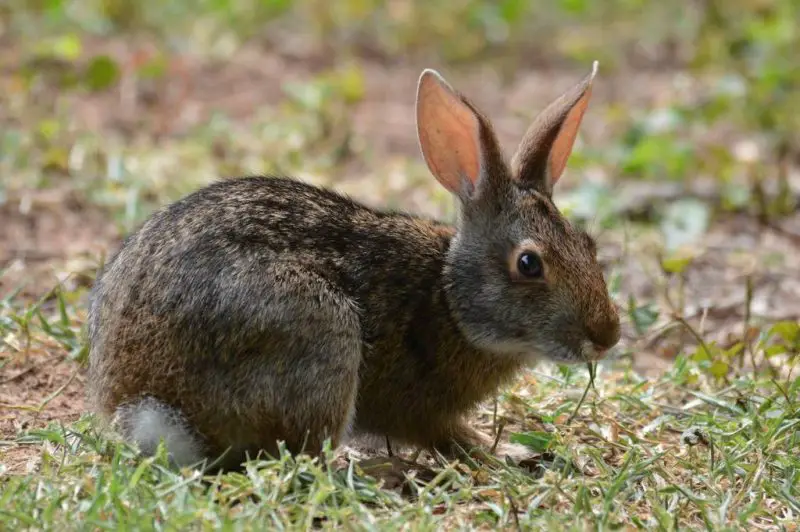
Arkansas’s bayous hold more wildlife mystery than most people realize, and one of the most unexpected creatures hiding in the shadows is the swamp rabbit. These rabbits thrive in the marshes, flooded forests, and bottomland wetlands where water and vegetation form an endlessly shifting world. Unlike their upland relatives, swamp rabbits move with ease through mud, tangled brush, and even deep pools. Their presence in Arkansas is a testament to how adaptable and intelligent wetland mammals can be.
Most people associate rabbits with open fields and grassy meadows, but swamp rabbits challenge that image. Their strength, resilience, and survival skills make them one of the most remarkable small mammals in the bayou. Researchers studying Arkansas wetlands have found that swamp rabbits respond to seasonal floods, dense vegetation, and predator pressure with strategies unlike any other rabbit species in North America.
This guide explores 14 surprising secrets about swamp rabbits living in Arkansas bayous. Each one reveals a new layer of their hidden lives, showing how deeply connected they are to the wetlands that shape every part of their behavior and survival.
Table of Contents
- 1 Hidden Behaviors That Define Arkansas’s Swamp Rabbits
- 1.1 1. They Are Powerful Swimmers Built for Flooded Wetlands
- 1.2 2. Their Camouflage Changes With the Season
- 1.3 3. They Leave Evidence Through “Latrine Sites”
- 1.4 4. They Outgrow Most Other North American Rabbits
- 1.5 5. They Prefer Wetlands Over Meadows or Fields
- 1.6 6. Their Diet Changes Dramatically With Water Levels
- 1.7 7. They Construct Tunnels Through Dense Vegetation
- 1.8 8. They Can Climb Low Logs to Escape Predators
- 1.9 9. They Create Nests in Raised Areas Above Flood Zones
- 1.10 10. They Use Water as Their Primary Escape Route
- 1.11 11. They Can Leap Over Water Channels With Surprising Power
- 1.12 12. They Communicate Through Subtle Foot Thumps and Body Signals
- 1.13 13. They Leave Distinctive Feeding Signs Along Bayou Banks
- 1.14 14. They Change Their Activity Patterns During Flood Events
- 2 FAQs About Swamp Rabbits in Arkansas Bayous
- 2.1 Are swamp rabbits common in Arkansas?
- 2.2 How big do swamp rabbits get?
- 2.3 Do swamp rabbits really swim?
- 2.4 What do swamp rabbits eat?
- 2.5 Where can you find swamp rabbits in Arkansas?
- 2.6 Are swamp rabbits aggressive?
- 2.7 Do they live alone or in groups?
- 2.8 Why are swamp rabbits important to wetlands?
- 3 Conclusion
Hidden Behaviors That Define Arkansas’s Swamp Rabbits

1. They Are Powerful Swimmers Built for Flooded Wetlands
Swamp rabbits gain an evolutionary advantage from their ability to swim long distances. Many people are surprised to see a rabbit diving into murky water with confidence, but this species is one of the best swimmers among North American mammals of its size. Their dense hind legs help propel them through bayous while their streamlined bodies allow them to glide smoothly.
In Arkansas, seasonal flooding forces wildlife to adapt. Swamp rabbits use water routes to escape predators, travel between feeding areas, and even hide underwater near submerged logs. They hold their breath long enough to evade danger, an ability that protects them from coyotes and bobcats that hesitate to enter deep water.
Swimming also helps them access patches of vegetation unreachable by other rabbits. These wetland corridors give them access to safer nesting sites, allowing them to raise young away from the reach of terrestrial predators.
2. Their Camouflage Changes With the Season
Swamp rabbits blend into their environment in remarkable ways. Their fur ranges from chocolate-brown to rusty gray, depending on the habitat and time of year. Arkansas wetlands experience dramatic seasonal shifts, and the rabbits’ pelage mirrors these changes by matching the tones of damp leaves, forest floors, and winter brush.
This camouflage works especially well in the dim light beneath cypress trees or along muddy bayou banks. Predators like hawks and owls have difficulty spotting them when they crouch motionless. In winter, lighter patches help them merge with dormant vegetation and leafless understory.
The subtlety of their coloration helps them survive in places where visibility is low but predator activity is high. Every secretive movement is aided by fur that blends rather than contrasts with their surroundings.
3. They Leave Evidence Through “Latrine Sites”
Swamp rabbits use latrine sites—specific locations where they repeatedly deposit pellets. These spots occur along logs, grassy mats, and raised banks above flood zones. Researchers studying Arkansas bayous often locate swamp rabbits by identifying these latrine piles before seeing the animals themselves.
The purpose behind this behavior lies in communication. Rabbits leave scent cues that inform other swamp rabbits of territory boundaries, breeding presence, and travel paths. The latrine sites become social markers that influence population spacing in dense wetlands.
In areas with fluctuating water levels, these latrine mounds remain above floodwaters, ensuring that the scent persists longer. For scientists and wildlife managers, these piles provide a nonintrusive way to estimate population density in Arkansas’s wettest habitats.
4. They Outgrow Most Other North American Rabbits
Swamp rabbits are among the largest cottontails in the United States. Their bodies often exceed six pounds, and exceptionally large individuals approach seven. Their size is not just an adaptation for warmth—it contributes to power, mobility, and survival in unstable terrain.
Larger mass helps swamp rabbits push through tall grasses, thick reeds, and heavy underbrush where smaller species struggle. It also aids swimming by giving them stronger propulsion in watery habitats. This size advantage is clear in Arkansas bayous, where food sources remain abundant for much of the year.
Their robust frames also deter predators. Bobcats may hesitate to pursue full-grown swamp rabbits into dense, flooded areas where the rabbit’s size and strength give it unexpected leverage.
5. They Prefer Wetlands Over Meadows or Fields
Swamp rabbits differ from Eastern cottontails by choosing soggy ground and dense aquatic vegetation. They occupy bottomland hardwood forests, oxbow lakes, sloughs, and cypress-tupelo swamps. Arkansas’s rich wetland systems offer abundant grasses, sedges, and tender shoots that swamp rabbits prefer.
Upland habitats provide poor cover for them. Open fields expose them to aerial predators, while dry forests lack the thick understory they rely on for escape routes. The bayou, however, surrounds them with shelter. Every twist of vegetation or fallen log becomes part of their defensive network.
Their distribution often indicates healthy wetlands. Where swamp rabbits thrive, water levels fluctuate seasonally, plant communities remain diverse, and predators follow naturally balanced cycles.
6. Their Diet Changes Dramatically With Water Levels
Swamp rabbits eat a wide array of vegetation, but their preferences shift with the waterline. When floods rise, they turn to bark, twigs, and higher plants above the water. When the waters recede, they eat tender grasses, sedges, shrubs, and wetland herbs.
Seasonal diets in Arkansas reveal how flexible they are. In winter, they browse woody stems, as soft vegetation becomes limited. In spring and early summer, they graze lush green patches before plants mature. During droughts, they dig for roots and tubers hidden beneath damp soil.
This ability to shift diets allows them to survive years when rainfall patterns create unpredictable wetland cycles.
7. They Construct Tunnels Through Dense Vegetation
Swamp rabbits carve invisible highways through the thick vegetation of Arkansas wetlands. These runways form when rabbits repeatedly travel along the same paths, pressing down grasses and reeds into narrow tunnels.
These tunnels serve several purposes. They provide sheltered travel routes that hide rabbits from predators. They allow fast escape when danger approaches, as rabbits dart through familiar paths at high speeds. And they organize their movement patterns, connecting feeding sites, resting spots, and nesting areas.
In bayous with particularly dense growth, these tunnels weave intricate patterns that tell a detailed story of swamp rabbit behavior, population structure, and habitat use.
8. They Can Climb Low Logs to Escape Predators
Although not true climbers, swamp rabbits sometimes leap onto low logs to gain height above standing water. This behavior appears most often when water levels rise quickly after storms. The rabbits balance skillfully on logs to avoid underwater predators such as cottonmouths.
They also use logs as lookout points. By standing on elevated wood, they enhance visibility in vertical spaces where vegetation otherwise blocks their view. Arkansas bayous, with their fallen trunks and tangled driftwood, offer plenty of opportunities for these moments of strategic elevation.
This small but important behavior gives swamp rabbits an edge in environments where threat detection is essential.
9. They Create Nests in Raised Areas Above Flood Zones
Swamp rabbits build nests called forms on elevated patches of dry ground. These areas include mounds, levees, uprooted tree bases, and hummocks scattered throughout the wetlands. They line the nest with fur and grasses, creating warm chambers for newborn rabbits.
In Arkansas bayous, nests must survive fluctuating water levels. Rabbits choose spots high enough to remain dry even during moderate floods. These raised areas allow mothers to nurse their young safely while still staying close to food sources nearby.
The hidden nature of these forms ensures protection from predators that roam the forest floor. Their careful placement reflects generations of adaptation to living in landscapes shaped by water.
10. They Use Water as Their Primary Escape Route
Water is not a barrier for swamp rabbits. It is their refuge. When chased, they dive, paddle, and disappear beneath vegetation mats. Predators that rely on land-based pursuit often lose them within seconds. Their ability to slip into water and vanish makes them one of the most evasive mammals in the bayou.
Studies in Arkansas show that swamp rabbits choose home ranges with multiple water access points. These act like emergency exits, giving them instant escape options in all seasons. Their knowledge of each pool, log, and submerged pathway enhances their survival.
Even in freezing winter, they use water strategically, relying on patches that remain unfrozen due to moving currents or thermal differences.
11. They Can Leap Over Water Channels With Surprising Power
Swamp rabbits live in environments filled with mud, deep ditches, and bayou channels, which forces them to develop strong hind legs that launch them across gaps effortlessly. Their jumping ability allows them to escape predators that struggle to pursue them across unstable terrain.
When alarmed, they push off the ground with a sudden burst of power, clearing waterlogged areas faster than most mammals of their size. This leap often surprises predators that expect them to behave like ordinary cottontails. In the tight, flooded corridors of Arkansas bayous, this agility becomes one of their strongest defenses.
The combination of muscle strength, lightweight bodies, and instinctive timing makes their jumps both efficient and essential. Each leap gives them precious seconds to reach denser cover, where they can vanish among cattails, buttonbush, and tangled roots.
12. They Communicate Through Subtle Foot Thumps and Body Signals
Although swamp rabbits remain quiet most of the time, they use foot thumps to alert nearby rabbits of danger. These thumps travel through the ground more effectively than sound through the dense vegetation of the bayou. The vibrations warn other rabbits long before a predator can approach closely.
In addition to thumping, swamp rabbits shift their posture, raise their ears, and freeze in place to signal unease. These body cues help neighboring rabbits understand what kind of threat may be present. Their sensitivity to subtle sounds and movements makes this communication system highly efficient.
These signals become especially important at night or during fogbound mornings when visibility is low. Communicating through vibrations allows them to maintain group awareness without revealing their location to predators.
13. They Leave Distinctive Feeding Signs Along Bayou Banks
Swamp rabbits create recognizable feeding marks that differ from other southern mammals. They clip grasses and sedges with clean, angled bites, leaving narrow feeding paths that appear repeatedly along water edges. These clipped plants can help naturalists identify active rabbit areas even when the animals stay out of sight.
Their feeding activity increases after rains, when new plant growth becomes tender and full of nutrients. Because swamp rabbits prefer young shoots, their grazing patterns shift with seasonal water levels. This creates visible patterns across the marsh that reflect their food choices.
These signs also tell an ecological story. Where swamp rabbit feeding occurs consistently, plant communities often respond with thicker regrowth, subtly shaping plant composition along the edges of Arkansas wetlands.
14. They Change Their Activity Patterns During Flood Events
Swamp rabbits respond to rising water levels by shifting their movement times. During seasonal floods, they may become more active during daylight hours when higher ground is easier to access. Floodwaters push them toward drier ridges, fallen logs, and elevated patches of vegetation where visibility increases.
These changes also alter their escape strategies. Instead of relying on deep water, they move toward complex root systems or dense brush that protects them from predators. Their flexible schedules show how finely tuned they are to the bayou’s seasonal rhythm.
When floods recede, swamp rabbits return to their normal crepuscular habits, using early morning and late afternoon foraging times to avoid heat and predators. This adaptability helps them survive in landscapes where water levels change dramatically from week to week.
FAQs About Swamp Rabbits in Arkansas Bayous
Are swamp rabbits common in Arkansas?
Yes. Arkansas contains some of the best swamp rabbit habitats in the southern United States. They are especially common in dense bayous, bottomlands, and river corridors.
How big do swamp rabbits get?
They grow larger than most cottontails, often reaching six pounds or more. Their robust size provides advantages in aquatic habitats.
Do swamp rabbits really swim?
Absolutely. Swamp rabbits are strong swimmers and rely on water escape routes to avoid predators.
What do swamp rabbits eat?
Their diet includes grasses, sedges, herbs, bark, woody stems, and seasonal vegetation influenced by water levels.
Where can you find swamp rabbits in Arkansas?
Wetland parks, bayous, wildlife refuges, and bottomland hardwood forests are prime locations. They stay near water.
Are swamp rabbits aggressive?
They avoid conflict whenever possible. Their primary defense is escape, not aggression.
Do they live alone or in groups?
They are mostly solitary but may share overlapping home ranges. Males and females interact during breeding seasons.
Why are swamp rabbits important to wetlands?
They shape vegetation patterns, influence predator-prey relationships, and serve as ecological indicators for wetland health.
Conclusion
Swamp rabbits embody the spirit of Arkansas’s bayous—resilient, adaptive, and deeply connected to water. Their strength as swimmers, their camouflage, their hidden travel routes, and their seasonal survival strategies show just how complex a rabbit species can be. They thrive in wetlands that change shape each year, using rising floods and thick vegetation as allies.
Understanding their secrets helps highlight the importance of conserving Arkansas’s remaining bayous. Every swamp rabbit that glides through the water or hides among cypress roots reflects an ecosystem still functioning as nature intended.