
Squirrels are one of the most familiar animals in Pennsylvania, yet they are also among the most misunderstood. They appear in backyards, race along fences, leap between branches, and dig through lawns with an energy that feels constant and chaotic. To many residents, they seem like simple creatures driven by instinct and habit. But what most Pennsylvania residents do not realize is that squirrel behavior is highly structured, deeply seasonal, and shaped by memory, strategy, and environmental awareness.
These animals are not just reacting to what is in front of them. They are planning ahead, remembering locations, and adjusting their behavior based on changing conditions. A squirrel crossing your yard is rarely just passing through. It is often following a route it has used before, heading toward a known food source, or checking on stored supplies.
Once you begin to understand how squirrels operate, their actions become easier to interpret. The digging, the running, the sudden stops and quick glances—each of these behaviors serves a purpose. What looks like restless movement is actually part of a carefully balanced routine that unfolds every day across Pennsylvania yards.
Table of Contents
- 1 Why Squirrels Are So Common in Pennsylvania Neighborhoods
- 2 The Daily Routine Most People Never Notice
- 3 Why Squirrels Dig in Lawns and Gardens
- 4 The Memory Skills That Drive Their Behavior
- 5 Why Squirrels Seem to Chase Each Other
- 6 How Squirrels Use Trees and Structures in Your Yard
- 7 Seasonal Changes in Squirrel Behavior
- 8 Why Squirrels Sometimes Seem Fearless Around People
- 9 The Role of Food Sources in Shaping Their Movement
- 10 Common Misunderstandings About Squirrels
- 11 The Ecological Role of Squirrels in Pennsylvania
- 12 FAQs About Squirrels in Pennsylvania Yards
- 12.1 Why do squirrels dig so many holes?
- 12.2 Do squirrels remember where they hide food?
- 12.3 Why do squirrels chase each other?
- 12.4 Are squirrels active all year?
- 12.5 Do squirrels damage property?
- 12.6 How can I reduce squirrel activity in my yard?
- 12.7 Why are squirrels active in the morning and evening?
- 12.8 Do squirrels help the environment?
- 13 Final Thoughts
Why Squirrels Are So Common in Pennsylvania Neighborhoods
Pennsylvania provides an ideal environment for squirrels due to its mix of forests, suburban landscapes, and abundant food sources. This combination supports large and stable populations throughout the state.
One of the main reasons squirrels thrive here is the availability of trees. Oaks, maples, and other hardwood species produce nuts and seeds that form a major part of their diet. These trees are common not only in forests but also in residential areas, creating a continuous network of resources.
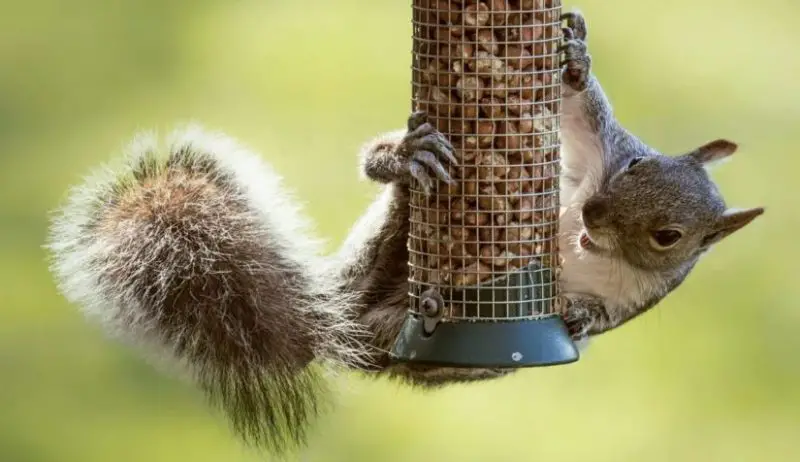
Suburban development has also benefited squirrels. Yards with bird feeders, gardens, and ornamental plants provide additional food sources. Human activity often increases the availability of easily accessible nutrition, allowing squirrels to expand beyond natural habitats.
Climate plays a role as well. Pennsylvania’s seasonal variation encourages behaviors such as food storage and nest building, but it does not create conditions severe enough to eliminate populations. Instead, squirrels adapt, maintaining a year-round presence.
The Daily Routine Most People Never Notice
To many observers, squirrels appear unpredictable. They dash across lawns, climb trees, and pause suddenly as if unsure of their next move. In reality, their daily routine follows a consistent pattern.
Morning is one of the most active periods. Squirrels leave their nests and begin foraging, searching for food while temperatures are still moderate. This is when digging behavior is most noticeable, as they bury or retrieve stored items.
Midday often brings a slowdown. Squirrels rest in shaded areas or return to nests, conserving energy during warmer or colder conditions. This quieter period can make them seem less present.
Late afternoon marks a second wave of activity. Foraging resumes, and squirrels prepare for the evening by securing food and returning to safe resting spots. As night approaches, they settle into nests, remaining inactive until morning.
This routine repeats daily, creating a rhythm that becomes clear with observation.
Why Squirrels Dig in Lawns and Gardens
One of the most common frustrations for Pennsylvania residents is the sight of small holes scattered across lawns and gardens. This digging behavior often feels destructive, but it serves a specific purpose.
Squirrels bury food as part of a strategy known as caching. They store nuts and seeds in multiple locations, creating a network of hidden reserves. This behavior ensures that they have access to food during periods when resources are scarce.
Each buried item is not placed carelessly. Squirrels choose locations based on soil conditions, cover, and accessibility. They often spread their caches across a wide area to reduce the risk of losing everything to a single threat.
Not all buried food is recovered. Some seeds are forgotten, which contributes to plant growth. In this way, squirrels play a role in shaping vegetation patterns, even as they dig through human-maintained spaces.
The Memory Skills That Drive Their Behavior
Squirrels rely heavily on memory, and this ability is one of the most important aspects of their survival. They remember the locations of buried food, safe routes, and areas where they have encountered danger.
This memory is not perfect, but it is highly effective. Squirrels use a combination of spatial awareness and environmental cues to locate their caches. Landmarks such as trees, rocks, and structures help guide them back to stored food.
They also observe each other. Squirrels may watch where others bury food and attempt to retrieve it later. This creates a dynamic system where memory and observation interact.
Their ability to remember and adapt allows them to navigate complex environments, including residential areas where conditions change frequently.
Why Squirrels Seem to Chase Each Other
Chasing behavior is another aspect of squirrel activity that often draws attention. Two or more squirrels may race across yards and trees in what appears to be playful or aggressive interaction.
In many cases, this behavior is related to territory. Squirrels establish and defend areas where they forage and store food. Chasing can be a way of asserting dominance or driving others away from valuable resources.
During breeding seasons, chasing takes on a different meaning. Males pursue females in fast, looping patterns that can last several minutes. This behavior is part of courtship and competition.
Young squirrels also engage in chasing as a form of practice. These interactions help develop the skills needed for survival, including speed, agility, and awareness.
How Squirrels Use Trees and Structures in Your Yard
Trees are central to squirrel life. They provide food, shelter, and pathways for movement. In Pennsylvania yards, trees act as both resources and highways, allowing squirrels to travel without touching the ground.
Nests, often called dreys, are built in branches or tree cavities. These structures provide protection from weather and predators. Squirrels may maintain multiple nests within their territory, switching between them as needed.
Human structures also play a role. Rooflines, fences, and sheds can become extensions of their environment. Squirrels use these surfaces to move efficiently and access different parts of a yard.
This combination of natural and human-made features creates a layered habitat that supports their daily activities.
Seasonal Changes in Squirrel Behavior
Squirrel behavior in Pennsylvania shifts significantly throughout the year, reflecting changes in food availability and environmental conditions.
Spring is a period of renewal. Squirrels become more active, searching for food and raising young. Nesting activity increases, and movement becomes more focused around specific areas.
Summer continues this pattern, with abundant food supporting growth and development. Young squirrels begin to explore, learning essential skills.
Autumn is the most active season for caching. Squirrels gather and store large quantities of food, preparing for winter. This is when digging behavior becomes most noticeable.
Winter brings a change in pace. Squirrels remain active but reduce movement during extreme conditions. They rely on stored food and shelter, conserving energy while maintaining access to resources.
Why Squirrels Sometimes Seem Fearless Around People
In many Pennsylvania neighborhoods, squirrels appear comfortable around humans, sometimes approaching closely or continuing their activities without hesitation.
This behavior is the result of adaptation. Squirrels learn to recognize patterns of human activity and distinguish between threats and non-threatening presence. Over time, they become accustomed to predictable environments.
This does not mean they are tame. They remain alert and responsive to sudden movements or unfamiliar situations. Their apparent confidence is based on experience rather than lack of awareness.
Understanding this behavior helps explain why squirrels can seem both cautious and bold at the same time.
The Role of Food Sources in Shaping Their Movement
Food availability is one of the most important factors influencing squirrel behavior. It determines where they go, how long they stay, and how they interact with their environment.
Natural sources such as nuts, seeds, and fruits form the foundation of their diet. These resources vary by season, creating shifting patterns of movement.
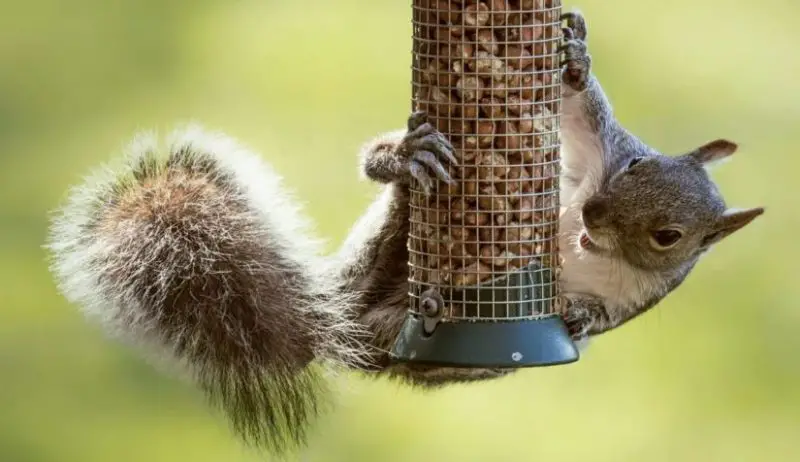
Human-provided food adds another layer. Bird feeders, gardens, and outdoor waste create additional opportunities. Squirrels quickly learn to identify these sources and incorporate them into their routines.
This combination of natural and artificial food sources creates a dynamic system that shapes their daily and seasonal behavior.
Common Misunderstandings About Squirrels
Squirrels are often seen as destructive or troublesome, but many of these perceptions are based on misunderstandings.
Digging is frequently viewed as damage, but it is part of a survival strategy that also contributes to plant growth. Their role in seed dispersal supports the development of new vegetation.
Their presence at feeders is sometimes seen as interference, but it reflects their adaptability and resourcefulness. They are responding to available food in the same way other animals do.
Perceptions of aggression are also often exaggerated. Most squirrel behavior is defensive or territorial rather than intentionally harmful.
Recognizing these points provides a more balanced view of their role in residential environments.
The Ecological Role of Squirrels in Pennsylvania
Squirrels play an important role in Pennsylvania’s ecosystems. Their caching behavior contributes to forest regeneration by spreading seeds across large areas.
They also serve as prey for various predators, linking them to broader food webs. This connection supports ecological balance and biodiversity.
Their interactions with plants, animals, and the environment create a network of relationships that extends beyond individual yards. Understanding this role highlights their importance within the ecosystem.
FAQs About Squirrels in Pennsylvania Yards
Why do squirrels dig so many holes?
They are burying food as part of their caching strategy, which helps them survive periods of scarcity.
Do squirrels remember where they hide food?
Yes, they use memory and environmental cues to locate stored items.
Why do squirrels chase each other?
Chasing can be related to territory, breeding behavior, or practice among young squirrels.
Are squirrels active all year?
Yes, they remain active throughout the year, though their behavior changes with the seasons.
Do squirrels damage property?
They can cause minor damage, but most of their behavior is related to foraging and nesting.
How can I reduce squirrel activity in my yard?
Limiting accessible food sources and maintaining structures can reduce their presence.
Why are squirrels active in the morning and evening?
These times provide favorable conditions for foraging and movement.
Do squirrels help the environment?
Yes, they contribute to seed dispersal and support ecological balance.
Final Thoughts
Squirrels are a constant presence in Pennsylvania, yet their behavior is often misunderstood. What appears to be simple activity is actually part of a structured system shaped by memory, environment, and survival.
By observing these animals more closely, residents can gain a deeper understanding of the natural processes unfolding in their own yards. Each movement, each buried seed, and each chase reflects a pattern that connects squirrels to the broader ecosystem.
Squirrels are not just background wildlife. They are active participants in the environment, shaping and responding to the world around them in ways that are both complex and fascinating.