
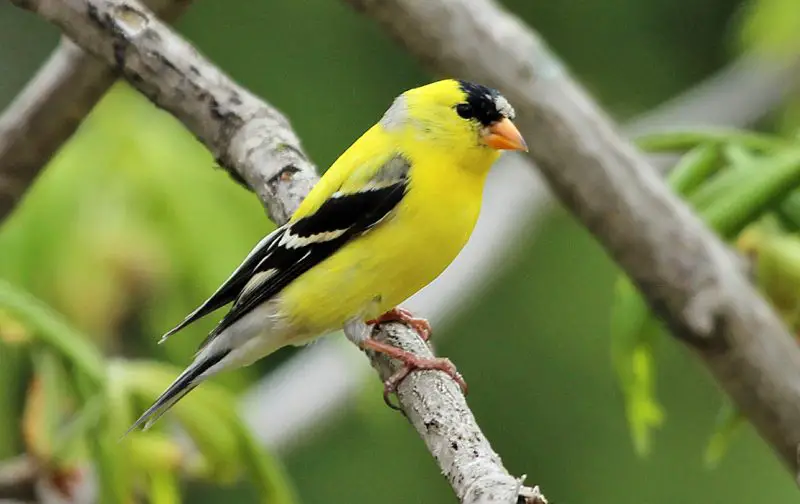
Finches are one of the most familiar yet quietly overlooked birds in Ohio neighborhoods. They appear at feeders, flit through shrubs, and fill the air with soft, musical calls that many people barely notice anymore. To most residents, they are simply part of the background—small, harmless, and predictable. But what often goes unnoticed is how structured their behavior really is, how deeply they are tied to seasonal change, and how much their presence reflects the subtle balance of backyard ecosystems.
Across Ohio, finches have adapted to a wide range of environments, from dense suburbs to rural edges and urban green spaces. They are not just surviving in these areas; they are thriving. Their ability to adjust to human-altered landscapes makes them one of the most consistent bird species people encounter. Yet that consistency can be misleading. It creates the impression that finches behave in simple, repetitive ways, when in reality their movements, feeding habits, and social interactions are constantly shifting.
Understanding finches means paying attention to patterns that are easy to miss. Once you begin to notice when they arrive, how they move, and why they gather, their presence becomes much more meaningful. What seems like casual activity is actually part of a daily and seasonal system that unfolds right outside Ohio homes.
Table of Contents
- 1 Why Finches Are So Common in Ohio Neighborhoods
- 2 The Daily Routine Most People Never Notice
- 3 The Finch Species You’re Most Likely to See in Ohio
- 4 How Finches Use Your Yard as a Resource
- 5 Why Finches Suddenly Appear in Large Numbers
- 6 The Seasonal Changes That Shape Finch Behavior
- 7 Why Finches Sometimes Seem to Disappear
- 8 The Role Finches Play in Ohio Ecosystems
- 9 Common Mistakes People Make When Feeding Finches
- 10 Subtle Signs Finches Are Nesting Nearby
- 11 FAQs About Finches Around Ohio Homes
- 11.1 Why do finches return to the same yard?
- 11.2 Are finches beneficial to have around?
- 11.3 Do finches migrate in Ohio?
- 11.4 What is the best food for finches?
- 11.5 Why do finches travel in groups?
- 11.6 How can I attract more finches?
- 11.7 Do finches recognize feeders?
- 11.8 Why are finches more active at certain times?
- 12 Final Thoughts
Why Finches Are So Common in Ohio Neighborhoods
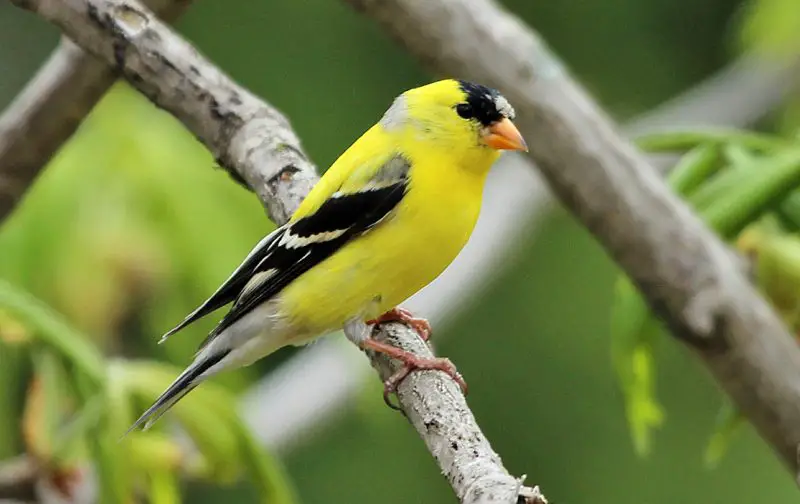
Ohio provides an ideal environment for finches because of its diverse mix of habitats. Forest edges, open fields, suburban yards, and urban green spaces all offer the combination of food, shelter, and nesting sites these birds need.
One of the main reasons finches are so widespread is their adaptability. Unlike species that depend on very specific habitats, finches can use a variety of environments. They take advantage of backyard feeders, ornamental plants, and even roadside vegetation. This flexibility allows them to maintain stable populations across the state.
Food availability is another key factor. Ohio yards often contain seed-producing plants such as sunflowers, grasses, and weeds. Even areas that appear carefully maintained still support small patches of growth that provide nutrition. When feeders are added into the mix, food becomes even more reliable.
Climate also plays a role. Ohio’s seasonal variation creates a dynamic environment, but finches are well equipped to adjust. Some species remain year-round, while others shift their locations within the region depending on conditions. This movement keeps their presence steady, even as individual birds come and go.
The Daily Routine Most People Never Notice
To the casual observer, finches seem to move quickly and unpredictably. They dart between branches, land briefly at feeders, and disappear into foliage. In reality, their behavior follows a consistent daily rhythm.
Morning is the most active time. As soon as light spreads across the landscape, finches begin feeding. This early activity helps them replenish energy after the night and take advantage of cooler temperatures. Their calls are more frequent during this period, creating a noticeable burst of sound.
Midday brings a shift. Activity slows as temperatures rise or as birds conserve energy. Finches often retreat into shaded areas, resting or preening. This quieter period can make them seem absent, even though they are still nearby.
Late afternoon marks a return to feeding. Finches become active again, gathering in small groups and revisiting reliable food sources. As evening approaches, they move toward roosting sites, often returning to the same sheltered areas.
This pattern repeats daily, creating a rhythm that becomes easier to recognize with observation.
The Finch Species You’re Most Likely to See in Ohio
Several finch species are commonly found around Ohio homes, each with its own characteristics and behaviors that influence how it interacts with backyard environments.
House Finch
House finches are among the most familiar. Males display red coloring on the head and chest, while females are streaked brown. These birds are highly adaptable and frequently nest near human structures.
They are social and often form small groups, especially around feeders. Their varied songs and frequent presence make them one of the most recognizable backyard birds.
American Goldfinch
American goldfinches are known for their bright yellow plumage during the breeding season. In winter, their coloration becomes more subdued, which can make them less noticeable.
These finches are closely tied to seed-producing plants, particularly thistles. They have a distinctive, undulating flight pattern and soft calls that add to their charm.
Purple Finch
Purple finches are less common but still present in parts of Ohio. They resemble house finches but have a richer, more uniform coloration.
They tend to favor wooded areas and may be less frequent visitors to urban feeders. Their songs are more complex, and they often remain slightly more cautious around human activity.
Pine Siskin
Pine siskins are irregular visitors, appearing in some years in large numbers. They are small, streaked birds with a more subtle appearance.
These finches are highly social and often travel in flocks. When they arrive, they can quickly dominate feeders, creating a noticeable surge in activity.
How Finches Use Your Yard as a Resource
To a finch, a yard is not just a place to visit. It is a network of resources that supports daily survival. Every element, from plants to structures, contributes to how these birds interact with the space.
Seed sources are the most important. Natural vegetation provides a steady supply of food, while feeders offer concentrated nutrition. Finches are particularly skilled at extracting seeds from small plants, allowing them to use resources that other birds ignore.
Water is equally important. Birdbaths, puddles, and even small water features provide hydration and opportunities for bathing. Maintaining feather condition is essential for insulation and flight.
Shelter plays a crucial role. Dense shrubs and trees offer protection from predators and weather. Finches prefer areas where they can move quickly between feeding and cover, reducing exposure.
Human structures also contribute. Hanging plants, ledges, and outdoor fixtures can serve as nesting sites, especially for adaptable species like house finches.
Why Finches Suddenly Appear in Large Numbers
Many Ohio residents experience moments when finches seem to appear all at once. This sudden increase is not accidental. It is tied to changes in food availability and seasonal movement.
When a new food source becomes available, such as a freshly filled feeder or blooming plants, finches quickly gather. Their communication allows them to share information, leading to rapid increases in numbers.
Seasonal changes also influence movement. During certain times of year, finches travel in flocks, exploring new areas in search of food. This can bring large groups into a yard that previously had only a few birds.
Juvenile dispersal adds another layer. After breeding season, young birds spread out, increasing the overall population in residential areas.
The Seasonal Changes That Shape Finch Behavior
Finch behavior shifts throughout the year, reflecting changes in environment and biological needs.
Spring is a time of activity and song. Males establish territories, and pairs begin nesting. Movement becomes more focused around specific areas.
Summer centers on raising young. Adults make frequent trips to gather food, and fledglings begin to explore their surroundings. Activity remains high but becomes more purposeful.
Autumn brings a shift toward social behavior. Finches form flocks and move more widely, searching for food sources. This is when larger groups are often seen.
Winter emphasizes survival. Finches rely on consistent food sources and may gather at feeders more frequently. Their behavior becomes more deliberate, conserving energy while maintaining access to nutrition.
Why Finches Sometimes Seem to Disappear
There are periods when finches seem to vanish from a yard, leading to the impression that they have left entirely. In most cases, they are still nearby but less visible.
Changes in food availability can influence movement. If natural sources increase, finches may rely less on feeders, spending more time in surrounding areas.
Seasonal behavior also plays a role. During molting or nesting periods, birds may become less active or more concealed.
Weather conditions can affect visibility as well. Extreme heat, cold, or wind may cause finches to seek shelter, reducing their presence in open areas.
The Role Finches Play in Ohio Ecosystems
Finches contribute to ecological balance in ways that are often overlooked. As seed eaters, they help control plant populations and support the spread of vegetation.
Their feeding habits can influence which plants thrive in certain areas. By consuming seeds, they limit overgrowth and contribute to diversity.
They also serve as prey for larger animals, linking them to broader food webs. This connection highlights their role within the ecosystem.
Their presence often indicates a healthy environment with adequate resources. Stable finch populations reflect a balance between food, shelter, and water.
Common Mistakes People Make When Feeding Finches
Feeding finches can be rewarding, but certain mistakes can reduce effectiveness or create problems.
Using inappropriate seed types is one issue. Finches prefer small seeds, and offering larger options may lead to waste.
Neglecting feeder maintenance can spread disease. Regular cleaning is essential to maintain a safe environment.
Overcrowding feeders can create stress and competition. Providing multiple feeding points helps distribute activity.
Relying solely on feeders without supporting natural vegetation limits long-term sustainability. A balanced approach is more effective.
Subtle Signs Finches Are Nesting Nearby
Finch nests are often hidden, making them easy to overlook. However, certain signs can indicate their presence.
Repeated movement to a specific location is one clue. Birds carrying materials or food are likely tending a nest.
Soft chirping from dense vegetation may signal nestlings. These sounds are often faint but noticeable in quiet moments.
Increased alertness or cautious behavior can also indicate nesting. Finches may become more aware of their surroundings when protecting young.
FAQs About Finches Around Ohio Homes
Why do finches return to the same yard?
They return to reliable sources of food, water, and shelter, incorporating these locations into their routines.
Are finches beneficial to have around?
Yes, they help control plant growth and contribute to ecological balance.
Do finches migrate in Ohio?
Some remain year-round, while others move seasonally depending on conditions.
What is the best food for finches?
Small seeds such as sunflower or nyjer are preferred.
Why do finches travel in groups?
Group behavior increases safety and improves efficiency in finding food.
How can I attract more finches?
Providing food, water, and dense vegetation increases their presence.
Do finches recognize feeders?
Yes, they quickly learn and remember reliable food sources.
Why are finches more active at certain times?
Their activity follows daily and seasonal patterns tied to energy needs and environmental conditions.
Final Thoughts
Finches are a constant presence in Ohio, yet their behavior often goes unnoticed. What appears to be simple, everyday activity is actually part of a structured system shaped by environment, season, and survival.
By paying closer attention, residents can gain a deeper understanding of these small but remarkable birds. Each visit, each call, and each movement reflects a pattern that connects them to the larger ecosystem.
Finches are not just background wildlife. They are active participants in the natural rhythms that unfold around Ohio homes every day.