
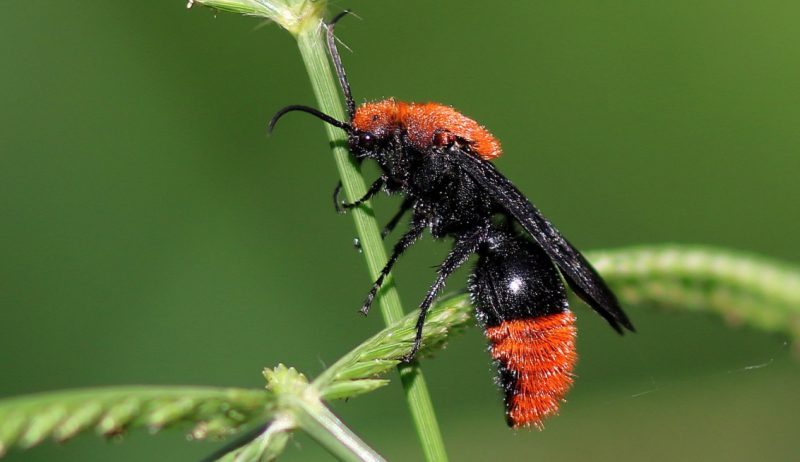
In Florida, velvet ants are one of the most misunderstood insects people encounter in yards, gardens, and sandy landscapes. Their bright coloration, quick movements, and ant-like appearance often lead to confusion. Many residents assume they are simply unusual ants or harmless ground insects. In reality, velvet ants are neither typical ants nor harmless in the way people expect. They are wingless female wasps with one of the most painful stings found in North America.
What makes velvet ant encounters so striking is not just the intensity of the sting, but how unexpected it feels. These insects do not swarm, they do not chase, and they rarely interact with humans unless disturbed. Yet when contact happens, the result is immediate and memorable. This contrast between quiet presence and sudden impact is what gives velvet ants their reputation.
Understanding velvet ants requires looking beyond the moment of the sting. Their behavior, habitat, and life cycle all play a role in how and why encounters occur. Once those patterns are clear, their presence becomes easier to interpret and manage.
Table of Contents
- 1 Why Velvet Ants Are Common in Florida Landscapes
- 2 What Velvet Ants Actually Are
- 3 What Actually Happens During a Velvet Ant Sting
- 4 Why Velvet Ant Stings Feel So Intense
- 5 Where Velvet Ants Are Most Likely to Be Found
- 6 Why Encounters Seem Sudden
- 7 The Life Cycle Most People Never See
- 8 Why Velvet Ants Do Not Behave Like Typical Wasps
- 9 What To Do If You Encounter a Velvet Ant
- 10 What To Do After a Velvet Ant Sting
- 11 Why Velvet Ants Still Matter in Florida Ecosystems
- 12 FAQs About Velvet Ant Stings in Florida
- 13 Final Thoughts
Why Velvet Ants Are Common in Florida Landscapes
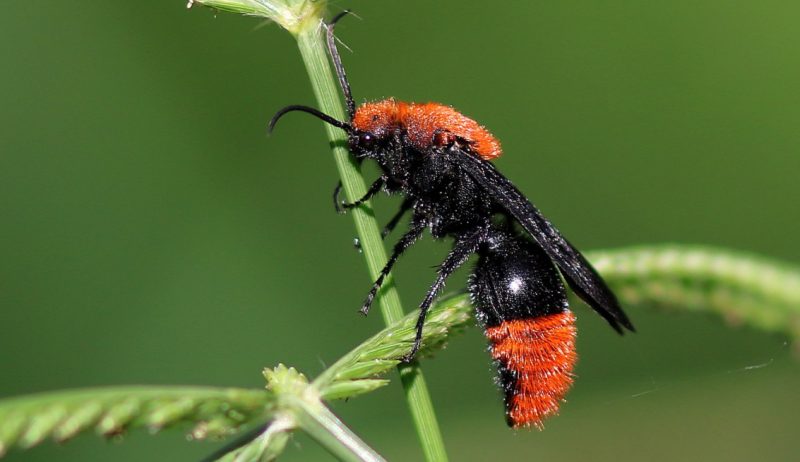
Florida’s climate and terrain provide ideal conditions for velvet ants to thrive. Warm temperatures, sandy soils, and diverse insect populations create an environment where these wasps can complete their life cycle efficiently.
Sandy ground is especially important. Velvet ants prefer loose, dry soil where they can move easily and locate the nests of other insects. This is because their reproduction depends on finding host nests, particularly those of ground-nesting bees and wasps.
Vegetation also plays a role. Open areas with scattered plants provide both food sources and hunting grounds. Flowers attract nectar-feeding adults, while the surrounding soil supports the hosts they depend on.
Human environments contribute as well. Lawns, gardens, and landscaped areas often replicate the conditions found in natural habitats. As a result, velvet ants are not limited to remote locations. They frequently appear in residential spaces where suitable conditions exist.
What Velvet Ants Actually Are
Despite their name, velvet ants are not ants. They belong to a group of wasps known for their dense, velvety hair and vivid coloration. The females are wingless, which is why they resemble ants as they move across the ground.
This appearance is part of a defensive strategy. Their bright colors serve as a warning to potential predators, signaling that they are capable of delivering a powerful sting. This type of coloration is known as aposematic coloring and is common among insects with strong دفاع mechanisms.
Males, in contrast, have wings and are rarely noticed. They do not sting and are generally less visible than females. This difference between sexes adds to the confusion, as most encounters involve only the wingless females.
Understanding their identity as wasps rather than ants helps explain their behavior and the nature of their sting.
What Actually Happens During a Velvet Ant Sting
A velvet ant sting is a defensive action triggered by direct contact or perceived threat. Unlike social insects, velvet ants do not defend a colony. They rely on individual defense mechanisms.
When a sting occurs, the female uses a smooth stinger to inject venom. This venom produces an immediate, intense pain that is often described as sharp and lasting. The sensation can persist longer than many other insect stings.
The body’s response includes localized swelling, redness, and sensitivity. While the pain is significant, most stings do not lead to serious medical complications in healthy individuals.
The intensity of the sting is part of their survival strategy. It discourages predators from attacking and reduces the likelihood of repeated encounters.
Why Velvet Ant Stings Feel So Intense
The pain associated with velvet ant stings is not accidental. It is the result of evolved chemical compounds designed to create a strong deterrent effect.
Their venom interacts with nerve endings in a way that amplifies the sensation of pain. This rapid and intense response ensures that predators learn to avoid them after a single encounter.
The location of the sting can influence perception. Areas with more nerve endings, such as feet or hands, tend to feel more intense. Since velvet ants are ground-dwelling, stings often occur on lower parts of the body.
Individual sensitivity also plays a role. Some people experience more pronounced reactions, while others may find the pain subsides more quickly.
Where Velvet Ants Are Most Likely to Be Found
Velvet ants are most commonly found in open, sandy areas where they can move freely and locate host nests. In Florida, this includes yards, parks, and natural landscapes.
They are often seen walking across bare ground, sidewalks, or driveways. Their movement is deliberate and steady, making them easy to spot if you are looking closely.
Gardens and landscaped areas can also attract them, especially if the soil is loose and supports other insect populations. These environments provide both food and reproductive opportunities.
Because they are solitary, velvet ants are usually encountered individually rather than in groups. This can make their presence feel less threatening, even though their sting is powerful.
Why Encounters Seem Sudden
Many Florida residents describe velvet ant encounters as unexpected. One moment the ground appears clear, and the next, a brightly colored insect is moving nearby.
This perception is influenced by their size and behavior. Velvet ants are small and often blend into their surroundings until they begin to move. Their quick, purposeful movement draws attention only after they are already present.
Their solitary nature also contributes. Without groups or nests to signal their presence, there are few visible indicators that they are nearby.
These factors combine to create the impression of sudden appearance, even though the insects have been part of the environment all along.
The Life Cycle Most People Never See
Velvet ants have a life cycle that is largely hidden from view. Females search for the nests of other insects, where they lay their eggs. The developing larvae then feed on the host’s resources.
This parasitic relationship allows velvet ants to reproduce without building their own nests. It also means their activity is closely tied to the presence of other ground-nesting insects.
Adults feed on nectar, contributing to pollination as they move between flowers. This dual role connects them to both predatory and pollination processes within the ecosystem.
Because much of their life cycle occurs underground or within host nests, it remains largely invisible to casual observers.
Why Velvet Ants Do Not Behave Like Typical Wasps
Unlike social wasps, velvet ants do not build large nests or form colonies. They operate independently, which influences how they interact with their environment.
This solitary behavior means they are less likely to be encountered in large numbers. It also reduces the likelihood of repeated stings in a single location.
Their focus is on survival and reproduction rather than colony defense. As a result, they are generally non-aggressive unless directly handled or threatened.
Understanding this distinction helps explain why velvet ant encounters are rare but memorable.
What To Do If You Encounter a Velvet Ant
When encountering a velvet ant, the best approach is to observe from a distance. They do not seek out human interaction and will continue on their path if left undisturbed.
Avoid attempting to handle or move the insect. Direct contact is the most common cause of stings. Wearing footwear in areas where they are present reduces the risk of accidental contact.
Awareness of surroundings is important. Watching where you step or place your hands can prevent encounters from becoming painful experiences.
Simple precautions are usually enough to avoid problems, as velvet ants do not pursue or attack without reason.
What To Do After a Velvet Ant Sting
If a sting occurs, the immediate priority is managing pain and preventing complications. Cleaning the area with soap and water helps reduce the risk of infection.
Applying a cold compress can relieve pain and limit swelling. Over-the-counter treatments may also help manage discomfort.
Monitoring symptoms is important. While most reactions remain localized, any signs of severe reaction should be addressed promptly.
Remaining calm and responding methodically helps reduce the overall impact of the sting.
Why Velvet Ants Still Matter in Florida Ecosystems
Despite their reputation, velvet ants play a role in Florida’s ecosystems. Their interactions with other insects help regulate populations, contributing to ecological balance.
Their nectar-feeding behavior supports pollination, connecting them to plant reproduction. This role, though less visible, is part of a broader network of interactions.
Their presence reflects the complexity of natural systems. Even small, rarely noticed insects contribute to the overall function of the environment.
Understanding this role provides context for their existence beyond the moment of a sting.
FAQs About Velvet Ant Stings in Florida
Are velvet ants actually ants?
No, they are wingless female wasps that resemble ants in appearance.
Why are their stings so painful?
Their venom is designed to create a strong deterrent, producing intense pain.
Do velvet ants attack people?
They do not attack but will sting if handled or threatened.
Where are they most commonly found?
They prefer sandy, open areas such as yards and gardens.
Are their stings dangerous?
Most stings cause localized pain and swelling, though reactions vary.
How can I avoid being stung?
Avoid handling them and wear protective footwear in areas where they are present.
Do they live in colonies?
No, they are solitary insects.
What attracts them to yards?
Suitable soil conditions and the presence of host insects influence their presence.
Final Thoughts
Velvet ants are a striking example of how something small and often overlooked can have a powerful impact. In Florida, their presence is tied to specific environmental conditions and behaviors that operate quietly in the background.
What makes them memorable is not how often they appear, but how they interact when contact occurs. Understanding their habits and role within the ecosystem transforms that experience from something unexpected into something more predictable.
They are not pests in the traditional sense. They are part of a larger system, contributing in ways that are not always obvious. Recognizing that connection helps place their presence into a broader perspective, one that extends beyond a single encounter.