
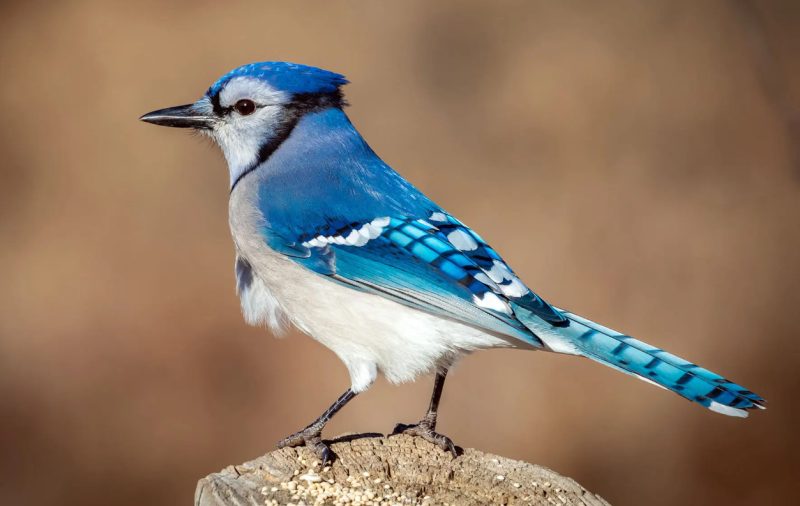
In Maine, the presence of blue jays often feels familiar, almost expected. Their bold calls cut through quiet mornings, and their flashes of blue brighten backyard trees in every season. Many residents see them as noisy visitors or aggressive birds, yet few fully understand the deeper role they play in local ecosystems. These birds are far more complex than their reputation suggests, blending intelligence, adaptability, and ecological importance in ways that often go unnoticed.
Across wooded neighborhoods, coastal towns, and rural homesteads, blue jays quietly shape the environment around them. They influence plant growth, interact with other wildlife in subtle ways, and display behaviors that rival some of the most intelligent bird species in North America. Their presence is not accidental. It reflects a long-standing relationship between forests, food availability, and seasonal rhythms unique to Maine’s landscape.
This article explores the overlooked truths about blue jays living near homes in Maine. By looking beyond their loud calls and striking appearance, a clearer picture emerges—one that reveals a bird deeply connected to survival, adaptation, and the hidden workings of backyard ecosystems.
Table of Contents
- 1 The True Nature of Blue Jays in Maine Landscapes
- 2 Seasonal Behavior Changes That Go Unnoticed
- 3 The Hidden Intelligence Behind Their Behavior
- 4 Why Blue Jays Seem Aggressive Near Homes
- 5 Their Role in Maine’s Forest Ecosystems
- 6 How Blue Jays Interact With Other Backyard Wildlife
- 7 The Truth About Their Diet in Residential Areas
- 8 Nesting Habits That Remain Hidden
- 9 Migration Patterns That Confuse Observers
- 10 Why Their Calls Matter More Than You Think
- 11 Misconceptions That Shape Public Perception
- 12 How Maine’s Climate Shapes Their Behavior
- 13 Encouraging Blue Jays Without Creating Conflict
- 14 FAQs About Blue Jays Around Homes in Maine
- 14.1 Why do blue jays scream so loudly in my yard?
- 14.2 Do blue jays scare away other birds?
- 14.3 Are blue jays harmful to smaller birds?
- 14.4 Why do blue jays disappear in certain seasons?
- 14.5 What do blue jays eat in winter?
- 14.6 How can I attract blue jays to my yard?
- 14.7 Do blue jays recognize humans?
- 14.8 Why do blue jays mimic hawk calls?
- 14.9 Are blue jays active at night?
- 14.10 Do blue jays stay in Maine all year?
- 15 Final Thoughts
The True Nature of Blue Jays in Maine Landscapes
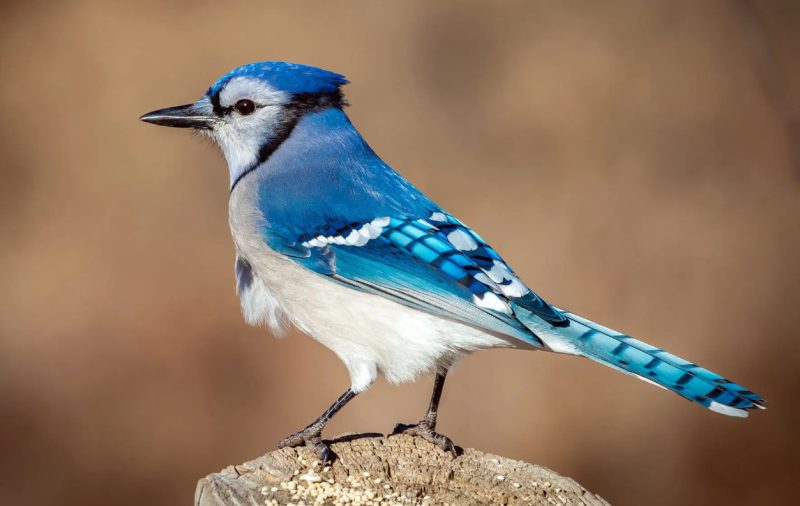
Blue jays thrive in Maine because the environment offers exactly what they need: mixed forests, open edges, and a steady supply of food throughout the year. These birds prefer areas where hardwood trees meet clearings, making suburban yards and rural properties ideal habitats. Oak trees, in particular, play a major role in their distribution, providing acorns that sustain them during colder months.
Despite their bright coloration, blue jays are surprisingly cautious. They spend much of their time observing their surroundings, often perching quietly before making bold movements. This behavior helps them avoid predators while also allowing them to monitor food sources and other birds. Their awareness contributes to their survival, especially in regions where hawks and owls are active.
Many Maine residents interpret their loud calls as aggression, but these vocalizations serve multiple purposes. Blue jays use complex sounds to communicate warnings, signal food discoveries, and maintain social connections. What sounds like noise is often a structured language that reflects their intelligence and adaptability.
Seasonal Behavior Changes That Go Unnoticed
Blue jays in Maine do not behave the same way year-round. Their actions shift with the seasons, and these changes often go unnoticed unless someone pays close attention over time. During spring, they become more territorial as nesting begins. Pairs work together to build nests, usually hidden within dense branches, where they raise their young.
In summer, their behavior becomes more focused on feeding and teaching juveniles survival skills. Young blue jays learn quickly, observing adults as they forage and interact with their environment. This period is critical for developing the instincts they will rely on later in life.
As autumn approaches, blue jays enter a phase that many residents rarely notice: food caching. They gather acorns and other seeds, hiding them in various locations. This behavior not only ensures their survival during winter but also contributes to forest regeneration. Some of these buried seeds are never retrieved, eventually growing into new trees.
Winter reveals another side of blue jays. While some migrate short distances, many remain in Maine, adapting to harsh conditions. They become more reliant on bird feeders and stored food, often forming loose groups that increase their chances of survival during extreme cold.
The Hidden Intelligence Behind Their Behavior
Blue jays are highly intelligent birds, capable of problem-solving and memory recall that rivals many other species. Their ability to remember hundreds of food cache locations is essential for surviving Maine’s long winters. This memory is not random or accidental; it reflects a structured mental mapping of their environment.
They also demonstrate strategic thinking when foraging. Blue jays have been observed selecting specific food items based on availability and nutritional value. They may carry food away from feeders to consume it in safer locations, reducing the risk of confrontation with other birds.
Another remarkable trait is their ability to mimic sounds. Blue jays can imitate the calls of hawks, which can temporarily scare away other birds from feeding areas. This behavior gives them a competitive advantage, allowing them to access food without direct conflict. It also adds to their misunderstood reputation, as many people interpret these calls as signs of aggression rather than strategy.
Why Blue Jays Seem Aggressive Near Homes
The perception of blue jays as aggressive birds often comes from their assertive behavior around food sources. In reality, their actions are driven by survival instincts rather than hostility. When food is limited, they become more competitive, using their size and intelligence to secure resources.
During nesting season, their behavior can appear particularly intense. Blue jays actively defend their nests from potential threats, including other birds, squirrels, and even humans who get too close. This protective instinct ensures the safety of their offspring but can be misinterpreted as unnecessary aggression.
It is also important to understand that blue jays are highly social birds. Their interactions involve hierarchy and communication that may look confrontational. However, these behaviors are part of maintaining order within their groups and ensuring access to resources.
Their Role in Maine’s Forest Ecosystems
Blue jays play a crucial role in shaping Maine’s forests. Their habit of storing acorns contributes directly to the spread of oak trees. By burying seeds across wide areas, they help forests expand and regenerate naturally. This process supports not only trees but also the entire ecosystem that depends on them.
In addition to seed dispersal, blue jays act as environmental indicators. Their presence often signals a healthy balance between wooded areas and open spaces. When blue jay populations decline, it can reflect changes in habitat quality or food availability.
They also contribute to controlling insect populations. While they are known for eating seeds and nuts, blue jays consume insects, especially during the breeding season when protein is essential for growing chicks. This helps maintain ecological balance by reducing pest populations in both forests and residential areas.
How Blue Jays Interact With Other Backyard Wildlife
Blue jays are deeply connected to the broader network of backyard wildlife. Their loud calls often serve as warning signals for other birds, alerting them to the presence of predators. In this way, they act as informal guardians of the environment, even though their intentions are primarily self-serving.
Their interactions with smaller birds can be complex. While they sometimes dominate feeding areas, they also coexist with species like chickadees, nuthatches, and sparrows. These relationships are dynamic, shifting based on food availability and seasonal changes.
Blue jays also interact with mammals such as squirrels. Both species compete for similar food sources, particularly acorns and seeds. This competition can lead to tense encounters, yet it also reflects the shared reliance on Maine’s natural resources.
The Truth About Their Diet in Residential Areas
Many people assume that blue jays rely heavily on bird feeders, but their diet is far more varied. In Maine, they consume a mix of acorns, seeds, insects, fruits, and occasionally small animals. This diverse diet allows them to adapt to changing conditions throughout the year.
Bird feeders provide a convenient food source, especially during winter, but they represent only a portion of what blue jays eat. Natural foraging remains essential, as it provides nutrients that feeders cannot fully replicate. Their ability to switch between natural and human-provided food sources is a key factor in their success.
They are also known to be opportunistic feeders. Blue jays may take advantage of unexpected food sources, including leftovers from other animals or seasonal fruits. This adaptability ensures their survival even when traditional food sources become scarce.
Nesting Habits That Remain Hidden
Blue jay nests are rarely seen, even by those who live close to them. These birds choose locations that offer both concealment and protection, often building nests in dense tree branches. The construction process involves both male and female birds, reflecting their cooperative nature.
The nests themselves are carefully designed, using twigs, grass, and other materials to create a stable structure. Inside, softer materials provide insulation for eggs and young chicks. This attention to detail ensures that the nest can withstand weather conditions and potential disturbances.
During the nesting period, blue jays become more secretive. They reduce unnecessary movement and remain vigilant against threats. This behavior makes it difficult for residents to observe their breeding activities, contributing to the mystery surrounding their lives.
Migration Patterns That Confuse Observers
Blue jay migration patterns are not straightforward. Some individuals migrate, while others remain in the same area year-round. This partial migration can create the impression that blue jays suddenly appear or disappear without explanation.
In Maine, migration is influenced by food availability and weather conditions. When acorn crops are abundant, more blue jays are likely to stay through the winter. In years with limited resources, larger numbers may move south in search of better conditions.
These movements are not always predictable, which adds to the confusion. Residents may notice fluctuations in blue jay populations from one year to the next, without realizing that these changes are tied to natural cycles rather than unusual events.
Why Their Calls Matter More Than You Think
The calls of blue jays are more than just background noise. They serve as an early warning system for the entire ecosystem. When a predator enters the area, blue jays often sound the alarm, alerting other animals to potential danger.
Their vocalizations also help maintain social structure within their groups. Different calls convey specific messages, from locating food to signaling distress. This communication system reflects their intelligence and ability to coordinate with others.
For Maine residents, paying attention to these calls can provide insights into the environment. A sudden increase in alarm calls may indicate the presence of a hawk or other predator, offering a glimpse into the hidden dynamics of backyard wildlife.
Misconceptions That Shape Public Perception
Blue jays are often misunderstood due to their bold behavior and loud calls. Many people view them as disruptive or overly aggressive, overlooking the reasons behind their actions. This perception can lead to a lack of appreciation for their ecological role.
Another common misconception is that blue jays harm other bird populations. While they may occasionally eat eggs or nestlings, this behavior is part of a natural balance rather than a widespread threat. Their overall impact on ecosystems is positive, supporting plant growth and maintaining biodiversity.
Understanding these misconceptions is essential for developing a more balanced view of blue jays. By recognizing their contributions, residents can begin to see them as valuable members of the environment rather than nuisances.
How Maine’s Climate Shapes Their Behavior
Maine’s climate plays a significant role in shaping blue jay behavior. Harsh winters, fluctuating temperatures, and seasonal food availability all influence how these birds live and adapt. Their ability to withstand cold conditions is supported by both physical and behavioral traits.
During winter, blue jays fluff their feathers to trap heat and reduce energy loss. They also rely heavily on stored food, minimizing the need for long foraging trips. This combination of strategies allows them to survive even during extreme weather.
Seasonal changes also affect their movement patterns and social behavior. As conditions shift, blue jays adjust their routines, demonstrating a level of flexibility that is essential for life in Maine’s challenging environment.
Encouraging Blue Jays Without Creating Conflict
Many residents enjoy attracting blue jays to their yards, but doing so requires careful consideration. Providing food can support these birds, especially during winter, but it should be done in a way that does not disrupt natural behaviors.
Offering a variety of foods, such as peanuts and seeds, can attract blue jays while also supporting other bird species. Placing feeders in areas that provide cover helps reduce stress and potential conflicts.
It is also important to maintain balance. Over-reliance on feeders can alter natural foraging habits, so encouraging a diverse environment with native plants is beneficial. This approach supports blue jays while preserving the broader ecosystem.
FAQs About Blue Jays Around Homes in Maine
Why do blue jays scream so loudly in my yard?
Blue jays use loud calls to communicate important information. These sounds can signal danger, announce food, or maintain contact with other birds. What seems disruptive often reflects a highly organized communication system.
Do blue jays scare away other birds?
They can dominate feeding areas, especially when food is limited. However, they do not permanently drive other birds away. Most species adapt and continue to share the same environment over time.
Are blue jays harmful to smaller birds?
Blue jays occasionally eat eggs or young birds, but this behavior is not constant. It is part of a natural balance and does not significantly reduce populations of smaller bird species.
Why do blue jays disappear in certain seasons?
Some blue jays migrate short distances depending on food availability and weather conditions. This can make them seem absent during certain times of the year.
What do blue jays eat in winter?
They rely on stored food, bird feeders, and natural sources such as seeds and nuts. Their ability to adapt their diet helps them survive cold months.
How can I attract blue jays to my yard?
Providing peanuts, sunflower seeds, and a safe environment with trees and cover can attract them. A natural habitat with native plants is especially effective.
Do blue jays recognize humans?
Blue jays are intelligent and can become familiar with regular human activity. They may recognize patterns and associate people with food sources.
Why do blue jays mimic hawk calls?
This behavior helps them scare away other birds, giving them access to food. It is a strategic adaptation rather than random behavior.
Are blue jays active at night?
They are diurnal birds, meaning they are active during the day and rest at night. Nighttime activity is rare and usually linked to disturbances.
Do blue jays stay in Maine all year?
Some remain year-round, while others migrate depending on environmental conditions. Their presence can vary from season to season.
Final Thoughts
Blue jays are far more than loud, colorful birds passing through Maine’s neighborhoods. They are intelligent, adaptable, and deeply connected to the health of local ecosystems. Their behaviors, from caching seeds to sounding alarm calls, reveal a level of complexity that often goes unnoticed in everyday life.
For Maine residents, understanding blue jays offers a new perspective on the natural world just outside their doors. These birds are not simply visitors but active participants in shaping the environment. By observing them more closely, it becomes clear that their presence reflects a delicate balance between wildlife and human spaces.
Appreciating blue jays means recognizing their role in maintaining forests, supporting biodiversity, and adapting to changing conditions. When seen through this lens, their calls and actions take on new meaning, transforming from background noise into signals of a living, interconnected ecosystem.