
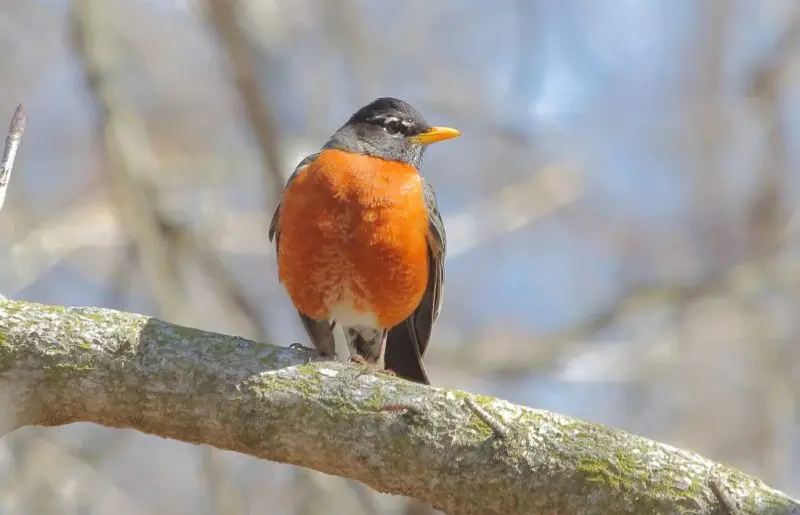
In Virginia, robins feel like a constant presence. Their orange breasts stand out against green lawns, and their soft morning songs seem to mark the beginning of each day. Many residents recognize them instantly, yet familiarity often hides deeper truths. These birds live complex lives shaped by seasonal rhythms, food availability, and subtle environmental cues that most people rarely notice.
Across suburban neighborhoods, rural landscapes, and wooded edges, robins quietly adapt to changing conditions. They shift behaviors with the seasons, interact with other wildlife in ways that influence entire ecosystems, and display survival strategies that go far beyond simple backyard feeding habits. Their movements, nesting choices, and feeding patterns reveal a level of awareness that reflects long-term adaptation to Virginia’s diverse environment.
This article explores what most Virginia residents overlook about robins in their backyards. By looking beyond their gentle appearance, a clearer understanding begins to form. These birds are not just symbols of spring. They are active participants in shaping the natural world just outside the door.
Table of Contents
- 1 The Real Habitat Preferences of Robins in Virginia
- 2 Seasonal Behavior Shifts That Often Go Unnoticed
- 3 The Hidden Intelligence Behind Their Daily Actions
- 4 Why Robins Seem So Comfortable Around People
- 5 Nesting Habits Hidden in Plain Sight
- 6 The Truth About Their Diet in Backyards
- 7 How Robins Interact With Other Backyard Wildlife
- 8 Migration Patterns That Create Confusion
- 9 Why Their Morning Activity Feels So Consistent
- 10 Misconceptions That Shape How People See Robins
- 11 How Virginia’s Climate Influences Their Survival
- 12 Encouraging Robins While Maintaining Balance
- 13 FAQs About Robins in Virginia Backyards
- 13.1 Why do robins run and stop on lawns?
- 13.2 Do robins use bird feeders?
- 13.3 Why do robins build nests near houses?
- 13.4 Are robins active at night?
- 13.5 Do robins return to the same place every year?
- 13.6 What do robins eat in winter?
- 13.7 Why do robins sing early in the morning?
- 13.8 Do robins travel in groups?
- 13.9 How long do robin chicks stay in the nest?
- 13.10 Can robins recognize people?
- 14 Final Thoughts
The Real Habitat Preferences of Robins in Virginia
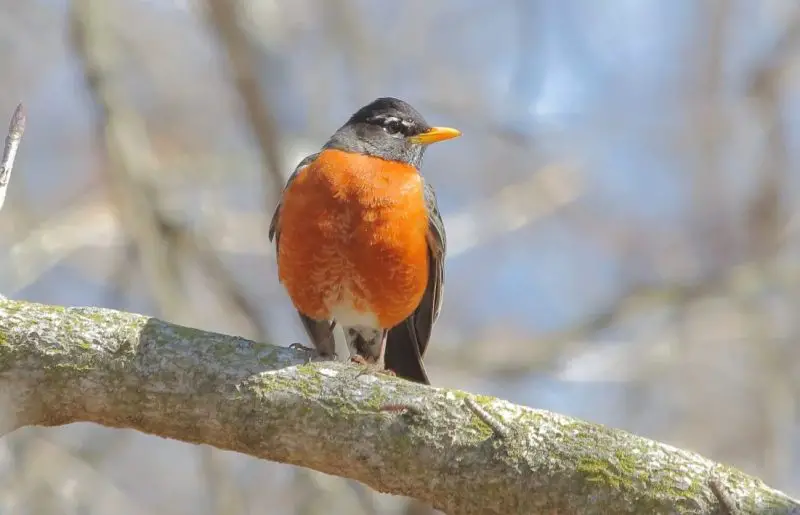
Robins thrive in Virginia because the state offers a mix of open lawns, forest edges, and scattered trees. Unlike birds that depend entirely on dense forests, robins prefer transitional spaces where they can forage on the ground while still having access to nearby shelter. This balance makes residential areas especially attractive.
Lawns play a major role in their daily routines. Moist soil allows robins to locate earthworms, which form a large portion of their diet. After rain, when worms move closer to the surface, robins become particularly active. Their ability to detect subtle ground movement gives them an advantage in finding food efficiently.
Trees and shrubs provide essential nesting sites and protection. Robins often choose locations that offer a clear view of their surroundings while remaining partially hidden. This combination allows them to monitor threats without exposing themselves unnecessarily. It also explains why they frequently nest near homes rather than deep in wooded areas.
Seasonal Behavior Shifts That Often Go Unnoticed
Robins in Virginia do not behave the same way year-round. Their routines shift gradually, reflecting changes in temperature, daylight, and food availability. These seasonal transitions are easy to miss unless someone observes them closely over time.
In early spring, robins become highly visible. Males establish territories and begin singing more frequently to attract mates and defend space. This is when many residents notice them returning, even though some robins may have remained in the area throughout winter.
During summer, their focus shifts toward raising young. Adult robins spend long hours gathering food, feeding nestlings, and protecting their territory. Their behavior becomes more purposeful, and their movements follow consistent patterns centered around the nest.
Autumn brings another change. Robins begin forming loose groups and expand their feeding habits. Instead of focusing mainly on worms, they turn to fruits and berries. This dietary shift supports their energy needs as conditions begin to cool.
Winter presents a quieter phase. In Virginia, some robins migrate south, while others stay, especially in milder regions. Those that remain often become less visible, spending more time in wooded areas where food sources like berries are still available.
The Hidden Intelligence Behind Their Daily Actions
Robins may appear simple at first glance, but their behavior reveals a surprising level of intelligence. Their foraging techniques require attention, patience, and precise timing. A robin standing still on a lawn is not resting. It is listening and watching for movement beneath the surface.
They also show strong memory skills. Robins return to locations where food has been abundant in the past, adjusting their routes based on previous success. This ability helps them conserve energy and increase efficiency, especially during demanding periods like nesting season.
Their nesting decisions further highlight their awareness. Robins select sites that balance safety, visibility, and proximity to food. They often reuse successful locations in future seasons, suggesting an ability to evaluate and remember outcomes.
Why Robins Seem So Comfortable Around People
Many Virginia residents notice that robins appear unusually calm around humans. This behavior is not accidental. Over time, robins have adapted to living near people, learning that human presence often reduces the risk of certain predators.
Yards provide consistent food sources, from worms in watered lawns to berries on ornamental plants. Robins quickly recognize these opportunities and incorporate them into their daily routines. This creates the impression that they prefer human environments, when in reality they are responding to reliable resources.
Their tolerance of human activity also reflects their ability to assess threats. Robins can distinguish between harmless and dangerous situations, allowing them to remain close without unnecessary stress. This adaptability plays a major role in their success across Virginia.
Nesting Habits Hidden in Plain Sight
Robin nests are surprisingly common, yet many people never notice them. These birds often build nests in locations that blend seamlessly into the environment, such as tree branches, shrubs, and even ledges on buildings.
The construction process is detailed and deliberate. Female robins shape nests using mud, grass, and other materials, creating a sturdy structure that can support eggs and growing chicks. The interior is lined with softer materials to provide insulation and comfort.
Once eggs are laid, the female remains dedicated to incubation, rarely leaving the nest for long periods. The male supports this process by providing food and guarding the area. This shared effort increases the chances of survival for the young.
The Truth About Their Diet in Backyards
Robins are often associated with worms, but their diet is far more diverse. In Virginia, they consume insects, fruits, berries, and occasionally small invertebrates. This flexibility allows them to adapt to changing conditions throughout the year.
During spring and summer, worms and insects dominate their diet. These protein-rich foods are essential for raising chicks. As seasons shift, robins rely more heavily on fruits, especially when insect availability decreases.
Backyard plants play an important role in their feeding habits. Berry-producing shrubs attract robins, providing a steady food source during colder months. This connection between landscaping choices and bird activity often goes unnoticed.
How Robins Interact With Other Backyard Wildlife
Robins are part of a larger network of backyard species. Their presence influences and is influenced by other animals, creating a dynamic environment that changes throughout the year.
They often share space with birds such as sparrows, cardinals, and blue jays. While competition for food can occur, robins typically focus on ground foraging, reducing direct conflict with species that feed in trees or feeders.
Their alert behavior can also benefit other animals. When robins detect danger, their movements and calls can signal the presence of predators. This indirect communication contributes to the overall awareness within the environment.
Migration Patterns That Create Confusion
Robin migration patterns are not always easy to understand. Some individuals travel long distances, while others remain in Virginia year-round. This variation can make their presence seem unpredictable.
Weather conditions and food availability play major roles in these movements. In milder winters, robins may stay, relying on berries and other available resources. In colder conditions, they are more likely to migrate to areas with more consistent food supplies.
These patterns explain why robins may appear to disappear and then suddenly return. Their movements are tied to environmental cues rather than fixed schedules, making each year slightly different.
Why Their Morning Activity Feels So Consistent
Many Virginia residents associate robins with early morning activity. Their songs and movements often begin at first light, creating a sense of routine that feels dependable.
This behavior is linked to feeding efficiency. Early morning offers ideal conditions for locating worms and insects, as moisture levels are higher and competition is lower. By starting early, robins maximize their chances of finding food.
Their singing also serves a purpose. Morning songs help establish territory and maintain communication with other robins. This combination of feeding and signaling creates the familiar pattern that many people notice.
Misconceptions That Shape How People See Robins
Robins are often viewed as simple, gentle birds with predictable behavior. While they do have a calm appearance, this perception overlooks the complexity of their lives.
Another common belief is that robins rely heavily on human-provided food. In reality, they depend primarily on natural sources. Feeders play a smaller role compared to lawns, trees, and shrubs.
There is also a tendency to associate robins strictly with spring. While they are more visible during this season, their presence extends throughout the year in many parts of Virginia. Recognizing this helps create a more accurate understanding of their behavior.
How Virginia’s Climate Influences Their Survival
Virginia’s climate provides both opportunities and challenges for robins. Mild winters in some regions allow them to remain year-round, while colder periods require adjustments in behavior and diet.
Rainfall patterns influence food availability, especially for worms. Extended dry periods can make foraging more difficult, forcing robins to rely on alternative food sources. This adaptability is key to their survival.
Temperature changes also affect nesting and breeding cycles. Warmer conditions may lead to earlier nesting, while colder weather can delay these activities. Robins respond to these shifts with flexibility, adjusting their timing to match environmental conditions.
Encouraging Robins While Maintaining Balance
Many people enjoy having robins in their yards, but supporting them requires a balanced approach. Providing a suitable environment is more effective than relying solely on feeders.
Maintaining healthy lawns, planting native shrubs, and ensuring access to water can attract robins naturally. These elements create a habitat that supports not only robins but also other wildlife.
It is important to avoid over-intervention. Allowing robins to follow their natural behaviors ensures that they remain healthy and self-sufficient. A well-balanced yard benefits both birds and the broader ecosystem.
FAQs About Robins in Virginia Backyards
Why do robins run and stop on lawns?
This movement helps them detect worms beneath the soil. By pausing, they listen and watch for subtle signs of movement before striking.
Do robins use bird feeders?
Robins rarely rely on feeders. They prefer natural food sources such as worms, insects, and fruits found in yards and gardens.
Why do robins build nests near houses?
Structures provide protection and stable surfaces. Nesting near homes can reduce exposure to certain predators.
Are robins active at night?
Robins are primarily active during the day. Nighttime activity is uncommon and usually linked to disturbances or artificial lighting.
Do robins return to the same place every year?
Many robins return to familiar areas, especially if those locations provided good nesting and feeding conditions in the past.
What do robins eat in winter?
They shift toward fruits and berries when worms and insects are less available. This dietary flexibility supports their survival.
Why do robins sing early in the morning?
Morning conditions are ideal for communication and feeding. Singing helps establish territory and attract mates.
Do robins travel in groups?
They may form loose groups outside of breeding season, especially in autumn and winter when food sources are shared.
How long do robin chicks stay in the nest?
Chicks typically remain in the nest for about two weeks before leaving, though they continue to rely on parents for some time afterward.
Can robins recognize people?
Robins can become familiar with regular human activity and may adjust their behavior based on past experiences.
Final Thoughts
Robins are far more complex than their calm appearance suggests. In Virginia, they adapt to changing seasons, interact with a wide range of species, and play a quiet yet meaningful role in shaping backyard ecosystems. Their behaviors reflect intelligence, awareness, and a deep connection to their environment.
For residents, taking a closer look at robins can reveal patterns and interactions that often go unnoticed. These birds are not just background figures in daily life. They are active participants in the natural rhythms that define each season.
Understanding robins brings a greater appreciation for the balance between human spaces and wildlife. By observing their actions and supporting their natural habits, it becomes possible to see the backyard not just as a living space, but as part of a larger, interconnected world.