
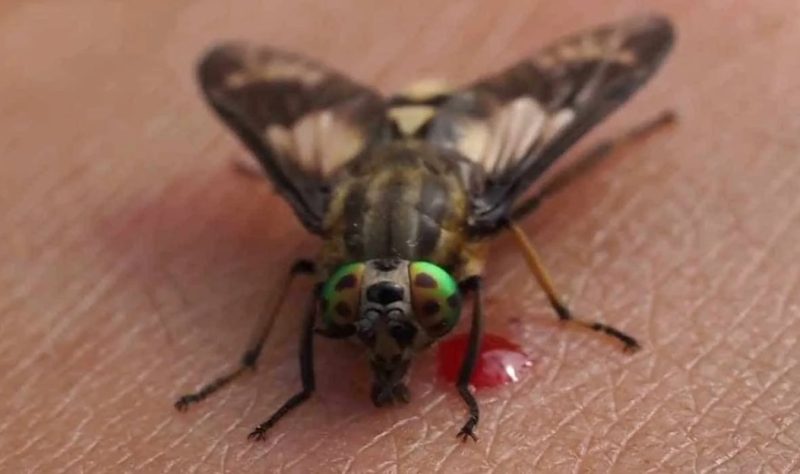
In Michigan, deer flies are a seasonal reality that many residents recognize instantly but rarely understand fully. Their presence is often marked by sudden, sharp bites during walks near lakes, forests, or open fields. The experience feels abrupt and personal, as if the insect has singled you out without warning. Yet what most Michigan residents do not realize is that deer fly encounters follow highly predictable patterns shaped by environment, behavior, and timing.
These insects are not wandering aimlessly. They are precise in how they locate hosts, persistent in their approach, and closely tied to specific habitats that define much of Michigan’s landscape. Their bites are not random events. They are the result of biological processes that unfold in ways most people never stop to observe.
Once you begin to understand how deer flies operate, the experience of encountering them changes. It becomes less about surprise and more about recognition. And that shift reveals just how structured their presence really is.
Table of Contents
- 1 Why Deer Flies Are So Common in Michigan
- 2 What Actually Happens During a Deer Fly Bite
- 3 The Daytime Behavior That Sets Deer Flies Apart
- 4 Why Deer Flies Target the Head and Upper Body
- 5 The Seasonal Window When Bites Are Most Common
- 6 Why Deer Flies Seem Relentless Once They Find You
- 7 Where Deer Flies Are Most Likely to Be Found
- 8 Why Some Bites Swell More Than Others
- 9 The Role Deer Flies Play in Michigan Ecosystems
- 10 What To Do Immediately After a Deer Fly Bite
- 11 How to Reduce the Risk of Deer Fly Bites
- 12 Why Deer Fly Encounters Feel So Personal
- 13 FAQs About Deer Fly Bites in Michigan
- 13.1 Why do deer fly bites hurt more than mosquito bites?
- 13.2 When are deer flies most active in Michigan?
- 13.3 Why do they keep following me?
- 13.4 Are deer fly bites dangerous?
- 13.5 How long do symptoms last?
- 13.6 What attracts deer flies the most?
- 13.7 Can deer flies bite through clothing?
- 13.8 Do deer flies spread diseases?
- 14 Final Thoughts
Why Deer Flies Are So Common in Michigan
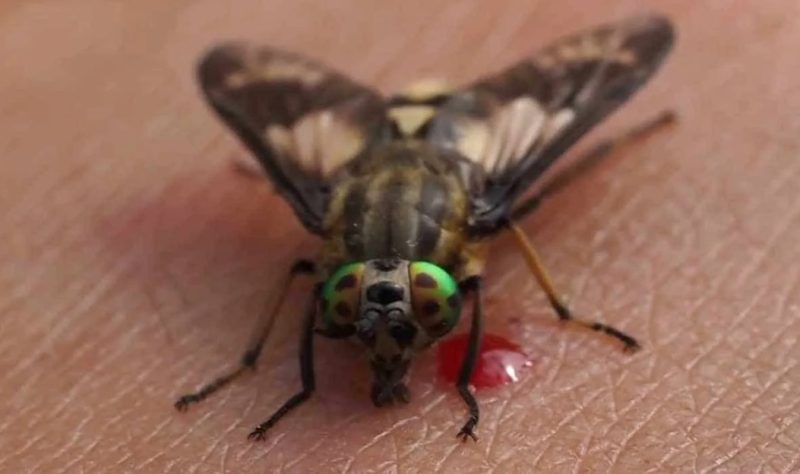
Michigan provides ideal conditions for deer flies due to its abundance of wetlands, forests, and freshwater systems. These environments support the full life cycle of the insect, from larval development in moist soil to adult activity in open, sunlit areas.
Water is one of the most important factors. Deer fly larvae develop in damp environments such as marshes, lake edges, and slow-moving streams. Michigan’s extensive network of these habitats creates widespread breeding opportunities. As a result, populations can grow quickly during favorable conditions.
Vegetation also plays a role. Forest edges and open trails provide the perfect combination of shade and sunlight. Deer flies use these transitional zones to locate hosts, often positioning themselves along paths where animals and humans are likely to pass.
Seasonal climate patterns further support their presence. Warm, humid summers create ideal conditions for adult activity. During this time, deer flies become highly visible and active, especially during daylight hours.
What Actually Happens During a Deer Fly Bite
A deer fly bite is very different from the bite of a mosquito. Instead of piercing the skin with a needle-like mouthpart, deer flies use scissor-like mandibles to cut into the skin. This creates a small wound from which they feed on blood.
The sensation is immediate and sharp. Many people describe it as a sudden pinch or sting, followed by a burning feeling. This is because the bite involves physical damage to the skin rather than a simple puncture.
As the fly feeds, it releases compounds that prevent blood clotting. This allows it to continue feeding, but it also contributes to irritation and inflammation. The body responds quickly, leading to redness, swelling, and itching.
The reaction can vary depending on the individual. Some people experience mild irritation, while others develop larger, more persistent welts. The intensity of the response is influenced by both the bite itself and the body’s immune reaction.
The Daytime Behavior That Sets Deer Flies Apart
Unlike many biting insects, deer flies are active during the day. This is one of the reasons they are so noticeable in Michigan. Their activity peaks during sunny, warm conditions, especially in late morning and early afternoon.
This daytime behavior is closely tied to their hunting strategy. Deer flies rely heavily on visual cues to locate hosts. They are attracted to movement, contrast, and dark colors. This allows them to identify potential targets in open environments.
Once a deer fly locks onto a host, it becomes persistent. It may circle repeatedly, attempting to land and bite. This behavior can feel relentless, especially when multiple flies are present.
Their preference for daylight also means that encounters often happen during outdoor activities such as hiking, fishing, or gardening. This overlap between human activity and deer fly behavior increases the likelihood of bites.
Why Deer Flies Target the Head and Upper Body
One of the most noticeable aspects of deer fly behavior is their tendency to target the head, neck, and upper body. This pattern is not accidental. It is influenced by how these insects detect and approach hosts.
Deer flies are drawn to movement and contrast, and the upper body often provides both. The head and shoulders are typically more exposed and more active, making them easier for flies to detect.
Carbon dioxide also plays a role. As humans breathe, they release carbon dioxide, which attracts many biting insects. This plume of exhaled air rises and disperses around the head, guiding deer flies toward that area.
Once in proximity, the flies attempt to land on accessible skin. Hair, ears, and the back of the neck are common targets. This behavior explains why bites often occur in these locations, even when other parts of the body are exposed.
The Seasonal Window When Bites Are Most Common
Deer fly activity in Michigan is highly seasonal, with a relatively short but intense period of peak activity. Late spring marks the beginning of emergence, but populations typically reach their highest levels in early to mid-summer.
During this time, environmental conditions are optimal. Warm temperatures, high humidity, and abundant host activity create the perfect combination for deer flies to thrive. This is when most bites occur.
As summer progresses, activity begins to decline. By late summer, populations decrease significantly, and encounters become less frequent. This seasonal pattern often leads to a sudden disappearance that can feel as abrupt as their arrival.
Understanding this timing helps explain why deer flies seem to appear and vanish within a specific window. It also highlights the importance of seasonal awareness when planning outdoor activities.
Why Deer Flies Seem Relentless Once They Find You
One of the most frustrating aspects of deer flies is their persistence. Once they identify a host, they rarely give up quickly. This behavior is driven by their feeding strategy and energy needs.
Deer flies require a blood meal to reproduce. This makes each feeding opportunity critical. When a host is located, the fly invests time and energy into securing that meal, even in the face of resistance.
Their flight patterns reflect this determination. They may hover, circle, and repeatedly attempt to land. Swatting them away often provides only temporary relief, as they return moments later.
This persistence creates the impression of being targeted, but it is simply the result of a highly focused feeding behavior. Recognizing this can help explain why encounters feel so intense.
Where Deer Flies Are Most Likely to Be Found
Certain environments in Michigan are more likely to host deer flies. Wetlands, lake shores, and forest edges are among the most common. These areas provide both breeding sites and access to hosts.
Trails and open paths are particularly active zones. Deer flies often position themselves along these routes, where animals and people pass frequently. This allows them to maximize their chances of finding a host.
Sunny areas with nearby vegetation are also attractive. The combination of light and cover creates ideal conditions for hunting and resting. Even small clearings within wooded areas can become hotspots for activity.
Recognizing these environments can help residents anticipate where encounters are most likely to occur. It also provides insight into how landscape features influence insect behavior.
Why Some Bites Swell More Than Others
The reaction to a deer fly bite can vary widely, and this variation often leads to confusion. One of the main factors is individual sensitivity. Some people have stronger immune responses, leading to larger and more persistent swelling.
The location of the bite also matters. Areas with thinner skin or more blood vessels may show more pronounced reactions. Bites on the face or neck, for example, often appear more dramatic.
Repeated exposure can influence response as well. In some cases, individuals become more sensitive over time, leading to stronger reactions with subsequent bites. In others, the body may adapt, resulting in milder symptoms.
Secondary factors such as scratching can also affect the outcome. Breaking the skin can introduce bacteria and prolong inflammation. Proper care helps reduce these risks and supports faster healing.
The Role Deer Flies Play in Michigan Ecosystems
Despite their reputation, deer flies are part of a larger ecological system. Their larvae contribute to nutrient cycling in wetland environments, while adults serve as food for birds and other predators.
They also play a role in population dynamics. By feeding on mammals, they influence behavior and movement patterns, which can have broader ecological effects. These interactions are subtle but significant.
Their presence reflects the health of certain habitats. Wetlands and forest edges that support deer flies also support a wide range of other species. In this sense, deer flies are indicators of ecological complexity.
Understanding their role does not make their bites more pleasant, but it provides context for their existence within the environment.
What To Do Immediately After a Deer Fly Bite
Responding quickly to a deer fly bite can help reduce discomfort and prevent complications. Cleaning the area with soap and water is an important first step. This removes contaminants and reduces the risk of infection.
Applying a cold compress can help manage swelling and relieve pain. Keeping the area clean and avoiding scratching are also important. This allows the skin to heal without additional irritation.
Over-the-counter treatments may provide relief from itching and inflammation. Monitoring the bite for signs of infection, such as increased redness or pus, is also recommended.
In most cases, symptoms resolve within a few days. However, persistent or severe reactions may require medical attention.
How to Reduce the Risk of Deer Fly Bites
Prevention focuses on understanding and avoiding the conditions that attract deer flies. Wearing light-colored clothing can reduce visual attraction, as these insects are drawn to dark colors and contrast.
Protective clothing, such as hats and long sleeves, can limit exposed skin. This is particularly useful in areas where deer flies are known to be active.
Timing also matters. Avoiding peak activity periods, especially during warm, sunny days, can reduce the likelihood of encounters. Choosing shaded or breezy locations may also help.
Environmental awareness is key. Recognizing high-risk areas and adjusting behavior accordingly can significantly reduce exposure.
Why Deer Fly Encounters Feel So Personal
One of the most striking aspects of deer fly bites is how personal they feel. The direct, painful nature of the bite, combined with the insect’s persistence, creates a strong impression.
This perception is amplified by their behavior. Unlike insects that bite and leave quickly, deer flies remain nearby, continuing their attempts. This creates a sense of being singled out.
In reality, this behavior is driven by biological necessity rather than intent. The fly is responding to cues that indicate a suitable host, not targeting individuals for any specific reason.
Understanding this distinction helps reframe the experience. It shifts the focus from personal frustration to recognition of a natural process.
FAQs About Deer Fly Bites in Michigan
Why do deer fly bites hurt more than mosquito bites?
Deer flies cut the skin rather than piercing it, which causes more immediate pain and tissue damage.
When are deer flies most active in Michigan?
They are most active during early to mid-summer, especially on warm, sunny days.
Why do they keep following me?
Once a deer fly identifies a host, it persists in trying to feed, leading to repeated attempts.
Are deer fly bites dangerous?
Most bites cause temporary discomfort, but some individuals may experience stronger reactions.
How long do symptoms last?
Pain usually fades within hours, but swelling and itching can last for several days.
What attracts deer flies the most?
Movement, dark colors, and carbon dioxide are key attractants.
Can deer flies bite through clothing?
They generally prefer exposed skin, though thin clothing may not provide full protection.
Do deer flies spread diseases?
They can transmit certain pathogens, but this is less common than with some other insects.
Final Thoughts
Deer fly bites are a defining part of summer in Michigan, yet they are often misunderstood. What feels like an unpredictable nuisance is actually the result of structured behavior shaped by environment and biology.
By recognizing the patterns behind deer fly activity, residents can better anticipate and manage encounters. Awareness reduces frustration and provides a clearer understanding of how these insects fit into the broader landscape.
In the end, deer flies are not simply a seasonal annoyance. They are part of a complex system that reflects the richness of Michigan’s natural environments. Understanding that system brings clarity to an experience that once seemed entirely unpredictable.