
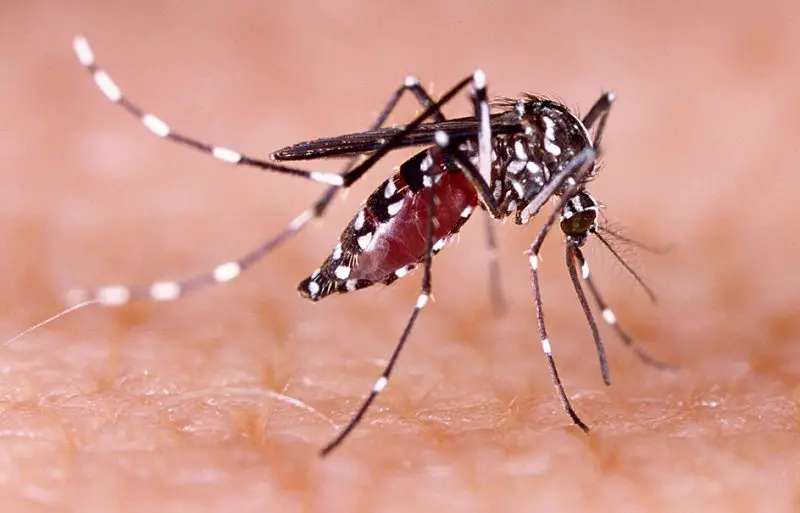
In Arizona, mosquitoes are often dismissed as a minor nuisance compared to more dramatic desert hazards. Many residents assume that the dry climate limits their presence or reduces their impact. Yet what most Arizona residents don’t realize is that mosquitoes here follow a very different set of rules. Their activity is not constant, but when conditions align, it can become surprisingly intense and highly localized.
Unlike humid regions where mosquitoes are expected year-round, Arizona’s mosquito patterns are driven by bursts of opportunity. Rainfall, irrigation, and urban water systems create temporary environments where mosquitoes can thrive. These windows may be brief, but they are enough to support rapid breeding and sudden increases in population.
Understanding mosquito behavior in Arizona requires shifting perspective. It is not about constant exposure, but about recognizing the conditions that trigger activity. Once those triggers are understood, the presence of mosquitoes becomes far more predictable.
Table of Contents
- 1 Why Mosquitoes Thrive in a Dry Climate
- 2 What Actually Happens When a Mosquito Bites
- 3 The Seasonal Patterns Most Arizona Residents Miss
- 4 Why Some Areas Have More Mosquitoes Than Others
- 5 Why Mosquito Bites Seem Worse at Certain Times
- 6 The Misconception That Mosquitoes Are Only a Nighttime Problem
- 7 Why Mosquitoes Target Certain People More Than Others
- 8 The Hidden Risks Associated With Mosquito Bites
- 9 What To Do Immediately After a Mosquito Bite
- 10 How to Reduce Mosquito Activity Around Your Home
- 11 Why Mosquitoes Persist Despite Control Efforts
- 12 The Ecological Role of Mosquitoes in Arizona
- 13 FAQs About Mosquito Bites in Arizona
- 13.1 Why do mosquitoes appear suddenly after rain?
- 13.2 Are mosquito bites dangerous in Arizona?
- 13.3 Why do some people get bitten more than others?
- 13.4 When are mosquitoes most active?
- 13.5 How long do mosquito bites last?
- 13.6 Can mosquitoes survive in dry conditions?
- 13.7 What attracts mosquitoes to my yard?
- 13.8 How can I prevent mosquito bites?
- 14 Final Thoughts
Why Mosquitoes Thrive in a Dry Climate
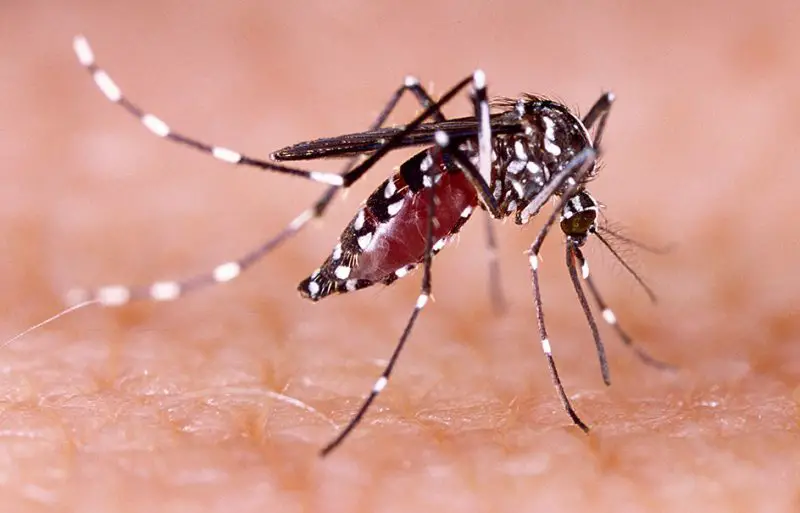
At first glance, Arizona does not seem like an ideal environment for mosquitoes. The heat is intense, and natural water sources are limited in many areas. However, mosquitoes are highly adaptable, and they take advantage of even the smallest amounts of standing water.
Urban environments play a major role. Irrigation systems, birdbaths, gutters, and even small containers can hold enough water for mosquito larvae to develop. In cities and suburbs, these artificial water sources are far more consistent than natural ones.
Rainfall events, particularly during monsoon season, create temporary breeding grounds across large areas. Puddles, flooded washes, and saturated soil become ideal sites for egg-laying. Mosquitoes can complete their life cycle quickly, allowing populations to surge within days of rainfall.
Temperature also contributes. Warm conditions accelerate development, meaning that larvae mature into adults faster than in cooler climates. This combination of water availability and heat allows mosquitoes to thrive despite the overall dryness of the region.
What Actually Happens When a Mosquito Bites
A mosquito bite is a precise biological interaction rather than a simple puncture. When a mosquito lands on the skin, it uses specialized mouthparts to locate blood vessels beneath the surface. Only female mosquitoes bite, as they require blood to produce eggs.
As the mosquito feeds, it injects saliva into the skin. This saliva contains compounds that prevent blood from clotting and allow for easier feeding. It is this saliva, not the bite itself, that triggers the body’s reaction.
The immune system responds by releasing histamines, which cause itching, redness, and swelling. This reaction varies widely between individuals. Some people develop small, mild bumps, while others experience larger, more persistent welts.
The sensation is often delayed. Unlike some insects, mosquitoes can feed without being immediately noticed. This is why bites are sometimes discovered only after the mosquito has already left.
The Seasonal Patterns Most Arizona Residents Miss
Mosquito activity in Arizona is not evenly distributed throughout the year. Instead, it follows distinct seasonal patterns that are closely tied to rainfall and temperature.
Spring typically sees low activity, as water sources are limited and temperatures are still rising. Early summer may remain relatively quiet, especially in dry conditions. However, this changes dramatically with the arrival of monsoon season.
Monsoon rains create widespread standing water, triggering a rapid increase in mosquito populations. Within days, areas that previously had little activity can become hotspots. This sudden shift often catches residents off guard.
As temperatures begin to drop in late fall, activity decreases again. However, in urban areas with consistent water sources, mosquitoes may remain present longer than expected. This creates a pattern of peaks and declines rather than constant activity.
Why Some Areas Have More Mosquitoes Than Others
Not all parts of Arizona experience mosquito activity equally. Even within the same city, some neighborhoods may have significantly higher populations than others.
Water availability is the primary factor. Areas with more standing water, whether from irrigation, landscaping, or drainage issues, tend to support larger populations. Even small differences in water management can have a noticeable impact.
Vegetation also plays a role. Shaded areas with dense plant growth provide resting sites for mosquitoes during the day. These environments allow them to conserve moisture and avoid extreme heat.
Human activity contributes as well. Outdoor water features, poorly maintained pools, and containers left outside can all create breeding sites. In some cases, a single property can influence mosquito activity across an entire neighborhood.
Understanding these localized differences helps explain why mosquito experiences can vary so widely from one area to another.
Why Mosquito Bites Seem Worse at Certain Times
Many Arizona residents notice that mosquito bites feel more intense during certain periods. This is not just perception. Several factors influence how bites are experienced.
One factor is the species of mosquito. Different species produce different saliva compositions, which can lead to varying reactions. Some cause mild irritation, while others trigger stronger immune responses.
Environmental conditions also matter. Heat can increase blood flow to the skin, making bites more noticeable. Sweat and body odor can attract mosquitoes, increasing the likelihood of multiple bites.
Individual sensitivity changes over time. Repeated exposure can either increase or decrease the body’s reaction. Some people become more sensitive, while others develop a level of tolerance.
Timing plays a role as well. Bites that occur during peak mosquito activity, such as after monsoon rains, are often more frequent and concentrated, amplifying the overall experience.
The Misconception That Mosquitoes Are Only a Nighttime Problem
While many people associate mosquitoes with evening activity, this is not always the case in Arizona. Some species are active during the day, particularly in shaded areas.
Daytime-biting mosquitoes often operate in environments where sunlight is filtered or indirect. Patios, gardens, and areas with dense vegetation can become active zones even in daylight hours.
This behavior challenges the common assumption that mosquito exposure is limited to dusk and dawn. In Arizona, activity can occur whenever conditions are favorable, regardless of time of day.
Recognizing this pattern helps residents take precautions beyond traditional evening hours. It also explains why bites sometimes occur during daytime activities.
Why Mosquitoes Target Certain People More Than Others
It often feels like mosquitoes prefer certain individuals, and in many cases, this perception is accurate. Several factors influence how attractive a person is to mosquitoes.
Carbon dioxide is a major factor. People who produce more carbon dioxide, such as those who are active or larger in body size, tend to attract more mosquitoes. This is one of the primary cues mosquitoes use to locate hosts.
Body temperature also plays a role. Warmer skin can make a person more detectable. Sweat and skin chemistry further influence attraction, as certain compounds are more appealing to mosquitoes.
Clothing color and movement can affect visibility. Dark colors and motion make individuals easier to locate. These factors combine to create differences in how often people are bitten.
Understanding these variables helps explain why mosquito encounters can feel uneven within the same group of people.
The Hidden Risks Associated With Mosquito Bites
While most mosquito bites result in mild irritation, they can carry additional risks that are often overlooked. Mosquitoes are known vectors for certain diseases, though the level of risk varies by region.
In Arizona, public health efforts focus on monitoring mosquito populations and controlling potential disease transmission. While serious cases are not common, awareness remains important.
Secondary effects are also a concern. Scratching bites can break the skin, leading to infection. In some cases, this can prolong healing and increase discomfort.
Allergic reactions, though less common, can occur. These reactions may involve significant swelling or other symptoms that require medical attention. Understanding these risks helps residents respond appropriately to bites.
What To Do Immediately After a Mosquito Bite
Managing a mosquito bite effectively begins with simple steps. Cleaning the area helps reduce the risk of infection. Applying a cold compress can relieve itching and swelling.
Avoiding scratching is important. While it may provide temporary relief, it can worsen irritation and delay healing. Over-the-counter treatments can help manage symptoms more effectively.
Monitoring the bite is also useful. Most bites resolve within a few days, but persistent or unusual symptoms should be evaluated. Staying attentive to changes ensures that potential issues are addressed early.
How to Reduce Mosquito Activity Around Your Home
Prevention is the most effective way to manage mosquito problems in Arizona. Eliminating standing water is the single most important step. Regularly checking and emptying containers, cleaning gutters, and maintaining proper drainage can significantly reduce breeding sites.
Managing landscaping can also help. Reducing dense vegetation and ensuring proper airflow limits resting areas. Keeping outdoor spaces clean and well-maintained creates a less favorable environment for mosquitoes.
Using barriers such as screens and protective clothing adds another layer of defense. Timing outdoor activities to avoid peak periods can further reduce exposure.
Community efforts are especially important. Mosquito control is most effective when multiple households take action, as populations are not confined to a single property.
Why Mosquitoes Persist Despite Control Efforts
Mosquitoes are highly resilient, and their persistence in Arizona reflects their adaptability. Their life cycle is rapid, allowing populations to recover quickly after disturbances.
Eggs can survive in dry conditions for extended periods, hatching when water becomes available. This ability allows mosquitoes to take advantage of sudden changes in the environment.
Their small size and mobility make them difficult to eliminate completely. Even well-maintained areas can experience occasional activity due to factors beyond immediate control.
This persistence highlights the importance of ongoing awareness rather than one-time solutions. Managing mosquitoes is an ongoing process rather than a single action.
The Ecological Role of Mosquitoes in Arizona
Despite their negative reputation, mosquitoes are part of the broader ecosystem. Their larvae contribute to aquatic food webs, while adults serve as prey for birds, bats, and other animals.
They also play a role in nutrient cycling, particularly in temporary water bodies created by rainfall. These interactions support a range of species and ecological processes.
Understanding their role does not diminish the need for control, but it provides context for their presence. Mosquitoes are one component of a complex system that extends beyond human experience.
FAQs About Mosquito Bites in Arizona
Why do mosquitoes appear suddenly after rain?
Rain creates breeding sites, allowing mosquito populations to increase rapidly within a short period.
Are mosquito bites dangerous in Arizona?
Most bites are harmless, but some can carry disease or lead to infection if scratched excessively.
Why do some people get bitten more than others?
Factors such as carbon dioxide output, body temperature, and skin chemistry influence attraction.
When are mosquitoes most active?
Activity peaks after rainfall and during warm periods, but some species are active during the day.
How long do mosquito bites last?
Most bites resolve within a few days, though itching may persist longer in some cases.
Can mosquitoes survive in dry conditions?
Yes, their eggs can remain dormant until water becomes available.
What attracts mosquitoes to my yard?
Standing water, vegetation, and human activity all contribute to mosquito presence.
How can I prevent mosquito bites?
Eliminating water sources, using protective measures, and being aware of peak activity times are key strategies.
Final Thoughts
Mosquito bites in Arizona are often misunderstood because they do not follow the same patterns seen in more humid regions. Their presence is tied to specific environmental conditions that create brief but intense periods of activity.
By understanding these patterns, residents can better anticipate when and where mosquitoes will appear. This awareness transforms the experience from something unpredictable into something manageable.
Mosquitoes may be small, but their impact is shaped by a complex interplay of climate, behavior, and human activity. Recognizing that complexity allows for a more informed and balanced approach to living alongside them in Arizona’s unique environment.