
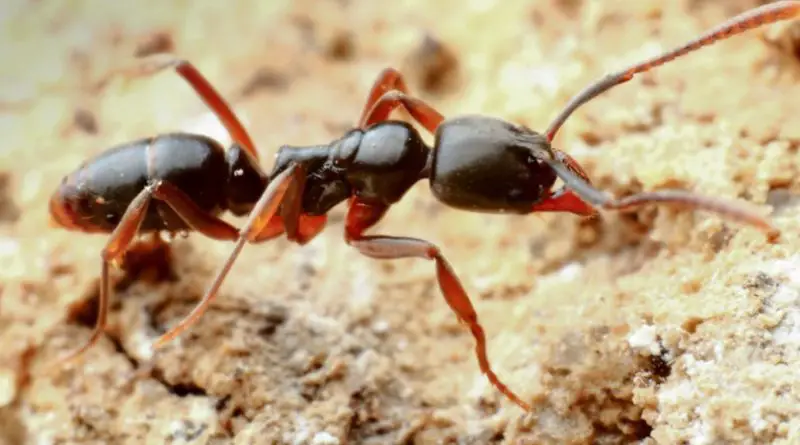
Fire ants are a familiar part of life in Georgia, yet most residents only think about them in the moment of pain. A sudden burning sensation on the ankle, a cluster of tiny stings after stepping onto a mound, or the lingering itch that follows for days—these are the experiences people remember. What often goes unnoticed is the complex system behind those encounters. Fire ants are not simply pests reacting without pattern. Their behavior, their stings, and their presence in Georgia landscapes are shaped by environmental conditions, colony structure, and survival strategies that operate continuously beneath the surface.
Across Georgia’s lawns, parks, farmland, and suburban neighborhoods, fire ants have established a powerful ecological foothold. They thrive in disturbed soil, adapt quickly to human environments, and expand their colonies in ways that make them difficult to avoid. For many residents, this creates the impression that fire ant stings are unpredictable and unavoidable. In reality, most encounters follow clear patterns that can be understood with closer observation.
Once you begin to see how fire ants function, the experience of being stung becomes less mysterious. It does not become pleasant, but it becomes explainable. And that shift—from confusion to understanding—is where most Georgia residents begin to see these insects differently.
Table of Contents
- 1 Why Fire Ants Are So Widespread in Georgia
- 2 What Actually Happens During a Fire Ant Sting
- 3 The Unique Sting Pattern Most People Overlook
- 4 Why Fire Ants Seem to Attack “All at Once”
- 5 Where Fire Ants Build Mounds Around Homes
- 6 Why Some Stings Become More Irritating Than Others
- 7 The Seasonal Behavior Behind Fire Ant Activity
- 8 Why Fire Ants Continue to Spread Across Georgia
- 9 What To Do Immediately After Being Stung
- 10 Preventing Fire Ant Encounters Around Your Home
- 11 The Ecological Role of Fire Ants in Georgia
- 12 FAQs About Fire Ant Stings in Georgia
- 12.1 Why do fire ants sting in groups?
- 12.2 Are fire ant stings dangerous?
- 12.3 How long do fire ant sting symptoms last?
- 12.4 Why do pustules form after a sting?
- 12.5 When are fire ants most active?
- 12.6 How can I identify a fire ant mound?
- 12.7 Can fire ants survive winter in Georgia?
- 12.8 What attracts fire ants to my yard?
- 13 Final Thoughts
Why Fire Ants Are So Widespread in Georgia
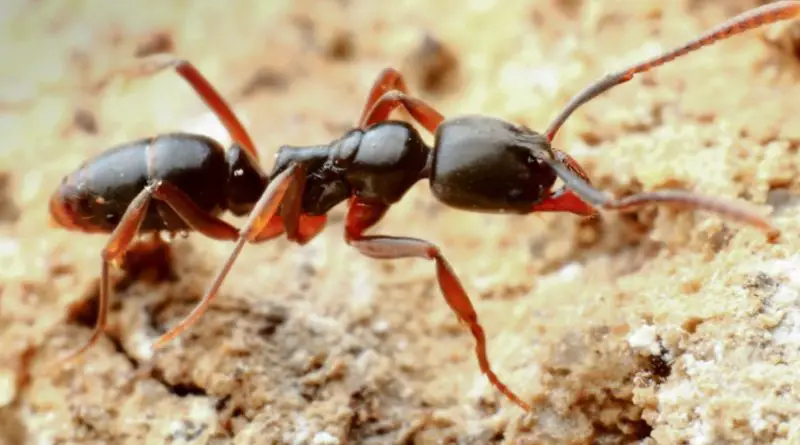
Georgia provides nearly ideal conditions for fire ants to thrive. The climate, soil composition, and human-altered landscapes all contribute to their success. Warm temperatures allow colonies to remain active for much of the year, while mild winters reduce mortality compared to colder regions.
One of the most important factors is soil disturbance. Fire ants prefer open, sunny areas where the ground has been recently disturbed. Lawns, construction sites, agricultural fields, and roadside edges all create ideal environments. These areas allow colonies to build mounds efficiently and expand without heavy competition from other species.
Moisture also plays a role. While fire ants can tolerate dry conditions, they are especially active after rainfall. Moist soil makes it easier to construct tunnels and mounds, and it often brings prey insects closer to the surface. This combination of factors increases colony activity and visibility.
Human activity unintentionally supports their spread. Movement of soil, plants, and landscaping materials can transport colonies from one location to another. Over time, this has allowed fire ants to establish themselves across much of Georgia, making them a persistent presence in both rural and urban environments.
What Actually Happens During a Fire Ant Sting
A fire ant sting is a coordinated defensive action rather than a single isolated event. When a colony is disturbed, worker ants respond quickly and collectively. They climb onto the perceived threat and begin to sting in unison.
Each ant uses its mandibles to anchor itself to the skin, then pivots to deliver a sting from its abdomen. This sting injects venom that produces the characteristic burning sensation. Unlike some insects, fire ants can sting multiple times, and a single encounter may involve dozens of individuals.
The venom contains alkaloids and proteins that trigger pain, inflammation, and immune responses. This is why the initial burning sensation is followed by redness, swelling, and eventually the formation of small pustules. These pustules are a distinctive feature of fire ant stings and can last for several days.
The experience is not just about the physical reaction. It is also about the speed and coordination of the ants. What feels like a sudden, overwhelming attack is actually a highly organized response designed to protect the colony.
The Unique Sting Pattern Most People Overlook
One of the most distinctive aspects of fire ant stings is the pattern in which they occur. Unlike solitary insect stings, fire ant stings often appear in clusters. This is because multiple ants sting at nearly the same time, creating a concentrated area of irritation.
These clusters often form on the lower legs, feet, or hands—areas that come into contact with the ground. The distribution of stings can provide clues about how the encounter happened. A tight grouping suggests direct contact with a mound, while a more scattered pattern may indicate ants climbing up from the ground.
The development of pustules is another key feature. Within a day or two, small white bumps form at the sting sites. These are not typical blisters but sterile pustules caused by the body’s reaction to the venom. They can be itchy and uncomfortable, but they are part of the normal healing process.
Understanding this pattern helps distinguish fire ant stings from other insect bites. It also explains why the experience can feel more intense than a single sting from another insect.
Why Fire Ants Seem to Attack “All at Once”
Many Georgia residents describe fire ant encounters as sudden and overwhelming, as if the ants appeared instantly and attacked without warning. In reality, this perception is shaped by the ants’ rapid response time and group behavior.
When a mound is disturbed, vibrations travel through the colony. Worker ants respond within seconds, emerging from the mound and moving toward the source of the disturbance. Their speed and numbers create the impression of an immediate swarm.
Once they reach the target, they climb quickly and begin stinging in a coordinated manner. Because multiple ants act simultaneously, the sensation is not gradual. It is immediate and intense, reinforcing the feeling of being attacked all at once.
This behavior is a survival mechanism. By responding quickly and collectively, fire ants increase the likelihood of deterring threats and protecting their colony. For humans, this translates into an experience that feels sudden and overwhelming.
Where Fire Ants Build Mounds Around Homes
Fire ant mounds are a common sight in Georgia, yet their placement often goes unnoticed until an encounter occurs. These mounds are not random. They are built in locations that provide optimal conditions for the colony.
Open lawns are one of the most common sites. Sunlight warms the soil, creating a favorable environment for brood development. Mounds in these areas can vary in size, from small, barely noticeable bumps to large, prominent structures.
Edges and transitions are also popular. The borders between lawns and driveways, garden beds, and sidewalks provide a mix of soil types and microclimates. These areas often support higher insect activity, which benefits the colony.
After rainfall, mounds may appear more suddenly and in greater numbers. Moist soil allows ants to rebuild and expand quickly, sometimes creating new mounds overnight. This can give the impression that colonies have appeared out of nowhere.
Recognizing these patterns can help residents identify and avoid high-risk areas.
Why Some Stings Become More Irritating Than Others
Not all fire ant stings feel the same, and several factors influence the severity of the reaction. One of the most important is the number of stings. A single sting may cause mild discomfort, while multiple stings can produce more intense pain and prolonged irritation.
Individual sensitivity also plays a role. Some people experience stronger immune responses, leading to increased swelling, redness, and itching. Others may have relatively mild reactions, even with multiple stings.
The location of the sting can affect perception as well. Areas with thinner skin or more nerve endings tend to be more sensitive. Stings on the feet or ankles, for example, may feel more intense than those on less sensitive areas.
Another factor is how the skin is treated after the sting. Scratching or breaking the pustules can lead to infection and prolong the healing process. Proper care helps reduce discomfort and supports faster recovery.
The Seasonal Behavior Behind Fire Ant Activity
Fire ant activity in Georgia follows clear seasonal patterns, though these patterns are often overlooked. Spring marks a period of expansion as colonies grow and new mounds appear. Warmer temperatures and increased rainfall create ideal conditions for development.
Summer brings peak activity. Colonies are at their largest, and worker ants are highly active in foraging and defense. This is when most stings occur, especially during outdoor activities.
In autumn, activity begins to slow. Colonies remain active, but growth decreases as temperatures gradually decline. Encounters may still happen, particularly on warmer days.
Winter reduces activity significantly, but it does not eliminate it entirely. Fire ants can survive colder conditions by retreating deeper into the soil. During mild periods, they may still emerge, leading to occasional encounters even in cooler months.
Understanding these seasonal shifts helps explain why fire ant stings are more common at certain times of year.
Why Fire Ants Continue to Spread Across Georgia
Fire ants are highly adaptable, and their spread across Georgia is driven by both natural and human factors. Their ability to establish new colonies quickly allows them to expand into new areas with relative ease.
Reproductive flights play a key role. During certain times of year, winged ants leave existing colonies to start new ones. These flights can cover significant distances, leading to the establishment of colonies far from the original site.
Human activity accelerates this process. Transporting soil, plants, and landscaping materials can move colonies unintentionally. This has contributed to their widespread presence across the state.
Their resilience also contributes to their success. Fire ants can recover from disturbances, rebuild mounds quickly, and adapt to changing conditions. This makes them difficult to control and allows them to maintain a strong presence in Georgia environments.
What To Do Immediately After Being Stung
Responding quickly and calmly to fire ant stings can help reduce discomfort and prevent complications. The first step is to move away from the area to avoid additional stings. Removing ants from the skin promptly is important.
Washing the affected area with soap and water helps reduce the risk of infection. Applying a cold compress can relieve pain and limit swelling. Over-the-counter treatments may also provide relief from itching and discomfort.
It is important to avoid scratching the pustules. Breaking them can lead to infection and prolong healing. Keeping the area clean and allowing it to heal naturally is the best approach.
Monitoring for signs of a more serious reaction is also essential. While most stings are mild, symptoms such as difficulty breathing or widespread swelling require immediate medical attention.
Preventing Fire Ant Encounters Around Your Home
Prevention focuses on reducing the conditions that support fire ant colonies. Regular inspection of yards and outdoor spaces helps identify mounds before they become a problem.
Maintaining lawns and landscaping can make areas less attractive to fire ants. Reducing soil disturbance, managing moisture, and keeping spaces clean all contribute to prevention.
Careful attention to outdoor activities is also important. Wearing protective footwear and being aware of where you step can reduce the likelihood of accidental encounters.
Community efforts can enhance effectiveness. Coordinated management across neighborhoods helps limit the spread and impact of fire ant populations.
The Ecological Role of Fire Ants in Georgia
Despite their negative reputation, fire ants play a role in Georgia’s ecosystems. They are predators of various insects, helping control populations that could otherwise become problematic.
They also contribute to soil aeration through their tunneling activities. This can influence soil structure and nutrient distribution, affecting plant growth.
However, their impact is complex. Fire ants can disrupt native species and alter ecological balances. Their presence highlights the challenges of managing invasive species in changing environments.
Understanding their role provides a more complete picture of their place in the ecosystem, even as efforts continue to manage their effects.
FAQs About Fire Ant Stings in Georgia
Why do fire ants sting in groups?
Fire ants are social insects that respond collectively to threats. When a mound is disturbed, multiple workers sting at the same time to defend the colony.
Are fire ant stings dangerous?
Most stings cause localized pain and irritation. However, allergic reactions can occur and may require medical attention.
How long do fire ant sting symptoms last?
Pain usually subsides within hours, but itching and pustules can last several days.
Why do pustules form after a sting?
Pustules are a reaction to the venom. They are a normal part of the healing process and should not be broken.
When are fire ants most active?
They are most active during warm months, especially in spring and summer.
How can I identify a fire ant mound?
Mounds appear as loose, dome-shaped piles of soil, often without a visible opening at the top.
Can fire ants survive winter in Georgia?
Yes, they can survive by retreating deeper into the soil and becoming less active.
What attracts fire ants to my yard?
Disturbed soil, moisture, and available food sources all contribute to fire ant activity.
Final Thoughts
Fire ant stings are a common experience in Georgia, but they are often misunderstood. What feels like a sudden and chaotic encounter is actually the result of organized behavior and environmental conditions that shape how these insects live and interact with their surroundings.
By understanding the patterns behind fire ant activity, residents can reduce the likelihood of stings and respond more effectively when they occur. Awareness transforms the experience from something unpredictable into something that can be anticipated and managed.
Fire ants are not just a nuisance. They are part of a larger ecological system that reflects the balance between human activity and natural processes. Recognizing that balance provides a deeper perspective on the environments we share and the small but powerful creatures that inhabit them.