
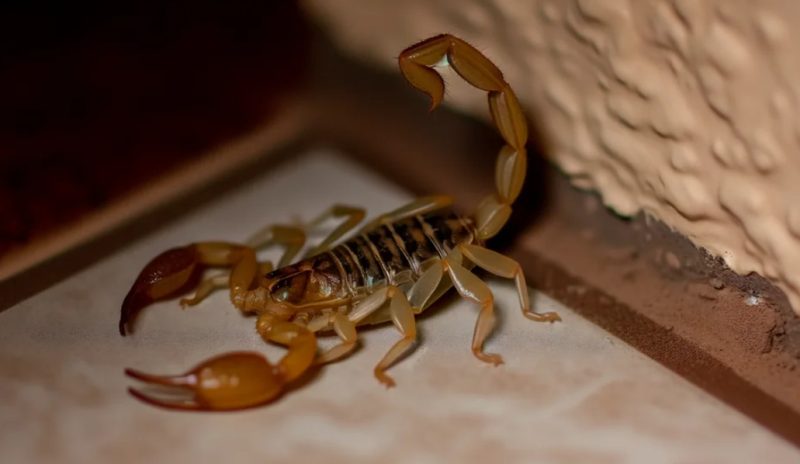
In New Mexico, scorpions exist as a quiet, often unseen presence woven into the rhythm of desert life. Many residents only think about them after a sting, when the sudden jolt of pain turns something hidden into something very real. Yet what most people do not realize is that scorpion encounters are rarely accidental in the way they seem. These moments are shaped by patterns of behavior, climate, and habitat overlap that play out every day across homes, yards, and natural spaces.
Scorpion stings carry a reputation that often leans toward fear, but the reality is more nuanced. While some species can deliver medically significant venom, most stings in New Mexico result in temporary discomfort rather than severe outcomes. The gap between perception and reality is wide, and it leads many residents to misunderstand both the risks and the behaviors that lead to encounters.
Understanding scorpions requires stepping beyond the moment of the sting. It involves recognizing how these animals move, where they hide, and why they come into contact with human environments. Once those patterns become clear, what once felt unpredictable begins to make sense.
Table of Contents
- 1 Why Scorpions Are So Common in New Mexico
- 2 What Actually Happens During a Scorpion Sting
- 3 The Nocturnal Behavior Most People Never See
- 4 Where Scorpions Hide Around New Mexico Homes
- 5 Why Some Stings Feel More Intense Than Others
- 6 The Seasonal Patterns Behind Scorpion Encounters
- 7 Why Scorpions Enter Homes in New Mexico
- 8 How Fear Often Exceeds the Actual Risk
- 9 What To Do Immediately After a Scorpion Sting
- 10 Preventing Scorpion Encounters Around Your Home
- 11 The Ecological Role of Scorpions in New Mexico
- 12 FAQs About Scorpion Stings in New Mexico
- 12.1 Are scorpion stings dangerous in New Mexico?
- 12.2 Why do scorpions sting people?
- 12.3 When are scorpions most active?
- 12.4 How can I tell if scorpions are in my home?
- 12.5 What should I do if I find a scorpion indoors?
- 12.6 Do all scorpions in New Mexico have dangerous venom?
- 12.7 How can I reduce the risk of being stung?
- 12.8 Do scorpions return to the same places?
- 13 Final Thoughts
Why Scorpions Are So Common in New Mexico
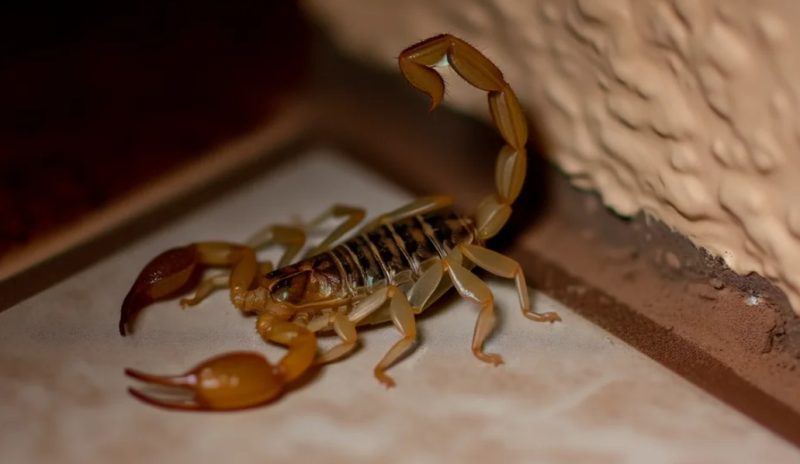
New Mexico’s landscape provides nearly ideal conditions for scorpions to thrive. Arid climates, rocky terrain, and wide temperature swings create an environment that supports their survival strategies. These animals are highly adapted to conserving moisture and avoiding extreme heat, which allows them to remain active even in challenging conditions.
One of the main reasons scorpions are so widespread is their ability to use small, protected spaces. They shelter under rocks, inside cracks, beneath debris, and within structural gaps around homes. These hiding spots offer both temperature stability and protection from predators. In residential areas, this means that scorpions can exist just a few feet away from human activity without being noticed.
Food availability is another factor. Scorpions feed on insects and other small arthropods, many of which are also drawn to human environments. Outdoor lighting, landscaping, and irrigation can increase insect populations, indirectly supporting scorpion activity. As a result, homes become part of a larger ecological system that sustains these predators.
Seasonal conditions also play a role. Warm nights, especially during late spring and summer, encourage movement and hunting behavior. During these periods, encounters become more likely as scorpions leave their shelters in search of food.
What Actually Happens During a Scorpion Sting
A scorpion sting is a defensive action, not an offensive one. When a scorpion feels threatened or is accidentally pressed against skin, it uses its stinger to deliver venom. This venom is a complex mixture of compounds designed to immobilize prey and deter predators.
The sensation of a sting is immediate and often described as sharp or burning. This is followed by localized symptoms such as tingling, numbness, or mild swelling. In most cases, these effects remain limited to the area around the sting.
However, the experience can vary depending on several factors. The species of scorpion, the amount of venom delivered, and the individual’s sensitivity all influence the outcome. In New Mexico, most species produce venom that is not life-threatening to healthy adults, though discomfort can still be significant.
The body’s response is part of a natural defense mechanism. Pain signals alert the individual to the presence of danger, while inflammation helps contain the affected area. Understanding this process helps explain why symptoms often peak quickly and then gradually subside.
The Nocturnal Behavior Most People Never See
Scorpions are primarily nocturnal, which means their most active periods occur at night. This behavior reduces exposure to daytime heat and helps them conserve moisture. It also means that most of their activity goes unnoticed by people.
After sunset, scorpions emerge from their shelters to hunt. They move slowly and deliberately, using sensory hairs on their bodies to detect vibrations and locate prey. This method of navigation is highly effective in low-light conditions.
In residential areas, nighttime activity often brings scorpions into closer contact with human spaces. Patios, garages, and even indoor areas can become part of their movement patterns. The presence of insects around lights or inside structures can draw them in.
Because this activity happens when most people are indoors or asleep, it creates the impression that scorpions appear suddenly and without warning. In reality, they are following consistent nightly routines that align with environmental conditions.
Where Scorpions Hide Around New Mexico Homes
Scorpions are masters of concealment, and their choice of hiding spots reflects their need for protection and stability. Around homes, they seek out areas that provide darkness, moisture retention, and shelter from temperature extremes.
Outdoor locations include rocks, woodpiles, garden edges, and debris. These areas offer natural cover and often support insect populations, making them ideal hunting grounds. Even small gaps in landscaping can serve as effective shelters.
Inside homes, scorpions may hide in shoes, clothing, bedding, or storage areas. They can enter through cracks, vents, or gaps around doors and windows. Once inside, they look for quiet, undisturbed spaces where they can remain hidden during the day.
Bathrooms and kitchens are particularly attractive due to the presence of water. Scorpions, like all living creatures, require moisture, and these areas provide a reliable source.
Understanding these hiding patterns is key to reducing the likelihood of encounters. Awareness allows residents to identify potential risk areas and take steps to minimize them.
Why Some Stings Feel More Intense Than Others
The severity of a scorpion sting can vary widely, and this variation often leads to confusion. One of the most important factors is the species involved. In New Mexico, certain species have more potent venom, which can produce stronger symptoms.
The location of the sting also matters. Areas with more nerve endings, such as fingers or toes, tend to produce sharper sensations. Stings on larger muscle areas may feel less intense but can still cause discomfort.
Individual sensitivity plays a significant role. Some people experience mild reactions, while others may develop more pronounced symptoms. Children and older adults can be more sensitive to venom effects, which may require closer monitoring.
Another factor is the amount of venom delivered. Not every sting involves the same quantity, and in some cases, a scorpion may deliver a minimal dose. This variability contributes to the range of experiences reported by different individuals.
The Seasonal Patterns Behind Scorpion Encounters
Scorpion activity in New Mexico follows clear seasonal patterns, though these patterns are often overlooked. Spring marks the beginning of increased movement as temperatures rise and food becomes more available.
Summer is the peak period for activity. Warm nights and abundant insect populations create ideal conditions for hunting. During this time, encounters with humans are most common, especially in outdoor settings.
Autumn brings gradual changes. As temperatures begin to drop, scorpions reduce their activity and spend more time in sheltered locations. Encounters become less frequent but can still occur during warmer evenings.
Winter is a period of relative inactivity. Scorpions remain hidden, conserving energy and avoiding cold conditions. However, indoor environments can still support occasional activity, particularly in heated spaces.
Recognizing these seasonal shifts helps explain why scorpion encounters seem to rise and fall throughout the year.
Why Scorpions Enter Homes in New Mexico
The idea that scorpions actively seek out homes is a common misconception. In most cases, they enter structures because those spaces meet their basic needs.
Shelter is a primary factor. Homes provide stable temperatures and protection from environmental extremes. Small openings allow scorpions to enter without difficulty, especially in older or less-sealed structures.
Food availability is another driver. Indoor insects, such as crickets or roaches, attract scorpions. Once a food source is established, they may remain in the area.
Moisture also plays a role. Leaks, condensation, and humid areas create conditions that support scorpion survival. Bathrooms, basements, and kitchens are common entry points.
These factors combine to make homes an extension of the surrounding environment rather than a separate space. Understanding this connection is key to prevention.
How Fear Often Exceeds the Actual Risk
Scorpions have a powerful psychological impact. Their appearance, combined with the idea of venom, creates a sense of danger that often exceeds the actual risk.
In New Mexico, most scorpion stings are not life-threatening. They cause pain and discomfort but resolve without serious complications. However, the fear associated with them can lead to heightened anxiety and overreaction.
Media portrayals and stories of severe cases contribute to this perception. While serious reactions can occur, they are less common than many people believe. This disconnect between perception and reality shapes how residents respond to scorpions.
Understanding the true level of risk allows for a more balanced approach. It encourages caution without unnecessary fear.
What To Do Immediately After a Scorpion Sting
Responding calmly and effectively to a scorpion sting can make a significant difference in the experience. The first step is to clean the area with soap and water to reduce the risk of infection.
Applying a cool compress can help manage pain and swelling. Keeping the affected area still and at a comfortable level may also reduce discomfort. Over-the-counter pain relief can be used if needed.
Monitoring symptoms is important. While most reactions remain mild, signs such as severe pain, muscle twitching, or difficulty breathing require medical attention. Children should be observed closely due to their increased sensitivity.
Avoiding panic is key. A controlled response allows for better decision-making and reduces the likelihood of complications.
Preventing Scorpion Encounters Around Your Home
Prevention focuses on reducing the factors that attract and support scorpion activity. Sealing cracks and gaps in walls, doors, and windows limits entry points. Regular maintenance plays a crucial role in keeping homes secure.
Managing outdoor environments is equally important. Removing debris, trimming vegetation, and keeping areas clean reduces hiding spots. Controlling insect populations also limits food sources.
Indoor habits matter as well. Shaking out shoes and clothing, especially in areas where scorpions are common, can prevent accidental contact. Keeping living spaces organized reduces potential hiding areas.
These measures create an environment that is less favorable for scorpions, lowering the chances of encounters.
The Ecological Role of Scorpions in New Mexico
Scorpions are an integral part of New Mexico’s ecosystems. As predators, they help control insect populations, contributing to ecological balance. Their presence supports a chain of interactions that extends beyond their immediate environment.
They are also prey for other animals, including birds, mammals, and reptiles. This places them within a broader food web, connecting them to multiple levels of the ecosystem.
Their ability to survive in harsh conditions highlights the resilience of desert life. Studying their behavior provides insights into adaptation and survival strategies in extreme environments.
While they may be unwelcome in homes, their role in nature is both important and complex.
FAQs About Scorpion Stings in New Mexico
Are scorpion stings dangerous in New Mexico?
Most stings result in localized pain and mild symptoms. Serious reactions are less common but can occur, especially in sensitive individuals.
Why do scorpions sting people?
Stings happen when scorpions feel threatened or are accidentally pressed against the skin. It is a defensive response rather than an aggressive action.
When are scorpions most active?
They are most active during warm months, particularly at night. Summer is the peak period for movement and encounters.
How can I tell if scorpions are in my home?
Signs include sightings, presence of insects, and potential entry points. Nighttime inspections may reveal activity that is not visible during the day.
What should I do if I find a scorpion indoors?
Use caution and avoid direct contact. Removing it safely or contacting pest control can help manage the situation.
Do all scorpions in New Mexico have dangerous venom?
No, most species have venom that causes discomfort but is not life-threatening to healthy adults.
How can I reduce the risk of being stung?
Maintaining a clean environment, sealing entry points, and being cautious in areas where scorpions may hide are effective strategies.
Do scorpions return to the same places?
They may revisit areas that provide shelter and food. Consistent conditions can lead to repeated activity in the same locations.
Final Thoughts
Scorpion stings in New Mexico are often surrounded by misunderstanding, shaped more by perception than by reality. These encounters are not unpredictable events but part of a broader pattern of behavior tied to environment, season, and survival.
By recognizing how scorpions live, move, and interact with human spaces, residents can reduce both the likelihood of stings and the fear associated with them. Knowledge transforms uncertainty into awareness, making it easier to coexist with these resilient creatures.
The presence of scorpions is a reminder of the complex ecosystems that exist even in the most familiar spaces. Understanding that complexity does not eliminate risk, but it does provide clarity and a sense of balance in how we respond to it.