
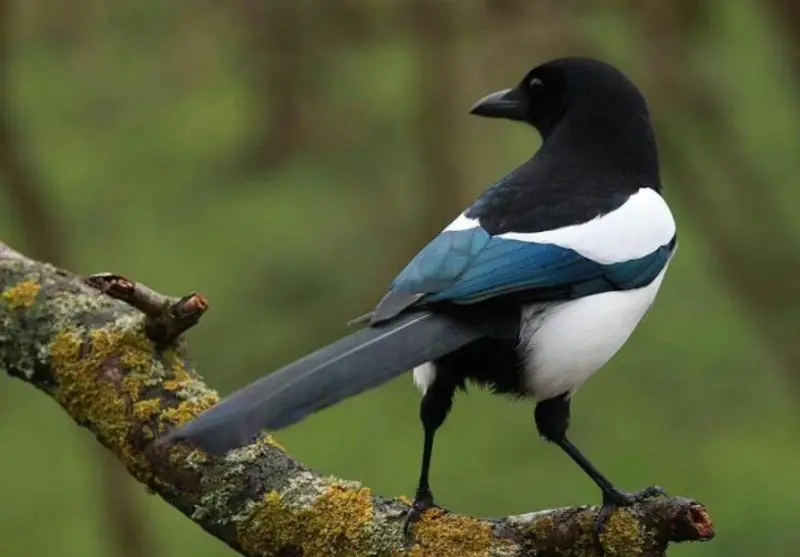
In Washington, magpies are not just occasional visitors flickering through the edges of neighborhoods. They are part of a quiet, structured system that unfolds across fields, suburban lots, and open landscapes in ways most residents never fully notice. At a glance, a magpie perched on a fence or hopping across a yard can seem like a simple, even decorative presence. But beneath that familiar black and white pattern is a bird operating with intention, memory, and an awareness of its environment that goes far beyond casual observation.
Many Washington residents assume magpies appear randomly, drifting through neighborhoods without pattern or purpose. That assumption feels natural because their movements are subtle. They do not arrive in obvious formations or announce themselves loudly the way some birds do. Instead, they slip into spaces, observe, forage, and move on in ways that blend seamlessly into the background of daily life. But their presence is not random. It is part of a consistent behavioral rhythm shaped by food, weather, territory, and long-term survival strategies.
Once you begin to understand how magpies actually live in Washington landscapes, your perspective shifts. The bird you thought was just passing through becomes part of a much larger story. A story of intelligence, adaptation, and quiet dominance in open environments where most people never realize how much is happening right in front of them.
Table of Contents
- 1 Magpies in Washington Are Not Equally Distributed
- 2 Why Open Spaces Matter More Than Trees
- 3 The Myth of Random Visits
- 4 Intelligence That Shapes Behavior
- 5 Seasonal Shifts That Go Unnoticed
- 6 Why Magpies Walk Instead of Fly
- 7 The Role of Human Activity
- 8 Social Structure Hidden in Plain Sight
- 9 Nesting Habits That Stay Hidden
- 10 Misunderstood Reputation
- 11 The Subtle Patterns Most People Miss
- 12 FAQs About Magpies in Washington Yards
- 12.1 Why do I only see magpies in certain parts of Washington?
- 12.2 Are magpies permanent residents in Washington?
- 12.3 What attracts magpies to my yard?
- 12.4 Do magpies remember specific locations?
- 12.5 Why do magpies walk so much?
- 12.6 Are magpies aggressive toward humans?
- 12.7 Do magpies live alone or in groups?
- 12.8 Why do magpies seem to disappear?
- 12.9 Can landscaping affect magpie visits?
- 12.10 Are magpies beneficial to the environment?
- 13 Final Thoughts
Magpies in Washington Are Not Equally Distributed
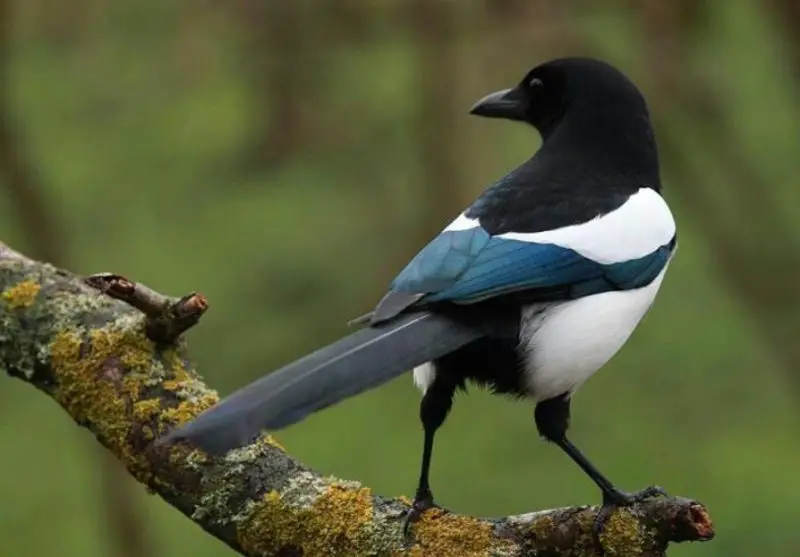
One of the first things most residents misunderstand is where magpies actually live within Washington. These birds are not spread evenly across the state. In fact, large portions of western Washington, especially areas with dense forests and heavy rainfall, have very few magpies.
Magpies are most common in eastern Washington, where the environment is drier, more open, and better suited to their feeding habits. Grasslands, agricultural fields, and semi-open suburban developments provide exactly the kind of space they prefer. These landscapes allow them to see predators, locate food, and move efficiently between feeding and resting areas.
This uneven distribution creates confusion. Someone living in Seattle or the coastal regions may rarely see magpies and assume they are uncommon. Meanwhile, residents in Spokane or the Columbia Basin may encounter them regularly and view them as a normal part of daily life. The difference is not random. It is driven by habitat suitability.
Magpies are not simply choosing where to go. They are selecting environments that match their ecological needs with precision.
Why Open Spaces Matter More Than Trees
At first glance, it might seem logical to assume that birds prefer dense tree cover. But magpies operate differently. They are birds of visibility, not concealment.
Open spaces allow magpies to scan the ground for insects, small animals, and carrion. Their feeding style relies heavily on sight. They walk, hop, pause, and observe. A cluttered environment limits this ability, making dense forests less suitable.
In Washington’s eastern regions, the combination of scattered trees and wide open ground creates an ideal balance. Trees provide nesting and resting sites, while open areas offer feeding opportunities. This dual structure is critical.
Suburban yards often replicate this environment unintentionally. Lawns, driveways, fences, and a few trees create a patchwork of open and semi-covered areas that magpies can use effectively. What looks like a simple yard to a homeowner can function as a highly efficient feeding zone for a magpie.
This is why you may see them walking confidently across your lawn rather than hiding in trees. They are not exposed. They are exactly where they want to be.
The Myth of Random Visits
Many residents believe magpies appear in their yards without pattern. A bird shows up one day, disappears the next, and returns weeks later. This creates the impression of randomness.
But magpie movement is rarely accidental. These birds have strong spatial memory and are capable of remembering locations where they have previously found food. If your yard has provided resources before, there is a high chance it will be revisited.
What appears to be inconsistency is often tied to timing. Magpies may rotate between multiple feeding locations across a larger territory. You may only see them when your yard falls within that rotation.
Weather, human activity, and seasonal changes also influence these visits. If conditions are not favorable, magpies may shift temporarily to other areas. But that does not mean they have forgotten your yard. It simply means they are adjusting their behavior based on current conditions.
Their movements follow logic, even if that logic is not immediately visible.
Intelligence That Shapes Behavior
Magpies belong to the corvid family, a group known for high intelligence. In Washington environments, this intelligence becomes especially apparent in how they interact with human spaces.
They learn quickly. They recognize patterns. They adapt to changes.
If a yard consistently offers food, whether through insects, scraps, or natural resources, magpies will incorporate it into their routine. If a location becomes less productive, they will shift elsewhere without hesitation.
They also demonstrate problem-solving abilities. Magpies can manipulate objects, remember hidden food sources, and even recognize individual humans over time. This level of awareness allows them to navigate suburban environments with surprising efficiency.
This intelligence is not flashy. It does not draw attention to itself. But it is constantly at work, shaping decisions that determine where and when magpies appear.
Seasonal Shifts That Go Unnoticed
In Washington, magpie behavior changes subtly across the seasons, but these changes often go unnoticed by residents.
During colder months, food becomes less abundant. Magpies respond by expanding their foraging range, increasing the likelihood that they will appear in residential areas. Yards that might be ignored during summer can become valuable feeding sites in winter.
In spring, breeding behavior begins to take priority. Magpies become more territorial, focusing on nesting sites and reducing their movement range. This can make them seem less visible, even if they are still nearby.
Summer brings another shift. With increased insect activity, food becomes more widely available, allowing magpies to disperse across larger areas. Their presence may feel less concentrated, leading to the impression that they have disappeared.
These changes are not random fluctuations. They are structured responses to environmental conditions, repeated year after year.
Why Magpies Walk Instead of Fly
One of the most distinctive behaviors of magpies is their tendency to walk across the ground rather than fly constantly. For many residents, this can seem unusual for a bird.
But this behavior is highly efficient.
Walking allows magpies to conserve energy while maintaining close contact with potential food sources. It also enables more precise searching. Instead of scanning from above, they can investigate small movements in the grass, soil, or debris.
Flight is used strategically, not continuously. Magpies will fly to move between areas, escape threats, or reach elevated perches. But once in a feeding zone, walking becomes the primary method of movement.
This grounded behavior often makes them more noticeable to humans. A bird on the ground feels closer, more present. But for the magpie, it is simply the most effective way to operate within that environment.
The Role of Human Activity
Human presence plays a complex role in magpie behavior. Contrary to what some might expect, magpies are not strictly avoidant of people. In fact, they often thrive in environments shaped by human activity.
Suburban and rural areas provide a mix of food sources, shelter, and reduced predator pressure. Garbage, compost, pet food, and even roadkill can become part of a magpie’s diet.
At the same time, magpies maintain a careful balance. They remain alert, ready to retreat if they perceive a threat. This creates a dynamic where they are both comfortable and cautious.
Your daily routines can influence their behavior. Regular outdoor activity, lawn maintenance, and even the timing of these actions can affect when magpies choose to visit.
They are not simply reacting. They are observing and adjusting.
Social Structure Hidden in Plain Sight
Magpies are often seen alone or in small numbers, leading many residents to assume they are solitary birds. In reality, their social structure is more complex.
They form loose family groups and maintain territories that can overlap with others. Communication between individuals occurs through calls, body language, and coordinated movement.
During certain times of the year, especially outside the breeding season, magpies may gather in larger groups. These gatherings can be brief and localized, making them easy to miss.
Even when a single magpie appears in your yard, it may be part of a broader network of individuals operating within the same area. The connections are not always visible, but they are present.
Nesting Habits That Stay Hidden
Magpie nests are large, complex structures, often built high in trees. Despite their size, they can be surprisingly difficult to spot.
In Washington, nesting typically occurs in areas with a combination of elevation and visibility. Trees near open spaces are ideal, allowing magpies to monitor their surroundings while protecting their young.
Once nesting begins, behavior changes. Magpies become more focused, more defensive, and less likely to wander widely. This can make them seem less active in residential areas, even if their nest is nearby.
The nesting period is a time of heightened awareness. Every movement is calculated, every decision tied to the survival of the next generation.
Misunderstood Reputation
Magpies have long carried a mixed reputation. Some view them as clever and fascinating. Others see them as noisy or even troublesome.
In Washington, this perception is shaped by limited interactions. A magpie that scavenges or calls loudly can leave a strong impression, but these behaviors are only part of a much larger picture.
They play an important ecological role. By consuming insects, small animals, and carrion, magpies help maintain balance within their environment. Their presence contributes to the health of local ecosystems, even if that contribution is not always visible.
Understanding this role shifts how they are perceived. They are not intruders. They are participants in a system that extends beyond individual yards.
The Subtle Patterns Most People Miss
If you watch magpies closely over time, patterns begin to emerge.
They follow similar routes.
They return to familiar spots.
They adjust their behavior based on time of day and environmental conditions.
These patterns are not obvious in a single observation. They require attention, patience, and a willingness to look beyond first impressions.
But once you see them, they change how you understand not just magpies, but the entire ecosystem around you.
FAQs About Magpies in Washington Yards
Why do I only see magpies in certain parts of Washington?
Magpies prefer open, dry environments. Eastern Washington provides ideal conditions, while dense, wet western regions are less suitable.
Are magpies permanent residents in Washington?
Yes, magpies are generally year-round residents, though their visibility changes with seasons and food availability.
What attracts magpies to my yard?
Food sources such as insects, scraps, and small animals, along with open space and nearby trees, make a yard appealing.
Do magpies remember specific locations?
Yes, they have strong memory and can return to places where they have successfully found food before.
Why do magpies walk so much?
Walking is an energy-efficient way to search for food and allows for more precise foraging.
Are magpies aggressive toward humans?
They are usually cautious rather than aggressive. However, they may become defensive near nesting sites.
Do magpies live alone or in groups?
They often operate within loose social groups, even if they appear alone at times.
Why do magpies seem to disappear?
Seasonal changes, breeding behavior, and shifts in food availability can all affect their visibility.
Can landscaping affect magpie visits?
Yes, yards with open space and natural food sources are more likely to attract them.
Are magpies beneficial to the environment?
They help control insect populations and clean up carrion, contributing to ecological balance.
Final Thoughts
Magpies in Washington are far more than occasional backyard visitors. They are intelligent, adaptive, and deeply connected to the landscapes they inhabit. Their movements, behaviors, and decisions are shaped by a complex interplay of factors that most residents never fully see.
What feels random is often structured. What seems simple is often sophisticated.
When you begin to pay closer attention, magpies reveal themselves as active participants in a living system that extends far beyond the boundaries of any single yard. They are not just part of the scenery. They are part of the story.
And once you recognize that, every encounter with them becomes something more.