
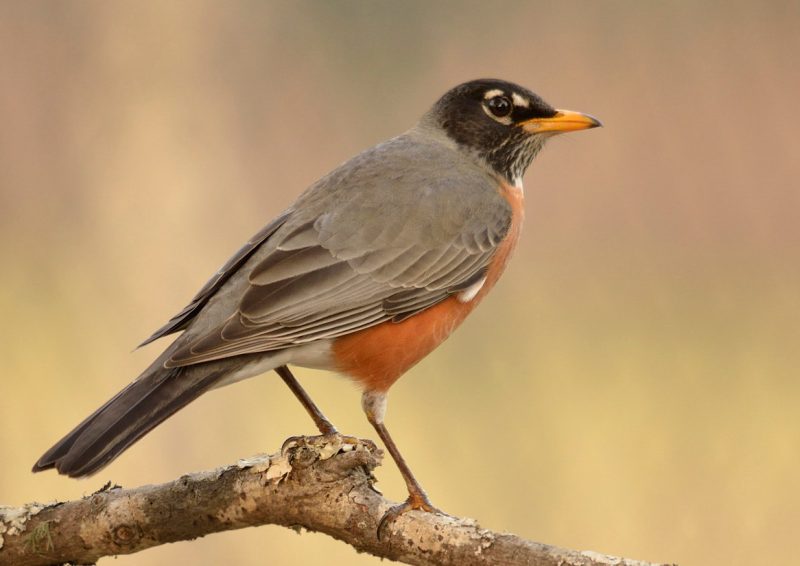
Robins are often seen as familiar, almost ordinary birds, yet in Florida they behave in ways that quietly defy expectations. Many residents assume these birds are year-round neighbors, hopping across lawns and perching on fences with predictable routines. But in reality, robins in Florida live lives shaped by movement, seasonal shifts, and subtle environmental cues that most people never notice.
What appears to be a simple backyard visit is often part of a much larger pattern. Robins are not just passing through randomly. Their presence is tied to food availability, weather transitions, and even invisible migratory routes that stretch across the continent. When you begin to look closer, their behavior reveals a level of intention and structure that transforms how you understand your backyard ecosystem.
In Florida, this story becomes even more interesting. Unlike northern states where robins are clear symbols of spring, Florida sits at the edge of multiple behavioral zones for these birds. Some robins stay, some pass through, and others arrive in waves, creating a dynamic pattern that feels inconsistent until you understand what is really happening beneath the surface.
Table of Contents
- 1 Robins in Florida Are Not Always Permanent Residents
- 2 Why Robins Prefer Florida Lawns in Winter
- 3 The Illusion of Solitary Behavior
- 4 Seasonal Silence and Sudden Activity
- 5 How Robins Navigate Suburban Spaces
- 6 The Hidden Role of Weather Patterns
- 7 Robins and the Subtle Impact of Backyard Choices
- 8 The Misunderstood Nature of Robin Migration
- 9 Why Robins Seem More Active at Certain Times of Year
- 10 The Overlooked Intelligence of Robins
- 11 FAQs About Robins in Florida Backyards
- 11.1 Why do robins suddenly appear in large numbers in my yard?
- 11.2 Are robins in Florida year-round residents?
- 11.3 What attracts robins to my backyard?
- 11.4 Why do robins disappear after a few weeks?
- 11.5 Do robins remember specific yards?
- 11.6 Are robins active all day?
- 11.7 How does rain affect robin behavior?
- 11.8 Can landscaping choices affect robin visits?
- 11.9 Do robins travel alone or in groups?
- 11.10 Why do robins seem quieter in summer?
- 12 Final Thoughts
Robins in Florida Are Not Always Permanent Residents
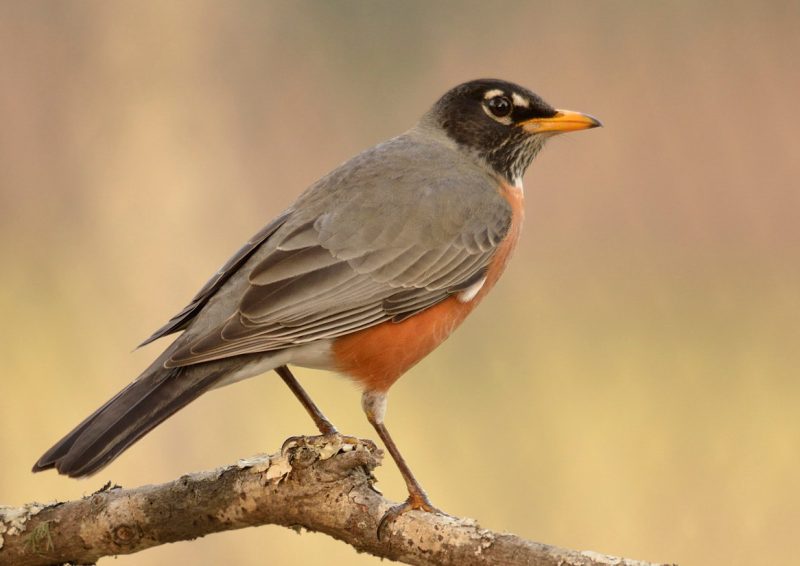
One of the most common misconceptions is that robins seen in Florida live there year-round. While it is true that some individuals may remain, the majority of robins observed in Florida backyards are seasonal visitors rather than permanent residents.
During the colder months in northern regions, robins migrate southward in search of more reliable food sources. Florida becomes a temporary refuge, offering milder temperatures and abundant resources. However, as spring approaches, many of these birds begin their journey north again, leaving behind quieter yards that suddenly feel empty.
This movement often goes unnoticed because robins do not migrate in obvious formations like geese. Instead, they travel in loose groups or waves, arriving and departing gradually. To the casual observer, it can seem as though the same birds are always present, when in fact entirely different individuals may be cycling through the same space.
Understanding this pattern changes how you interpret their presence. When robins appear in large numbers, it is not random. It is a signal of seasonal transition, a shift in ecological rhythms that your backyard is temporarily hosting.
Why Robins Prefer Florida Lawns in Winter
Florida lawns become prime feeding grounds for robins during the winter months, and this is not by coincidence. The structure of suburban yards provides ideal conditions for foraging, especially when compared to natural forest floors.
Robins primarily feed on earthworms, insects, and soft fruits. After rainfall, lawns in Florida become especially rich with accessible prey. The short grass allows robins to spot movement easily, while the moist soil makes digging effortless. This combination creates a feeding environment that is both efficient and reliable.
Additionally, many Florida landscapes include ornamental plants that produce berries during winter. These berries become an important secondary food source, especially during dry periods when insects are less available. Robins quickly learn to identify these resources and will return repeatedly to the same yards.
This behavior is not accidental wandering. It is a learned and repeated pattern. Once a robin identifies a productive feeding area, it often revisits it multiple times, sometimes bringing other robins along. Over time, your yard can become part of a temporary feeding network used by multiple birds.
The Illusion of Solitary Behavior
Many Florida residents believe robins are solitary birds because they often see them alone in their yards. However, this is a misleading impression created by timing and visibility.
In reality, robins are highly social, especially outside of the breeding season. During winter, they frequently gather in flocks that may number in the dozens or even hundreds. These flocks often remain hidden in tree canopies or wooded edges during the day, only dispersing briefly to feed.
When a single robin appears on your lawn, it is often just one member of a larger nearby group. Others may be waiting in trees, observing the area, or feeding in adjacent yards. The apparent solitude is simply a snapshot of a much larger social structure.
This behavior also explains why robins sometimes seem to appear suddenly in groups. When conditions are right, an entire flock may descend on a yard at once, creating a burst of activity that feels unexpected but is actually coordinated.
Seasonal Silence and Sudden Activity
One of the most puzzling aspects of robins in Florida is how they seem to disappear and reappear without warning. This pattern is closely tied to both seasonal changes and daily activity cycles.
During certain times of the year, especially late spring and summer, robins may be far less visible in Florida. Many have migrated north to breed, leaving behind only occasional individuals. This creates the impression that robins are inconsistent or unpredictable in their presence.
However, even when robins are present, their activity can vary dramatically throughout the day. Early morning and late afternoon are peak feeding times, while midday often sees reduced movement. If you are not observing at the right times, it can seem as though the birds are absent.
Weather also plays a significant role. After rain, robin activity increases sharply as worms rise to the surface. During dry or extremely hot conditions, activity may decrease as food becomes harder to access.
These fluctuations are not random. They are responses to environmental conditions, finely tuned to maximize energy efficiency and survival.
Florida’s suburban environments present a unique landscape that robins have adapted to with surprising skill. These birds are not simply surviving in human-dominated areas. They are actively using them to their advantage.
Fences, roofs, and utility lines provide elevated perches for spotting prey. Lawns offer open feeding areas, while trees and shrubs provide cover from predators. Even artificial lighting can extend feeding opportunities by attracting insects during early morning or evening hours.
Robins also show a strong ability to remember locations. They can identify specific yards that consistently provide food and will return to them repeatedly. This creates the impression that certain robins are “regular visitors,” even though the individuals may change over time.
This adaptability is one of the key reasons robins are so widespread. They are not limited to natural habitats but can integrate seamlessly into human environments, turning backyards into functional parts of their ecological network.
The Hidden Role of Weather Patterns
In Florida, weather is a powerful force shaping robin behavior. Subtle shifts in temperature, rainfall, and humidity can influence when and where robins appear.
Cold fronts moving through the state often trigger increased robin activity. As temperatures drop slightly, birds become more active in foraging, preparing for changes in food availability. At the same time, these fronts can bring new waves of migrating robins into the area.
Rainfall is particularly important. Wet conditions make earthworms more accessible, leading to bursts of feeding activity. After a storm, it is common to see multiple robins actively searching lawns, taking advantage of the temporary abundance.
Conversely, extended dry periods can reduce visible activity. When the ground hardens, worms retreat deeper into the soil, making them harder to reach. During these times, robins may rely more heavily on berries or move to areas with better conditions.
These patterns create a dynamic relationship between robins and their environment. Their movements are closely tied to weather, even when those connections are not immediately obvious.
Robins and the Subtle Impact of Backyard Choices
The way a backyard is maintained can have a significant influence on robin activity. Small changes in landscaping, watering, and plant selection can alter how attractive a space is to these birds.
Lawns that are regularly watered tend to support more earthworms, making them more appealing feeding grounds. Similarly, yards with a mix of grass and natural areas often provide a balance of open space and cover that robins prefer.
The presence of fruiting plants can also play a major role. Trees and shrubs that produce berries during winter become valuable food sources, especially when insect availability is low. Robins are quick to locate and exploit these resources.
On the other hand, heavily treated lawns with pesticides can reduce insect populations, making them less attractive. Overly manicured landscapes may also lack the diversity needed to support consistent feeding.
These factors highlight an important point. Robins are not just visitors. They are responding directly to the conditions you create in your yard. Their presence reflects the ecological quality of the space, even if that connection is not immediately visible.
The Misunderstood Nature of Robin Migration
Migration is often imagined as a simple journey from one place to another, but for robins, it is far more complex. Their movements are flexible, influenced by food availability rather than strict seasonal rules.
Some robins may travel long distances between breeding and wintering grounds, while others may only move short distances or remain in the same region year-round. This variability is especially noticeable in Florida, where conditions can support both residents and migrants.
Robins do not follow a single, fixed route. Instead, they adjust their paths based on environmental conditions. If food is abundant, they may stay longer in one area. If conditions change, they may move quickly to another location.
This flexibility creates the impression of unpredictability, but it is actually a highly adaptive strategy. By responding to real-time conditions, robins increase their chances of survival in changing environments.
Why Robins Seem More Active at Certain Times of Year
Florida residents often notice that robins are more visible during certain months, particularly in winter and early spring. This pattern is directly linked to migration and resource availability.
During winter, large numbers of robins move into Florida, increasing overall visibility. At the same time, food sources such as berries and worms are more concentrated, leading to higher activity levels in specific areas.
As spring progresses, many robins begin to migrate north for breeding. This results in a noticeable decline in local populations, making the birds seem less common.
However, this does not mean robins have disappeared entirely. Smaller numbers may remain, but their reduced presence and quieter behavior make them less noticeable.
This cycle repeats each year, creating a rhythm that becomes more predictable once you understand the underlying patterns.
The Overlooked Intelligence of Robins
Robins are often seen as simple birds, but their behavior suggests a higher level of intelligence than many people realize. They are capable of learning, memory, and problem-solving in ways that support their survival.
They can identify productive feeding areas and remember them over time. They adjust their behavior based on environmental conditions, switching between food sources as needed. They also show awareness of predators, using cover and vantage points strategically.
This intelligence is subtle but significant. It allows robins to thrive in a wide range of environments, from dense forests to suburban neighborhoods.
When you observe robins closely, their actions begin to reveal a level of intention that challenges the idea of them as ordinary or predictable birds.
FAQs About Robins in Florida Backyards
Why do robins suddenly appear in large numbers in my yard?
This usually happens during migration or when a flock has identified your yard as a reliable food source. Robins often travel and feed in groups, even if they are not always visible together.
Are robins in Florida year-round residents?
Some may stay, but many are seasonal visitors that migrate from northern regions during winter. Their presence often changes throughout the year.
What attracts robins to my backyard?
Robins are drawn to areas with accessible food, especially earthworms and berries. Moist soil, short grass, and fruiting plants all increase the likelihood of visits.
Why do robins disappear after a few weeks?
This is often due to migration or changes in food availability. When conditions shift, robins may move to new areas that better meet their needs.
Do robins remember specific yards?
Yes, robins can remember locations that provide consistent food sources. They may return repeatedly to the same yard if conditions remain favorable.
Are robins active all day?
No, they are most active during early morning and late afternoon. Midday activity is usually lower, especially in hot weather.
How does rain affect robin behavior?
Rain increases access to earthworms, leading to higher feeding activity. After a storm, robins are often more visible and active.
Can landscaping choices affect robin visits?
Yes, factors like watering, plant selection, and pesticide use can influence how attractive your yard is to robins.
Do robins travel alone or in groups?
They often travel and feed in groups, especially outside the breeding season. What appears to be a solitary bird is often part of a larger nearby flock.
Why do robins seem quieter in summer?
Many robins migrate north to breed during this time, reducing their presence in Florida. Those that remain may also be less active or more hidden.
Final Thoughts
Robins in Florida are far more complex than they first appear. What seems like a simple backyard bird is actually part of a constantly shifting network of movement, behavior, and environmental interaction. Their presence is not random. It reflects deeper patterns tied to seasons, weather, and the subtle balance of resources.
When you begin to notice these patterns, your perspective changes. A robin on your lawn is no longer just a passing moment. It becomes part of a larger story unfolding quietly across landscapes and seasons. Each visit carries meaning, shaped by decisions the bird has made based on survival and opportunity.
Florida backyards are not just spaces for human enjoyment. They are active environments where wildlife adapts, responds, and thrives in ways that often go unnoticed. Robins are one of the clearest examples of this hidden complexity.
And once you see it, you cannot unsee it.