

Winter in Colorado transforms mountains, canyons, and high plateaus into frozen landscapes. Snow blankets steep terrain, winds sweep through exposed ridges, and temperatures drop sharply, especially at night. For bighorn sheep, these conditions create one of the most demanding feeding seasons of the year. Their winter diet is not about abundance but about survival, efficiency, and adaptation to Colorado’s rugged environments.
Bighorn sheep are well known for their strength, agility, and ability to thrive in harsh mountain habitats. However, survival in winter depends heavily on what they can eat and where they can find it. Food becomes limited, buried, and difficult to reach, meaning every bite must count. Understanding what bighorn sheep eat in Colorado winter reveals how resilient they are and how finely adapted their bodies and behavior are to the Rocky Mountain ecosystem.
Winter food choices affect energy levels, movement patterns, herd health, and future reproduction. Their ability to locate, use, and conserve winter food resources ultimately determines survival. Colorado’s bighorn sheep are living demonstrations of how wildlife can endure severe winter environments through smart feeding strategies and biological adaptation.
Table of Contents
- 1 How Colorado’s Winter Conditions Shape Bighorn Sheep Feeding Behavior
- 2 What Bighorn Sheep Eat in Colorado Winter
- 3 Where Bighorn Sheep Go to Find Winter Food
- 4 Why the Winter Diet Is So Important for Bighorn Sheep Survival
- 5 Human Influences on Winter Diet and Habitat
- 6 FAQs About What Bighorn Sheep Eat in Colorado Winter
- 6.1 Do bighorn sheep struggle to find food in winter?
- 6.2 What is their most important winter food?
- 6.3 Do bighorn sheep dig through snow to find food?
- 6.4 Do they eat tree bark in winter?
- 6.5 Do they lose weight during winter?
- 6.6 Why do bighorn sheep move to lower elevations in winter?
- 6.7 Does winter diet affect lamb survival?
- 6.8 Are human activities affecting their winter feeding?
- 7 Final Thoughts
How Colorado’s Winter Conditions Shape Bighorn Sheep Feeding Behavior
Snow Depth and Terrain Control Access to Food
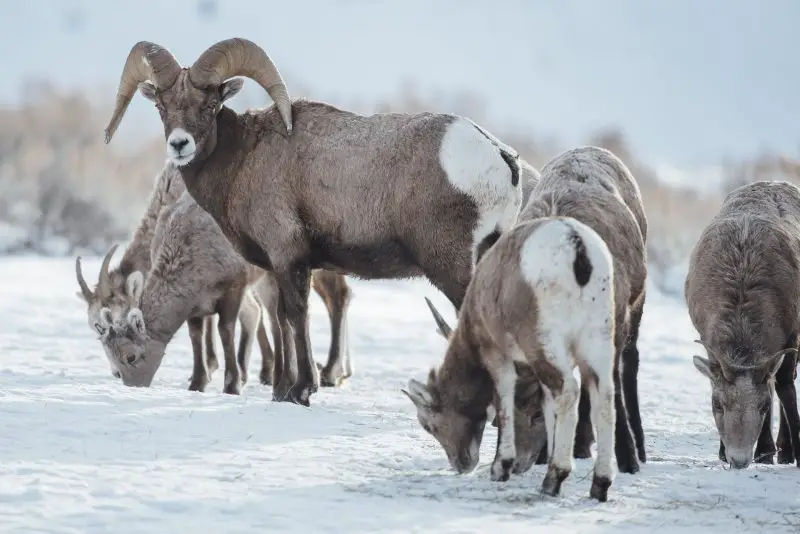
Snow depth is one of the most powerful winter influences on bighorn sheep diet. Unlike animals that travel into dense forests or migrate far distances, many bighorn sheep remain in rocky slopes, cliffs, and open mountain faces. Deep snow can bury vegetation and make movement costly. Because winter survival is an energy equation, bighorn sheep choose habitats where snow is naturally shallower.
Wind-exposed ridges, sun-facing slopes, rocky outcrops, and steep terrain often hold less snow. Vegetation remains partially exposed, allowing sheep to browse and graze with less effort. These locations also help them avoid predators and maintain visibility. Winter food access is therefore as much about landscape choice as it is about diet itself. Every feeding area is selected carefully to reduce energy loss and maximize access to edible plants.
Energy Conservation Is Critical to Survival
Winter feeding for bighorn sheep is not constant, aggressive, or exploratory. Instead, it is energy efficient and strategic. Cold temperatures increase metabolic demands, meaning sheep must balance caloric intake with heat maintenance. Traveling through deep snow wastes precious energy, so they limit unnecessary movement. Staying in manageable terrain helps conserve strength while still allowing feeding.
They feed steadily rather than excessively, using digestive efficiency to extract nutrients from tough winter plants. Bighorn sheep also rely on fat reserves gained during warmer seasons. Winter diet supports, extends, and protects these reserves. The combination of selective feeding and careful activity management is essential to enduring long Colorado winters.
Physiology Supports Tough Winter Diets
Bighorn sheep do not survive winter simply because they “find food.” They survive because their bodies are highly specialized to process difficult, fibrous vegetation. As ruminants, they possess a complex multi-chambered stomach capable of breaking down plants that many animals cannot digest effectively. This allows them to gain energy from coarse grasses, shrubs, and woody material that remain available in winter.
Their digestive system works slowly and efficiently, extracting maximum nutrition from every bite. This adaptation allows bighorn sheep to survive on plants that appear nutritionally poor but still provide critical sustenance. Biology and diet work together to make winter survival possible.
What Bighorn Sheep Eat in Colorado Winter
Dried Grasses Beneath the Snow
Even when winter removes lush summer meadows, grasses remain one of the most important winter foods for Colorado bighorn sheep. Although grasses become dry, fiber-rich, and lower in nutrients, they still provide essential calories and digestive support. Sheep use their hooves and grazing technique to uncover patches of grasses buried beneath shallow snow or exposed by wind.
Lower elevation slopes, open ridges, and sun-facing hillsides often retain accessible grass. These grasses help maintain rumen function, provide steady energy, and support overall winter endurance. In many Colorado winter ranges, dried grasses form a dependable foundation of the diet when other food sources are limited.
Grasses do not need to be lush to be valuable. For bighorn sheep, “just enough” is often the difference between survival and energy depletion.
Sedges and Other Ground Vegetation
Along drainage areas, wet meadow zones, and foothill habitats, sedges and other ground vegetation provide winter feeding opportunity. These plants often grow in environments where snow may melt periodically or remain shallower. As a result, bighorn sheep can access them more easily during feeding periods throughout winter.
Sedges offer moisture retention, moderate nutritional value, and reliable availability through much of the cold season. Even when other plants become brittle or unreachable, sedges can persist as functional winter forage. Colorado herds that winter in areas with stream corridors or lower grass valleys benefit greatly from these persistent ground plants.
This vegetation helps balance diet variety, strengthening long-term winter resilience.
Shrubs and Woody Browse
As winter advances and grazing becomes increasingly difficult, bighorn sheep depend more heavily on shrubs. These plants stand above the snow layer, making them accessible when ground-level vegetation becomes hidden. Shrubs are one of the most important winter lifelines for bighorn sheep in Colorado.
Mountain Mahogany
Mountain mahogany is among the most valuable winter shrubs for bighorn sheep. It grows in rocky slopes, foothills, and open mountain environments—exactly where sheep prefer to live. The plant remains accessible above snow cover and maintains usable nutrients throughout winter. Bighorn sheep browse its twigs and leaves, gaining protein and fiber necessary for sustaining body condition.
Bitterbrush
Bitterbrush is another key winter food source. Despite its name, bighorn sheep readily consume it when grasses decline. Bitterbrush is hearty, evergreen in many conditions, and structurally strong against winter conditions. Because it stays exposed in shallow-snow environments, it becomes one of the few reliable shrubs available consistently throughout the season.
Sagebrush and Other Browse
In some habitats, sagebrush, rabbitbrush, and other woody shrubs also contribute to winter feeding. These plants stand above snow, making browsing easier. They supply fiber and nutrients when alternative vegetation is buried or reduced. While not always the primary preference in other seasons, shrubs become essential in winter. Availability often outweighs preference.
Shrubs collectively form one of the most critical components of bighorn sheep winter diet across Colorado’s mountain ecosystems.
Forbs and Residual Plant Material
Even in harsh conditions, bits of dried forbs and seasonal vegetation remain available in winter landscapes. Bighorn sheep occasionally uncover and feed on remaining plant material when conditions allow. These leftovers provide additional nutrients and diet diversity.
Wind-swept ridges, rocky edges, and exposed soil patches sometimes reveal vegetation patches that escaped deep snow cover. Bighorn sheep utilize these whenever possible, supplementing their primary winter foods. Although not the dominant winter resource, these scattered plant remnants still play an important role in supporting nutritional balance.
In winter survival, every small calorie source matters.
Lichens and Mosses in Harsh Conditions
In extremely harsh winters or challenging terrain, bighorn sheep may consume lichens and mosses growing on rocks and exposed surfaces. These organisms may appear insignificant, but they provide trace nutrients that can support sheep when other vegetation becomes scarce.
Lichens thrive in rocky alpine environments, the same environments bighorn sheep occupy. During severe winter stress, these subtle food sources contribute to survival. While not a primary winter staple, lichens and mosses highlight the incredible adaptability of bighorn sheep feeding behavior.
This willingness to utilize almost any edible plant material reinforces their classification as capable winter survivors.
Where Bighorn Sheep Go to Find Winter Food
Lower Elevations and Winter Range Movement
Colorado bighorn sheep typically migrate to winter ranges that provide better food access than summer habitats. These winter areas are usually lower in elevation, warmer, and receive less snow accumulation. The shift is not always dramatic, but even small elevation changes can significantly improve feeding conditions.
Lower elevations provide lighter snow, exposed vegetation, and more shrubs. These regions help sheep conserve energy while still accessing essential food. Winter range management is therefore critical for herd stability. Without suitable winter territories, survival rates would decline.
This seasonal movement reflects a long-evolving natural strategy.
Wind-Exposed Ridges and Sunny Slopes
Wind is often an ally for bighorn sheep in winter. By blowing snow away, wind exposes patches of vegetation that would otherwise remain buried. Sheep actively seek these ridges and open slopes because food becomes easier to reach. Sun-exposed slopes also melt faster, producing similar benefits.
These environments allow bighorn sheep to graze and browse without spending unnecessary energy digging through deep snow. Winter survival is repeatedly tied to how effectively sheep can minimize physical effort while feeding. Wind-exposed terrain is one of their most reliable natural advantages.
Their instinctive knowledge of these landscapes shows how deeply winter survival is rooted in behavior and experience.
Why the Winter Diet Is So Important for Bighorn Sheep Survival
Maintaining Body Condition Through Harsh Weather
Winter food supplies are not simply about moment-to-moment survival; they determine overall body condition. Bighorn sheep must maintain muscle strength, fat reserves, and metabolic function through freezing months. A poor winter diet leads to weakness, vulnerability to disease, and increased mortality.
Strong winter nutrition also prepares sheep for spring, when breeding, lambing, and renewed activity require additional energy. Winter success directly influences herd strength in the coming year. Every winter bite contributes to long-term survival.
Their diet is therefore a direct link between environment, health, and population stability.
Supporting Reproduction and Herd Health
Ewes that receive adequate winter nutrition are more likely to produce healthy lambs and sustain lactation in spring. Rams benefit as well, maintaining body strength following intense autumn rut activity. Winter diet ensures recovery and readiness for the next life cycle phase.
If winter resources decline due to habitat loss, climate change, or human disruption, reproductive success declines too. This makes winter diet not only a survival issue but a conservation priority. Protecting winter feeding habitats directly supports Colorado’s iconic bighorn sheep populations.
Healthy winter diet equals healthy future herds.
Human Influences on Winter Diet and Habitat
Habitat Fragmentation and Disturbance
Human development, recreation pressure, and habitat fragmentation can interfere with winter range access. Roads, expanding housing areas, resource extraction, and unmanaged recreation can push bighorn sheep away from the very habitats they need most. When displaced, they expend extra energy and lose access to key food resources.
This increases winter stress and weakens survival stability. Protecting winter feeding landscapes and minimizing disturbance are essential to maintaining strong populations. Winter food availability is inseparable from habitat protection.
Conservation Efforts and Winter Range Protection
Colorado wildlife agencies, conservation organizations, and land managers work continuously to protect critical winter range. Efforts include habitat restoration, controlled land use, limiting disturbance, and monitoring herd health closely. These actions help ensure bighorn sheep continue to access shrubs, grasses, and vegetation that sustain them in the harshest months.
Winter protection is at the center of long-term conservation success. Maintaining healthy ecosystems ensures that future generations will continue to see bighorn sheep thriving on Colorado’s rugged mountainsides.
FAQs About What Bighorn Sheep Eat in Colorado Winter
Do bighorn sheep struggle to find food in winter?
Winter is challenging, but they survive through specialized feeding behavior, habitat selection, and biological adaptation.
What is their most important winter food?
Dried grasses, shrubs such as mountain mahogany and bitterbrush, sedges, and exposed vegetation form the core winter diet.
Do bighorn sheep dig through snow to find food?
They sometimes do, but they prefer wind-swept slopes and exposed terrain where snow is naturally shallower.
Do they eat tree bark in winter?
Unlike some mammals, bighorn sheep primarily rely on grasses and shrubs rather than tree bark.
Do they lose weight during winter?
Yes, some weight loss is natural, but sufficient winter diet prevents dangerous decline.
Why do bighorn sheep move to lower elevations in winter?
Lower areas often have less snow, more shrubs, and easier feeding access.
Does winter diet affect lamb survival?
Absolutely. Ewes with strong winter nutrition produce healthier lambs in spring.
Are human activities affecting their winter feeding?
Yes, habitat loss and disturbance can limit winter feeding opportunities, making conservation essential.
Final Thoughts
Winter in Colorado is a powerful test of endurance, and bighorn sheep pass it through adaptation, intelligence, and biological strength. Their winter diet—built from dried grasses, shrubs, sedges, and exposed vegetation—keeps them alive when conditions appear impossible. Every feeding decision is shaped by terrain, snow depth, energy conservation, and natural instinct.
Their survival depends not on abundance but on resilience and access to the right habitats. Protecting winter range ensures that these iconic mountain animals continue to stand proudly on Colorado cliffs, thriving through every season. Bighorn sheep remain symbols of toughness, balance, and natural endurance in one of America’s most spectacular winter landscapes.