
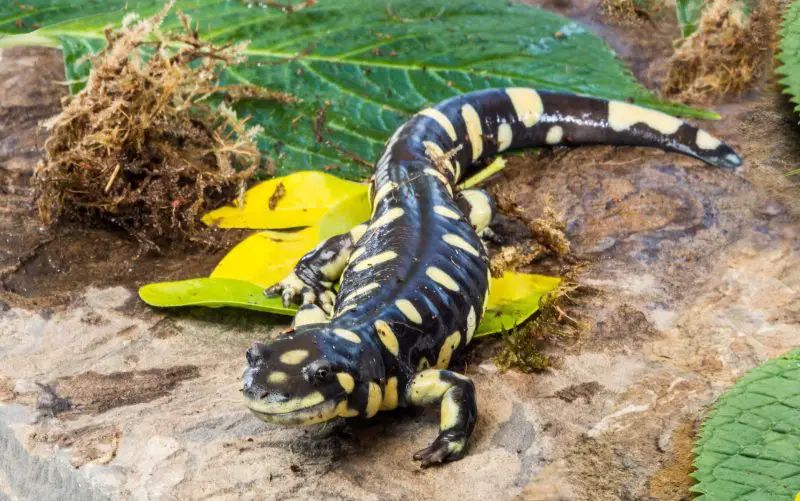
Winter in California is far more complex than just “cold weather.” The state stretches from snow-covered Sierra Nevada mountains to moist coastal forests, rainy valleys, and mild southern climates. For salamanders, winter is a season of opportunity in some places and survival difficulty in others. Their feeding behavior changes with moisture levels, temperature, habitat, and species biology. Understanding what salamanders eat in California during winter reveals how adaptable and ecologically important these amphibians truly are.
Unlike many reptiles that slow down completely, salamanders respond differently depending on species and environment. Some remain active in moist winter habitats. Others become less active or enter dormancy in freezing or extremely dry conditions. No matter their strategy, food availability in winter shapes survival, health, and breeding success. Salamanders rely on hidden prey, underground life, and cold-tolerant invertebrates to survive California’s winter season.
Salamanders may look delicate, but they are highly specialized winter survivors. Their winter diet connects them to soil ecosystems, forest health, and natural balance. To understand what they eat, we must first understand how California’s winter affects their bodies and habitats.
Table of Contents
- 1 How Winter Conditions Affect Salamander Feeding
- 2 What Salamanders Eat in California Winter
- 3 Do All Salamanders Eat the Same Thing in Winter?
- 4 How Salamanders Hunt in Winter
- 5 Why Winter Diet Matters for Salamander Survival
- 6 FAQs About What Salamanders Eat in California Winter
- 6.1 Do salamanders eat in winter or stop feeding completely?
- 6.2 What is the most common winter food for salamanders?
- 6.3 Do salamanders ever eat plants in winter?
- 6.4 Do California salamanders hibernate in winter?
- 6.5 Do salamanders hunt during the day in winter?
- 6.6 Do salamanders eat mosquitoes or flies in winter?
- 6.7 Does rainfall increase salamander feeding?
- 6.8 Do salamanders help control pests in winter?
- 7 Final Thoughts
How Winter Conditions Affect Salamander Feeding
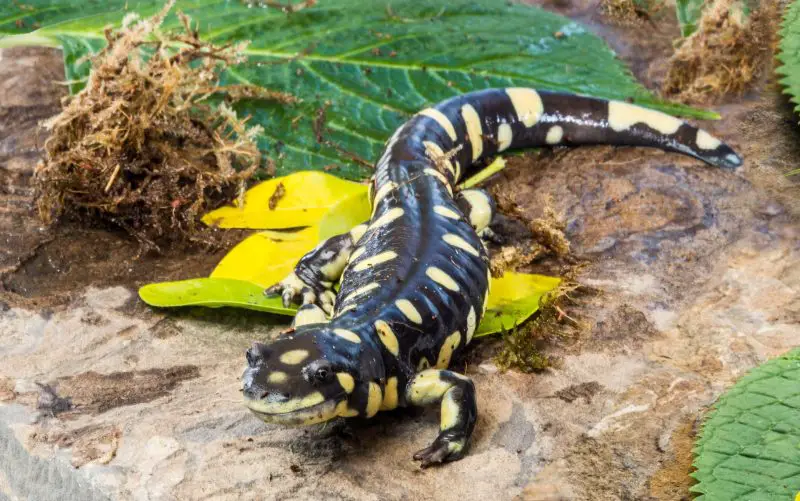
Moisture Is More Important Than Temperature
For salamanders, water is everything. They breathe through their skin or partially depend on moisture to support oxygen absorption. Winter feeding success is closely tied to humidity and rainfall rather than simply how cold the season becomes. In many California regions, winter is actually the wet season, making it one of the best times for salamanders to feed.
Rain opens soil pores, wakes underground invertebrates, and softens leaf litter. This creates perfect hunting conditions. Salamanders come out at night or remain beneath logs and rocks, feeding on insects that thrive in damp environments. In contrast, dry winter regions make salamanders retreat underground, reducing feeding activity. Moisture decides whether winter is a feast or fasting period.
Habitat Type Determines Winter Opportunity
California hosts dozens of salamander species across varied ecosystems. Coastal redwood forests provide year-round dampness, allowing salamanders to stay active and hunt all winter. Oak woodlands and foothill regions offer seasonal moisture, meaning salamanders feed most heavily after rainstorms. Mountain salamanders face colder conditions, forcing deeper retreat during freezing periods.
Urban-edge salamanders survive in surprisingly human-influenced environments like gardens, parks, and irrigated landscapes. Here, winter irrigation, shaded spaces, and artificial moisture sometimes sustain prey availability. Habitat diversity means winter diet diversity. Salamanders adjust feeding behavior with remarkable precision to match their environment.
Metabolism and Winter Energy Needs
Salamanders are ectotherms. Their body temperature follows environmental conditions. Cold weather slows metabolism, and when metabolism slows, the need for food decreases. However, when conditions warm slightly or rain arrives, salamanders become active again and resume feeding. Winter feeding is not constant; it is strategic and opportunity-based.
This biological rhythm allows salamanders to conserve energy when prey is limited while taking advantage of seasonal abundance when available. Their survival depends on how efficiently they balance feeding bursts with periods of rest. Because of this, winter diet plays a direct role in long-term health and spring breeding readiness.
What Salamanders Eat in California Winter
Small Insects
Small insects are one of the most reliable winter foods for salamanders in California. Many insects, especially cold-tolerant species, remain active beneath leaf litter, bark, and soil surfaces. Salamanders feed on ants, beetles, small roaches, and tiny ground-dwelling insects whenever they become accessible. Their hunting is stealthy, patient, and highly effective in confined spaces.
Winter insects move slower, making capture easier. Salamanders use keen senses and quick reflexes to strike with precision. Because insects are protein-rich, they provide essential energy needed to sustain salamanders through winter activity bursts. In wet winter forests, insects often form a primary dietary backbone.
This connection between salamanders and insects helps maintain natural pest balance. Salamanders quietly prevent certain insect species from overwhelming ecosystems. Even in winter, their role as insect regulators remains important.
Worms and Soft-Bodied Soil Creatures
Earthworms and soft-bodied invertebrates play a major role in salamander diets, especially in moist winter soils. Rain-softened ground allows salamanders to locate and consume worms beneath the surface. Worms are rich in nutrients, easy to digest, and abundant during rainfall seasons, making winter feeding especially productive in wet environments.
Worms are particularly important for lungless salamanders, which rely on constant skin moisture to breathe. These salamanders thrive in damp winter forest floors where worms remain active. Their quiet feeding beneath leaves and wood debris keeps them safer from predators while supplying sustained nutrition.
This type of feeding also helps recycle nutrients within soil ecosystems. Salamanders indirectly participate in soil health by contributing to invertebrate population control and organic material processing. Winter feeding strengthens the ecological web beneath the forest floor.
Beetles and Beetle Larvae
Beetles remain accessible during winter more than many insects because their larvae and adults often live under bark, logs, or underground. Salamanders use their tongues and quick jaw strikes to capture them. Beetle larvae are soft enough for easy digestion and provide dense nutrition, making them ideal winter prey.
Forest habitats, especially in Northern and Central California regions, provide endless beetle diversity. Salamanders benefit from this hidden food source, especially in cool, damp woodlands. Even during cold spells, beetles often remain alive beneath protective layers, giving salamanders dependable prey.
Beetle prey represents another example of salamanders’ ability to exploit micro-habitats. They do not need open terrain to hunt; they survive within the hidden layers of nature. Winter highlights this underground hunting intelligence.
Spiders and Small Arachnids
Spiders and arachnids are active in California year-round, including winter. Salamanders often feed on ground spiders, small web-builders, mites, and other arachnids found in damp leaf litter and hidden soil layers. These prey items provide protein and maintain dietary balance during months when flying insects may decline.
Salamanders approach spiders carefully, striking quickly to avoid web entanglement or defensive bites. Their rapid feeding reflexes make them efficient at capturing agile winter prey. Forest floors, garden soil, and shaded moist habitats all serve as reliable hunting spaces.
By feeding on spiders and arachnids, salamanders help control arthropod communities, contributing to ecosystem stability. Even in quiet winter seasons, nature continues operating with subtle balance—and salamanders are part of it.
Slugs and Snails
California’s wet winter climate, especially along coastal and forested regions, supports abundant slug and snail populations. Salamanders take full advantage of this. Slugs and snails are slow-moving, moisture dependent, and nutritionally valuable. Their soft bodies make digestion easier, while their availability increases after rainfall events.
Many salamanders are well adapted to consuming these slippery prey items. Sticky tongues, strong jaws, and specialized teeth allow them to grip slimy surfaces effectively. Because slugs and snails thrive in moist environments, they align perfectly with salamander winter feeding patterns.
Winter slug and snail predation also reduces potential plant damage in certain habitats. Salamanders quietly help maintain natural vegetation balance simply by feeding normally. Their diet supports ecological health in subtle but meaningful ways.
Termites
Termites remain surprisingly active during California winters, often living in wood, soil mounds, decaying logs, and underground tunnels. Salamanders frequently encounter termite colonies beneath bark or fallen logs while seeking shelter. Once discovered, termites provide abundant food in concentrated clusters, making feeding extremely efficient.
Because termites move slowly and exist in numbers, salamanders do not need to exert much effort to consume large amounts. This supports winter survival during colder periods when energy conservation is essential. Termites are rich in protein, supporting growth and overall body maintenance.
California’s forest ecosystems, especially coastal and foothill regions, provide ideal conditions for termite survival, which in turn benefits salamanders. This predator-prey relationship quietly operates beneath the forest floor throughout winter.
Other Small Invertebrates
In addition to primary food sources, salamanders also consume a variety of small invertebrates such as larvae, springtails, centipedes, millipedes, and soil organisms. Winter rain unlocks these organisms from dormancy, giving salamanders access to diverse prey. Diversity strengthens their ability to survive unpredictable winter changes.
Having multiple prey options prevents salamanders from depending too heavily on one food type. This flexibility is key in environments where weather may suddenly shift. California’s rich winter biodiversity supports salamander survival even in seemingly quiet, dormant months.
In short, salamanders do not eat one thing—they eat whatever winter nature provides. That adaptability is a defining strength.
Do All Salamanders Eat the Same Thing in Winter?
Habitat Differences Lead to Diet Differences
California salamanders live in different regions, meaning winter diets naturally vary. Redwood forest salamanders have access to wetter ecosystems and abundant invertebrates year-round. Sierra Nevada salamanders may experience freezing conditions, limiting feeding opportunities. Urban-edge salamanders adapt to garden insects, soil invertebrates, and man-made environments.
Coastal regions maintain steady humidity, supporting active winter feeding. Interior valleys rely heavily on rainfall timing. High elevation salamanders may feed briefly during mild breaks, but otherwise conserve energy. Winter diet is always shaped by geography.
This environmental influence ensures no single winter diet description fits all salamanders. Instead, each habitat creates a slightly different winter menu.
Species Biology Makes a Difference
Different species feed differently. Some are specialized hunters, while others consume a broad range of prey. Lungless salamanders require moist environments and therefore feed mainly in wet conditions. Larger species can handle bigger prey, while smaller ones rely on micro-invertebrates. Biology defines opportunity.
Because each salamander species has unique physiological traits, their winter feeding strategies naturally reflect those traits. However, across nearly all California salamanders, invertebrates remain the core winter food foundation. Protein sustains health, growth, and reproductive readiness.
Species diversity creates dietary diversity, contributing to California’s ecological richness.
How Salamanders Hunt in Winter
Silent, Stealthy, and Precise
Salamanders do not chase prey in open spaces. They hunt using patience, stealth, and short-distance strikes. Winter environments favor this approach, especially when prey hide in confined locations. Salamanders position themselves beneath logs, leaves, rocks, or soil, waiting until prey crosses their path.
They then strike using rapid tongue projection or direct mouth capture. Their reflexes are astonishingly fast, allowing them to catch even small, agile prey. Winter dampness amplifies their advantage because sluggish prey are easier to capture.
This subtle hunting method allows salamanders to conserve energy, reducing risk of exposure to predators. Efficiency is key in winter survival.
Night Activity Boosts Feeding Success
Most salamanders feed primarily at night. Darkness brings higher humidity, reduced predator activity, and increased prey movement. Winter nights, especially after rain, create prime feeding conditions. Salamanders move silently across forest floors, absorbing moisture and searching for food.
Daytime is often spent resting, hiding, or remaining protected beneath cover. This nocturnal feeding rhythm supports both moisture conservation and feeding efficiency. Winter ecosystems come alive quietly at night—and salamanders are part of that hidden activity.
Nighttime hunting also helps salamanders avoid dehydration from winter winds or occasional sunlight exposure. Their feeding schedule is not random; it is highly adapted to survival biology.
Why Winter Diet Matters for Salamander Survival
Energy and Overwintering Health
Winter diet directly affects body condition. Salamanders that successfully feed through winter enter spring healthier, stronger, and better prepared for breeding. Poor winter feeding leads to weakened immune systems, reduced movement, and decreased reproductive success. Diet shapes future population stability.
Winter feeding also influences survival during drought years or unpredictable seasonal changes. Salamanders that build stronger reserves are more resilient to environmental stress. A consistent winter diet becomes a biological insurance system.
Healthy salamanders reflect healthy ecosystems. If their winter diet collapses, it often signals environmental problems.
Ecological Balance and Environmental Health
Salamanders are not simply consumers—they are ecosystem stabilizers. By eating insects, worms, termites, and arthropods, they reduce pest populations and guide soil community balance. Their feeding supports nutrient cycling, organic matter breakdown, and long-term forest health.
In winter, when many predators reduce activity, salamanders quietly continue influencing ecological stability. They help maintain prey population control when other species pause. Winter diet therefore contributes to year-round ecosystem balance.
Protecting salamanders and their winter feeding environments helps protect entire habitats. They may be small, but their ecological value is enormous.
FAQs About What Salamanders Eat in California Winter
Do salamanders eat in winter or stop feeding completely?
Many salamanders continue feeding in winter, especially in wet and mild regions. Others reduce feeding in freezing or extremely dry conditions.
What is the most common winter food for salamanders?
Insects, worms, beetles, slugs, termites, and other small invertebrates form the main winter diet.
Do salamanders ever eat plants in winter?
No. Salamanders are carnivorous. They rely entirely on animal-based food, mainly small invertebrates.
Do California salamanders hibernate in winter?
Some may enter dormancy in harsh climates, but many remain active, especially in wet and temperate winter regions.
Do salamanders hunt during the day in winter?
Mostly no. Salamanders typically feed at night when humidity is higher and conditions are safer.
Do salamanders eat mosquitoes or flies in winter?
They primarily eat ground-dwelling insects and invertebrates in winter rather than flying insects.
Does rainfall increase salamander feeding?
Yes, significantly. Rain creates perfect feeding conditions by increasing prey availability and skin moisture.
Do salamanders help control pests in winter?
Yes. By eating insects, worms, termites, and spiders, they help naturally regulate populations.
Final Thoughts
Winter in California shapes what salamanders eat, how they hunt, and how often they feed. Moisture, habitat, and species biology determine winter opportunity, but one truth remains constant: salamanders rely on invertebrates to survive. Worms, insects, spiders, beetles, snails, termites, and countless tiny organisms sustain them through the coldest season.
Their winter diet is not just about survival—it is about maintaining ecological balance across California’s forests, valleys, mountains, and coastal regions. Salamanders demonstrate resilience, adaptability, and quiet environmental importance. Even in winter, when nature seems still, salamanders are feeding, supporting ecosystems, and continuing one of the most fascinating survival stories in California wildlife.