
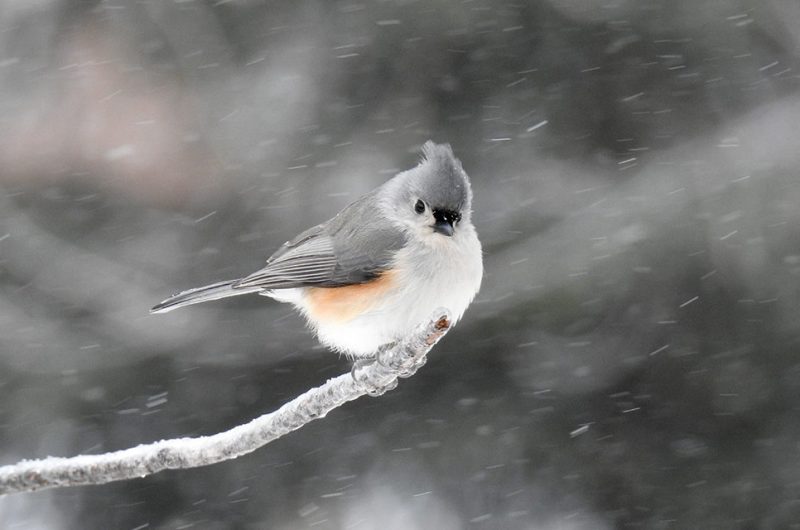
Winter in Minnesota is not a mild inconvenience. It is a prolonged test of endurance. Temperatures plunge well below zero, daylight shortens dramatically, snow blankets the landscape for months, and food becomes scarce. For many birds, migration is the obvious solution.
Yet not all birds leave.
Even in the coldest weeks of January, chickadees flit through spruce branches, woodpeckers hammer frozen trunks, owls scan white fields, and crows patrol roadsides. These birds are not stranded. They are not waiting for rescue. They are equipped—physically, behaviorally, and biologically—to survive some of the harshest winter conditions in North America.
So how do birds manage to stay alive through Minnesota winters without migrating south?
The answer lies in a complex survival system built from insulation, metabolism, food storage, social behavior, micro-shelter selection, and evolutionary memory. Winter residency is not an accident. It is a strategy refined over thousands of generations.
Table of Contents
- 1 Staying Put Is a Calculated Choice
- 2 Feathers: The First Line of Defense Against Cold
- 3 Countercurrent Heat Exchange in Legs and Feet
- 4 High Metabolism: Burning Fuel to Stay Warm
- 5 Fat Storage as a Short-Term Energy Bank
- 6 Food Caching: Planning for Scarcity
- 7 Winter Diet Flexibility
- 8 Micro-Shelters: Small Spaces, Big Protection
- 9 Communal Roosting for Shared Warmth
- 10 Torpor: Temporarily Lowering Body Temperature
- 11 Reduced Activity to Conserve Energy
- 12 Snow as Insulation, Not Just an Obstacle
- 13 Specialized Beaks and Foraging Techniques
- 14 Seasonal Changes in Brain and Physiology
- 15 Predation Risk Does Not Disappear in Winter
- 16 Why Not All Birds Can Use These Strategies
- 17 The Role of Experience and Learning
- 18 Human Landscapes as Accidental Refuges
- 19 Why Winter Birds Are Not Miserable
- 20 Climate Change and Shifting Winter Survival
- 21 Why Minnesota Is a Living Laboratory for Winter Survival
- 22 What People Can Do to Help
- 23 FAQs about How Birds Survive Freezing Winters Without Migrating in Minnesota
- 23.1 How do birds survive freezing winters in Minnesota without migrating?
- 23.2 How do birds stay warm during subzero temperatures in Minnesota?
- 23.3 How do birds find enough food in Minnesota winters?
- 23.4 How do small birds survive cold winter nights in Minnesota?
- 23.5 How does snow help birds survive Minnesota winters?
- 23.6 How do birds avoid predators during harsh winters?
- 23.7 How important is experience for winter bird survival?
- 23.8 How do human environments help winter birds in Minnesota?
- 24 Final Thoughts
Staying Put Is a Calculated Choice
Migration is costly. Flying hundreds or thousands of miles requires enormous energy and carries high risk. Storms, predators, habitat loss, and exhaustion claim countless migrants every year.
For some species, staying is safer than leaving.
Birds that remain in Minnesota during winter are those that can reliably find food, conserve heat, and avoid exposure. Their bodies and behaviors are tuned for cold survival rather than long-distance travel.
In other words, they stay because they can.
Feathers: The First Line of Defense Against Cold
Feathers are more than flight tools. In winter, they function as highly efficient insulation.
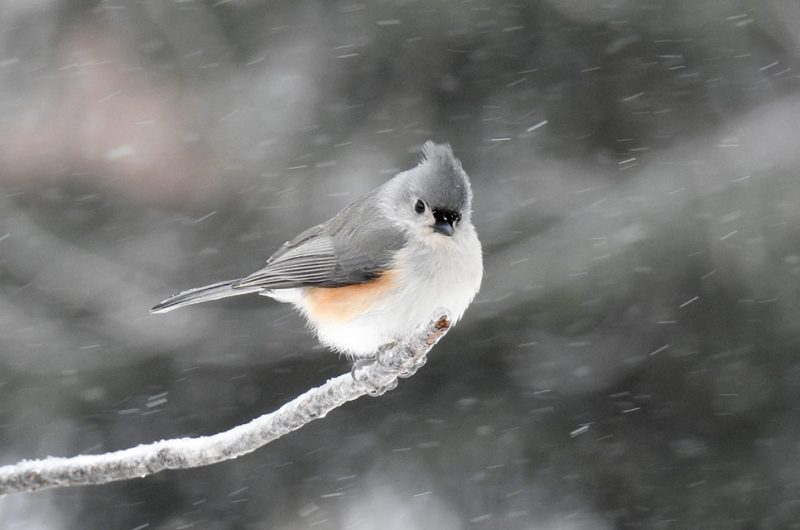
Cold-weather birds fluff their feathers to trap layers of air close to the skin. This air acts as a thermal barrier, dramatically slowing heat loss. The effect is similar to a down jacket.
Underneath visible feathers lies a layer of dense, fluffy down. This down is especially important in subzero temperatures, helping maintain body heat even when ambient air is brutally cold.
Birds constantly adjust feather position, tightening or loosening insulation depending on wind and temperature.
Countercurrent Heat Exchange in Legs and Feet
One of the most puzzling sights in winter is a bird standing on ice with bare legs and feet.
This works because of countercurrent heat exchange. Warm blood flowing from the body transfers heat to cold blood returning from the feet. By the time blood reaches the extremities, it is already cooler, reducing heat loss to the environment.
As a result, birds lose surprisingly little heat through their legs, even when standing on snow or frozen branches.
This adaptation allows them to perch and forage without wasting critical energy.
High Metabolism: Burning Fuel to Stay Warm
Small birds face a particular challenge. Their high surface-area-to-volume ratio causes rapid heat loss.
To compensate, winter residents maintain extremely high metabolic rates. They burn calories constantly, converting food directly into heat.
This is why winter birds appear almost frantic during daylight hours. Every minute of foraging matters. Missing meals can mean the difference between survival and death.
Some species consume up to half their body weight in food each day during extreme cold.
Fat Storage as a Short-Term Energy Bank
Many winter birds carry extra fat reserves.
These fat deposits serve as overnight fuel, especially during long, frigid nights when feeding is impossible. A chickadee may lose up to 10 percent of its body weight overnight simply staying warm.
Birds carefully balance fat storage. Too little fat risks starvation. Too much fat reduces agility and increases predation risk.
This constant trade-off shapes daily behavior throughout winter.
Food Caching: Planning for Scarcity
Several Minnesota bird species store food in advance.
Chickadees, nuthatches, and woodpeckers hide seeds, insects, and nuts in bark crevices, under lichen, or in the ground. Some individuals cache thousands of food items each autumn.
Remarkably, these birds remember cache locations for weeks or even months. Their spatial memory expands seasonally, with parts of the brain physically enlarging during fall to support food storage.
Caching reduces dependence on daily foraging during storms or extreme cold.
Winter Diet Flexibility
Birds that survive Minnesota winters are not picky eaters.
They shift diets as conditions change. Insects give way to seeds. Berries replace soft fruits. Carrion becomes valuable when other food disappears.
Woodpeckers probe deep into tree bark for dormant insects. Finches crack frozen seeds. Owls hunt rodents that tunnel beneath snow.
This dietary flexibility allows birds to exploit whatever food remains available.
Micro-Shelters: Small Spaces, Big Protection
Birds rarely endure winter nights exposed to open air.
Instead, they seek micro-shelters that block wind and retain warmth. These include tree cavities, dense conifer branches, brush piles, rock crevices, and even human structures.
A cavity can be dramatically warmer than outside air, especially when wind is strong. Some birds return to the same shelter night after night.
Finding the right roost can double survival chances during cold snaps.
Certain species roost together to conserve heat.
Chickadees may crowd into a single cavity, pressing bodies together to reduce exposed surface area. This shared warmth lowers individual energy expenditure.
Communal roosting is especially important for small birds during prolonged cold spells.
Not all species tolerate this behavior, but for those that do, it is a powerful survival tool.
Torpor: Temporarily Lowering Body Temperature
One of the most remarkable winter adaptations is torpor.
During torpor, a bird temporarily lowers its body temperature and metabolic rate overnight. This dramatically reduces energy use.
The black-capped chickadee is a master of this strategy. By entering shallow torpor, it can save enough energy to survive nights that would otherwise be lethal.
Torpor is risky. If a bird cannot rewarm quickly in the morning, it may die. But when used correctly, it is lifesaving.
Reduced Activity to Conserve Energy
Winter birds move differently.
They avoid unnecessary flights, limit territorial disputes, and reduce nonessential behaviors. Singing nearly disappears. Courtship stops. Aggression decreases.
Energy conservation becomes the priority.
Even flight paths become more efficient, favoring short hops over long journeys.
Snow as Insulation, Not Just an Obstacle
Snow is not always the enemy.
A deep snowpack insulates the ground, protecting seeds, insects, and rodents beneath. It also reduces temperature swings, creating more stable conditions below the surface.
Some birds forage at snow edges or exploit snow tunnels created by mammals.
Owls rely on sound cues to detect prey moving beneath snow, turning winter into a hunting advantage.
Specialized Beaks and Foraging Techniques
Physical adaptations matter.
Strong beaks crack frozen seeds. Long beaks probe bark. Hooked beaks tear carrion. Each shape represents a survival solution.
Woodpeckers have shock-absorbing skulls and stiff tail feathers for vertical foraging. Crossbills have twisted beaks perfectly designed to extract seeds from conifer cones.
These tools reduce competition and increase winter efficiency.
Seasonal Changes in Brain and Physiology
Winter survival reshapes bird biology.
Studies show that brain regions involved in memory and spatial navigation expand during fall caching periods. Hormone levels shift to favor energy conservation rather than reproduction.
Even blood chemistry changes to improve cold tolerance.
Birds are not static organisms. They transform with the seasons.
Predation Risk Does Not Disappear in Winter
Cold does not eliminate predators.
In fact, reduced cover can increase vulnerability. Birds must balance exposure to cold against exposure to predators.
This is why many birds forage in short bursts, retreating quickly to cover. Group vigilance also increases survival.
Winter sharpens every decision.
Why Not All Birds Can Use These Strategies
Not every bird species can survive Minnesota winters.
Insect specialists lose food sources. Birds with poor insulation cannot retain heat. Species with limited diet flexibility face starvation.
Migration is not weakness. It is simply a different survival solution.
The birds that remain are those whose biology aligns with winter demands.
The Role of Experience and Learning
Older birds survive winter better than juveniles.
Experience matters. Birds learn where food persists, which shelters are safest, and how to respond to sudden cold snaps.
Juvenile mortality is highest during first winters, shaping population dynamics year after year.
Survival is partly inherited and partly learned.
Human Landscapes as Accidental Refuges
Cities and towns alter winter survival.
Feeders provide supplemental food. Buildings offer shelter. Ornamental trees supply seeds and berries.
While reliance on humans carries risks, urban and suburban environments can boost winter survival for adaptable species.
However, habitat loss and window collisions remain serious threats.
Why Winter Birds Are Not Miserable
It is easy to project human discomfort onto wildlife.
But winter birds are not suffering in the way people imagine. Their bodies are designed for these conditions. Their behaviors are tuned for cold efficiency.
They are not enduring winter. They are operating within it.
Climate Change and Shifting Winter Survival
Warmer winters alter survival patterns.
Some species now remain farther north than they once did. Others face mismatches between food availability and temperature.
While milder winters may seem beneficial, increased freeze-thaw cycles and unpredictable storms can increase mortality.
Adaptation is ongoing.
Why Minnesota Is a Living Laboratory for Winter Survival
Few places test animals like Minnesota winters.
Birds that survive here represent some of the most resilient wildlife on the continent. Their continued presence is proof of evolutionary success.
Every winter morning call is a quiet victory.
What People Can Do to Help
Native plants, winter feeders, brush piles, and preserved habitat all support winter birds.
Avoid excessive pruning in fall. Leave seed heads intact. Provide clean water sources when possible.
Small actions matter most during extreme cold.
FAQs about How Birds Survive Freezing Winters Without Migrating in Minnesota
How do birds survive freezing winters in Minnesota without migrating?
They rely on thick feather insulation, high metabolism, fat storage, and sheltered roosting sites to conserve heat.
How do birds stay warm during subzero temperatures in Minnesota?
Birds trap air in fluffed feathers, reduce heat loss through their legs, and burn calories continuously to maintain body heat.
How do birds find enough food in Minnesota winters?
They switch to seeds, berries, insects hidden in bark, carrion, and cached food stored earlier in fall.
How do small birds survive cold winter nights in Minnesota?
Many use sheltered cavities, communal roosting, and short-term torpor to reduce energy loss overnight.
How does snow help birds survive Minnesota winters?
Snow insulates the ground, protects food sources, and allows birds like owls to hunt prey beneath the surface.
How do birds avoid predators during harsh winters?
They reduce movement, forage in short bursts, stay near cover, and rely on group vigilance.
How important is experience for winter bird survival?
Very important. Older birds know reliable food sources and safe shelters, increasing survival rates.
How do human environments help winter birds in Minnesota?
Feeders, buildings, and ornamental plants provide extra food and shelter, supporting some species through extreme cold.
Final Thoughts
Birds survive freezing winters in Minnesota without migrating because they are built for it.
They insulate themselves with feathers, burn fuel efficiently, store food, share warmth, use shelters intelligently, and adapt behaviorally to every challenge winter brings.
Their survival is not luck. It is strategy.
In a landscape shaped by ice and wind, winter birds remain not because conditions are easy, but because evolution taught them how to stay.