
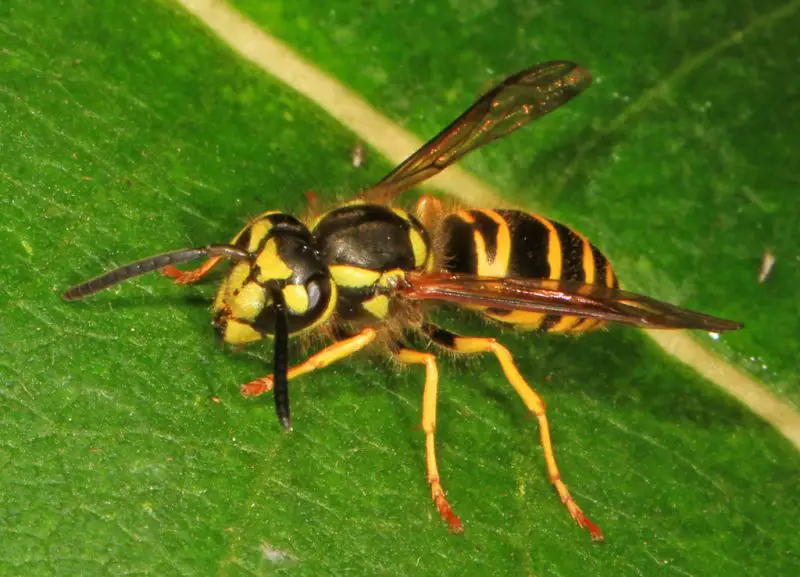
In Florida, people are used to sharing their outdoor spaces with stinging insects. Mosquitoes are a constant nuisance. Paper wasps build tidy nests under eaves. Even hornets are often treated with cautious respect rather than fear. Yellowjackets, however, occupy a different category altogether.
They are fast, unpredictable, and far more aggressive than most people realize. In Florida’s climate, yellowjackets remain active longer, defend their nests more fiercely, and come into contact with humans more often than in many other states. For homeowners, gardeners, beachgoers, and outdoor workers, underestimating yellowjackets can turn an ordinary day outside into a painful and sometimes dangerous encounter.
The danger is not just in the sting itself. It is in the behavior, the numbers, and the way Florida’s environment amplifies their aggression.
Table of Contents
- 1 Yellowjackets Are Not Just “Angry Wasps”
- 2 Why Florida Changes Yellowjacket Behavior
- 3 Where Yellowjackets Build Nests in Florida
- 4 The Danger of Ground Nests
- 5 Why Yellowjackets Are So Defensive
- 6 The Sting That Keeps Coming
- 7 Allergic Reactions and Medical Emergencies
- 8 Why Late Summer Is the Most Dangerous Time
- 9 Yellowjackets and Florida’s Outdoor Lifestyle
- 10 Why Swatting Is a Bad Idea
- 11 The Risk to Children and Pets
- 12 Yellowjackets vs Other Florida Wasps
- 13 Why Yellowjackets Chase People
- 14 When Stings Become Life-Threatening
- 15 First Aid for Yellowjacket Stings
- 16 Why DIY Nest Removal Is Risky
- 17 Why Yellowjackets Keep Coming Back
- 18 The Ecological Role of Yellowjackets
- 19 Fear Versus Awareness
- 20 Why Florida Homeowners Must Take Yellowjackets Seriously
- 21 Prevention Around Homes and Yards
- 22 FAQs About Yellowjackets in Florida
- 22.1 Are yellowjackets more aggressive in Florida than other states
- 22.2 Why do yellowjackets attack in swarms
- 22.3 Where do yellowjackets usually build nests in Florida
- 22.4 Why are ground nests especially dangerous
- 22.5 How painful are yellowjacket stings
- 22.6 Can yellowjacket stings be life-threatening
- 22.7 When is yellowjacket season worst in Florida
- 22.8 Why shouldn’t you swat at yellowjackets
- 22.9 Are yellowjackets dangerous to pets
- 22.10 Should homeowners remove yellowjacket nests themselves
- 23 Final Thoughts
Yellowjackets Are Not Just “Angry Wasps”
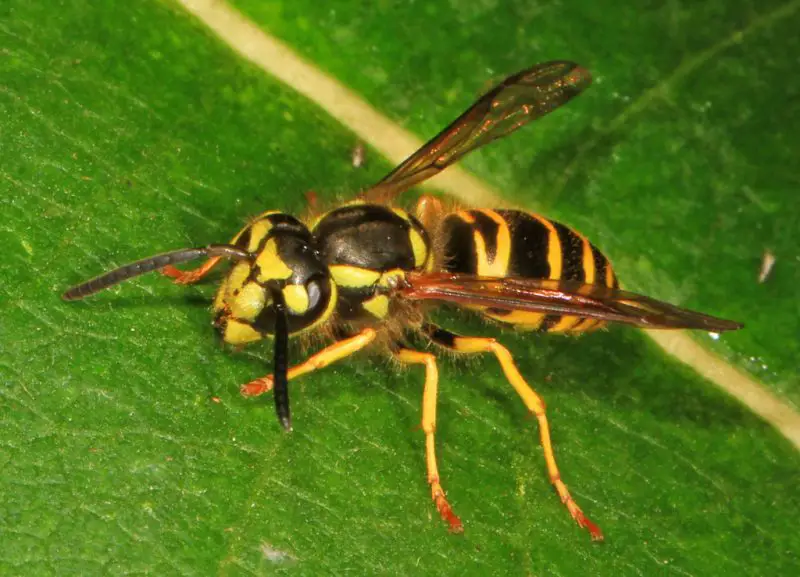
Yellowjackets are often lumped together with bees or paper wasps, but they behave very differently. They are predatory, highly social wasps with strong defensive instincts. When threatened, they do not retreat. They escalate.
Unlike honeybees, yellowjackets do not die after stinging. One individual can sting repeatedly. More importantly, a single sting releases alarm pheromones that summon others from the colony. What begins as one wasp can quickly become a swarm.
In Florida, where colonies grow larger and remain active longer, this behavior becomes especially dangerous.
Why Florida Changes Yellowjacket Behavior
Florida’s warm climate plays a major role in yellowjacket aggression. In colder states, yellowjacket colonies collapse with the first hard frosts. In Florida, winters are mild enough to allow extended activity, sometimes year-round in southern regions.
Longer seasons mean:
-
Larger colonies
-
More workers defending the nest
-
Increased competition for food
-
More frequent human encounters
Heat also increases metabolic activity. Yellowjackets are faster, more reactive, and more persistent in warm conditions. A disturbance that might trigger mild defense elsewhere can provoke a full-scale attack in Florida.
Where Yellowjackets Build Nests in Florida
One of the reasons yellowjackets are so dangerous is where they choose to live.
Many species build nests underground. These nests are often hidden in:
-
Lawns and gardens
-
Mulch beds
-
Sandy soil
-
Abandoned rodent burrows
-
Beneath shrubs or palm fronds
Florida’s sandy soils make underground nesting easy. Nests are frequently invisible until disturbed.
Other yellowjackets build nests in wall voids, attics, crawl spaces, or hollow trees. In these locations, homeowners may hear buzzing long before they see the insects.
The Danger of Ground Nests
Ground nests are especially hazardous.
People step on them while mowing, walking pets, gardening, or playing outside. The vibration alone can trigger defensive behavior. When the entrance is disturbed, dozens or even hundreds of yellowjackets may emerge at once.
Victims often describe the sensation as being “hit all at once.” By the time they realize what is happening, they are already being stung repeatedly.
Children and pets are particularly vulnerable to ground nests because they are closer to the ground and less likely to recognize danger.
Why Yellowjackets Are So Defensive
Yellowjackets defend their nests with extreme intensity because of their colony structure.
A single colony may contain thousands of individuals at peak season. The nest represents food storage, developing larvae, and the future reproductive generation.
Any perceived threat is treated as a direct attack on survival. Yellowjackets respond instantly and collectively.
Unlike bees, which may give warning signals, yellowjackets often attack without hesitation.
The Sting That Keeps Coming
Yellowjacket stings are painful, but the pain is only part of the problem.
Their venom contains compounds that cause intense burning, swelling, and inflammation. The pain can last for hours, and swelling may persist for days.
Because yellowjackets can sting repeatedly, victims often receive multiple stings in a short time. Each additional sting increases venom load and the risk of severe reactions.
In Florida, it is not uncommon for people to suffer dozens of stings during a single encounter.
Allergic Reactions and Medical Emergencies
For some people, a single yellowjacket sting can trigger anaphylaxis. Symptoms may include difficulty breathing, swelling of the throat, rapid heartbeat, dizziness, vomiting, or loss of consciousness.
For others, the danger comes from the number of stings rather than an allergy. Multiple stings can overwhelm the body, especially in children, elderly adults, or people with underlying health conditions.
Florida emergency rooms treat yellowjacket sting victims every year, particularly during late summer and early fall.
Why Late Summer Is the Most Dangerous Time
Yellowjacket aggression peaks in late summer and early fall.
By this time, colonies are at their largest. Food sources become scarcer. Workers become more defensive and more likely to forage near humans.
Yellowjackets are also attracted to sugary foods and proteins. Outdoor meals, garbage cans, picnic areas, and beach snacks draw them in.
This combination of large colonies and increased human activity creates a perfect storm.
Yellowjackets and Florida’s Outdoor Lifestyle
Florida’s lifestyle increases exposure risk.
People eat outdoors year-round. Beaches, parks, pools, and backyard gatherings are common. Trash bins and food scraps are often present.
Yellowjackets are opportunistic scavengers. They quickly learn where food appears regularly and return repeatedly.
Attempts to swat them often make things worse. A single crushed yellowjacket releases alarm pheromones that attract others to the area.
Why Swatting Is a Bad Idea
Many people instinctively swat at yellowjackets. This almost always escalates the situation.
Crushing or injuring a yellowjacket releases chemical signals that tell nearby workers the colony is under attack. More wasps arrive within seconds.
Remaining calm and slowly moving away reduces the risk of triggering aggression.
The Risk to Children and Pets
Children are less able to recognize yellowjacket behavior. Bright colors, food in hand, and sudden movements attract attention.
Pets, especially dogs, may snap at flying insects or dig into nests. Facial stings are common in dogs and can cause dangerous swelling of the mouth and throat.
Veterinary clinics in Florida frequently treat pets for yellowjacket stings, particularly after encounters with ground nests.
Yellowjackets vs Other Florida Wasps
Compared to paper wasps, yellowjackets are more aggressive and more likely to sting repeatedly.
Compared to bald-faced hornets, yellowjackets are more likely to build hidden nests that people accidentally disturb.
Fire ants may sting in greater numbers, but yellowjackets attack faster and pursue threats longer.
This combination makes yellowjackets uniquely dangerous.
Why Yellowjackets Chase People
Yellowjackets can chase perceived threats for long distances.
When alarm pheromones are released, workers lock onto the target and continue pursuit until they believe the threat has left the area.
Running straight away from the nest is usually the best option, but sudden flailing or stopping increases risk.
When Stings Become Life-Threatening
Emergency care is necessary if:
-
Breathing becomes difficult
-
Swelling affects the face, lips, or throat
-
Dizziness or fainting occurs
-
Vomiting or confusion develops
-
Numerous stings occur, especially in children
Prompt treatment saves lives.
First Aid for Yellowjacket Stings
For mild reactions, remove yourself from the area immediately. Wash stings with soap and water. Apply cold compresses to reduce swelling.
Antihistamines and hydrocortisone cream may help itching and inflammation. Avoid scratching, which can lead to infection.
Anyone with known allergies should carry epinephrine and seek medical care immediately after a sting.
Why DIY Nest Removal Is Risky
Attempting to remove yellowjacket nests without professional equipment is dangerous.
Spraying insecticide, digging into ground nests, or sealing wall voids can provoke massive attacks.
Falls from ladders and multiple stings are common during DIY attempts.
Professional pest control services have protective gear and techniques that reduce risk.
Why Yellowjackets Keep Coming Back
Yellowjackets do not reuse old nests, but queens often return to areas with good nesting conditions.
Removing attractants such as open trash, fallen fruit, and food scraps reduces future activity.
Sealing entry points and managing landscaping also helps.
The Ecological Role of Yellowjackets
Despite their aggression, yellowjackets are important predators.
They control populations of flies, caterpillars, and other insects. In natural areas away from people, they provide ecological balance.
The problem is not their existence, but proximity to humans.
Fear Versus Awareness
Yellowjackets deserve respect, not panic.
Understanding their behavior allows people to avoid risky situations. Recognizing nest locations, avoiding sudden movements, and seeking professional help when needed reduce danger.
Fear often comes from surprise. Awareness removes that element.
Why Florida Homeowners Must Take Yellowjackets Seriously
Florida’s climate allows yellowjackets to remain active longer, grow larger colonies, and encounter humans more frequently.
Their aggression is not exaggerated. It is a biological response amplified by environmental conditions.
Ignoring the risk leads to injuries. Understanding it leads to prevention.
Prevention Around Homes and Yards
Regularly inspect yards for ground holes and increased wasp traffic. Keep garbage sealed. Avoid leaving food outdoors.
Educate children about staying calm around flying insects. Supervise pets in high-risk areas.
Early detection prevents dangerous encounters.
FAQs About Yellowjackets in Florida
Are yellowjackets more aggressive in Florida than other states
Yes. Florida’s warm climate allows yellowjackets to stay active longer, build larger colonies, and defend nests more intensely than in cooler regions.
Why do yellowjackets attack in swarms
Yellowjackets release alarm pheromones when threatened. This chemical signal quickly draws other workers, leading to coordinated swarm attacks.
Where do yellowjackets usually build nests in Florida
Many build underground nests in lawns, sandy soil, or mulch. Others nest in wall voids, attics, crawl spaces, or hollow trees near homes.
Why are ground nests especially dangerous
Ground nests are hard to see and easy to step on. Vibrations from walking or mowing can trigger dozens of yellowjackets to emerge and sting at once.
How painful are yellowjacket stings
The stings cause sharp burning pain, swelling, and redness. Multiple stings can significantly increase pain and medical risk.
Can yellowjacket stings be life-threatening
Yes. People with allergies can experience anaphylaxis from a single sting. Multiple stings can also be dangerous even without an allergy.
When is yellowjacket season worst in Florida
Late summer and early fall are the most dangerous times, when colonies are largest and workers are more defensive and aggressive.
Why shouldn’t you swat at yellowjackets
Swatting can crush a wasp and release alarm pheromones, attracting more yellowjackets and escalating the attack.
Are yellowjackets dangerous to pets
Yes. Dogs and cats may disturb ground nests or snap at wasps, often resulting in facial stings that can cause dangerous swelling.
Should homeowners remove yellowjacket nests themselves
DIY removal is risky and often leads to multiple stings or injuries. Professional pest control is strongly recommended for nests near living areas.
Final Thoughts
Florida’s yellowjackets are far more aggressive than most people expect. Their speed, coordination, and willingness to attack make them one of the state’s most dangerous stinging insects.
The risk lies not in a single sting, but in the swarm that follows. In Florida’s warm, active environment, those swarms are more common and more intense.
Respecting yellowjackets does not mean avoiding the outdoors. It means understanding what you are sharing that space with.
In Florida, that understanding can prevent pain, panic, and emergency room visits.