
Feeding wild birds in Texas feels like sharing your yard with a living piece of nature. From vibrant cardinals and painted buntings to mockingbirds and finches, Texas has an incredible variety of species that visit backyards every single day. If you choose the right foods, provide them safely, and understand how birds eat in Texas conditions, you can turn an ordinary yard into a lively bird haven.
Texas brings unique challenges and opportunities. Summers are brutally hot, storms can be harsh, and different regions of the state attract completely different birds. What works in East Texas may not apply to the Hill Country or the Panhandle. That is why experience matters and careful feeding choices make a huge difference.
I have learned through years of backyard feeding that birds remember where safe, dependable food exists. When food is healthy, clean, and thoughtfully chosen, they return every morning like trusted neighbors. In this guide, I want to help Texas residents feed birds the right way, avoid harmful mistakes, and build healthy backyard bird communities across the state.
Table of Contents
- 1 Practical Basics of Feeding Wild Birds in Texas
- 2 Best Foods Texas Residents Should Feed Wild Birds
- 3 What Texas Residents Should Avoid Feeding Wild Birds
- 4 How to Create Safe Feeding Stations in Texas
- 5 Seasonal Feeding in Texas
- 6 Essential Tips for Supporting Birds Responsibly in Texas
- 7 Common Mistakes Texas Residents Should Avoid
- 8 FAQ About Feeding Wild Birds in Texas
- 8.1 Do Texas birds really need backyard feeding?
- 8.2 What is the single best food for Texas backyard birds?
- 8.3 Is feeding birds year-round okay in Texas?
- 8.4 How often should I clean feeders in Texas?
- 8.5 Can I use suet in Texas?
- 8.6 Why do birds suddenly stop visiting?
- 8.7 Should Texas residents provide water too?
- 9 Final Thoughts
Practical Basics of Feeding Wild Birds in Texas
Feeding birds in Texas is not just about throwing seed in a feeder. It is about supporting birds during extreme heat, migration seasons, drought periods, and times when natural food becomes scarce. Many Texas birds rely heavily on backyard feeders as supplemental food sources, especially in urban and suburban areas.
Texas birds need high-energy foods that fuel flight, breeding, migration, and daily survival. Cheap filler seed does little for them. Quality food keeps birds healthier, supports natural energy levels, and reduces disease risk. I always notice more active, colorful birds when I upgrade food quality and keep feeding areas clean.
Different areas of Texas also attract different bird communities. Residents near the coast see different visitors than those in central ranch regions or North Texas. The good news is that many core foods attract birds statewide, making feeding simpler than most people think.
Best Foods Texas Residents Should Feed Wild Birds
Texas birds thrive on nutrient-dense, natural foods that match their natural diets. Choosing the right foods keeps them healthy and encourages frequent, safe visits to your yard. Over the years, I have narrowed down the best foods that consistently bring life to Texas backyards.
Black Oil Sunflower Seeds
Black oil sunflower seeds are the single most reliable bird food in Texas. Cardinals, finches, chickadees, titmice, nuthatches, and even many backyard sparrows love them. The shells are soft, the seeds are energy-rich, and birds recognize them instantly as reliable nourishment.
They perform extremely well in Texas because they provide quick fuel during heat stress and active flight. I always keep at least one dedicated feeder filled with sunflower seeds. When everything else runs out, this is the one food I maintain without fail.
A sturdy hopper feeder or tube feeder works great. Keep seeds fresh, shake out dust, and avoid letting them sit in feeders too long in intense summer heat.
Safflower Seeds
Cardinals adore safflower, and Texas backyards always have cardinals around. Safflower also attracts doves, grosbeaks, and some finches. The great benefit is that many nuisance animals like squirrels often dislike safflower, making it easier to maintain.
Safflower seeds are slightly harder and oil-rich. Birds that enjoy them become very loyal to yards that provide them consistently. This food is especially helpful in residential neighborhoods where cardinals are abundant and enjoy staying close to human homes.
Use a sturdy feeder and keep seeds protected from heavy Texas rain and sun. Freshness always matters most.
Nyjer (Thistle) Seeds
Nyjer seeds bring goldfinches, house finches, and other small finches into Texas backyards. These tiny seeds are protein-rich and lightweight, so they require a proper finch feeder to prevent waste.
In Texas, finch activity fluctuates depending on region and season, but when finches arrive, they stay around nyjer feeders constantly. You may notice flocks visiting repeatedly throughout the day. It is an amazing sight when they gather together peacefully.
Nyjer seeds spoil fast in intense heat, so always buy smaller amounts and refresh often to maintain quality.
Mealworms for Texas Birds
Mealworms are game-changing for Texas bird feeding. Bluebirds, wrens, robins, warblers, and even mockingbirds love them. During nesting season, they become incredibly important because insects supply crucial protein for baby birds.
Live mealworms work best, but dried ones also help. I often place them in shallow dishes or platform feeders in shaded locations. Birds learn quickly and return repeatedly once they trust the food source.
In Texas heat, you must protect live mealworms from sun exposure. Keep them shaded and check often. Birds depend heavily on insect protein, so this food truly supports healthy wildlife.
Peanuts and Nut Pieces
Peanuts bring jays, titmice, woodpeckers, chickadees, and many backyard favorites. They are high in fat, protein, and natural oils, giving birds an amazing energy boost.
Shelled peanuts or chopped nut pieces are best. Salt-free, plain peanuts only. Texas birds burn energy fast, especially during summer heat and migration periods, so nuts serve as an excellent fuel source.
Use enclosed feeders or sturdy platforms and always keep peanuts dry. Mold develops quickly in Texas humidity, so freshness and cleanliness matter here more than most foods.
Fruits for Texas Songbirds
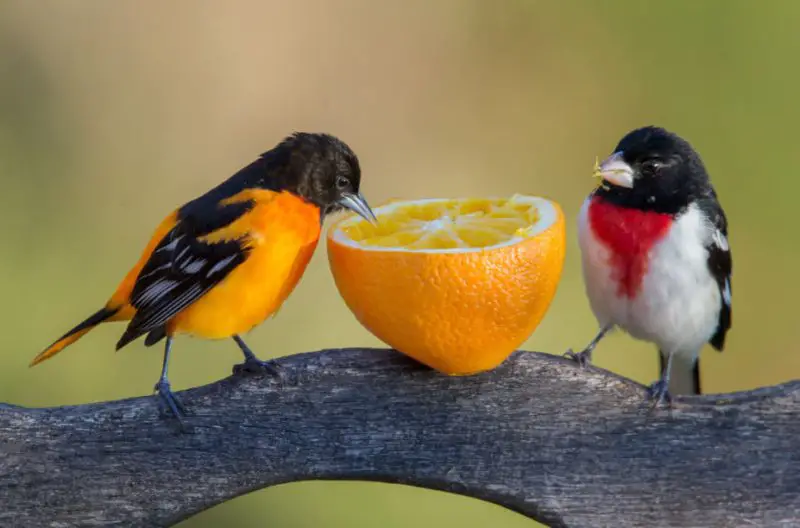
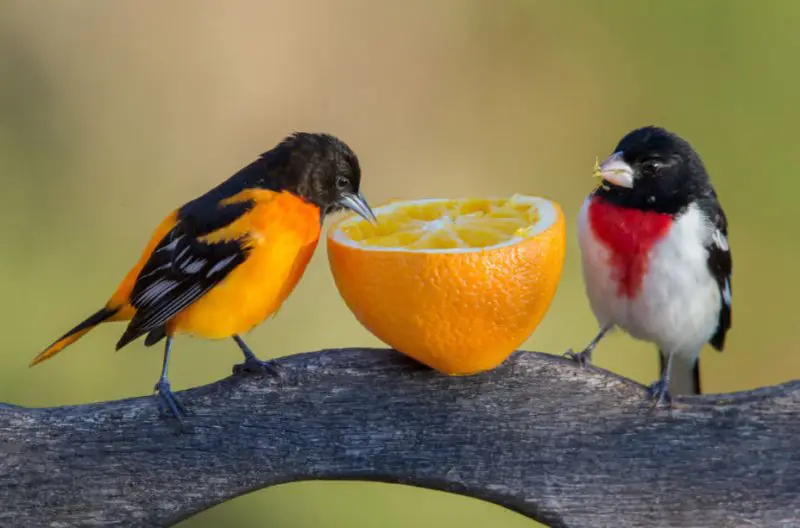
Many Texas backyard birds enjoy fruit, especially mockingbirds, orioles, catbirds, and robins. Fresh oranges, apples, grapes, and berries are fantastic additions.
Cut fruit into pieces, place in shaded feeders, and refresh daily in summer. I usually notice strong bird interest early in the day when fruit is still cool and fresh. Fruit feeding also brings unique species you might never see at seed feeders.
Fruit is especially powerful during migration seasons when birds need fast natural sugars and hydration support.
What Texas Residents Should Avoid Feeding Wild Birds
Feeding the wrong foods harms birds, spreads disease, attracts pests, and creates unhealthy backyard ecosystems. Many Texas residents unintentionally feed dangerous or pointless items, thinking birds will “eat anything.” Birds do not benefit from human junk food. They pay for human mistakes with illness and shorter lifespans.
Below are the foods Texas residents must avoid completely.
Bread and Processed Human Food
Bread fills birds without nourishing them. It offers no real nutrition and can lead to starvation, weakened immune systems, and fungal infections like “angel wing.”
Texas heat makes bread mold extremely fast. Mold toxins can kill birds or cause serious internal illness. Chips, crackers, pastries, tortillas, and snack foods are equally harmful.
Never feed backyard birds anything processed or salted. It may feel kind-hearted, but it damages bird populations in silence.
Cheap Mixed Birdseed with Fillers
Many bargain birdseeds look affordable but are loaded with useless fillers like milo, cracked corn dust, and wheat. Texas birds often refuse these ingredients, pushing them aside and leaving feeders messy.
This waste attracts rodents, ants, raccoons, and unwanted pests. It also spoils faster in humidity and heat. In the end, you waste money and birds do not benefit.
Quality seed blends containing sunflower, safflower, and minimal filler truly make a difference. Birds show their approval through frequent return visits.
Raw Rice, Dry Beans, or Unnatural Grains
Raw grains are tough, hard to digest, and unnecessary for backyard feeding. These foods offer minimal benefit and often go untouched. Texas birds thrive far better on seeds, nuts, insects, and natural fruits.
Dry beans require cooking to be edible, which instantly turns them into unsuitable food for wildlife. Avoid them completely.
Stick to natural foods birds evolved to eat. That is always the best approach.
Salty, Sugary, or Seasoned Foods
Salt damages bird kidneys. Sugary foods weaken immune systems. Seasoned foods irritate digestive systems and contain harmful chemicals. Many people feed leftover foods thinking they help birds, but they create health problems instead.
Texas birds already endure enough environmental stress from heat, drought, storms, and predators. Their bodies should not struggle with unnatural food toxins on top of all that.
Always choose clean, natural, unseasoned food sources.
Spoiled, Moldy, or Wet Seed
Texas humidity, storms, and temperature swings spoil birdseed very quickly. Moldy seed spreads disease, damages respiratory systems, and can kill birds silently.
I always check feeders, shake seeds, and clean containers regularly. If seed smells bad, clumps together, or feels hot and sticky, it belongs in the trash. Birds deserve fresh food.
Healthy feeding requires responsibility, not just generosity.
How to Create Safe Feeding Stations in Texas
Safe feeding is as important as choosing the right foods. Texas wildlife includes raccoons, snakes, squirrels, stray cats, and even hawks that watch feeders closely. Designing safe feeding areas protects birds and encourages them to stay longer.
Placement Matters
Place feeders near shrubs but not too close. Birds need escape cover, but not ambush danger. Open space of about eight to twelve feet helps birds spot predators and react safely.
Avoid busy areas with constant noise or movement. A calm feeding station feels secure, and birds reward you with loyal daily visits. Shade also matters greatly in Texas. Birds seek cool feeding spots during harsh heat.
Cleanliness Saves Birds
Dirty feeders spread disease rapidly. I always clean feeders regularly and disinfect gently when needed. Texas summers require even stricter hygiene because bacteria grows fast.
Rotating feeders, washing water dishes, and removing spoiled seed keeps birds healthier. When feeders stay clean, backyard bird life thrives naturally.
Protecting Against Predators
Cats kill millions of birds every year across the United States. Keeping cats indoors is one of the kindest acts for wildlife. In Texas neighborhoods, this makes a tremendous difference.
Baffles stop raccoons and squirrels from raiding feeders. Proper height prevents ground predators from reaching birds. Smart yard design protects birds while respecting the balance of nature.
Seasonal Feeding in Texas
Texas does not experience traditional winter like northern states, but seasonal changes still influence bird feeding behavior. Awareness helps you support birds more effectively all year.
Spring Feeding
Spring brings nesting and breeding. Birds need protein for raising chicks. Mealworms and insects become extremely valuable, along with nutrient-rich seeds.
Fresh water also becomes essential as temperatures rise. Shade and clean baths support healthy growing bird families.
Summer Feeding
Texas summers are intense. Heat stress drains energy from birds daily. Fresh water becomes as important as food, sometimes even more so.
Seeds spoil quickly, so smaller, more frequent refills work better. Shade feeding stations help birds cool down. Nutritious foods prevent weakness and dehydration risk.
Fall Feeding
Migration begins. Many birds pass through Texas needing strong, energy-packed food. Sunflower seeds, peanuts, fruit, and mealworms make a massive difference for migrating birds rebuilding strength.
This season often brings exciting new species to backyards. Keeping feeders active makes your yard a safe resting station on long migration journeys.
Winter Feeding
Texas winters are mild in some areas and harsher in others. Food availability decreases slightly in many regions, and birds appreciate consistent feeding.
High-energy foods like sunflower, peanuts, and suet (in cooler regions) support warmth and survival. Consistency builds trust and long-term reliance.
Essential Tips for Supporting Birds Responsibly in Texas
Feeding birds responsibly means more than enjoying their company. It means respecting nature, protecting wildlife health, and helping birds survive in changing environments.
Always prioritize clean water. Always choose high-quality food. Always maintain clean feeders. These simple habits create healthier bird populations and better backyard experiences.
Texas residents play a powerful role in supporting wildlife simply by feeding birds thoughtfully. A little effort creates a huge positive impact.
Common Mistakes Texas Residents Should Avoid
Feeding birds in Texas goes wrong when people rush, use poor food, or ignore safety. I constantly see the same mistakes repeated in backyards across the state. These mistakes are easy to fix once you recognize them.
-
Using cheap filler seed that birds do not eat and pests love
-
Leaving feeders dirty or filled with spoiled, clumped, or moldy food
-
Placing feeders in unsafe or stressful areas with no shade or cover
-
Feeding bread, junk food, and processed human snacks
-
Forgetting fresh water, especially during extreme heat
Fix these mistakes and your Texas backyard instantly becomes a healthier bird habitat.
FAQ About Feeding Wild Birds in Texas
Do Texas birds really need backyard feeding?
They benefit greatly, especially during heat, migration, nesting, and times when natural food becomes scarce. Backyard feeding supports stronger, healthier bird populations.
What is the single best food for Texas backyard birds?
Black oil sunflower seeds remain the most reliable. They attract a wide range of species and provide powerful nutrition that Texas birds truly need.
Is feeding birds year-round okay in Texas?
Yes. Just adjust to seasonal needs. Provide high-energy food during migration and protein-rich options during nesting, while always keeping feeders clean.
How often should I clean feeders in Texas?
In warm months, every one to two weeks is best. During extremely hot periods, I clean even more often to prevent illness and mold growth.
Can I use suet in Texas?
Yes, but best in cooler months or shaded areas. Heat melts suet quickly, so choose heat-resistant suet blends and monitor regularly.
Why do birds suddenly stop visiting?
Food quality, predators, new neighborhood feeders, spoiled seed, or environmental stress often cause temporary decline. Restore freshness and safety, and birds usually return.
Should Texas residents provide water too?
Absolutely. Fresh water may be even more important than food in Texas heat. Shallow, clean water sources attract birds instantly and support survival.
Final Thoughts
Feeding wild birds in Texas is more than a casual backyard hobby. It is a meaningful connection with nature, a responsibility, and a gift to wildlife living among us. When you choose the right foods, provide clean water, protect birds from harm, and feed with care, birds reward you with beauty, song, color, and daily life in your yard.
Texas offers some of the most diverse bird life in the country. Your backyard can become part of that natural wonder. With patience, consistency, and respect for wildlife, you help birds thrive in a challenging environment. And in return, Texas skies and Texas mornings fill with sound, movement, and life that never gets old.