
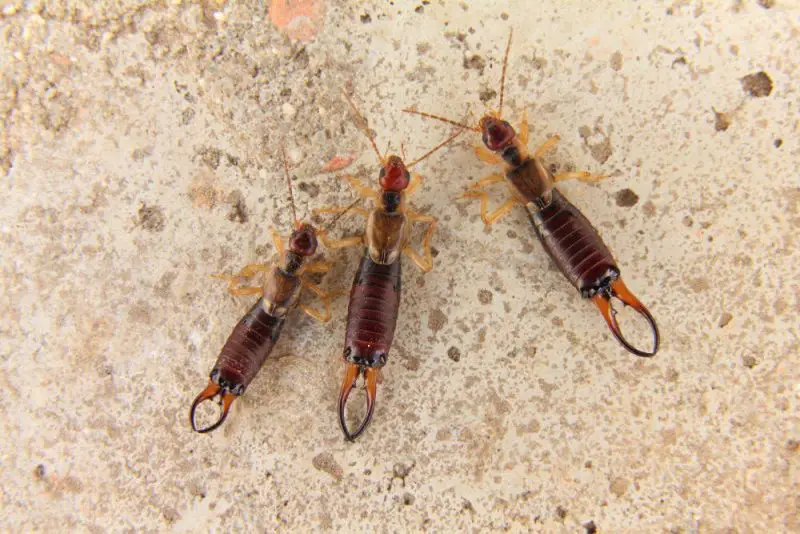
If you live in a North Carolina apartment, there’s a good chance you’ve seen it.
You turn on the bathroom light late at night.
You walk into the kitchen early in the morning.
Near the sink, something dark slips toward the drain.
Earwigs don’t rush like roaches. They don’t scatter wildly. They pause, hesitate, then disappear into cracks most people never notice.
For many apartment residents, earwigs near sinks feel random and unsettling. They seem to appear without warning, then vanish just as quickly. The instinct is often to blame cleanliness or assume they’re coming up through the drain.
In reality, earwigs gather near sinks for reasons rooted in moisture, structure, and the way North Carolina apartments handle water.
Once you understand those factors, the pattern becomes predictable.
Table of Contents
- 1 What Earwigs Really Are
- 2 Why Sinks Attract Earwigs Indoors
- 3 Moisture Is the Primary Trigger
- 4 Why North Carolina Apartments Are Especially Vulnerable
- 5 The Role of Plumbing and Hidden Leaks
- 6 Why Earwigs Appear at Night
- 7 Earwigs Are Not Coming Up Through Drains
- 8 Why Apartments See Repeated Sightings
- 9 How Building Design Contributes to the Problem
- 10 Why Earwigs Favor Bathrooms Over Kitchens
- 11 The Connection Between Outdoor Earwigs and Indoor Sightings
- 12 Why Clean Apartments Still Get Earwigs
- 13 How Earwigs Behave Once Indoors
- 14 Are Earwigs Dangerous to People?
- 15 Why Chemical Sprays Offer Limited Relief
- 16 Moisture Control Is the Key Factor
- 17 Why Dehumidifiers Help in Apartments
- 18 Seasonal Patterns in North Carolina
- 19 When Earwigs Signal a Bigger Problem
- 20 FAQs About Earwigs Near Sinks in North Carolina Apartments
- 20.1 Why do earwigs always appear near the same sink?
- 20.2 Are earwigs crawling up from the sewer?
- 20.3 Do earwigs mean my apartment is dirty?
- 20.4 Can earwigs damage my apartment?
- 20.5 Will pest control solve the issue?
- 20.6 Are earwigs common in North Carolina?
- 20.7 Do earwigs infest apartments?
- 20.8 Does bleach down the drain help?
- 21 Final Thoughts
What Earwigs Really Are
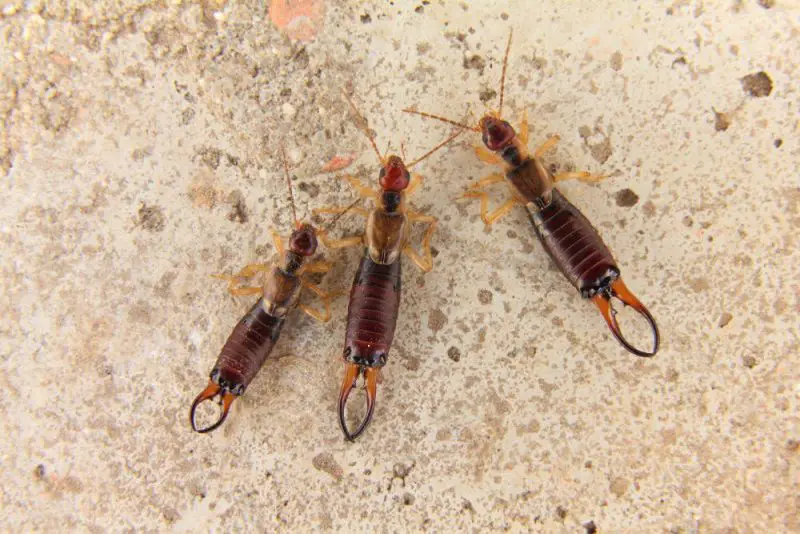
Earwigs are insects classified in the order Dermaptera, a group known for its elongated, flattened body shape and the pair of curved pincers at the end of the abdomen. These pincers look threatening, which is why earwigs often provoke fear disproportionate to the actual risk they pose.
In reality, earwigs are non-aggressive insects. Their pincers are used primarily for defense against other small insects, mating interactions, and manipulating food. They are not designed to attack people. Biting is rare and typically occurs only when an earwig is trapped against skin or handled directly.
The long-standing myth that earwigs crawl into human ears has no biological basis. Earwigs avoid vibration, light, and warmth, making the human body an unsuitable environment. Their survival depends on moisture and shelter, not interaction with people.
Earwigs are nocturnal insects. During daylight hours, they hide in dark, damp spaces where humidity remains stable. At night, when temperatures drop and moisture levels rise, they emerge to forage. This daily cycle explains why apartment residents often encounter earwigs near sinks after dark rather than during the day.
Why Sinks Attract Earwigs Indoors
Sinks create one of the most attractive indoor environments for earwigs. Water use, condensation, and plumbing design combine to maintain consistent moisture levels in a small, sheltered space. Even when a sink appears dry, dampness often lingers beneath cabinets and around pipes.
The plumbing cavity under a sink provides darkness, warmth, and protection from disturbance. Small gaps around pipe penetrations act as entry points, allowing earwigs to move easily from wall voids into living spaces.
In North Carolina apartments, sinks often remain damp longer than expected due to high ambient humidity. Moist air settles under cabinets and behind walls, creating conditions that feel stable to moisture-seeking insects. For earwigs, this environment meets all basic survival needs without requiring much movement.
Moisture Is the Primary Trigger
Earwigs are extremely sensitive to dehydration. Their bodies lose moisture quickly, especially in dry air. To survive, they actively seek areas where humidity remains high and consistent.
Apartments concentrate moisture into predictable zones. Kitchens and bathrooms produce water daily through cooking, washing, and bathing. Sinks become natural collection points where condensation, residual water, and humid air overlap.
When earwigs gather near sinks, they are responding to moisture gradients, not food debris or sanitation issues. Even a clean sink area can attract earwigs if humidity remains elevated.
Why North Carolina Apartments Are Especially Vulnerable
North Carolina’s humid subtropical climate creates ideal outdoor conditions for earwigs, and apartment buildings amplify those conditions indoors. Summers are warm and wet, spring and fall bring prolonged rain, and even winter air often carries moisture.
Apartment construction compounds the problem. Shared plumbing lines trap humidity inside walls. Exterior walls experience temperature differences that cause condensation behind drywall. Ventilation is often limited, especially in bathrooms without windows.
Unlike single-family homes, apartments share these vulnerabilities. Moisture from one unit can migrate into others, creating building-wide humidity problems that residents may not recognize.
The Role of Plumbing and Hidden Leaks
Many earwig problems begin beneath sinks where plumbing remains hidden. Small leaks may not produce visible drips, but slow seepage can keep wood, drywall, and insulation damp for months.
Drain traps are designed to hold water, creating a constant humidity source. In older North Carolina apartment buildings, aging pipes and fittings increase the likelihood of chronic moisture pockets.
Earwigs detect these damp zones early. They move toward them long before residents notice staining, odor, or visible damage.
Why Earwigs Appear at Night
Earwigs avoid light and activity. Their movement peaks at night when apartments are quiet and humidity rises naturally.
At night, sinks cool, condensation forms, and airflow slows. The area beneath cabinets becomes a calm, humid refuge. When lights are suddenly turned on, earwigs scatter, creating the impression that they appeared out of nowhere.
This timing is why sightings often feel random and unsettling.
Earwigs Are Not Coming Up Through Drains
A common assumption is that earwigs crawl up through sink drains. This is not physically possible. Sink plumbing includes curved traps filled with water that block insect movement from sewer lines.
Earwigs reach sink areas by crawling along walls, baseboards, and plumbing entry points. Cracks around pipes, gaps in cabinetry, and wall voids provide easy access.
The drain is simply where moisture collects, not where earwigs enter.
Why Apartments See Repeated Sightings
Earwigs do not travel far once they find suitable shelter. They establish hiding places near consistent moisture sources and return to them nightly.
In apartments, this leads to repeated sightings near the same sink. Killing individual earwigs does not change the environment that attracts them. As long as moisture remains, new individuals take their place.
This cycle continues until humidity levels change.
How Building Design Contributes to the Problem
Modern apartment buildings are sealed tightly for energy efficiency. While this reduces heating and cooling costs, it also limits air exchange and traps humidity indoors.
Bathrooms without windows depend entirely on exhaust fans that are often underused. Kitchens produce moisture from cooking and dishwashing that lingers without proper ventilation.
Without airflow, humidity settles near sinks, cabinets, and plumbing walls, creating stable habitats for earwigs.
Why Earwigs Favor Bathrooms Over Kitchens
Both kitchens and bathrooms attract earwigs, but bathrooms often experience heavier activity. Showers introduce large volumes of moisture in a short time. Poor ventilation allows that humidity to linger for hours.
Tile, grout, and caulk retain moisture longer than many kitchen surfaces. Bathroom sinks are often used less frequently, allowing water residue and condensation to remain undisturbed.
These conditions make bathrooms especially attractive to moisture-seeking insects.
The Connection Between Outdoor Earwigs and Indoor Sightings
Earwigs normally live outdoors in soil, mulch, leaf litter, and shaded areas. Heavy rain, landscaping changes, or seasonal shifts can force them to seek drier shelter indoors.
In North Carolina, extended rain periods often push earwigs toward apartment buildings. Ground-level units and shared foundations are especially vulnerable.
Once inside, earwigs follow moisture trails that lead them toward sinks and plumbing areas.
Why Clean Apartments Still Get Earwigs
Earwigs are not attracted to clutter or food waste. They are drawn to moisture and shelter. A spotless apartment with a small leak or poor ventilation can support earwigs more easily than a cluttered unit with dry air.
This misunderstanding causes many residents to focus on cleaning rather than addressing humidity, which leads to frustration and repeated sightings.
How Earwigs Behave Once Indoors
Earwigs do not establish permanent nests inside apartments. They shelter temporarily, feeding on mold, mildew, and small insects that thrive in damp environments.
They move slowly and cautiously. When disturbed, they retreat rather than confront. This behavior makes infestations feel persistent but localized.
Are Earwigs Dangerous to People?
Earwigs pose no serious health risk. They do not spread disease, are not venomous, and rarely bite. When bites occur, they are mild and typically result from direct handling.
The discomfort earwigs cause is psychological rather than physical. Their sudden appearance near sinks at night triggers fear and disgust rather than injury.
Why Chemical Sprays Offer Limited Relief
Chemical sprays may kill visible earwigs, but they do not remove moisture or address entry points. In apartments, pesticide use may also be restricted due to shared ventilation systems.
Without environmental changes, spraying results in short-term relief followed by repeated sightings. Treating one unit rarely solves a building-wide moisture issue.
Moisture Control Is the Key Factor
Reducing moisture disrupts the conditions earwigs need to survive indoors. Fixing leaks, drying cabinet interiors, using exhaust fans consistently, and improving airflow around sinks significantly reduce humidity.
Once moisture levels drop, earwigs stop returning on their own.
Why Dehumidifiers Help in Apartments
Portable dehumidifiers can stabilize humidity in problem areas. Even small reductions make conditions less favorable for earwigs.
Units placed near kitchens or bathrooms reduce daily moisture fluctuations, addressing the root cause rather than masking symptoms.
Seasonal Patterns in North Carolina
Earwig activity increases during late spring and summer when humidity peaks. Fall rains can trigger additional indoor movement. In winter, activity may slow but often persists if indoor humidity remains high.
Apartments with ongoing moisture problems may experience earwigs year round.
When Earwigs Signal a Bigger Problem
Persistent earwig activity near sinks may indicate hidden leaks, water damage, or ventilation failures. Ignoring these signs can lead to mold growth and long-term structural issues.
Earwigs often act as early warning indicators that moisture control needs attention.
FAQs About Earwigs Near Sinks in North Carolina Apartments
Why do earwigs always appear near the same sink?
They return to areas with consistent moisture and shelter. If conditions remain unchanged, sightings repeat.
Are earwigs crawling up from the sewer?
No. They enter apartments through cracks and gaps, not through drains.
Do earwigs mean my apartment is dirty?
No. Clean apartments experience earwigs when moisture and humidity are present.
Can earwigs damage my apartment?
They do not damage structures but may indicate moisture problems that can.
Will pest control solve the issue?
Pest control helps temporarily, but moisture control is essential for lasting results.
Are earwigs common in North Carolina?
Yes. The state’s climate supports outdoor populations that occasionally move indoors.
Do earwigs infest apartments?
They shelter indoors temporarily but do not establish permanent colonies.
Does bleach down the drain help?
It may reduce odors but does not prevent earwigs from returning.
Final Thoughts
Earwigs gather near sinks in North Carolina apartments because those areas provide moisture, shelter, and stability. Their presence is not random and not a sign of poor housekeeping.
They are responding to environmental conditions created by humidity, plumbing, and building design.
When moisture is managed, earwigs stop appearing. Until then, they will continue to surface near sinks where dampness quietly persists.
Understanding that difference turns a frustrating mystery into a manageable issue.