
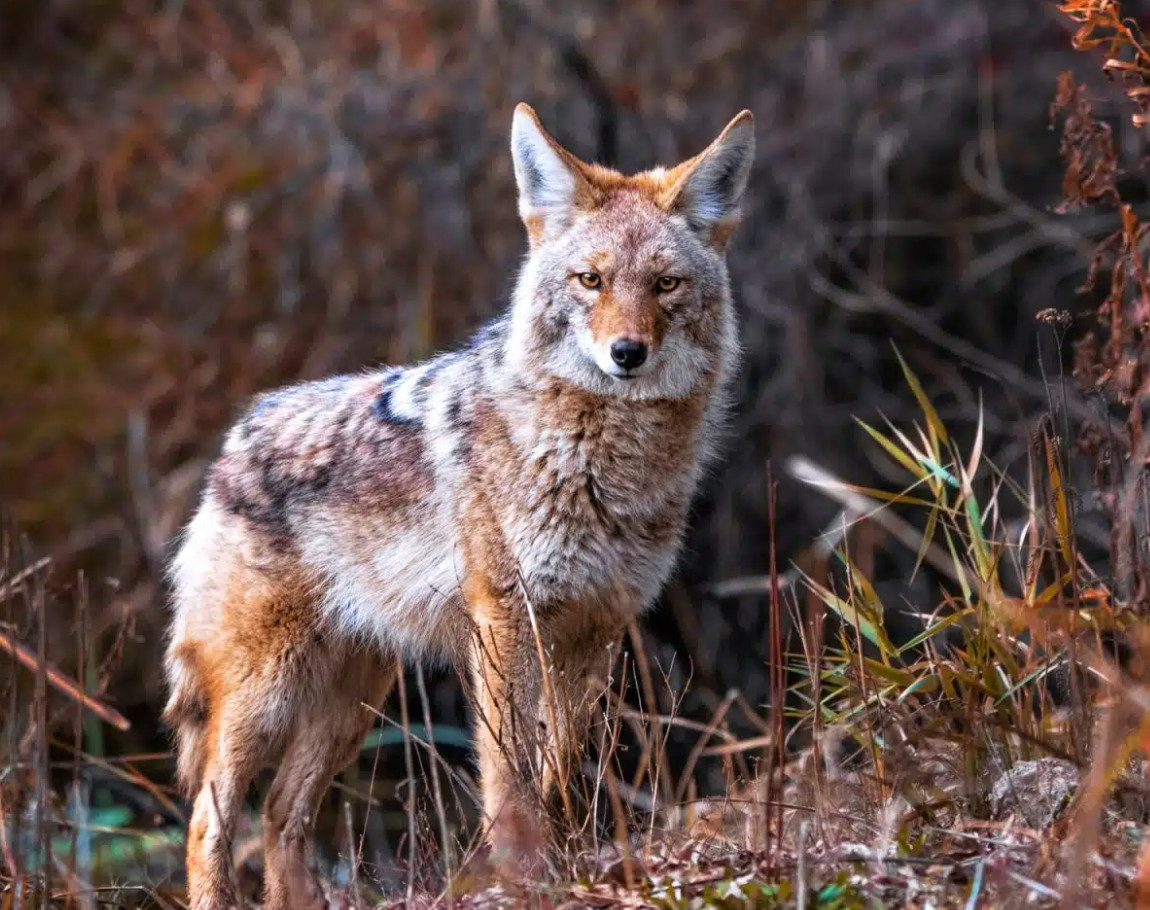
Across Illinois, coyotes are now commonly seen in rural farmland, suburban green spaces, and even near the outskirts of large cities such as Chicago. Their adaptability often sparks curiosity about how they interact with domestic animals, especially dogs. One common question homeowners, farmers, and wildlife enthusiasts ask is whether coyotes in Illinois ever breed with domestic dogs.
The short answer is yes, hybridization is biologically possible. Coyotes and domestic dogs share a close genetic relationship, and rare hybrids known as coydogs have been documented in North America. However, despite this possibility, confirmed cases remain uncommon in Illinois due to behavioral, ecological, and environmental barriers.
Understanding why hybridization happens rarely, what conditions make it possible, and how coyotes coexist with domestic dogs can help residents respond realistically rather than emotionally. The topic blends wildlife biology, ecology, urban adaptation, and responsible pet ownership into a fascinating look at modern wildlife dynamics.
Table of Contents
- 1 Coyotes in Illinois: Expansion and Current Distribution
- 2 Biological Compatibility Between Coyotes and Domestic Dogs
- 3 Behavioral Factors That Limit Hybridization
- 4 Conditions That May Increase Hybridization Risk
- 5 Are Coydogs Common in Illinois?
- 6 What Coydog Hybrids Might Look Like
- 7 Interactions Between Coyotes and Domestic Dogs
- 8 Ecological Role of Coyotes in Illinois
- 9 Human Expansion and Wildlife Overlap
- 10 Preventing Unwanted Hybridization
- 11 Myths About Coyotes and Dogs Breeding
- 12 How Wildlife Experts Study Hybridization
- 13 Coexisting With Coyotes in Illinois Communities
- 14 FAQs About Coyotes Breeding With Dogs in Illinois
- 15 Final Thoughts
Coyotes in Illinois: Expansion and Current Distribution
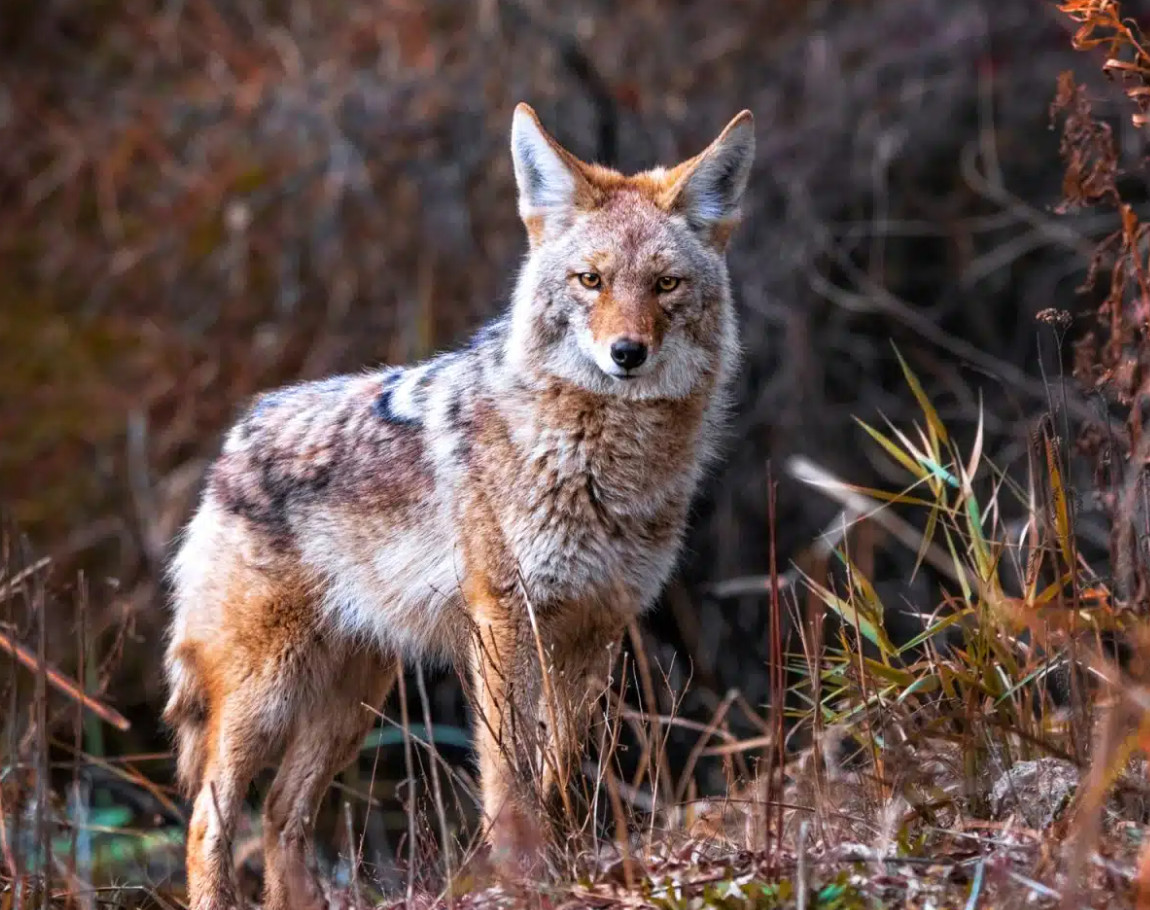
Historical Presence and Range Expansion
Coyotes were not always widespread in Illinois. Historically, they occupied mainly western North America, while wolves dominated much of the Midwest. As wolf populations declined during the nineteenth and early twentieth centuries due to hunting and habitat changes, coyotes gradually expanded eastward.
Illinois provided ideal conditions for this expansion. Mixed farmland, forests, wetlands, and suburban growth created fragmented landscapes that coyotes handle exceptionally well. By the late twentieth century, they had established populations across nearly the entire state.
Today, coyotes live statewide, from southern river valleys to northern agricultural plains and urban corridors. Their presence reflects remarkable ecological flexibility rather than sudden population explosion.
Adaptability to Human Landscapes
Coyotes thrive where many predators struggle. They adjust diet, behavior, and movement patterns based on available resources. In Illinois, typical food sources include:
-
Rodents and rabbits
-
Birds and reptiles
-
Insects and fruit
-
Carrion
-
Occasionally pet food or livestock feed
Suburban environments sometimes provide additional food through unsecured garbage, compost, or outdoor feeding practices. Despite this proximity to humans, most coyotes remain cautious and avoid direct contact whenever possible.
Because they live near human communities, interactions with domestic dogs naturally occur, which fuels questions about hybridization.
Biological Compatibility Between Coyotes and Domestic Dogs
Coyotes (Canis latrans) and domestic dogs (Canis lupus familiaris) belong to the same genus, Canis. This close genetic relationship allows them to produce fertile offspring under certain conditions. Unlike foxes, which belong to different genera, coyotes and dogs share enough chromosomal compatibility for successful reproduction.
Hybrids between coyotes and dogs are commonly called coydogs. Documented cases exist across North America, including the Midwest, although they remain relatively rare compared with overall coyote populations.
Biological compatibility alone does not determine frequency. Behavior, environment, and timing strongly influence whether hybridization occurs.
Fertility of Coydog Offspring
Coydog hybrids are usually fertile. This means they can reproduce with coyotes, dogs, or other hybrids. From a purely genetic perspective, hybridization could spread within populations.
In reality, wildlife genetic studies generally show limited domestic dog influence in wild coyote populations, including those in Illinois. Most coyotes remain genetically consistent with wild ancestry because natural behavioral barriers discourage widespread mixing.
This balance maintains ecological stability while allowing occasional hybridization.
Behavioral Factors That Limit Hybridization
Coyote Social Structure
Coyotes typically live in family units centered around a breeding pair and their offspring. These groups maintain territories using scent marking, vocalizations, and defensive behavior.
Territorial defense discourages unfamiliar canines from entering breeding areas. Domestic dogs wandering into coyote territory are more likely perceived as competitors than potential mates.
This social organization strongly favors mating within the species.
Seasonal Breeding Patterns
Coyotes breed once annually, usually between January and March in Illinois. Domestic dogs can breed multiple times throughout the year depending on breed and human management.
Because reproductive timing differs, opportunities for mating overlap are limited. Even when coyotes and dogs share habitat, synchronized breeding periods are relatively uncommon.
Timing alone significantly reduces hybridization likelihood.
Communication Differences
Successful mating requires compatible behavioral signals. Coyotes rely on specific scent cues, vocalizations, and body language during courtship.
Domestic dogs use related but not identical signals, especially when influenced by human environments. These subtle differences further reduce chances of successful interbreeding in natural settings.
Conditions That May Increase Hybridization Risk
Presence of Free-Roaming Dogs
Hybridization becomes more likely where unconfined domestic dogs roam freely. Rural communities, farms, and areas with feral dog populations create opportunities for interaction.
Unneutered dogs wandering at night present the greatest risk because coyote activity peaks during those hours.
Responsible pet ownership dramatically reduces hybridization potential.
Disrupted Coyote Territories
Habitat disturbance can occasionally disrupt coyote social structures. Development, hunting pressure, or environmental changes may isolate individual coyotes without access to mates.
Lone animals sometimes show less selectivity, increasing the possibility of crossbreeding with domestic dogs. Such situations remain uncommon but biologically plausible.
Shared feeding sites occasionally bring coyotes and dogs into proximity. Livestock operations, garbage disposal areas, or locations with abundant rodents can create interaction zones.
Still, most interactions involve avoidance or territorial conflict rather than breeding behavior.
Are Coydogs Common in Illinois?
Current Scientific Understanding
Research suggests coydog occurrences exist but remain relatively rare in Illinois. Genetic surveys typically show minimal domestic dog influence in wild coyote populations.
Most animals suspected to be hybrids turn out to be pure coyotes exhibiting natural variation in size, coat color, or behavior.
DNA testing remains the only reliable confirmation method.
Frequent Misidentification
Coyotes vary widely depending on diet, season, age, and regional genetics. Some individuals appear unusually large or display atypical coloration.
Feral domestic dogs living outdoors may also develop leaner physiques resembling wild canines. These similarities often lead to mistaken assumptions about hybrid ancestry.
Visual observation alone cannot confirm hybrid status.
What Coydog Hybrids Might Look Like
Physical Characteristics
Coydogs can display mixed traits depending on genetic contribution. Possible features include:
-
Intermediate body size
-
Unusual coat coloration
-
Mixed ear shapes
-
Altered tail carriage
-
Facial features blending both species
Because variation is broad, appearance alone rarely provides definitive identification.
Behavioral Traits
Behavioral tendencies may vary widely. Some hybrids retain coyote wariness, while others show reduced fear of humans typical of domestic dogs.
This unpredictability makes behavioral observation unreliable for identification.
Wildlife professionals rely on genetic analysis rather than appearance or behavior.
Interactions Between Coyotes and Domestic Dogs
Territorial Conflicts More Common Than Breeding
Coyotes often view dogs as territorial competitors rather than mates. Encounters may involve chasing, vocal displays, or avoidance behaviors.
During pup season, coyotes may become more defensive if dogs approach den areas. These defensive interactions sometimes get misinterpreted as aggression.
Actual mating behavior remains rare compared with territorial interactions.
Risks to Pets
Small dogs may occasionally be vulnerable to predation, particularly if unsupervised at night. Larger dogs may encounter defensive coyotes protecting territory.
Supervision, secure fencing, and avoiding nighttime roaming significantly reduce risks.
Most encounters resolve without serious incidents when precautions are followed.
Ecological Role of Coyotes in Illinois
Predator Balance
Coyotes help regulate populations of rodents, rabbits, and other small mammals. This ecological role supports agricultural productivity, forest regeneration, and disease control among prey species.
Predator presence contributes to ecosystem stability.
Balanced predator populations often indicate healthy environmental conditions.
Scavenging Contributions
Coyotes also consume carrion, helping recycle nutrients and reduce disease risks associated with decomposing animal remains.
This scavenging function often goes unnoticed but plays an important ecological role.
Healthy ecosystems depend on diverse feeding interactions.
Human Expansion and Wildlife Overlap
Development Near Natural Habitat
Illinois continues to experience suburban expansion into farmland, wetlands, and wooded areas. This expansion naturally increases wildlife sightings.
Often, coyotes are not moving closer to people. Instead, people are building closer to established wildlife habitat.
Understanding this dynamic helps contextualize increased encounters.
Attractants Around Homes
Certain human practices attract coyotes indirectly:
-
Outdoor pet food
-
Unsecured garbage
-
Livestock feed
-
Rodent infestations
-
Dense landscaping providing cover
Removing attractants reduces encounter likelihood significantly.
Environmental management often proves more effective than direct wildlife control.
Preventing Unwanted Hybridization
Responsible Pet Ownership
Spaying and neutering domestic dogs significantly reduce hybridization risk. Keeping pets supervised or securely fenced further limits interaction opportunities.
These practices protect pets, wildlife, and ecosystems simultaneously.
Community awareness plays a crucial role.
Habitat Awareness
Understanding local wildlife presence helps residents adapt behaviors appropriately. Avoid feeding wildlife and manage food waste carefully.
Reducing attractants supports coexistence without encouraging hybridization.
Education remains key.
Myths About Coyotes and Dogs Breeding
Myth: Coydogs Are Extremely Common
Documented cases exist but remain relatively rare. Most coyotes maintain wild genetic lineage.
Myth: Hybrids Are More Aggressive
Aggression relates more to individual behavior, experience, and environment than hybrid status.
Myth: Large Coyotes Must Be Hybrids
Coyotes naturally vary in size depending on region, diet, and seasonal conditions.
Education helps reduce unnecessary fear.
How Wildlife Experts Study Hybridization
Genetic Testing
Researchers analyze DNA from hair, scat, or tissue samples. These tests accurately identify species ancestry.
Genetic monitoring helps track population trends over time.
Science provides clarity where observation alone cannot.
Field Observation
Biologists study behavior, territory use, and breeding patterns. Long-term research informs wildlife management strategies.
Careful observation complements genetic data.
Together they provide a fuller understanding.
Coexisting With Coyotes in Illinois Communities
Practical Safety Tips
Supervise pets, especially after dark. Secure trash containers. Avoid leaving pet food outdoors. Maintain clear visibility around yards.
These simple precautions significantly reduce conflict.
Awareness supports safe coexistence.
Appreciating Native Wildlife
Coyotes are now a natural part of Illinois ecosystems. Observing them responsibly can deepen appreciation for local biodiversity without increasing risk.
Knowledge often replaces fear with understanding.
Balanced coexistence benefits both wildlife and communities.
FAQs About Coyotes Breeding With Dogs in Illinois
Can coyotes and dogs actually produce offspring?
Yes, biological compatibility exists. Hybrids known as coydogs have been documented, though they remain relatively uncommon.
Are coydogs common in Illinois?
Current research suggests they occur occasionally but do not dominate wild coyote populations.
Are coydogs more dangerous than coyotes?
There is no consistent evidence they are more aggressive. Behavior varies by individual.
How can I prevent my dog from interacting with coyotes?
Keep pets supervised, especially at night. Secure fencing and spaying or neutering greatly reduce risk.
Do coyotes usually avoid dogs?
Most coyotes prefer avoidance unless defending territory, pups, or food sources.
Final Thoughts
Coyotes in Illinois can technically breed with domestic dogs, but confirmed hybridization remains relatively uncommon. Behavioral instincts, territorial structure, breeding timing, and ecological preferences all help maintain species separation despite occasional overlap.
Understanding this reality helps residents respond calmly rather than reactively. Coyotes play an important ecological role, controlling prey populations and contributing to balanced ecosystems. Responsible pet management, habitat awareness, and accurate information support coexistence without unnecessary fear.
In most situations, the presence of coyotes reflects ecological adaptation rather than a threat. Knowledge transforms concern into informed awareness — the most effective approach for living alongside modern wildlife.