
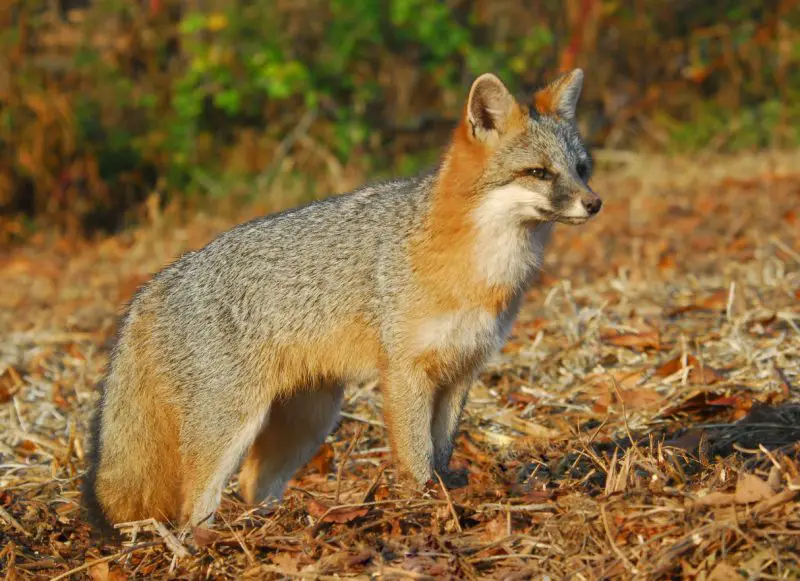
Foxes are frequently spotted throughout Pennsylvania. Red foxes cross farm fields at dawn. Gray foxes slip through wooded edges at dusk. In suburban neighborhoods, people spot foxes moving along fence lines, creek corridors, and quiet backyards. Most encounters are brief, but some leave a lasting impression.
An animal looks different.
The coat color seems unusual.
The body shape feels unfamiliar.
Soon, a question spreads.
Are fox hybrids being seen in Pennsylvania?
The idea of hybrid foxes feels plausible. Multiple fox species live in the state. Their habitats overlap. Unusual-looking animals appear on trail cameras and social media. Stories circulate quickly, especially when images lack scale or context.
To answer this question accurately, it is necessary to step away from assumption and look closely at fox species in Pennsylvania, their genetics, their behavior, and what science actually shows.
Table of Contents
- 1 Pennsylvania Is Home to More Than One Fox Species
- 2 Red Foxes Are the Most Common and Visible
- 3 Gray Foxes Occupy Different Ecological Space
- 4 Overlap Does Not Mean Interbreeding
- 5 Red Foxes and Gray Foxes Cannot Interbreed
- 6 Why the Hybrid Idea Feels Convincing
- 7 Color Morphs Are Common in Red Foxes
- 8 Seasonal Coat Changes Add to Confusion
- 9 Juvenile Foxes Are Frequently Misidentified
- 10 Lighting and Distance Distort Perception
- 11 Trail Cameras Create Optical Illusions
- 12 Fox Behavior Is Often Misinterpreted
- 13 No Genetic Evidence Supports Fox Hybrids
- 14 Foxes Do Not Hybridize With Coyotes or Dogs
- 15 Why Coywolf Stories Influence Fox Myths
- 16 Pennsylvania’s Landscape Amplifies Encounters
- 17 Social Media Accelerates Misinformation
- 18 Wildlife Agencies Are Clear on This Topic
- 19 Why Hybrid Fox Myths Matter
- 20 Foxes Play an Important Ecological Role
- 21 What To Do If You See an Unusual Fox
- 22 Why Pennsylvania Foxes Look “Different” Than Expected
- 23 What Science Tells Us Clearly
- 24 FAQs About Fox Hybrid Sightings in Pennsylvania
- 24.1 Are fox hybrids actually being seen in Pennsylvania
- 24.2 Can red foxes and gray foxes interbreed
- 24.3 Why do some foxes look unusual or different
- 24.4 Are silver foxes or black foxes hybrids
- 24.5 Can foxes breed with coyotes or domestic dogs
- 24.6 Do juvenile foxes look different from adults
- 24.7 Are trail camera photos reliable for identifying hybrids
- 24.8 Do wildlife agencies recognize fox hybrids
- 24.9 Why does the hybrid myth persist
- 24.10 What should I do if I see an unusual fox
- 25 Final Thoughts
Pennsylvania Is Home to More Than One Fox Species
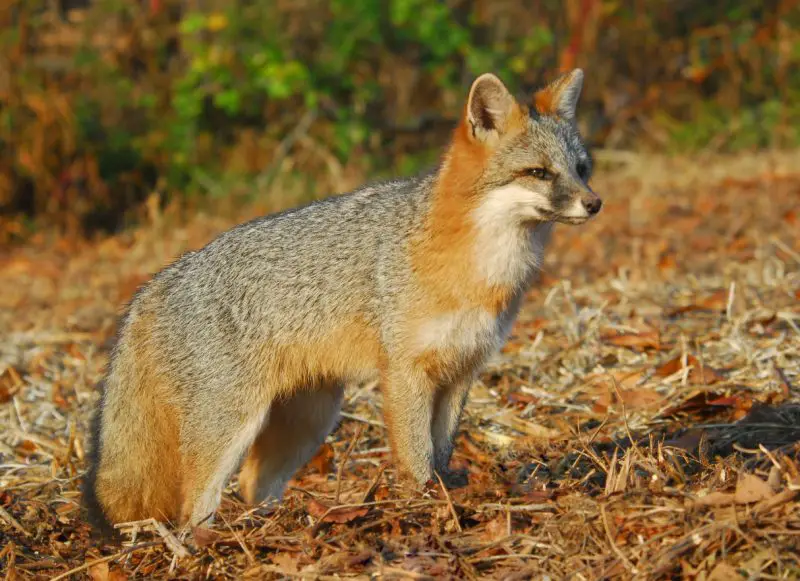
Pennsylvania supports two native fox species.
The red fox (Vulpes vulpes)
The gray fox (Urocyon cinereoargenteus)
These species have lived in the region for thousands of years. They occupy different ecological niches but sometimes share the same general landscapes.
This overlap is the foundation of hybrid speculation.
Red Foxes Are the Most Common and Visible
Red foxes are widespread across Pennsylvania.
They thrive in agricultural areas, grasslands, forest edges, and suburban environments. Their adaptability allows them to live near people without being easily noticed.
Red foxes show tremendous variation in color. While the classic red coat is common, many individuals appear silver, black, cross-patterned, or pale blond. These color morphs are naturally occurring within the species.
Color variation alone often leads to hybrid assumptions.
Gray Foxes Occupy Different Ecological Space
Gray foxes are more forest-oriented.
They prefer dense woods, brushy hillsides, and rocky terrain. Unlike red foxes, gray foxes can climb trees, a rare trait among canids.
Gray foxes are smaller, stockier, and have grizzled gray coats with reddish accents on the neck and sides. Their tails have a distinctive black stripe along the top.
They are secretive and less often seen, which adds to their mystique.
Overlap Does Not Mean Interbreeding
Although red and gray foxes live in the same state, they are not closely related.
Red foxes belong to the genus Vulpes.
Gray foxes belong to the genus Urocyon.
This separation is significant.
These two lineages diverged millions of years ago. Their evolutionary paths, chromosome structures, and reproductive systems are fundamentally different.
Hybridization between them is biologically impossible.
Red Foxes and Gray Foxes Cannot Interbreed
This point is critical.
There are no confirmed cases of red fox–gray fox hybrids anywhere in the world. Not in Pennsylvania. Not in captivity. Not historically.
Their genetic incompatibility prevents fertilization and viable offspring.
Despite living near one another, they remain completely separate species.
Why the Hybrid Idea Feels Convincing
If hybrid foxes do not exist, why does the belief persist?
The answer lies in appearance, perception, and expectation.
Foxes are highly variable animals. Their fur changes with season. Lighting alters color. Distance hides details. Stress exaggerates memory.
When an animal does not fit a mental image, people search for explanation. Hybridization feels logical and exciting.
Color Morphs Are Common in Red Foxes
Red foxes display some of the widest color variation of any North American carnivore.
Common morphs include: Red, Cross, Silver, Black, Blond.
A silver fox is not a hybrid. It is a red fox with a genetic variation affecting coat color.
In Pennsylvania, silver and cross foxes are reported regularly, especially in colder regions and forested landscapes.
These animals often trigger hybrid speculation.
Seasonal Coat Changes Add to Confusion
Foxes look different across seasons.
Winter coats are thicker, longer, and often darker. Summer coats are shorter and lighter. Tails appear fuller in cold months and thinner in warm weather.
A fox seen in February may look like a different animal than the same fox seen in August.
Seasonal change is often mistaken for genetic difference.
Juvenile Foxes Are Frequently Misidentified
Young foxes look unusual.
They have lanky bodies, oversized ears, narrow faces, and awkward movement. Their proportions change rapidly as they mature.
A juvenile red fox can look nothing like an adult. A young gray fox may appear unusually colored or sized.
Age-related differences are a major source of hybrid myths.
Lighting and Distance Distort Perception
Most fox sightings occur at dawn, dusk, or night.
Low light flattens color. Shadows exaggerate size. Motion blur hides details. Headlights and trail cameras distort proportions.
A fox crossing a road at night may appear much larger or stranger than it actually is.
Memory fills in the gaps.
Trail Cameras Create Optical Illusions
Trail cameras contribute heavily to hybrid rumors.
Wide-angle lenses stretch bodies. Night mode exaggerates eyes and tail length. Lack of scale removes size reference.
A fox photographed close to the lens can look massive. A fox farther away can look oddly shaped.
Images without context invite speculation.
Fox Behavior Is Often Misinterpreted
Behavior differences are sometimes cited as evidence of hybridization.
Some foxes are bolder. Some flee quickly. Some linger near homes. Some hunt during daylight.
Behavior is shaped by experience, food availability, and human presence, not hybrid ancestry.
Urban foxes behave differently from rural foxes, even within the same species.
No Genetic Evidence Supports Fox Hybrids
Fox genetics are well studied.
Wildlife biologists routinely analyze DNA from fox populations for research, disease monitoring, and management. These studies consistently show clear separation between red foxes and gray foxes.
No hybrid genetic signatures have been detected in Pennsylvania or elsewhere.
If hybrids existed, modern genetic tools would reveal them.
They have not.
Foxes Do Not Hybridize With Coyotes or Dogs
Another common claim involves foxes breeding with coyotes or domestic dogs.
This is also false.
Foxes belong to different genera than coyotes and dogs. Their genetic distance prevents hybridization.
Coywolves exist because wolves and coyotes are closely related. Foxes are not part of that group.
Why Coywolf Stories Influence Fox Myths
The existence of real hybrids elsewhere fuels false assumptions.
Because people hear about coywolves, they assume similar mixing must occur among foxes.
But hybridization depends on close genetic compatibility, not just shared habitat.
Coyotes and wolves can hybridize. Foxes cannot hybridize with other canids in Pennsylvania.
Pennsylvania’s Landscape Amplifies Encounters
Pennsylvania’s mix of forests, farms, suburbs, and small towns creates ideal fox habitat.
Foxes use edge environments where human activity is concentrated. This increases sightings.
More sightings lead to more stories.
More stories reinforce belief.
Social Media Accelerates Misinformation
Unusual fox photos spread quickly online.
Comment sections encourage speculation. Algorithms reward novelty. Corrections rarely travel as far as rumors.
Over time, repeated exposure makes the idea of fox hybrids feel familiar and possible.
Familiarity becomes belief.
Wildlife Agencies Are Clear on This Topic
Pennsylvania wildlife officials are consistent.
There are no known fox hybrids in the state. Reports of unusual foxes are explained by color morphs, age, lighting, or misidentification.
Hybridization is not a management concern.
Why Hybrid Fox Myths Matter
At first glance, hybrid stories seem harmless.
But misinformation can lead to fear, unnecessary killing of animals, or misguided wildlife control efforts.
Understanding reality supports coexistence rather than conflict.
Foxes Play an Important Ecological Role
Foxes help control rodent populations. They influence prey behavior. They contribute to balanced ecosystems across Pennsylvania.
Protecting them requires understanding what they are and what they are not.
Hybrid myths distract from real ecological value.
What To Do If You See an Unusual Fox
Observe calmly.
Note size, tail shape, movement, and habitat. Consider season and lighting. Take photos if possible, but avoid assumptions.
Report sightings only if necessary and let experts handle identification.
Why Pennsylvania Foxes Look “Different” Than Expected
Expectations are often shaped by limited experience.
When people picture a fox, they imagine a single look. Reality is more complex.
Foxes vary widely, and that variation is normal.
What Science Tells Us Clearly
Science provides a definitive answer.
Fox hybrids are not being seen in Pennsylvania because fox hybrids do not exist there.
Red foxes remain red foxes. Gray foxes remain gray foxes. Their boundaries are firm.
What people are seeing is natural variation expressed in a complex landscape.
FAQs About Fox Hybrid Sightings in Pennsylvania
Are fox hybrids actually being seen in Pennsylvania
No. There is no scientific evidence of fox hybrids in Pennsylvania.
Can red foxes and gray foxes interbreed
No. They belong to different genera and are genetically incompatible.
Why do some foxes look unusual or different
Natural color variation, seasonal coats, age differences, and lighting effects explain most unusual appearances.
Are silver foxes or black foxes hybrids
No. They are color morphs of red foxes, not hybrids.
Can foxes breed with coyotes or domestic dogs
No. Foxes are too genetically distant from coyotes and dogs to interbreed.
Do juvenile foxes look different from adults
Yes. Young foxes have lanky bodies and unusual proportions that can appear unfamiliar.
Are trail camera photos reliable for identifying hybrids
No. Camera angles, lighting, and lack of scale often distort appearance.
Do wildlife agencies recognize fox hybrids
No. Pennsylvania wildlife officials do not consider fox hybridization a real phenomenon.
Why does the hybrid myth persist
Because unusual sightings spread easily and hybrid stories feel exciting and memorable.
What should I do if I see an unusual fox
Observe from a distance, consider seasonal and age factors, and avoid assuming hybrid ancestry.
Final Thoughts
The idea that fox hybrids are being seen in Pennsylvania is understandable but incorrect.
It grows from overlapping habitats, natural variation, fleeting encounters, and the power of storytelling. But biology sets clear limits.
Foxes in Pennsylvania do not hybridize.
What residents are seeing are normal foxes behaving and appearing differently based on age, season, environment, and perspective.
Replacing myth with understanding allows people to appreciate these animals for what they truly are, not what fear or imagination suggests.