
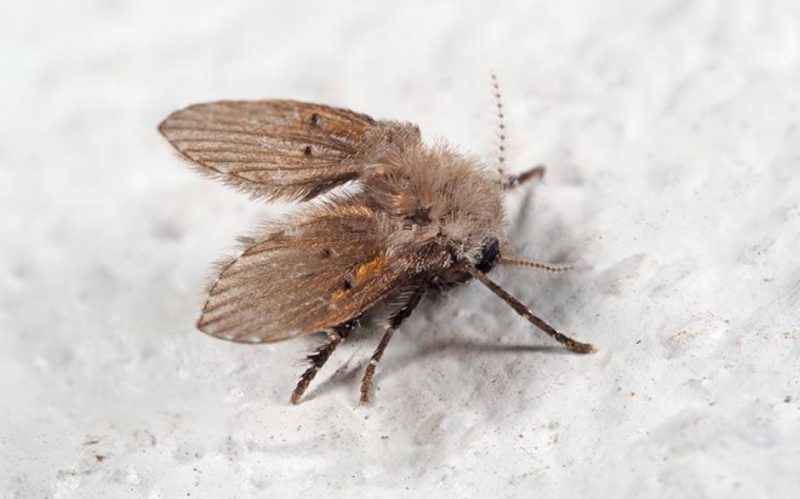
Tiny flies hovering around bathroom sinks, showers, or floor drains can feel like a mystery at first. They seem to appear suddenly, often in clusters, and no matter how many you swat away, more keep coming. Many homeowners across Iowa notice this issue especially during seasonal humidity changes, plumbing disturbances, or shifts in indoor temperature.
These flies are usually drain flies, sometimes called moth flies or sewer gnats. They are not random invaders from outdoors. Instead, they breed right inside plumbing systems, feeding on organic buildup that accumulates over time. That hidden habitat explains why they seem impossible to eliminate with surface cleaning alone.
Understanding why these flies appear, why Iowa homes are particularly prone to the issue, and how to address it effectively can turn an annoying recurring problem into a manageable one. Once the conditions attracting them are controlled, they usually disappear quickly.
Table of Contents
- 1 What These Tiny Bathroom Flies Usually Are
- 2 Why Iowa Homes Often Experience This Problem
- 3 How Drain Flies Establish in Bathroom Plumbing
- 4 Why the Flies Suddenly Appear
- 5 Distinguishing Drain Flies From Other Tiny Flies
- 6 Health Risks and Concerns
- 7 Why Cleaning the Sink Surface Isn’t Enough
- 8 Effective Prevention Strategies for Iowa Homes
- 9 Natural Ways to Reduce Drain Fly Activity
- 10 When Professional Help Is Necessary
- 11 Long-Term Outlook for Iowa Households
- 12 FAQs About Tiny Flies in Iowa Bathroom Drains
- 12.1 Why do these flies keep coming back?
- 12.2 Are they coming from the sewer system?
- 12.3 Do drain flies bite people?
- 12.4 Can bleach eliminate them?
- 12.5 Are they worse in summer?
- 12.6 Should I worry about disease?
- 12.7 Can unused bathrooms cause infestations?
- 12.8 How fast do they multiply?
- 12.9 Do essential oils help repel them?
- 12.10 Will cold winter weather kill them?
- 13 Conclusion
What These Tiny Bathroom Flies Usually Are
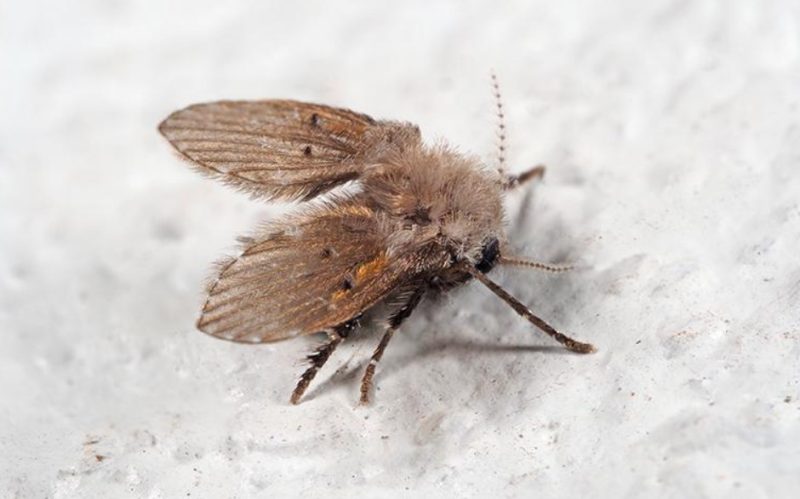
Drain flies are the most common culprit
Most tiny flies emerging from bathroom drains belong to a group known as drain flies. They are small, fuzzy insects with rounded wings that give them a moth-like appearance. Their flight pattern is weak and fluttery, which makes them easy to distinguish from fruit flies or fungus gnats.
They thrive in moist environments rich in organic residue. Bathroom drains, especially those rarely cleaned deep inside, provide ideal breeding conditions. Layers of soap scum, skin cells, toothpaste residue, hair, and bacteria combine to create a nutrient-rich film.
Because these flies breed in the drain itself, eliminating visible adults rarely solves the problem unless the source is addressed.
They reproduce quickly but predictably
Drain flies lay eggs inside the gelatinous organic layer lining pipes. The larvae feed within this material, protected from surface cleaning or casual rinsing.
Their life cycle can complete in as little as one to three weeks under favorable conditions. That speed explains why populations can seem to explode suddenly.
In reality, the buildup supporting them has usually been developing quietly for months.
Why Iowa Homes Often Experience This Problem
Seasonal humidity swings play a big role
Iowa experiences significant seasonal changes. Summers can be humid, while winters are cold with heavy indoor heating. These fluctuations affect indoor moisture levels and plumbing conditions.
Warm, humid weather encourages bacterial growth inside drains. That bacterial film becomes prime food for fly larvae. Meanwhile, winter heating dries air but may increase condensation in plumbing systems due to temperature differences.
These environmental cycles create repeated opportunities for drain fly populations to establish.
Older plumbing systems are common
Many Iowa homes have aging plumbing infrastructure. Older pipes may accumulate more organic residue, especially if drainage slopes are imperfect or interior surfaces have rough spots where debris sticks.
Even modern homes are not immune. Contemporary plumbing still collects soap scum, toothpaste residue, and hair, all of which provide nourishment for larvae.
Routine maintenance often determines whether flies become noticeable.
Agricultural surroundings influence indoor insects
Rural and suburban Iowa environments include farmland, vegetation, and livestock areas. These surroundings increase overall insect populations.
While drain flies breed indoors, higher outdoor insect pressure increases the chance of initial entry. Once inside, bathroom drains offer perfect breeding habitats.
This rural-urban interface contributes to recurring issues.
How Drain Flies Establish in Bathroom Plumbing
Organic buildup inside pipes
Everyday bathroom use introduces organic material into drains:
Soap residue accumulates gradually.
Hair collects along pipe edges.
Skin cells wash off during bathing.
Toothpaste and cosmetic products leave films.
Over time, bacteria break down this material, forming a slimy layer ideal for larvae.
This buildup often exists deep inside pipes, beyond the reach of simple surface cleaning.
Standing water accelerates breeding
Partial clogs or slow drainage allow water to linger in pipes. That moisture keeps organic films soft and nutrient-rich.
Larvae require moisture to survive, so standing water significantly boosts reproduction.
Even minor drainage slowdowns can make a big difference.
Low-use drains become hotspots
Guest bathrooms, basement bathrooms, or rarely used showers often develop stronger infestations.
Unused drains allow water to stagnate and organic films to thicken undisturbed.
Regular flushing with water can sometimes prevent buildup from reaching problem levels.
Why the Flies Suddenly Appear
Population tipping point effect
Drain fly populations build gradually out of sight. When enough adults emerge simultaneously, it suddenly becomes noticeable.
This tipping point often follows seasonal humidity changes or increased bathroom usage.
The problem feels sudden but has usually been developing quietly.
Plumbing disturbances trigger emergence
Pipe vibrations, repairs, or even heavy water flow can disturb larvae habitats.
That disturbance encourages adult flies to emerge and search for new breeding spots.
Homeowners often notice flies shortly after plumbing work.
Temperature changes speed development
Warmer indoor temperatures accelerate insect development. Seasonal heating adjustments or warmer weather can shorten life cycles.
That acceleration leads to faster population growth and more visible adults.
Bathrooms, being humid and warm, amplify this effect.
Distinguishing Drain Flies From Other Tiny Flies
Drain flies versus fruit flies
Fruit flies usually gather near food, garbage, or ripening fruit. They have smoother bodies and stronger flight.
Drain flies prefer moist plumbing areas and have fuzzy wings.
Location is often the easiest clue.
Fungus gnats compared
Fungus gnats are slender, mosquito-like insects commonly associated with houseplants.
They hover near soil rather than drains.
Their appearance differs noticeably from drain flies.
Sewer gnats and other small insects
Some people use the term sewer gnats loosely. Most of these cases still involve drain flies.
Accurate identification helps target treatment effectively.
Health Risks and Concerns
Mostly nuisance pests
Drain flies generally do not bite or spread disease directly. Their presence is more irritating than dangerous.
However, they can indicate plumbing hygiene issues that deserve attention.
Ignoring the problem allows populations to grow.
Potential allergy irritation
Large populations can aggravate allergies in sensitive individuals.
Their body fragments and droppings may contribute to indoor irritants.
Reducing populations improves overall indoor comfort.
Why Cleaning the Sink Surface Isn’t Enough
The breeding site is deeper
Surface cleaning removes visible grime but rarely reaches deep pipe interiors.
Larvae live within biofilm layers that cling tightly to pipe walls.
This hidden habitat explains persistent reappearance.
Chemical cleaners may not penetrate fully
Many household cleaners pass quickly through drains without breaking down the organic film.
Some harsh chemicals even harden residue layers, making them harder to remove.
Mechanical cleaning often works better.
Biofilm protects larvae
The slimy bacterial film acts like a shield. It keeps larvae moist and nourished.
Removing this film is the key to long-term control.
Effective Prevention Strategies for Iowa Homes
Regular deep drain cleaning
Occasional deep cleaning prevents buildup from reaching infestation levels.
Mechanical brushing tools or enzyme-based cleaners help break down organic material.
Consistency matters more than intensity.
Improve bathroom ventilation
Reducing humidity slows bacterial growth inside drains.
Use exhaust fans regularly.
Open doors after showers.
Allow air circulation whenever possible.
Dry environments discourage breeding.
Maintain plumbing health
Fix slow drains promptly.
Address leaks quickly.
Ensure proper pipe slopes.
Healthy plumbing reduces insect habitat.
Natural Ways to Reduce Drain Fly Activity
Hot water flushing routines
Periodic hot water flushing helps loosen organic buildup.
This simple step can reduce early-stage breeding conditions.
It works best as prevention rather than treatment.
Enzyme-based cleaners
Biological cleaners break down organic matter gently.
They maintain pipe health while eliminating food sources.
Many homeowners prefer them over harsh chemicals.
Physical pipe cleaning
Flexible brushes or plumber’s snakes remove stubborn residue.
Mechanical removal often produces immediate improvement.
Combining methods yields the best results.
When Professional Help Is Necessary
Persistent recurring infestations
If flies return repeatedly despite cleaning, hidden plumbing issues may exist.
Cracked pipes, sewer gas leaks, or inaccessible buildup sometimes require professional intervention.
Early assessment prevents larger problems.
Large-scale infestations
Heavy populations suggest extensive biofilm buildup.
Professional cleaning tools reach deeper into plumbing systems.
This approach often resolves stubborn cases.
Long-Term Outlook for Iowa Households
Seasonal recurrence is common
Many Iowa homes experience occasional drain fly issues due to climate cycles.
Understanding patterns helps prevent panic.
Routine maintenance usually keeps populations manageable.
Prevention beats elimination
Maintaining clean, dry drains reduces future risk significantly.
Small consistent efforts produce lasting results.
Awareness remains the strongest defense.
FAQs About Tiny Flies in Iowa Bathroom Drains
Why do these flies keep coming back?
Recurring infestations usually mean the organic buildup inside pipes hasn’t been fully removed. Even a small remaining biofilm can support new generations.
Are they coming from the sewer system?
Sometimes, but most infestations originate inside household plumbing where organic residue accumulates.
Do drain flies bite people?
They rarely bite and generally avoid human contact. Their presence is mostly a nuisance.
Can bleach eliminate them?
Bleach may kill some larvae but often fails to remove the organic film they depend on. Mechanical or enzyme cleaning is usually more effective.
Are they worse in summer?
Yes. Warm, humid conditions accelerate breeding and bacterial growth inside drains.
Should I worry about disease?
Direct health risks are low, but addressing the underlying plumbing hygiene issue is still important.
Can unused bathrooms cause infestations?
Yes. Stagnant water and undisturbed organic buildup in rarely used drains often encourage breeding.
How fast do they multiply?
Under favorable conditions, populations can grow noticeably within a few weeks.
Do essential oils help repel them?
Some scents may discourage adults temporarily, but eliminating the breeding site remains essential.
Will cold winter weather kill them?
Indoor heating protects them. Winter may even increase sightings due to indoor humidity shifts.
Conclusion
Tiny flies emerging from bathroom drains in Iowa rarely appear without reason. They reflect environmental conditions inside plumbing systems rather than random insect invasions. Moisture, organic buildup, seasonal climate shifts, and everyday bathroom habits all contribute to their presence.
The reassuring truth is that these insects are usually harmless. They signal maintenance needs more than health threats. With proper drain hygiene, moisture control, and occasional deep cleaning, most households can eliminate the problem effectively.
Understanding why they appear transforms frustration into practical action. Once the hidden breeding conditions disappear, the flies usually follow, restoring the bathroom to the clean, comfortable space it should be.