
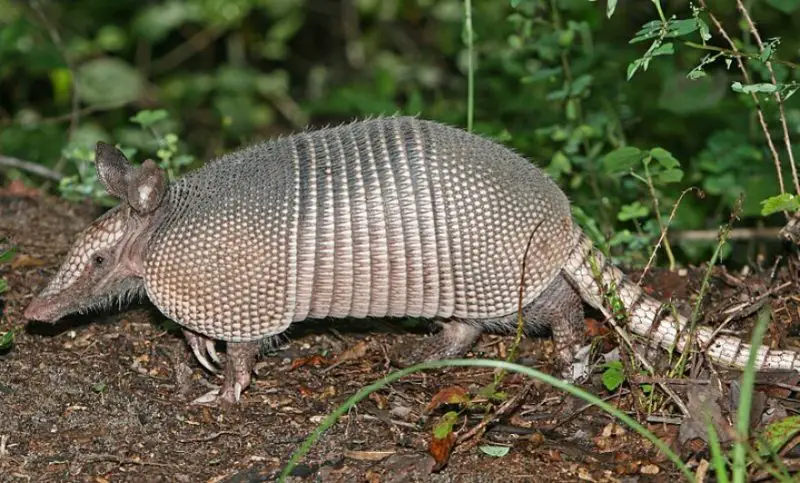
Across South Carolina, more homeowners are noticing unusual holes appearing in lawns, gardens, and areas near foundations. These holes often seem to show up overnight. The soil looks freshly disturbed. Small cone-shaped pits scatter across grass, mulch beds, or yard edges. Sometimes there are shallow trenches or larger burrow entrances near structures. Naturally, people begin asking questions. Is something dangerous nearby? Is it structural damage? Could it be a pest infestation?
In many cases, the answer involves armadillos. These unusual mammals have expanded steadily across the southeastern United States, including South Carolina, where climate, soil, and habitat conditions suit them well. While their digging can be frustrating, understanding what armadillo holes actually mean helps homeowners respond calmly and effectively rather than react with unnecessary alarm.
Armadillo digging typically signals food searching, shelter building, or environmental conditions favorable to their survival. It rarely indicates aggression or serious danger. However, repeated activity can point to underlying landscape conditions that deserve attention.
Table of Contents
- 1 Armadillos in South Carolina: Why They’re Increasing
- 2 What Armadillo Holes Typically Look Like
- 3 Why Armadillos Dig Near Homes Specifically
- 4 Seasonal Patterns of Armadillo Digging
- 5 Are Armadillo Holes Dangerous?
- 6 Signs Armadillos Are Responsible
- 7 Preventing Armadillo Digging
- 8 Humane Deterrent Options
- 9 When Professional Help Is Needed
- 10 Ecological Role of Armadillos
- 11 Living With Armadillos in South Carolina
- 12 FAQs About Armadillo Holes in South Carolina
- 13 Conclusion
Armadillos in South Carolina: Why They’re Increasing
Expanding regional populations
Armadillos were once considered uncommon in many parts of South Carolina, but over the past few decades their presence has steadily grown. As climate patterns have shifted and winters have become milder, survival rates have improved. Warmer temperatures reduce winter mortality, allowing more individuals to reproduce and expand into new areas.
At the same time, development across the Southeast has created a patchwork of forests, suburban neighborhoods, and agricultural land. This mix of habitats actually benefits adaptable wildlife. Armadillos thrive in edge environments where wooded areas meet open lawns or fields. As housing developments expand into previously rural land, armadillos follow the transition zones.
Because of this steady range expansion, homeowners who rarely saw armadillos years ago may now notice increasing activity. The rise in armadillo holes near homes reflects broader ecological changes rather than sudden infestations.
Climate suitability
South Carolina’s climate is especially favorable for armadillos. These animals struggle in regions with prolonged freezing temperatures, but the state’s generally mild winters allow year-round survival. Even short cold snaps rarely last long enough to significantly impact populations.
Moist soil is another important factor. Armadillos dig using strong claws and rely on their sense of smell to locate insects underground. Loamy, sandy, and damp soils—common across coastal plains and inland regions—make digging easy. Hard, dry soil is less attractive, but South Carolina’s humidity often keeps ground conditions workable.
Together, mild winters and diggable soil create an environment where armadillos can feed, burrow, and reproduce successfully. These conditions encourage population stability and gradual expansion.
Abundant insect food sources
Food availability is often the primary reason armadillos appear near homes. Their diet consists mainly of insects, grubs, beetle larvae, ants, termites, worms, and other invertebrates. Suburban lawns and gardens provide ideal feeding grounds.
Irrigated turfgrass, mulch beds, compost piles, and flower gardens all support rich insect populations. Outdoor lighting attracts insects at night, which in turn draws insect-feeding animals. Even well-maintained lawns may host underground grubs that armadillos can detect easily.
Because suburban landscapes often provide more concentrated insect resources than wild areas, armadillos frequently visit residential yards. Their digging is usually a direct response to food abundance rather than territorial behavior.
What Armadillo Holes Typically Look Like
Feeding holes
The most common sign of armadillo activity is small, shallow holes scattered across a lawn. These holes typically measure two to five inches wide and are a few inches deep. They often have a cone-like shape and appear randomly distributed.
These feeding holes form when armadillos probe the soil searching for insects. Using their long snouts and powerful front claws, they quickly dig and move on if no prey is found. When food is plentiful, multiple holes may appear in clusters.
Although unsightly, these feeding holes rarely cause serious structural damage. They primarily affect lawn appearance rather than long-term soil stability.
Burrow entrances
Larger holes indicate burrowing rather than feeding. Burrow openings are wider and may be accompanied by loose soil pushed outward. Armadillos use burrows for daytime shelter, escaping heat, avoiding predators, and raising young.
Common burrow locations include areas under decks, near home foundations, along tree roots, beneath sheds, and beside thick shrubs. These spots provide protection and structural support.
Burrows can extend several feet underground. While most do not threaten buildings directly, persistent burrowing near foundations should be monitored to prevent potential soil displacement over time.
Shallow trenches
In some cases, homeowners notice shallow linear trenches instead of round holes. These occur when armadillos follow insect movement just below the surface.
Trenching often appears in mulch beds or soft soil where insects are abundant. This behavior reflects active foraging rather than nesting.
The pattern may look more disruptive than isolated holes, but it usually indicates concentrated feeding rather than long-term habitation.
Why Armadillos Dig Near Homes Specifically
Irrigated lawns attract prey
Watered lawns create ideal conditions for grubs, worms, and beetle larvae. Moist soil is easier to dig and supports a steady insect population. Armadillos can detect prey using their strong sense of smell and quickly focus activity where food is abundant.
Homes with regular irrigation may unintentionally create consistent feeding zones. Even small patches of damp soil can attract repeated visits.
Over time, armadillos may return frequently to areas where they previously found food.
Landscaping provides cover
Dense landscaping offers security. Shrubs, hedges, ornamental grasses, wood piles, and garden structures create shaded hiding spots. Armadillos prefer areas where they feel concealed from predators while feeding.
Suburban yards often include decorative plantings and layered vegetation, which simulate natural forest edges. These features increase the likelihood of nighttime visits.
Reducing excessive ground cover can sometimes decrease repeat activity.
Reduced natural predators
In many suburban areas, large predators are less common than in remote forests. Coyotes, bobcats, and large birds of prey may exist but often at lower densities.
Reduced predator pressure allows armadillos to forage more comfortably near human structures. As wildlife adapts to suburban environments, confidence increases, leading to more visible activity.
Lower predation risk supports steady population growth.
Seasonal Patterns of Armadillo Digging
Spring activity surge
Spring often brings noticeable increases in armadillo digging. Warmer weather stimulates insect activity, and rainfall softens soil. These conditions make feeding easier and more productive.
Spring also coincides with breeding and increased movement. Armadillos explore new areas in search of food and shelter.
Homeowners frequently report fresh lawn holes during this season.
Summer feeding peak
During humid summer months, insect populations thrive. Armadillos remain active during warm nights, especially after rainfall.
Digging may intensify when soil remains soft and prey is abundant. Nighttime feeding can become consistent if resources remain reliable.
Summer conditions often represent peak yard disturbance.
Autumn preparation
In fall, armadillos may increase feeding activity as food sources fluctuate. Leaf litter accumulates and supports insect life, drawing armadillos into wooded yard edges.
They continue burrowing for shelter and may expand territory before cooler temperatures arrive.
Activity often remains steady until significant cold weather occurs.
Winter adjustments
South Carolina winters are typically mild, allowing continued activity. However, prolonged cold periods may temporarily reduce digging.
When temperatures rebound, feeding resumes quickly. Because severe winter conditions are uncommon, populations remain relatively stable year-round.
Are Armadillo Holes Dangerous?
Lawn and landscape damage
Most damage is cosmetic. Small feeding holes disrupt turfgrass and create uneven ground. Promptly filling holes prevents trip hazards and restores lawn appearance.
Damage rarely affects long-term soil health. In fact, minor soil disturbance can improve aeration in some cases.
Homeowners usually find the visual impact more concerning than the physical consequences.
Foundation concerns
Burrows near foundations require monitoring. Persistent digging could loosen soil over time, particularly if water accumulates in those areas.
Serious structural damage is uncommon but possible if burrows remain active for extended periods. Early detection and deterrence reduce this risk significantly.
Addressing burrows promptly is the best preventive approach.
Health considerations
Armadillos generally avoid human contact. They are not aggressive and typically flee when approached.
Basic hygiene precautions, such as wearing gloves when handling disturbed soil, are sufficient. Direct health risks to humans are minimal.
Most concerns relate to landscaping rather than safety.
Signs Armadillos Are Responsible
Hole characteristics
Cone-shaped feeding holes scattered randomly across lawns often point to armadillos. Unlike rodents, which leave mounds or tunnel ridges, armadillos leave shallow pits.
The pattern of disturbance helps differentiate them from other animals.
Consistent size and depth of holes are strong indicators.
Nocturnal sightings
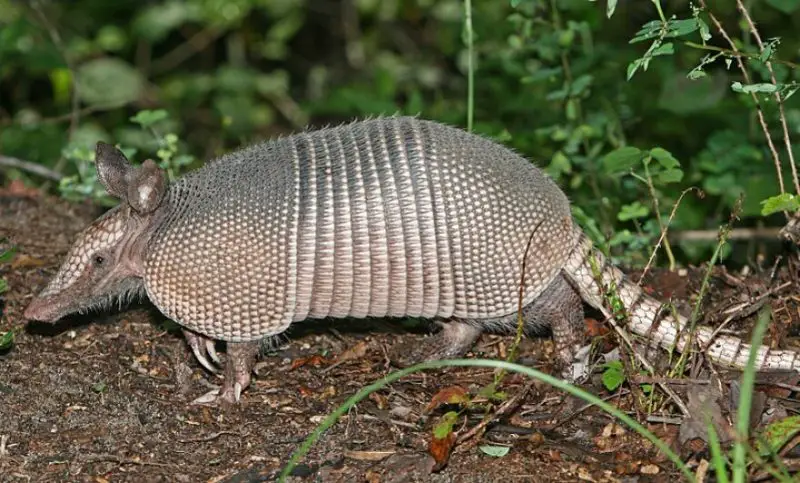
Spotting a low, armored animal moving slowly at night confirms armadillo presence. They have distinctive rounded backs and long snouts.
They are typically quiet and non-confrontational. Outdoor lighting often reveals their activity.
Tracks and clues
Armadillo tracks show four toes on the front feet and five on the rear. Tail drag marks may appear in soft mud.
Observing these signs helps confirm identification without direct sightings.
Preventing Armadillo Digging
Reduce insect populations
Balanced lawn care and targeted grub management reduce food availability. Healthy turf discourages excessive insect concentration.
Avoid overwatering lawns, as excess moisture encourages prey species.
Managing insect populations decreases repeat visits.
Manage moisture levels
Fix leaks and improve yard drainage. Standing water and saturated soil attract both insects and digging wildlife.
Maintaining drier soil conditions discourages persistent foraging.
Modify landscaping
Trim dense shrubs, remove debris piles, and reduce heavy ground cover. Open spaces make wildlife feel more exposed.
Landscaping adjustments often decrease nighttime visits.
Humane Deterrent Options
Habitat modification
Long-term environmental changes are more effective than temporary repellents. Removing food sources and shelter reduces attraction naturally.
Consistency produces lasting results.
Physical barriers
Installing fencing that extends slightly underground can protect gardens or specific lawn areas. Barriers require maintenance but offer reliable protection for small zones.
Lighting deterrents
Motion-activated lighting may discourage some nocturnal activity. Effectiveness varies, but combined with other measures it can reduce visits.
When Professional Help Is Needed
Persistent burrowing
If burrows repeatedly appear near structures, professional wildlife services can assess and implement exclusion strategies. Early action prevents soil instability.
Extensive yard damage
Large-scale digging may indicate abundant prey or established dens. Integrated wildlife management can address both habitat and animal behavior effectively.
Ecological Role of Armadillos
Natural pest control
Armadillos consume large quantities of insects, including species that damage lawns. Their feeding can reduce pest populations naturally.
This ecological role often goes unnoticed because attention focuses on visible digging.
Soil aeration effects
Digging loosens compacted soil and mixes organic material. This can improve soil structure over time, though the aesthetic impact remains a concern for homeowners.
Adaptability to human landscapes
Armadillos adapt well to suburban environments. Human landscaping often provides exactly the conditions they need.
Understanding this adaptability helps homeowners respond with balanced management rather than panic.
Living With Armadillos in South Carolina
Practical coexistence
Complete elimination is rarely realistic or necessary. Prevention and habitat management typically reduce activity to manageable levels.
Most encounters remain occasional rather than constant.
Awareness reduces stress
Learning how and why armadillos dig near homes reduces fear and frustration. With proper understanding, their presence becomes a manageable wildlife interaction rather than a crisis.
Calm, informed responses lead to better outcomes for both homeowners and local ecosystems.
FAQs About Armadillo Holes in South Carolina
Do armadillo holes mean infestation?
Not necessarily. Occasional digging often reflects temporary feeding.
Are armadillos aggressive?
They avoid humans and rarely show aggression.
Will they damage foundations?
Persistent burrowing near structures should be monitored.
Are they active year-round?
Mostly yes due to mild climate.
How can I stop digging?
Reduce insects, manage moisture, and adjust landscaping.
Do repellents work?
Results vary; habitat modification works better.
Should I trap them?
Only if persistent issues occur, often with professional guidance.
Are they protected wildlife?
Regulations vary; check local guidelines.
Do they carry disease?
Direct risk to humans is generally low.
Will they return?
If food and shelter remain, repeat visits are possible.
Conclusion
Armadillo holes near homes in South Carolina usually reflect natural feeding behavior rather than serious danger. These animals thrive in the region’s climate and often visit yards in search of insects, moisture, and shelter.
While digging can damage lawns or landscaping, armadillos rarely pose direct threats to people. Most issues relate to environmental conditions that can be adjusted with practical prevention steps. Understanding their behavior allows homeowners to respond calmly instead of reacting with unnecessary concern.
With proper awareness, moisture management, landscaping adjustments, and occasional professional guidance when needed, coexistence with armadillos becomes manageable. In many cases, once conditions change, these quiet nighttime visitors simply move on.