
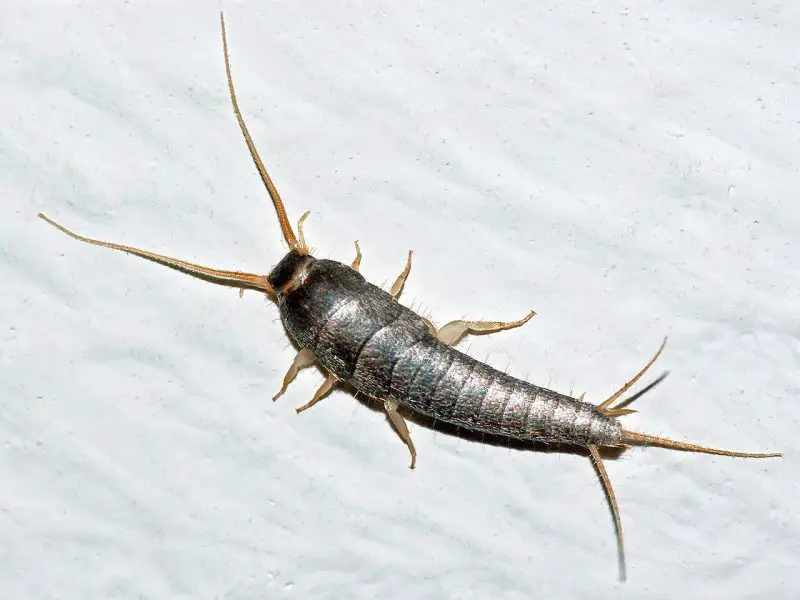
South Dakota homeowners are often surprised when tiny, silvery insects suddenly show up in their bathrooms. They move quickly, avoid light, and seem to appear overnight without warning. Many people assume these insects arrived from outside or were introduced recently, but in most cases, they were already present inside the home long before being noticed.
Silverfish thrive in hidden indoor environments. Bathrooms, especially in colder climates like South Dakota, provide the perfect combination of moisture, warmth, and shelter. When environmental conditions shift slightly, their presence becomes visible all at once, creating the impression of a sudden infestation.
Understanding why silverfish appear, what environmental factors encourage them, and how regional climate conditions influence indoor pest activity helps explain why bathrooms often become their preferred habitat. It also helps homeowners prevent recurring problems without panic.
Table of Contents
- 1 What Silverfish Actually Are
- 2 Why Bathrooms Attract Silverfish So Strongly
- 3 South Dakota Climate Plays a Big Role
- 4 Why They Seem to Appear Suddenly
- 5 Moisture Is the Primary Driver
- 6 Organic Materials Provide Food Sources
- 7 Plumbing Design Creates Ideal Microhabitats
- 8 Renovations Can Trigger Visibility
- 9 Seasonal Heating Influences Indoor Conditions
- 10 Are Silverfish Dangerous?
- 11 Why Bathrooms Show Them First
- 12 Ventilation Makes a Major Difference
- 13 Storage Habits Influence Infestations
- 14 Hidden Mold Encourages Silverfish
- 15 Why Older Homes See More Activity
- 16 Preventive Maintenance Helps Most
- 17 FAQs About Silverfish in South Dakota Bathrooms
- 17.1 Why do silverfish suddenly appear in bathrooms?
- 17.2 Are silverfish dangerous to people?
- 17.3 Does cold weather bring them indoors?
- 17.4 Will cleaning eliminate them completely?
- 17.5 Do they indicate plumbing problems?
- 17.6 Are they attracted to dirty bathrooms?
- 17.7 Can ventilation prevent them?
- 17.8 Should I call pest control?
- 18 Conclusion
What Silverfish Actually Are
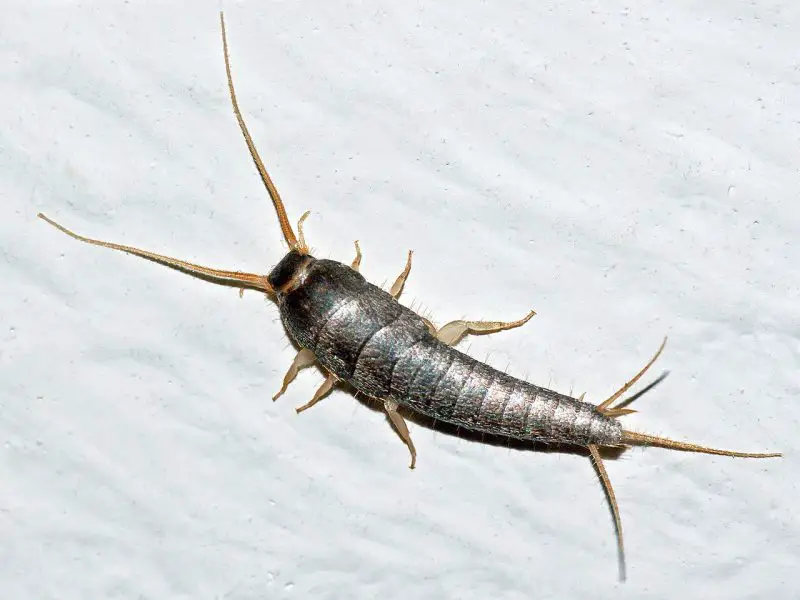
Silverfish are small, wingless insects recognized by their silvery-gray color and quick, fish-like movements. Their bodies narrow toward the tail, and they have long antennae along with three bristle-like appendages at the rear. Despite their aquatic-sounding name, they are not water insects. They simply prefer humid environments where they can avoid dehydration.
These insects belong to one of the oldest surviving insect lineages on Earth. Fossil evidence suggests similar creatures existed hundreds of millions of years ago, long before humans built homes. Their evolutionary resilience explains why they adapt so easily to indoor environments today.
Silverfish primarily consume carbohydrates. Starches, sugars, paper fibers, glue, fabric finishes, hair, soap residue, and microscopic mold all provide nutrition. Bathrooms often contain multiple food sources combined with the humidity they require, making them particularly attractive habitats.
Why Bathrooms Attract Silverfish So Strongly
Bathrooms naturally generate moisture through daily activities such as showering, bathing, and sink use. Steam condenses on walls, ceilings, tiles, and plumbing fixtures, maintaining elevated humidity levels even hours after water use stops.
Silverfish depend heavily on moisture to survive. Without sufficient humidity, they dry out quickly. Bathrooms typically offer the most stable humidity conditions inside a home, especially during colder months when other rooms become dry due to heating systems.
Bathrooms also contain numerous hiding places. Small gaps in tile grout, cracks along baseboards, spaces beneath sinks, cabinet voids, and plumbing penetrations provide dark, protected shelters. Because silverfish avoid light and remain mostly nocturnal, these concealed spaces allow them to live unnoticed for long periods.
South Dakota Climate Plays a Big Role
South Dakota’s climate swings dramatically between seasons. Winters are cold and prolonged, leading homeowners to keep homes tightly sealed for insulation. While this conserves energy, it also traps indoor humidity.
Bathrooms become humidity reservoirs during winter. Warm indoor air meets plumbing moisture, producing stable microclimates ideal for insect survival. Even when overall indoor air feels dry, bathroom environments often remain sufficiently humid for silverfish.
Summer brings different influences. Thunderstorms, irrigation, and seasonal humidity increases can elevate indoor moisture levels. These fluctuations can support population growth even if silverfish were previously unnoticed.
Climate does not create silverfish directly, but it strongly affects their visibility and activity levels.
Why They Seem to Appear Suddenly
Silverfish rarely invade suddenly. In most cases, they have already been living inside walls, under flooring, or within plumbing cavities long before homeowners notice them.
Their life cycle develops slowly. Eggs hatch into juveniles that mature gradually while remaining hidden. Because they avoid light, their populations can expand quietly until numbers reach a threshold where some individuals begin appearing in open spaces.
Changes in humidity, plumbing disturbances, renovations, or seasonal shifts often trigger increased activity. When hidden insects begin moving more frequently, it creates the impression of a sudden infestation.
The appearance is abrupt. The buildup is gradual.
Moisture Is the Primary Driver
Humidity remains the most important factor influencing silverfish presence. Even small moisture sources can sustain populations for extended periods.
Minor plumbing leaks, condensation on pipes, damp bath mats, or poorly ventilated showers all create suitable environments. Moisture trapped behind walls or under flooring may remain undetected while supporting insect survival.
Bathrooms lacking proper ventilation are especially vulnerable. Exhaust fans that are rarely used or insufficiently powerful allow steam to linger longer than expected.
Reducing moisture often produces the most noticeable decline in silverfish activity.
Organic Materials Provide Food Sources
Bathrooms contain many subtle food sources that homeowners rarely consider. Soap residue, skin flakes, hair, toothpaste splatter, and even certain cosmetic products provide nutritional material.
Stored paper goods, cardboard packaging, and adhesives in wallpaper or construction materials can also attract silverfish. Older homes sometimes contain natural glues that these insects readily consume.
Humidity can encourage microscopic mold growth, another food source. Because silverfish require relatively little nutrition, even minimal organic residue can support populations.
This explains why clean bathrooms may still attract them.
Plumbing Design Creates Ideal Microhabitats
Bathroom plumbing systems naturally create hidden voids. Pipes passing through walls, floors, and cabinets leave small gaps that remain warm, humid, and dark.
These areas provide ideal shelter for silverfish. Crawl spaces, subfloor cavities, and insulation gaps often maintain stable conditions year-round.
Older homes in South Dakota may have aging plumbing infrastructure or structural settling that increases the number of available hiding spots.
Surface cleaning rarely affects these concealed environments, which is why infestations can persist unnoticed.
Renovations Can Trigger Visibility
Renovation projects often disturb hidden insect habitats. Removing tile, replacing cabinets, or altering plumbing exposes areas that may have sheltered silverfish for years.
When their hiding spaces are disrupted, insects migrate outward, becoming suddenly visible in bathrooms or adjacent rooms.
This does not necessarily indicate a new infestation. It often reveals an existing population reacting to environmental change.
Understanding this helps homeowners interpret sudden sightings during remodeling.
Seasonal Heating Influences Indoor Conditions
Winter heating reduces general indoor humidity, but bathrooms remain exceptions due to frequent water use. Hot showers repeatedly introduce moisture into otherwise dry indoor environments.
This creates fluctuating humidity cycles. Silverfish tolerate these changes well, remaining hidden during drier periods and emerging when moisture increases.
Seasonal heating therefore affects activity patterns more than presence itself.
Stable humidity, even if intermittent, is sufficient for survival.
Are Silverfish Dangerous?
Silverfish pose little direct threat to humans. They do not bite, sting, or transmit disease. Their presence is primarily a nuisance rather than a health hazard.
However, they can damage personal belongings. Paper products, photographs, fabrics, wallpaper, and stored documents may show feeding marks over time.
Their presence may also signal underlying moisture issues that could lead to mold growth or structural deterioration if left unresolved.
While not dangerous, they should not be ignored entirely.
Why Bathrooms Show Them First
Even when silverfish inhabit multiple parts of a home, bathrooms often reveal them first. Smooth tile surfaces and bright lighting create contrast that makes insects more noticeable.
Humidity encourages movement, increasing the likelihood of sightings. Bathrooms therefore act as visibility zones rather than exclusive habitats.
Spotting them there does not necessarily mean they originated in that room.
It simply means conditions encouraged activity.
Ventilation Makes a Major Difference
Good airflow significantly reduces silverfish-friendly conditions. Exhaust fans remove humid air quickly, lowering moisture levels before they settle into surfaces.
Opening doors after showers, using dehumidifiers, and maintaining ventilation systems all help stabilize humidity.
Even modest airflow improvements can interrupt breeding cycles.
Ventilation is one of the most effective yet often overlooked prevention strategies.
Storage Habits Influence Infestations
Bathrooms sometimes store extra paper goods, cardboard boxes, towels, and personal care products. These materials provide both shelter and food.
Reducing clutter minimizes hiding spaces while limiting accessible nutrition.
Simple organizational changes often reduce long-term insect presence.
Prevention frequently involves storage habits as much as cleanliness.
Hidden Mold Encourages Silverfish
Moisture trapped behind walls or beneath flooring can support mold growth invisible to occupants. Silverfish readily feed on certain molds.
Persistent sightings may indicate hidden moisture problems rather than poor surface hygiene.
Professional inspection may be necessary when infestations continue despite cleaning and ventilation improvements.
Addressing moisture sources typically resolves the issue.
Why Older Homes See More Activity
Older homes often contain structural gaps, aging grout lines, and older plumbing systems that create additional shelter.
Historic construction materials sometimes include natural adhesives attractive to silverfish.
Foundation settling, insulation aging, and minor structural shifts can expand hidden habitat availability.
Age alone does not cause infestations, but it increases opportunity.
Preventive Maintenance Helps Most
Routine inspection of plumbing fixtures, sealing cracks, maintaining ventilation, and minimizing clutter significantly reduce silverfish presence.
Consistent cleaning removes food residues while moisture control disrupts survival conditions.
Preventive maintenance generally proves more effective than reactive treatment.
Long-term environmental management keeps populations low.
FAQs About Silverfish in South Dakota Bathrooms
Why do silverfish suddenly appear in bathrooms?
They usually live hidden for long periods. Increased humidity or disturbance often makes them visible all at once.
Are silverfish dangerous to people?
No. They do not bite or spread disease, though they can damage paper or fabrics.
Does cold weather bring them indoors?
They often already live indoors. Seasonal changes simply affect activity levels.
Will cleaning eliminate them completely?
Cleaning helps but moisture control and habitat reduction are more important.
Do they indicate plumbing problems?
Sometimes. Persistent moisture issues can support infestations.
Are they attracted to dirty bathrooms?
Not necessarily. Even clean bathrooms provide humidity and minimal food.
Can ventilation prevent them?
Improved airflow significantly reduces favorable conditions.
Should I call pest control?
If infestations persist despite moisture control and cleaning, professional assessment may help.
Conclusion
Silverfish appearing in South Dakota bathrooms rarely represent sudden invasions. Instead, they reflect hidden indoor ecosystems shaped by humidity, warmth, organic residue, and structural features.
Bathrooms naturally provide ideal conditions, especially in regions with cold winters and tightly sealed homes. Small environmental changes often bring previously hidden populations into view.
Addressing moisture, improving ventilation, reducing clutter, and maintaining plumbing systems usually resolves most issues over time.
Understanding their behavior turns a mysterious problem into a manageable one. And in most cases, with consistent preventive care, silverfish gradually disappear as quietly as they seemed to arrive.