
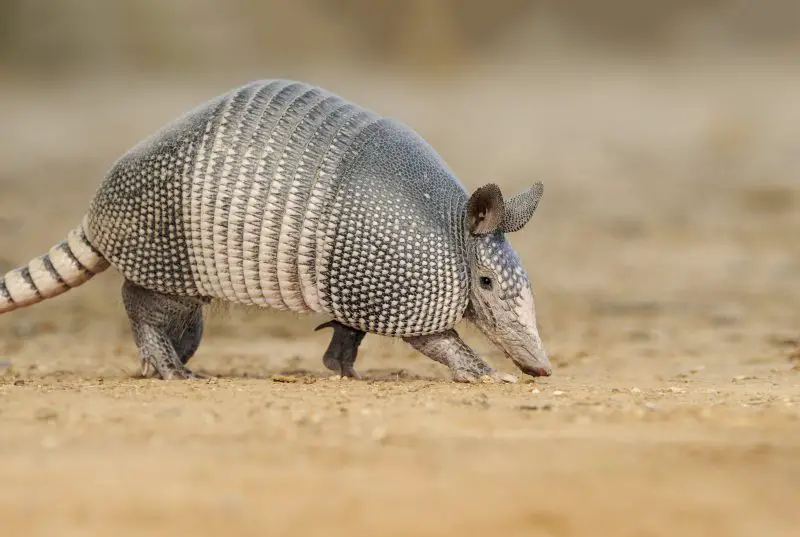
It often starts with a small patch of disturbed soil. A shallow hole near the edge of a lawn. Several cone-shaped pits scattered across flower beds. Maybe loose dirt beside a fence line or under a porch. Overnight, a yard that looked perfectly smooth suddenly shows signs of digging.
In many parts of Tennessee, these holes are increasingly linked to one unexpected visitor — the armadillo. Once rare this far north, armadillos have steadily expanded their range across the Southeast, including Tennessee’s rural areas, suburbs, and even some city edges. Their quiet nighttime habits mean most people never see the animal itself. The holes become the first clue.
Understanding what armadillo holes actually mean helps homeowners respond appropriately. These signs rarely indicate danger, but they do reveal important details about soil conditions, insect populations, seasonal wildlife behavior, and how changing environments influence animal movement.
Table of Contents
- 1 Why Armadillos Are Appearing More Often in Tennessee
- 2 The Main Reason Armadillos Dig Near Homes
- 3 What Typical Armadillo Holes Look Like
- 4 Soil Conditions That Attract Armadillos
- 5 Seasonal Patterns of Armadillo Activity
- 6 Are Armadillo Holes Dangerous?
- 7 Do Armadillos Carry Diseases?
- 8 Why Armadillos Choose Residential Areas
- 9 Signs an Armadillo May Be Living Nearby
- 10 Ecological Benefits Armadillos Provide
- 11 Why Some Neighborhoods See More Armadillos
- 12 Preventing Armadillo Digging Humanely
- 13 Common Misconceptions About Armadillos
- 14 The Broader Wildlife Adaptation Story
- 15 When It’s Best to Leave Them Alone
- 16 Safety Tips for Homeowners
- 17 FAQs About Armadillo Holes Near Homes in Tennessee
- 17.1 Are armadillos common in Tennessee now?
- 17.2 Do armadillos damage house foundations?
- 17.3 Are they dangerous to pets?
- 17.4 Why do holes appear overnight?
- 17.5 Will armadillos leave on their own?
- 17.6 Can they spread disease easily?
- 17.7 Should I trap or relocate them?
- 17.8 Do they return to the same yard?
- 18 Final Thoughts
Why Armadillos Are Appearing More Often in Tennessee
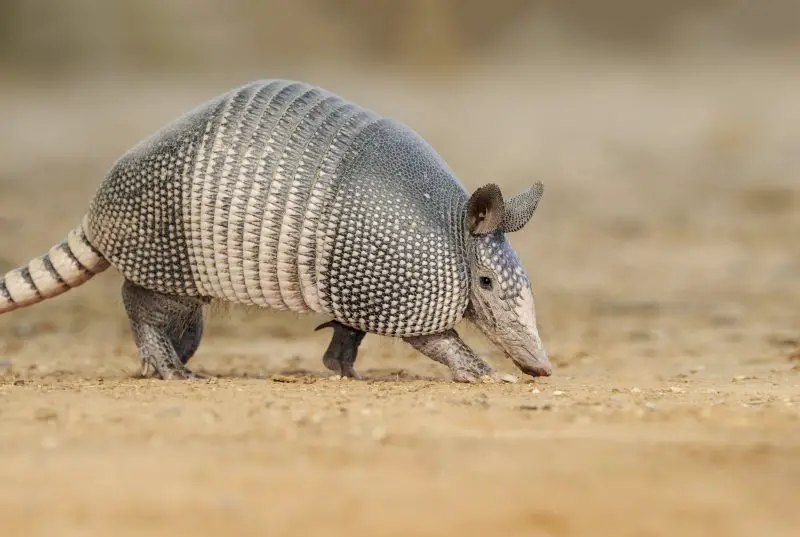
Armadillos were once considered unusual visitors in Tennessee, but that perception has changed steadily over recent decades. Their northward expansion reflects a combination of climate trends, habitat shifts, and remarkable biological adaptability. These animals are naturally suited to warmer environments, yet they have gradually adapted to cooler regions as winters become less severe overall.
Mild winters play a major role. Armadillos struggle in prolonged freezing conditions because they have relatively low body fat reserves and limited insulation compared with many northern mammals. However, short cold spells are often survivable, especially when animals can find sheltered burrows or protected microhabitats. Tennessee’s climate increasingly provides those opportunities.
Human development has also unintentionally created ideal feeding environments. Suburban lawns, landscaped parks, golf courses, roadside plantings, and irrigated gardens support abundant insect populations. For an animal whose diet depends heavily on underground invertebrates, these environments function almost like buffets. Combined with reduced predator pressure in developed areas, this makes residential zones increasingly attractive to armadillos.
The Main Reason Armadillos Dig Near Homes
Food remains the primary driver behind nearly all armadillo digging behavior. These animals are specialized insectivores with strong claws, keen olfactory senses, and persistent foraging habits. They rarely dig without purpose. If holes appear repeatedly, it usually indicates a rich food source beneath the surface.
Their diet includes beetle larvae, ants, termites, earthworms, spiders, millipedes, and occasionally small amphibians or decomposing organic matter rich in insects. Lawns treated with fertilizers or irrigation often support high grub populations, which attract armadillos quickly. Flower beds, mulch areas, compost piles, and moist shaded soil frequently become feeding hotspots.
Once an armadillo identifies a productive feeding area, it may return multiple nights in a row. This does not necessarily mean the animal is nesting nearby. It simply reflects efficient foraging behavior. Remove the food source, and activity often declines naturally.
What Typical Armadillo Holes Look Like
Recognizing armadillo digging patterns helps distinguish them from other wildlife such as moles, skunks, or raccoons. Feeding holes are usually shallow, cone-shaped depressions roughly three to five inches deep. Loose soil often surrounds the opening, and holes tend to appear scattered rather than connected.
Unlike moles, armadillos rarely create raised tunnels. Unlike raccoons, they usually do not roll back turf. The pattern often looks random but reflects where insects are concentrated underground.
Burrow entrances are larger and more structured. These openings may reach seven to ten inches wide and often angle downward into the soil. They typically occur under decks, brush piles, sheds, tree roots, or dense vegetation. Such burrows provide daytime shelter rather than feeding sites.
Knowing the difference helps homeowners decide whether the animal is simply passing through or establishing a temporary home range.
Soil Conditions That Attract Armadillos
Soil characteristics strongly influence armadillo activity. Loose, sandy, or loamy soil is easiest to dig, allowing animals to conserve energy while foraging. Recently tilled gardens, newly installed landscaping, or fresh sod installations often attract investigation because the soil remains soft.
Moisture also plays a significant role. Damp soil supports larger insect populations and allows easier excavation. Tennessee’s humid climate, especially following rainfall, creates ideal feeding conditions. Mulch layers retain moisture and attract insects, making decorative beds particularly appealing.
Compost piles present another attractant. Organic decomposition draws insects and worms, providing concentrated feeding opportunities. These environmental signals effectively guide armadillos toward residential properties without any intentional attraction.
Seasonal Patterns of Armadillo Activity
Seasonal timing influences how often homeowners notice armadillo digging. Spring typically brings increased activity as insect populations rebound with warming soil temperatures. After winter slowdowns, armadillos become more active while searching for reliable food sources.
Summer represents peak foraging season. Warm nights allow extended activity periods, and insects remain abundant. Soil tends to stay soft due to rainfall and irrigation, making digging easier.
Fall sometimes produces another surge as armadillos increase feeding before colder weather arrives. Although they do not hibernate traditionally, they reduce activity during harsh conditions, so additional feeding helps maintain energy reserves.
Winter activity varies across Tennessee. Southern areas may see year-round activity, while northern regions experience reduced but not completely absent digging during milder winters.
Are Armadillo Holes Dangerous?
In most cases, armadillo holes cause only minor cosmetic damage. However, certain situations merit attention. Repeated burrowing very close to foundations could gradually loosen supporting soil, especially in sandy areas. While uncommon, monitoring helps prevent long-term issues.
Holes can also create tripping hazards, particularly in yards where children, elderly residents, or pets frequently walk. Garden damage may occur if plants with shallow root systems are repeatedly disturbed.
Occasionally, irrigation lines or shallow buried cables may be affected during digging. These risks remain relatively small but justify awareness rather than alarm.
Generally, armadillo digging signals ecological activity rather than immediate danger.
Do Armadillos Carry Diseases?
Disease concerns often arise when wildlife appears near homes. Armadillos can carry certain bacteria, including those associated with Hansen’s disease, though transmission to humans is extremely rare. Most cases historically involve direct handling or consumption rather than casual proximity.
Like many wild mammals, armadillos may carry ticks or parasites. However, standard precautions such as avoiding direct contact, washing hands after outdoor work, and supervising pets usually provide sufficient protection.
Understanding realistic risk levels helps reduce unnecessary fear while encouraging sensible precautions.
Why Armadillos Choose Residential Areas
Residential environments often provide better feeding opportunities than wild forests. Irrigated lawns, fertilized gardens, compost piles, and ornamental plantings attract insects consistently. These conditions create reliable food sources.
Shelter opportunities also abound. Decks, sheds, crawlspaces, woodpiles, dense shrubs, and unused drainage areas offer protected resting locations. Artificial lighting may reduce predator presence at night, allowing safer foraging.
Urban expansion effectively creates new ecological niches. Armadillos simply exploit these opportunities as part of their natural adaptability.
Signs an Armadillo May Be Living Nearby
Occasional holes alone do not confirm residency. However, repeated digging in the same areas, visible burrow entrances, consistent tracks, droppings near feeding sites, or frequent nighttime sightings suggest ongoing presence.
Motion-activated cameras often reveal more activity than homeowners expect. Armadillos tend to move quietly at night, so visual confirmation may require technology.
Even when residency occurs, armadillos frequently relocate once food sources shift. Their home ranges remain flexible.
Ecological Benefits Armadillos Provide
Although sometimes viewed as nuisances, armadillos contribute positively to ecosystem balance. Their diet helps control insect populations, including species that damage crops, lawns, and ornamental plants.
Their digging also aerates soil, improving water infiltration and nutrient mixing. This natural soil turnover resembles mild tilling effects beneficial to plant health.
Armadillos themselves serve as prey for larger predators, contributing to food web stability. Ecosystems rely on such interconnected relationships.
Why Some Neighborhoods See More Armadillos
Wildlife distribution varies widely even within the same region. Neighborhoods near wooded areas, waterways, or undeveloped land often experience more activity. Soil composition, moisture levels, landscaping choices, and local predator populations all influence presence.
Areas combining abundant insects, suitable soil, and available shelter tend to attract repeated visits. Conversely, heavily urbanized areas with limited green space may see fewer encounters.
Understanding local ecological context helps explain why sightings cluster geographically.
Preventing Armadillo Digging Humanely
Humane prevention focuses on removing attractants rather than harming animals. Reducing grub populations through environmentally responsible pest management can significantly decrease feeding interest.
Sealing crawlspaces, repairing fencing gaps, clearing dense ground cover, and removing debris reduce shelter opportunities. Motion lights or mild disturbances sometimes discourage nighttime visits.
Low fencing buried several inches underground can deter entry in persistent cases. Professional wildlife services can provide additional guidance when needed.
Responsible approaches balance property protection with ecological stewardship.
Common Misconceptions About Armadillos
Several myths persist about armadillos. They are generally not aggressive toward humans. They do not intentionally damage property. Multiple holes do not necessarily indicate multiple animals. They rarely attack pets, and they do not typically infest homes.
Understanding these facts helps reduce unnecessary panic and promotes informed responses.
The Broader Wildlife Adaptation Story
Armadillos exemplify a broader trend of wildlife adapting to human-modified landscapes. Deer, raccoons, coyotes, foxes, and many bird species show similar patterns across Tennessee.
Urban expansion overlaps natural habitats, creating new ecological dynamics. Some species decline under these pressures, while others adapt successfully.
Recognizing this pattern helps communities develop balanced coexistence strategies rather than reactive wildlife control.
When It’s Best to Leave Them Alone
Not every armadillo visit requires intervention. Occasional feeding visits often stop naturally as insect populations fluctuate. Minor lawn damage usually resolves easily with simple repairs.
Burrows located far from structures rarely cause problems. Sometimes observation proves more effective than intervention.
Wildlife movement remains dynamic. Animals frequently relocate without human involvement.
Safety Tips for Homeowners
Basic precautions help minimize conflicts.
Avoid leaving pet food outdoors overnight.
Maintain yards to reduce dense hiding spots.
Wear shoes outdoors at night.
Fill holes promptly to discourage repeated digging.
Supervise pets during peak wildlife hours.
Education and awareness often prevent issues before they develop.
FAQs About Armadillo Holes Near Homes in Tennessee
Are armadillos common in Tennessee now?
Yes. Their range has expanded significantly, and sightings are increasingly normal across much of the state.
Do armadillos damage house foundations?
Rarely, but persistent burrowing very close to foundations may loosen soil over time.
Are they dangerous to pets?
Usually not. They prefer escape over confrontation, though dogs may chase them.
Why do holes appear overnight?
Armadillos forage at night when temperatures are cooler and predators are less active.
Will armadillos leave on their own?
Often yes, especially if food sources decline.
Can they spread disease easily?
Risk is extremely low with normal precautions.
Should I trap or relocate them?
Wildlife regulations vary. Professional advice is recommended before action.
Do they return to the same yard?
Yes, if food and shelter remain attractive.
Final Thoughts
Armadillo holes near homes in Tennessee usually signal active insect populations, suitable soil conditions, and adaptable wildlife behavior rather than danger. These animals follow food sources, climate patterns, and environmental changes that increasingly overlap with human development.
While their digging can frustrate homeowners, it rarely indicates serious risk. Understanding why armadillos dig — and what those holes actually mean — transforms concern into awareness. Simple preventive steps, habitat adjustments, and informed coexistence strategies typically resolve most issues.
As Tennessee landscapes continue evolving, encounters with adaptable wildlife like armadillos will likely remain part of everyday life. Knowledge helps ensure those encounters stay manageable, safe, and even fascinating rather than alarming.