
In much of Texas, fear of venomous creatures is almost a cultural constant. Scorpions, rattlesnakes, and spiders are all part of daily conversation, especially in rural areas and across the Hill Country, West Texas, and South Texas brushlands. Yet ask many Texans which small stinging creature they fear the most, and the answer often surprises outsiders.
It is not the scorpion.
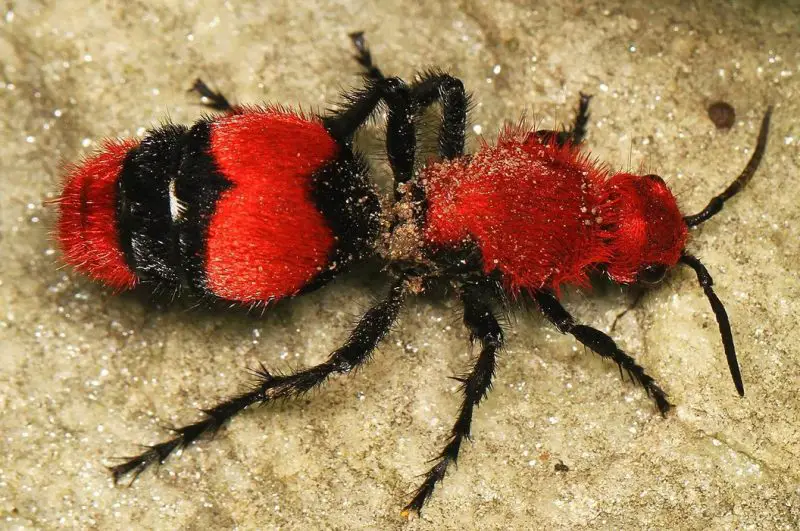
For many people, the animal that inspires the strongest reaction is the velvet ant, commonly known as the “cow killer ant.” Despite the name, it is not an ant at all, but a wingless wasp with one of the most painful stings found in North America. In Texas, velvet ants are more feared than scorpions not because they are deadlier, but because of how they look, how they behave, and how people encounter them.
Fear, in this case, is shaped by experience.
Table of Contents
- 1 What Exactly Is a Velvet Ant?
- 2 Why Texans Call Them “Cow Killer Ants”
- 3 The Pain Factor: Why Velvet Ant Stings Are Legendary
- 4 Comparing Velvet Ants and Scorpions in Texas
- 5 Why Velvet Ants Are So Common in Texas
- 6 Visual Impact and Psychological Fear
- 7 Are Velvet Ants Actually More Dangerous Than Scorpions?
- 8 Why Velvet Ant Stings Feel So Severe
- 9 Scorpions Inspire Caution, Velvet Ants Inspire Panic
- 10 Myths and Misinformation Add to Fear
- 11 Why Children Fear Velvet Ants More Than Scorpions
- 12 Do Velvet Ants Come Indoors?
- 13 How Texans Learn to Avoid Velvet Ants
- 14 Ecological Role of Velvet Ants
- 15 Why Fear Persists Despite Low Risk
- 16 Living With Velvet Ants in Texas
- 17 When to Seek Medical Attention
- 18 FAQs About Velvet Ants and Scorpions in Texas
- 18.1 Why do people in Texas fear velvet ants more than scorpions?
- 18.2 Are velvet ants more dangerous than scorpions?
- 18.3 Why are velvet ants called “cow killer ants”?
- 18.4 Do velvet ants attack people?
- 18.5 Are velvet ant stings deadly?
- 18.6 Why are velvet ants seen during the day?
- 18.7 Do velvet ants come inside houses?
- 18.8 Are children more at risk from velvet ants?
- 18.9 How can people avoid velvet ant stings?
- 18.10 Should velvet ants be killed when found?
- 19 Final Thoughts
What Exactly Is a Velvet Ant?
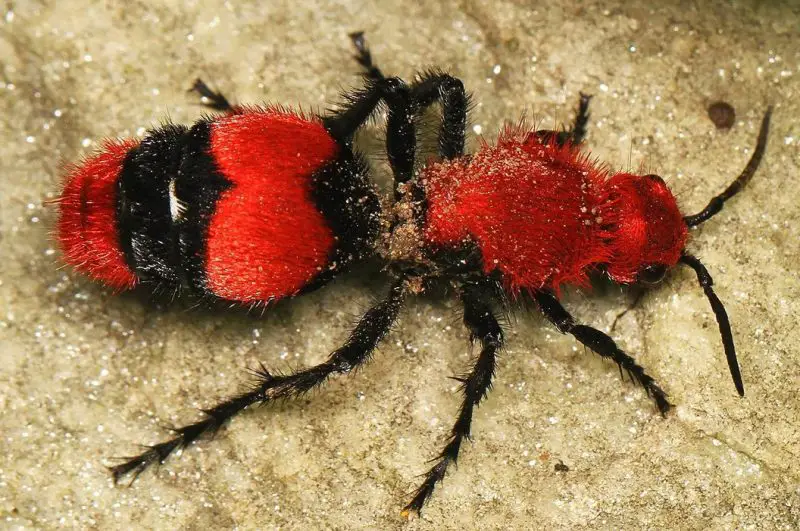
Velvet ants belong to the wasp family Mutillidae. Females are wingless and resemble large, fuzzy ants, while males have wings and look more like typical wasps. Texas is home to multiple velvet ant species, with red-and-black patterns being the most recognizable.
Their bright coloration is not decorative. It is a warning. Velvet ants advertise their sting openly, signaling danger to predators and humans alike. Unlike scorpions, which are often hidden and nocturnal, velvet ants are highly visible during the day, walking across open ground, sidewalks, trails, and yards.
This visibility plays a major role in why people remember them.
Why Texans Call Them “Cow Killer Ants”
The nickname “cow killer ant” is deeply embedded in Texas folklore. While velvet ants do not actually kill cows, the name reflects the intense pain caused by their sting.
Stories passed down through generations describe livestock reacting violently after being stung on sensitive areas like the nose or mouth. These stories, combined with firsthand experiences of extreme pain, have cemented the velvet ant’s reputation as something far worse than its small size suggests.
In contrast, scorpions are familiar. Texans grow up knowing where scorpions hide and how to avoid them. Velvet ants, on the other hand, seem unpredictable.
The Pain Factor: Why Velvet Ant Stings Are Legendary
Pain is the single most important reason velvet ants are feared more than scorpions in Texas.
Velvet ant stings are frequently ranked among the most painful insect stings in the world. Victims describe the pain as sudden, intense, and long-lasting. Unlike a scorpion sting, which may cause sharp pain followed by numbness or tingling, a velvet ant sting is often described as overwhelming and difficult to ignore.
The pain can last for 30 minutes or more, sometimes accompanied by swelling and localized muscle discomfort. Although the sting is rarely dangerous, the experience itself leaves a lasting impression.
People remember pain far more vividly than risk.
Comparing Velvet Ants and Scorpions in Texas
Familiarity Reduces Fear
Scorpions are common in Texas, especially striped bark scorpions and other native species. Many Texans have been stung at least once or know someone who has. The experience is unpleasant but usually manageable.
Because scorpion encounters are common, people learn how to coexist with them. Shake out shoes, check bedding, seal cracks. Over time, fear becomes caution rather than panic.
Velvet ants do not inspire that same familiarity.
Surprise Encounters in Daylight
Velvet ants are active during the day. They wander openly across patios, playgrounds, driveways, hiking trails, and barn floors. People often encounter them unexpectedly while walking barefoot, gardening, or working outdoors.
Scorpions are usually encountered at night or in dark, hidden spaces. Velvet ants appear in plain sight, often when people least expect a sting-capable insect.
That element of surprise amplifies fear.
Why Velvet Ants Are So Common in Texas
Texas provides ideal habitat for velvet ants. Warm temperatures, sandy or loose soil, open grasslands, and abundant host insects support large populations.
Velvet ants are parasitoids, meaning their larvae develop by feeding on the immature stages of other insects, especially ground-nesting bees and wasps. Texas landscapes, both natural and agricultural, offer endless nesting sites for these hosts.
As suburban development expands into open land, people encounter velvet ants more frequently.
Visual Impact and Psychological Fear
Velvet ants look dangerous, and that matters.
Their bold red, orange, black, or white coloration triggers instinctive warning responses. Humans, like predators, are hardwired to associate bright contrasting colors with danger.
Scorpions, by comparison, are often dull brown or tan and blend into their surroundings. Velvet ants stand out, making them easier to notice and remember.
Fear is often driven by what we see before we think.
Are Velvet Ants Actually More Dangerous Than Scorpions?
From a medical standpoint, the answer is no.
Scorpions, particularly certain species, have venom that can cause more serious symptoms, especially in children or vulnerable individuals. Velvet ant venom, while extremely painful, is not considered medically dangerous for most people.
However, fear does not track medical statistics. It tracks experience. Texans fear velvet ants more because the pain is immediate, intense, and unforgettable.
Why Velvet Ant Stings Feel So Severe
Velvet ant venom is designed to deter predators quickly. The sting delivers a powerful dose of pain-inducing compounds that activate nerve receptors intensely.
This is a defensive strategy, not a hunting one. Velvet ants do not chase people or attack unprovoked, but they will sting if stepped on, handled, or trapped against skin.
Because they are ground-dwelling and slow-moving, accidental contact is common.
Scorpions Inspire Caution, Velvet Ants Inspire Panic
In Texas culture, scorpions are treated almost casually. People remove them, avoid them, or kill them without much ceremony.
Velvet ants, however, often trigger immediate reactions. People jump back, shout warnings, and keep a wide distance. Children are taught early never to touch the “fuzzy red ant.”
This difference in reaction speaks volumes about how fear is formed.
Myths and Misinformation Add to Fear
Velvet ants suffer from exaggerated myths. Stories of death, paralysis, or livestock fatalities circulate widely, even though such outcomes are not supported by medical evidence.
Scorpions also have myths, but public education campaigns have made people more aware of which species are truly dangerous and how to respond.
Velvet ants remain mysterious to many Texans, and mystery feeds fear.
Why Children Fear Velvet Ants More Than Scorpions
Children encounter velvet ants during play. They are colorful, slow enough to notice, and often found in places where children run barefoot.
A single painful sting can create a lifelong fear. Scorpion stings, while painful, are less often associated with childhood play and daylight encounters.
Early experiences shape long-term perceptions.
Do Velvet Ants Come Indoors?
Velvet ants rarely enter homes. They prefer open ground and outdoor environments. This makes their appearances more startling because people do not expect to see them near houses.
Scorpions, by contrast, are known to enter homes, and people prepare accordingly.
Ironically, rarity increases fear.
How Texans Learn to Avoid Velvet Ants
Over time, Texans learn to recognize velvet ants and avoid them. Wearing shoes outdoors, checking work areas, and teaching children not to touch insects reduce sting incidents.
Education replaces fear with respect, but that process often begins with a painful lesson.
Ecological Role of Velvet Ants
Despite their fearsome reputation, velvet ants play an important ecological role. By parasitizing ground-nesting insects, they help regulate populations and contribute to ecosystem balance.
They are not pests in the traditional sense. They do not infest homes, damage crops, or attack people intentionally.
Fear does not negate ecological value.
Why Fear Persists Despite Low Risk
Fear is emotional, not rational. Velvet ants combine visibility, pain, folklore, and surprise into a powerful psychological package.
Scorpions may be more medically significant in rare cases, but velvet ants dominate memory. People fear what hurt them the most, not what statistics say is most dangerous.
Living With Velvet Ants in Texas
In most cases, coexistence is simple. Avoid direct contact, wear protective footwear, and leave velvet ants alone when encountered.
They are not aggressive and will move on if undisturbed.
Understanding replaces fear faster than avoidance.
When to Seek Medical Attention
Most velvet ant stings require only basic first aid. Medical attention may be needed if severe swelling, allergic reactions, or unusual symptoms occur.
Serious complications are rare, but caution is always appropriate.
FAQs About Velvet Ants and Scorpions in Texas
Why do people in Texas fear velvet ants more than scorpions?
Because velvet ant stings cause extreme, memorable pain. Even though scorpions can be medically riskier, the velvet ant’s sting leaves a stronger impression.
Are velvet ants more dangerous than scorpions?
No. Velvet ants are not considered medically dangerous for most people. Scorpions pose a higher medical risk in certain cases, especially for children.
Why are velvet ants called “cow killer ants”?
The name comes from folklore describing how painful their sting is. Velvet ants do not actually kill cows, but the pain can be intense.
Do velvet ants attack people?
No. Velvet ants are defensive, not aggressive. They sting only when stepped on, handled, or trapped against skin.
Are velvet ant stings deadly?
Almost never. Serious complications are rare, and most stings cause pain and swelling that fade over time.
Why are velvet ants seen during the day?
Velvet ants are active in daylight, which makes encounters more likely and more startling than with nocturnal scorpions.
Do velvet ants come inside houses?
Rarely. They prefer open ground and outdoor environments, which is why sightings near homes feel unexpected.
Are children more at risk from velvet ants?
Children are more likely to encounter them while playing barefoot, but medical risk remains low unless an allergic reaction occurs.
How can people avoid velvet ant stings?
Wear shoes outdoors, avoid touching insects, and teach children to recognize and stay away from velvet ants.
Should velvet ants be killed when found?
No. They are not pests and play an ecological role. Leaving them alone is the safest option.
Final Thoughts
People in Texas fear velvet ants more than scorpions not because velvet ants are deadlier, but because they deliver one of the most painful stings people are likely to experience outdoors. Their bright colors, folklore-filled reputation, and surprise encounters leave a stronger emotional mark than scorpions ever do.
Fear is shaped by memory, not danger.
In Texas, the velvet ant earns its reputation not through harm, but through pain that people never forget.