
Residents have long been accustomed to living alongside nature in Hawaii. Geckos patrol walls at night. Roaches scatter when lights turn on. Mosquitoes hum in the background. But there is one creature that inspires a very different reaction when it appears, especially after dark.
The centipede.
Not the small, harmless ones people imagine. Hawaii is home to some of the largest and most aggressive centipedes in the United States. When they bite, the pain is immediate, intense, and unforgettable. For many residents, a centipede bite ranks among the most painful insect encounters on the islands.
This fear is not exaggerated. Hawaii’s centipedes are biologically equipped to deliver serious pain, and the island environment brings them into close contact with people far more often than most realize.
Understanding why these bites hurt so much requires looking at the species involved, their venom, their behavior, and why island life puts humans and centipedes on a frequent collision course.
Table of Contents
- 1 Hawaii Is Home to Giant Centipedes
- 2 Why Hawaii’s Centipedes Are So Well Equipped to Bite
- 3 The Venom Behind the Pain
- 4 Why the Pain Feels Worse Than Other Bites
- 5 Why Encounters Happen Indoors
- 6 Why Bites Often Happen at Night
- 7 Why Bare Skin Is a Major Risk Factor
- 8 Why Hawaii’s Centipedes Are More Aggressive Than Mainland Species
- 9 What a Bite Looks and Feels Like
- 10 Are Centipede Bites Dangerous
- 11 Allergic Reactions and When to Worry
- 12 First Aid After a Centipede Bite
- 13 Why People Describe the Pain So Dramatically
- 14 Why Centipedes Seem to Appear Suddenly
- 15 Why Rain Increases Encounters
- 16 Why Some Homes See More Centipedes Than Others
- 17 Why Killing One Doesn’t Solve the Problem
- 18 The Role of Cultural Memory and Fear
- 19 Why Tourists Are Often Shocked
- 20 Why Education Reduces Panic
- 21 How Residents Reduce Bite Risk
- 22 Why Complete Elimination Is Unrealistic
- 23 Centipedes and Their Ecological Role
- 24 Why the Fear Persists
- 25 Respect Without Panic
- 26 Why Hawaii’s Centipedes Deliver Some of the Island’s Most Painful Bites
- 27 FAQs About Centipedes and Painful Bites in Hawaii
- 27.1 Why are centipede bites in Hawaii considered especially painful
- 27.2 Are Hawaii centipedes venomous
- 27.3 Do centipedes in Hawaii attack people
- 27.4 Why do centipede bites often happen at night
- 27.5 Where do centipedes usually hide inside homes
- 27.6 How long does centipede bite pain last
- 27.7 Are centipede bites dangerous to children
- 27.8 What should you do immediately after a centipede bite
- 27.9 Can centipedes climb walls and beds
- 27.10 How can residents reduce centipede bites at home
- 28 Final Thoughts
Hawaii Is Home to Giant Centipedes
The centipedes responsible for Hawaii’s reputation are not small soil dwellers.
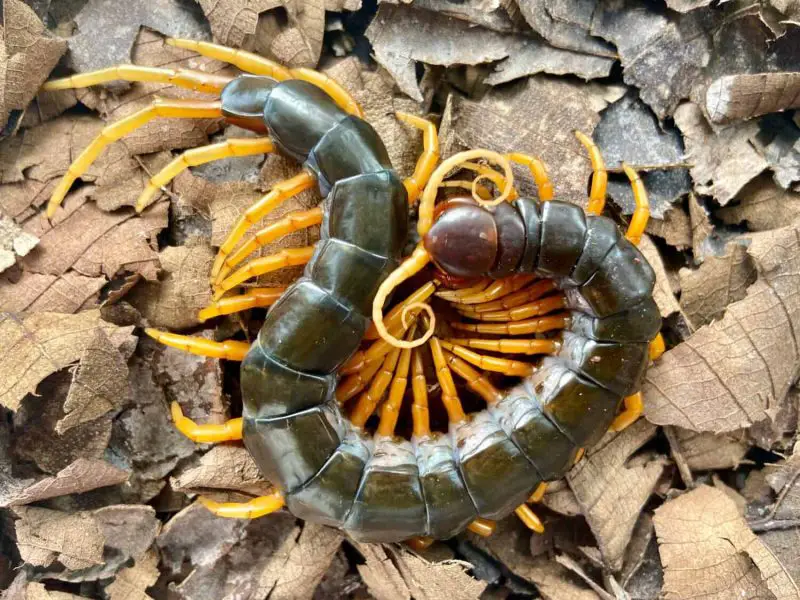
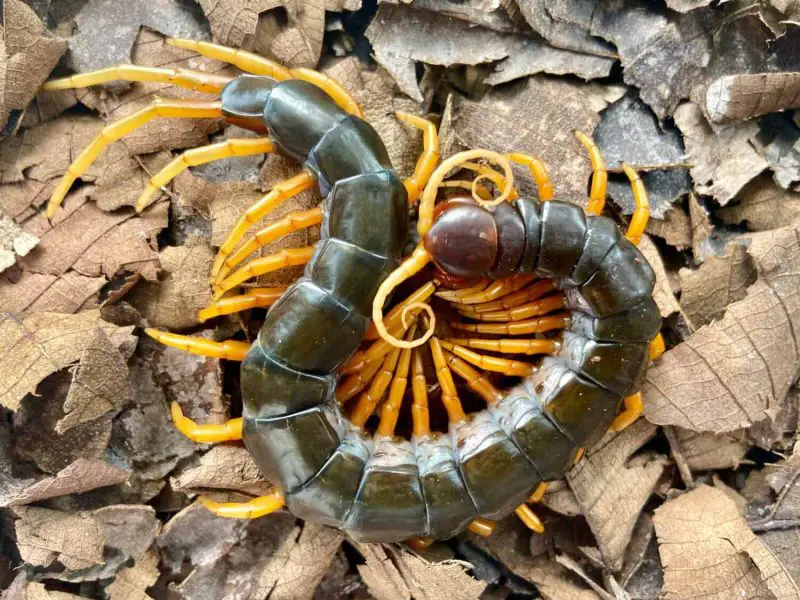
The dominant species is the giant centipede, often reaching 6 to 8 inches in length, with some individuals growing even longer. Their bodies are thick, muscular, and brightly colored, often with reddish heads and dark segmented bodies.
These centipedes are fast, strong, and confident predators. Unlike smaller species that flee immediately, giant centipedes may hold their ground or strike defensively when threatened.
Their size alone makes encounters far more alarming.
Why Hawaii’s Centipedes Are So Well Equipped to Bite
Centipedes are venomous predators.
They do not sting. Instead, they use modified front legs called forcipules, which act like venom-injecting claws. These appendages grasp prey and deliver venom directly into tissue.
In Hawaii’s giant centipedes, these forcipules are large and powerful. They are designed to subdue insects, spiders, and even small vertebrates like lizards.
Human skin offers little resistance.
The Venom Behind the Pain
Centipede venom is a complex mix of proteins and enzymes.
It is designed to cause intense pain, rapid immobilization, and tissue disruption in prey. While not deadly to humans, the venom is highly effective at activating pain receptors.
Victims describe the sensation as burning, electric, throbbing, or crushing. Pain often radiates outward from the bite site and can persist for hours.
Swelling, redness, and localized numbness are common.
This combination is why centipede bites are remembered long after they heal.
Why the Pain Feels Worse Than Other Bites
Several factors amplify pain.
First, centipede bites involve mechanical injury. The forcipules puncture skin forcefully. This is not a delicate injection like a mosquito bite.
Second, venom delivery is efficient. The centipede clamps down and injects venom deeply.
Third, the bite often happens unexpectedly. Pain feels worse when it comes without warning.
Together, these factors make centipede bites feel more severe than many other insect encounters on the islands.
Why Encounters Happen Indoors
Centipedes do not prefer human homes, but Hawaii’s housing provides ideal conditions.
Warm temperatures year-round allow centipedes to remain active without seasonal die-offs. High humidity prevents dehydration. Abundant insects provide food.
Homes offer shelter from heavy rains and predators. Bathrooms, kitchens, laundry rooms, and basements are especially attractive.
Centipedes slip inside through gaps under doors, cracks in walls, plumbing openings, and vents.
Once inside, they hide well.
Why Bites Often Happen at Night
Centipedes are nocturnal hunters.
They emerge at night to hunt cockroaches, spiders, and other insects. This is also when people are barefoot, half-awake, and moving through dark rooms.
Many bites occur when someone:
-
Steps on a centipede in the dark
-
Rolls over onto one in bed
-
Reaches into laundry or shoes
-
Handles bedding or towels left on the floor
These are defensive bites, not attacks.
But the timing makes them far more traumatic.
Why Bare Skin Is a Major Risk Factor
Centipedes rely on touch to detect threats.
Bare feet, hands, and legs are far more likely to trigger a defensive response. Shoes, slippers, and gloves dramatically reduce bite risk.
In Hawaii’s warm climate, people often walk barefoot indoors. This cultural norm increases the chance of painful encounters.
The bite itself may be rare, but the conditions for it are common.
Why Hawaii’s Centipedes Are More Aggressive Than Mainland Species
Island ecosystems shape behavior.
Hawaii’s giant centipedes evolved in environments with fewer large predators. This reduces their tendency to flee immediately.
They are also larger and stronger than many mainland species, making them more confident when threatened.
When cornered, they are more likely to bite rather than retreat.
This does not mean they hunt humans. It means they defend themselves decisively.
What a Bite Looks and Feels Like
Centipede bites typically produce two small puncture marks, though swelling may obscure them.
Immediate symptoms include:
-
Sharp, intense pain
-
Burning or throbbing sensation
-
Localized swelling
-
Redness and warmth
In some cases, numbness or tingling spreads beyond the bite site.
Pain usually peaks within the first hour and gradually subsides, but tenderness may last days.
Are Centipede Bites Dangerous
For most healthy adults, centipede bites are not medically dangerous.
They do not transmit disease. They do not cause tissue necrosis. Fatalities are extraordinarily rare.
However, pain can be severe, and secondary infection is possible if the wound is not cleaned.
Children, older adults, and people with compromised immune systems may experience stronger reactions.
Allergic Reactions and When to Worry
True allergic reactions to centipede venom are uncommon but possible.
Seek medical attention if symptoms include:
-
Difficulty breathing
-
Rapid swelling beyond the bite site
-
Dizziness or fainting
-
Signs of infection
Most bites resolve with basic care.
First Aid After a Centipede Bite
Immediate steps reduce discomfort.
Wash the area thoroughly with soap and water. Apply a cold compress to reduce swelling. Over-the-counter pain relievers help manage pain.
Avoid scratching. Keep the area clean.
Topical antihistamines or hydrocortisone may reduce inflammation.
Most bites improve significantly within 24 to 48 hours.
Why People Describe the Pain So Dramatically
Centipede bite pain is memorable.
It interrupts sleep. It triggers adrenaline. It feels disproportionate to the size of the wound.
People often compare it to bee stings, scorpion stings, or even small burns.
Storytelling amplifies fear, but the pain itself is very real.
Why Centipedes Seem to Appear Suddenly
Centipedes are excellent hiders.
They flatten their bodies and squeeze into narrow cracks. They remain motionless for long periods. When they move, they move fast.
A centipede may live unnoticed in a home for weeks before being seen.
That sudden appearance adds to shock and fear.
Why Rain Increases Encounters
Heavy rain floods centipede burrows and outdoor hiding places.
They move to higher, drier ground. Homes become refuges.
After storms, sightings increase sharply, especially in older buildings.
Rain does not create centipedes. It relocates them.
Why Some Homes See More Centipedes Than Others
Certain conditions increase risk.
Homes near vegetation, gardens, or dense landscaping attract insects. Insects attract centipedes.
Clutter, moisture, and poor sealing provide hiding spaces and entry points.
Older homes with gaps and crawl spaces are especially vulnerable.
Why Killing One Doesn’t Solve the Problem
Removing a single centipede addresses only the symptom.
Centipedes follow prey. If insects remain, more will arrive.
Effective control focuses on reducing insect populations, sealing entry points, and managing moisture.
Centipedes themselves are predators, not the root cause.
The Role of Cultural Memory and Fear
Stories matter.
Nearly every longtime resident knows someone who has been bitten. Many have personal stories.
These shared experiences shape perception. Fear persists because it is reinforced socially, not just biologically.
In Hawaii, centipede stories are part of local knowledge.
Why Tourists Are Often Shocked
Visitors are unprepared.
They walk barefoot. They leave doors open. They are unfamiliar with centipede behavior.
A bite can turn a vacation memory into a lasting lesson.
Locals adapt. Visitors learn quickly.
Why Education Reduces Panic
Knowing what centipedes are and how they behave changes responses.
They do not chase people. They bite defensively. They prefer insects to humans.
Understanding reduces fear without minimizing pain.
How Residents Reduce Bite Risk
Simple habits matter.
Shake shoes and towels. Keep beds away from walls. Seal gaps under doors. Reduce insect populations.
Wear slippers at night.
These steps significantly lower risk.
Why Complete Elimination Is Unrealistic
Centipedes are native and widespread.
They reproduce outdoors. They move freely. Total eradication would require eliminating entire ecosystems.
The goal is management, not elimination.
Centipedes and Their Ecological Role
Centipedes are predators.
They help control cockroaches and other pests. Removing them entirely would increase other problems.
They are part of the balance, even if unwelcome indoors.
Why the Fear Persists
Fear persists because the experience is personal.
A bite happens at night. It hurts intensely. It invades personal space.
Statistics do not erase that.
Understanding helps, but memory remains.
Respect Without Panic
Centipedes deserve respect, not hysteria.
They are not out to attack. They respond to threat.
Calm awareness prevents most bites.
Why Hawaii’s Centipedes Deliver Some of the Island’s Most Painful Bites
They are large.
They are venomous.
They are efficient predators.
They live close to people.
Pain is the result of biology and proximity.
FAQs About Centipedes and Painful Bites in Hawaii
Why are centipede bites in Hawaii considered especially painful
Hawaii’s giant centipedes are larger and stronger than most mainland species. Their venom and powerful bite trigger intense pain immediately.
Are Hawaii centipedes venomous
Yes. They use venom-injecting front legs to subdue prey. The venom is not deadly to humans but causes significant pain and swelling.
Do centipedes in Hawaii attack people
No. They bite defensively when stepped on, trapped against skin, or handled accidentally, not because they seek out humans.
Why do centipede bites often happen at night
Centipedes are nocturnal hunters. Bites usually occur at night when people are barefoot, asleep, or moving in the dark indoors.
Where do centipedes usually hide inside homes
They commonly hide in bathrooms, kitchens, laundry rooms, basements, wall cracks, and under clutter where moisture and insects are present.
How long does centipede bite pain last
Pain is strongest during the first few hours. Swelling and tenderness may last one to several days, depending on the person.
Are centipede bites dangerous to children
Most are not life-threatening, but children can experience stronger reactions and should be monitored more closely after a bite.
What should you do immediately after a centipede bite
Wash the area with soap and water, apply a cold compress, manage pain, and avoid scratching to prevent infection.
Can centipedes climb walls and beds
Yes. Giant centipedes can climb rough surfaces, walls, and furniture, which is why they sometimes appear in beds.
How can residents reduce centipede bites at home
Reduce insects, seal entry points, control moisture, shake shoes and towels, and wear slippers indoors at night.
Final Thoughts
Hawaii’s centipedes deliver some of the island’s most painful bites because they are perfectly adapted predators living in close contact with humans.
The pain is real. The fear is understandable. The danger is usually limited.
Awareness, simple precautions, and respect for their behavior transform centipedes from island nightmares into manageable neighbors.
In Hawaii, coexistence is unavoidable. Understanding makes it survivable.