
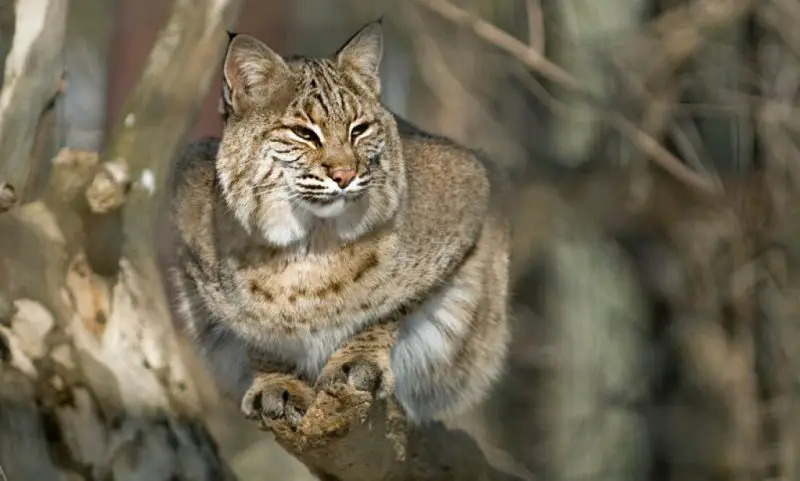
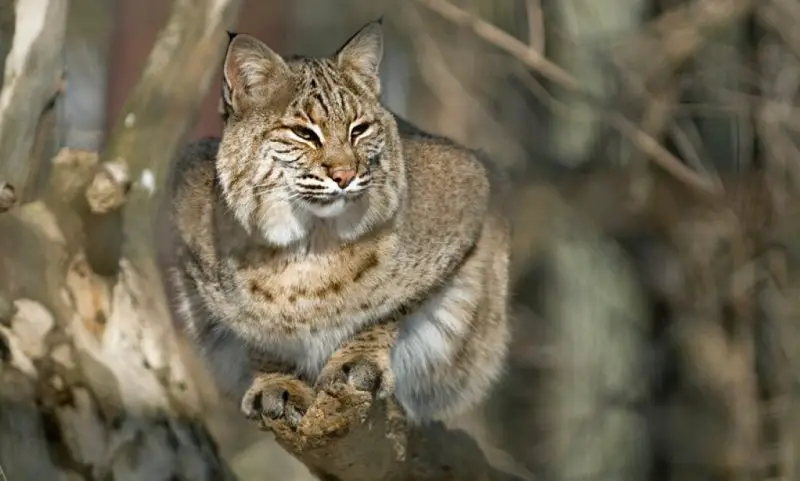
Bobcats in Virginia are rarely seen, yet they are far more present than most residents realize. You might never catch a clear glimpse of one, but that does not mean they are not moving quietly through the edges of your property, crossing wooded corridors, or pausing briefly in the shadows just beyond your yard. Their invisibility is part of their success.
What most Virginia residents don’t realize is that bobcats are not random wanderers drifting without direction. They follow structured movement patterns, use defined territories, and return to familiar routes again and again. Their presence is subtle, but it is not accidental.
Once you begin to understand how bobcats actually live around human spaces, the idea of them being rare or distant starts to fade. Instead, they become something much closer. Something that has likely already passed through your surroundings without you ever knowing.
Table of Contents
- 1 Why Virginia Is Ideal Bobcat Habitat
- 2 The Quiet Movement Patterns You Never Notice
- 3 What Bobcats Are Really Hunting Near Homes
- 4 Why You Almost Never See Them
- 5 The Overlapping Territories Around Your Property
- 6 Signs That Reveal Bobcat Activity
- 7 How Bobcats Use Suburban Landscapes
- 8 Seasonal Changes in Bobcat Behavior
- 9 Why Bobcats Rarely Pose a Threat to People
- 10 The Connection Between Bobcats and Local Ecosystems
- 11 Why Their Presence Often Goes Unnoticed for Years
- 12 How Human Behavior Influences Bobcat Movement
- 13 Living Near Bobcats Without Realizing It
- 14 FAQs About Bobcats Around Homes in Virginia
- 14.1 Are bobcats common in Virginia?
- 14.2 Do bobcats come into residential neighborhoods?
- 14.3 What do bobcats eat near homes?
- 14.4 Are bobcats dangerous to humans?
- 14.5 How can I tell if a bobcat is nearby?
- 14.6 Do bobcats stay in one place?
- 14.7 When are bobcats most active?
- 14.8 Why don’t I see bobcats if they are nearby?
- 14.9 Do bobcats use the same paths repeatedly?
- 14.10 Can bobcats live near people long-term?
- 15 Final Thoughts
Why Virginia Is Ideal Bobcat Habitat
Virginia offers an ideal mix of terrain that supports bobcat populations. Forested areas, farmland edges, wetlands, and suburban developments all blend together to create a patchwork of connected habitats. This type of landscape allows bobcats to move efficiently while staying hidden.
Unlike large predators that require vast untouched wilderness, bobcats adapt well to fragmented environments. Small wooded patches, creek corridors, and even overgrown fields provide enough cover for them to travel and hunt without being seen. This adaptability is why they are present in more areas than people expect.
Suburban expansion has not pushed bobcats away. In many cases, it has created new opportunities. Edges between developed and natural land often concentrate prey, making these transition zones especially attractive.
The Quiet Movement Patterns You Never Notice
Bobcats are creatures of habit. They establish routes that connect feeding areas, resting spots, and travel corridors. These paths are used repeatedly, often at times when human activity is low.
Most movement occurs during dawn, dusk, and nighttime hours. This timing allows bobcats to avoid detection while still taking advantage of available prey. During the day, they remain hidden in dense cover, resting in areas that provide both camouflage and a clear view of their surroundings.
What appears to be a random crossing of your yard is usually part of a much larger, consistent route. The same individual may pass through the same area multiple times each week without ever being noticed.
What Bobcats Are Really Hunting Near Homes
Bobcats are opportunistic predators. In Virginia, their diet includes small mammals such as rabbits, squirrels, and rodents. They also hunt birds and occasionally reptiles, adapting their feeding behavior to what is available in their environment.
Suburban areas often provide an abundance of prey. Rabbits thrive in lawns and gardens, while rodents are attracted to food sources around homes. This concentration of prey makes residential areas appealing hunting grounds.
Bobcats do not hunt randomly. They focus on areas where prey activity is consistent. This means your yard may become part of a regular hunting route if it supports a stable food source.
Why You Almost Never See Them
The reason bobcats feel rare is not because they are absent, but because they are extremely effective at avoiding detection. Their movements are quiet, deliberate, and timed to minimize encounters with humans.
Their coat provides natural camouflage, blending seamlessly with forest floors and dry vegetation. Even when they are relatively close, they are difficult to spot unless they move.
In addition, bobcats are highly sensitive to human presence. They detect sound and scent quickly, adjusting their behavior to avoid areas of high activity. This creates the illusion that they are not there at all.
The Overlapping Territories Around Your Property
Bobcat territories are larger than most people expect. A single individual may cover several miles, with boundaries that overlap with other bobcats. These overlapping territories create a network of movement that shifts over time.
Your property may fall within the edge of one territory or the intersection of several. This is why sightings are inconsistent. A bobcat may appear briefly and then not be seen again for weeks, even though it continues to pass through the area.
Territorial boundaries are not fixed lines. They are flexible zones influenced by prey availability, environmental conditions, and the presence of other bobcats.
Signs That Reveal Bobcat Activity
Even if you never see a bobcat, there are subtle signs that indicate its presence. Tracks are one of the most reliable indicators. Bobcat footprints are round, with no visible claw marks, and often appear in soft soil or mud.
Scat is another clue. It is typically segmented and may contain fur or bone fragments, reflecting their carnivorous diet. These signs are often found along trails or near hunting areas.
You may also notice changes in prey behavior. A sudden decrease in rabbit or rodent activity can suggest the presence of a predator. These indirect signs often reveal more than direct sightings.
How Bobcats Use Suburban Landscapes
Bobcats do not see suburban areas the way humans do. To them, a neighborhood is a series of connected resources. Lawns are feeding grounds for prey. Shrubs provide cover. Fences and tree lines act as travel guides.
They move along edges, avoiding open spaces when possible. The borders between yards, wooded areas, and undeveloped land create natural pathways that allow them to navigate efficiently.
Even small features can be significant. A narrow strip of vegetation, a drainage ditch, or a line of trees can serve as a corridor that connects larger habitat areas.
Seasonal Changes in Bobcat Behavior
Bobcat activity changes with the seasons. In winter, they may expand their range slightly as prey becomes less abundant. Their tracks are often easier to spot in snow or soft ground during this time.
Spring brings increased movement as breeding season begins and young are raised. Females become more active as they hunt to support their kittens, often staying closer to den sites.
Summer and fall are periods of stability. Prey is abundant, and movement patterns become more predictable. During these seasons, bobcats may be present but remain largely unseen due to dense vegetation.
Why Bobcats Rarely Pose a Threat to People
Despite their presence, bobcats are not a significant threat to humans. They are naturally cautious and prefer to avoid direct interaction. Most encounters occur when a bobcat is surprised or feels cornered.
Their primary focus is on hunting small prey, not engaging with larger animals. Even in areas where they are common, negative interactions with people are extremely rare.
Understanding this behavior helps reduce unnecessary fear. Bobcats are part of the ecosystem, not a direct danger to those who share the landscape with them.
The Connection Between Bobcats and Local Ecosystems
Bobcats play an important role in maintaining ecological balance. By controlling populations of small mammals, they help prevent overgrazing and reduce the spread of certain pests.
Their presence can influence the behavior of prey species, creating a ripple effect that shapes the environment. This dynamic relationship is part of what keeps ecosystems functioning.
In Virginia, where natural and developed areas overlap, bobcats contribute to this balance in ways that often go unnoticed.
Why Their Presence Often Goes Unnoticed for Years
It is entirely possible for bobcats to live near a property for years without being detected. Their quiet behavior, combined with their ability to blend into the environment, allows them to remain hidden even in relatively active areas.
People often assume that if they have not seen a bobcat, none are present. In reality, absence of evidence is not evidence of absence. The animal may simply be moving at times and in ways that avoid observation.
This long-term invisibility is one of the most fascinating aspects of bobcat behavior. It highlights how much wildlife activity occurs beyond our awareness.
How Human Behavior Influences Bobcat Movement
Human activity shapes how bobcats use the landscape. Areas with consistent noise, light, and movement are less attractive, while quieter zones become preferred routes.
Changes in land use, such as new construction or landscaping, can alter movement patterns. Bobcats may adjust their routes to avoid disturbances or take advantage of new opportunities.
This adaptability allows them to coexist with humans, even as environments continue to change.
Living Near Bobcats Without Realizing It
For many Virginia residents, the idea of living near a bobcat feels unlikely. Yet it is more common than most people think. These animals are part of the same environment, moving through it in ways that are easy to miss.
Their presence does not require dramatic wilderness. It only requires enough space to move, hunt, and remain hidden. This makes suburban and semi-rural areas perfectly suitable.
Recognizing this reality changes how you see your surroundings. It reveals a layer of wildlife activity that exists quietly alongside everyday life.
FAQs About Bobcats Around Homes in Virginia
Are bobcats common in Virginia?
Yes, bobcats are widely distributed across Virginia. They are present in many areas but are rarely seen due to their secretive behavior.
Do bobcats come into residential neighborhoods?
Bobcats can enter suburban areas, especially those near wooded land or with abundant prey. They use these spaces as part of their larger territory.
What do bobcats eat near homes?
They primarily hunt rabbits, rodents, and birds. Suburban environments often provide a steady supply of these prey species.
Are bobcats dangerous to humans?
Bobcats rarely pose a threat to humans. They avoid interaction and prefer to stay hidden.
How can I tell if a bobcat is nearby?
Signs include tracks, scat, and changes in prey activity. Direct sightings are less common.
Do bobcats stay in one place?
Bobcats have defined territories but move within them regularly. They follow consistent routes rather than staying in one spot.
When are bobcats most active?
They are most active during dawn, dusk, and nighttime hours when human activity is lower.
Why don’t I see bobcats if they are nearby?
Their camouflage, quiet movement, and avoidance of humans make them difficult to detect.
Do bobcats use the same paths repeatedly?
Yes, they often use established routes that connect feeding and resting areas.
Can bobcats live near people long-term?
Yes, they can live near human populations for extended periods without being noticed.
Final Thoughts
Bobcats in Virginia are not rare visitors passing through random landscapes. They are consistent, adaptable predators that move quietly through the environments we share. Their presence is structured, intentional, and often completely hidden from view.
Understanding how they live changes the way you see your surroundings. It reveals that even in familiar spaces, there are patterns and behaviors unfolding that most people never notice.
Living near bobcats is not unusual. It is simply part of the deeper, quieter reality of the natural world that exists just beyond what we typically see.