
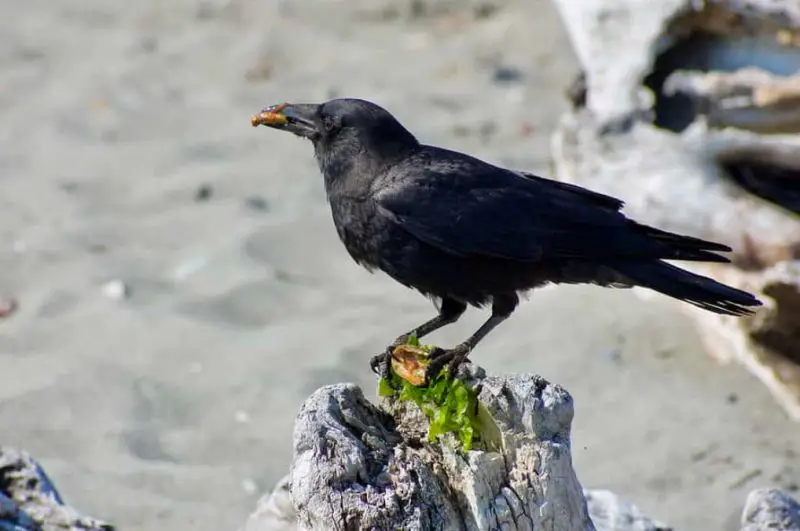
Crows are a familiar sight across Tennessee, yet most people rarely stop to consider what they are actually doing. They move across lawns, perch on rooftops, and call from treetops with a presence that feels constant but often overlooked. For many residents, they are simply part of the background. Common. Predictable. Easy to ignore.
But there is nothing simple about how crows behave.
What appears to be casual movement is often part of a structured system built on intelligence, memory, and awareness. Crows are not drifting through yards without purpose. They are observing, learning, and returning to places that offer consistent value. In Tennessee, where forests, farmland, and suburban spaces blend together, crows have become highly effective at navigating environments shaped by both nature and human activity.
Once you begin to notice their patterns, their presence feels less ordinary. It becomes clear that these birds are not just passing through. They are actively engaging with the spaces around them.
Table of Contents
- 1 The Intelligence Behind Every Movement
- 2 Why Your Yard Becomes Part of Their Routine
- 3 The Watching Behavior That Feels Intentional
- 4 Daily Patterns That Reveal Structure
- 5 Communication That Shapes Their World
- 6 Social Structure and Group Dynamics
- 7 Feeding Behavior and Adaptability
- 8 Seasonal Changes in Behavior
- 9 How Crows Influence Backyard Ecosystems
- 10 The Balance Between Curiosity and Caution
- 11 Observing Their Patterns Over Time
- 12 Living Alongside Crows in Tennessee
- 13 FAQs About Crows in Tennessee Yards
- 14 Final Thoughts
The Intelligence Behind Every Movement
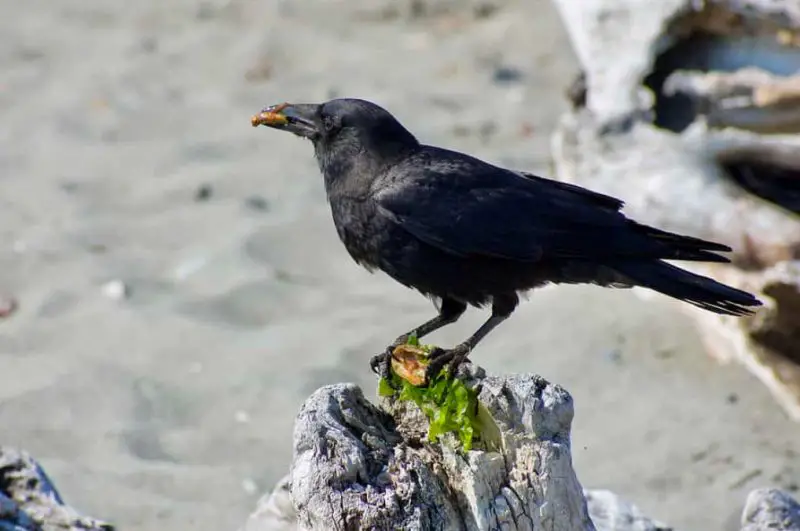
Crows belong to a group of birds known for advanced cognitive abilities. Their intelligence is not abstract. It is visible in how they interact with their surroundings.
They remember locations where food is found. They recognize individuals, both human and animal. They learn from past experiences and adjust their behavior accordingly. In a Tennessee yard, this means that a crow’s presence is often the result of repeated positive encounters.
If food has been available in a particular place, crows will return. If an area feels unsafe, they will avoid it. These decisions are not made once. They are reinforced over time, creating routines that become more refined with experience.
Their ability to solve problems adds another layer. Crows can manipulate objects, use tools, and find creative ways to access resources. This adaptability allows them to thrive in changing environments.
What seems like simple activity is actually a series of informed decisions happening continuously.
Why Your Yard Becomes Part of Their Routine
To a crow, a yard is not just open space. It is a resource zone. Food, water, shelter, and safety determine whether it becomes part of their daily movement.
Tennessee yards often provide a combination of these elements. Lawns attract insects and small invertebrates. Gardens offer seeds, fruits, and other food sources. Human activity can also contribute, whether through intentional feeding or leftover scraps.
Trees and structures provide vantage points. From these elevated positions, crows can observe their surroundings before moving down to feed. This ability to watch before acting is central to their behavior.
Water sources, even small ones, play an important role. Birdbaths, puddles, and drainage areas provide hydration and bathing opportunities.
When these elements are consistent, a yard becomes part of a crow’s routine. It is no longer just a place they pass through. It is a location they rely on.
The Watching Behavior That Feels Intentional
Many Tennessee residents feel as though crows are watching their homes. This impression comes from how much time crows spend observing rather than moving.
A crow may sit quietly on a branch or rooftop, appearing still. In reality, it is scanning the environment. It is tracking movement, listening for sounds, and evaluating potential opportunities or threats.
This behavior is deliberate. Observation allows crows to gather information before acting. It reduces risk and increases efficiency.
In residential areas, this often means watching human activity. When people come outside, when food is placed in certain areas, when disturbances occur, crows take note.
This creates the sense that they are focused on specific homes. In truth, they are monitoring the entire environment, and human spaces are simply part of that system.
Daily Patterns That Reveal Structure
Crows follow routines that align with environmental conditions. These routines make their activity more noticeable at certain times of day.
Morning is often a period of movement. As daylight increases, crows leave their roosting sites and begin searching for food. This is when they are most active and visible.
Midday activity may decrease, especially during warmer periods. Crows conserve energy, often resting in shaded areas while continuing to observe.
In the late afternoon, activity increases again. They revisit feeding areas, interact with other crows, and prepare for evening roosting.
These patterns repeat daily. What feels unpredictable is actually consistent once observed over time.
Communication That Shapes Their World
Crows are highly vocal, and their calls serve multiple purposes. They communicate warnings, coordinate movement, and interact socially.
A single call can signal danger, prompting other crows to respond. This creates a network of awareness that extends beyond individual birds.
Their communication is not limited to sound. Body language, movement, and positioning also play roles in conveying information.
In a Tennessee yard, this communication can create sudden shifts in activity. A quiet space can become active within moments as crows respond to signals from one another.
Understanding these interactions reveals a level of coordination that is easy to overlook.
Social Structure and Group Dynamics
Crows are social animals with complex group dynamics. They often form family groups that stay together for extended periods.
Young crows may remain with their parents, learning survival strategies and observing behavior. This creates a transfer of knowledge across generations.
Within these groups, roles can emerge. Some individuals may take on more active roles in foraging, while others focus on observation.
Interactions between groups can involve cooperation or competition, depending on resources and territory.
This social structure influences how crows use space. A yard may be part of a group’s territory, visited regularly by multiple individuals.
Feeding Behavior and Adaptability
Crows are omnivorous, which gives them a wide range of feeding options. Their diet includes insects, seeds, fruits, small animals, and carrion.
In Tennessee, this flexibility allows them to adapt to seasonal changes. When insects are abundant, they focus on protein-rich food. When seeds and fruits are available, they shift accordingly.
Human environments add additional opportunities. Trash, compost, and outdoor feeding areas can all become part of their diet.
Crows are also known for caching food. They store excess resources in hidden locations, returning to them later. This behavior requires memory and planning.
Their feeding strategies are not fixed. They change based on availability, competition, and environmental conditions.
Seasonal Changes in Behavior
Tennessee’s seasons influence crow behavior in noticeable ways. In spring, activity increases as crows prepare for breeding. Nesting, territory defense, and interaction between individuals become more visible.
Summer brings a focus on raising young. Crows become more active in gathering food and protecting their nests.
Autumn introduces a shift toward group behavior. Larger flocks may form, and movement becomes more collective.
Winter behavior often includes communal roosting. Crows gather in large groups for warmth and safety, sometimes traveling significant distances to reach these sites.
These seasonal changes create variations in how crows appear in yards. What feels like increased activity may be tied to these natural cycles.
How Crows Influence Backyard Ecosystems
Crows play an active role in shaping the environments they inhabit. Their feeding habits affect insect populations, while their scavenging helps clean up organic material.
By consuming carrion, they contribute to the natural breakdown of waste. This reduces the presence of decaying matter in an area.
Their interactions with other species also influence behavior. Smaller birds may become more cautious, while predators may be drawn to areas where crows are active.
In a Tennessee yard, these effects may not always be obvious. But they are part of a larger system that connects different elements of the ecosystem.
The Balance Between Curiosity and Caution
Crows are naturally curious, but they are also cautious. This balance shapes how they interact with human environments.
They may approach new objects or situations slowly, observing before acting. If something feels safe, they investigate further. If it feels threatening, they withdraw.
This behavior explains why crows sometimes appear bold and at other times distant. Their actions are based on evaluation, not impulse.
Over time, repeated experiences influence how they respond. Positive interactions can lead to increased presence, while negative ones can reduce it.
Observing Their Patterns Over Time
Understanding crows requires observation beyond brief encounters. Watching their behavior over days or weeks reveals patterns that are easy to miss.
Notice when they arrive, where they perch, and how they move. Pay attention to how they respond to changes in the environment.
Look for repetition. A crow returning to the same location is not acting without purpose. It is following a learned pattern.
These observations transform their presence from something ordinary into something meaningful.
Living Alongside Crows in Tennessee
Coexisting with crows does not require major changes. In most cases, their presence is neutral or beneficial.
Managing food sources and being aware of nesting areas can help reduce potential conflicts. At the same time, allowing them space supports a balanced environment.
For those interested in wildlife, crows offer an opportunity to observe intelligence and adaptability up close. Their behavior adds depth and complexity to everyday surroundings.
Rather than viewing them as background activity, it becomes possible to recognize them as active participants in the environment.
FAQs About Crows in Tennessee Yards
Why do crows keep returning to my yard?
Crows return to areas that provide consistent resources such as food, water, and safe perching spots. Once a location becomes part of their routine, they revisit it regularly.
Do crows recognize people?
Yes, crows can recognize individual humans and remember past interactions. This influences how they behave around different people.
Are crows aggressive?
Crows are generally not aggressive toward humans. During nesting periods, they may become protective, but direct contact is rare.
What attracts crows the most?
Food availability is the main attractant. Insects, seeds, and accessible food sources all draw crows to an area.
Why are crows so loud?
Their calls are used for communication, including warnings and coordination within groups.
Do crows stay in Tennessee year-round?
Many crows remain throughout the year, though their behavior and grouping may change with the seasons.
Can crows help the environment?
Yes, they contribute by controlling insects and cleaning up organic material, playing a role in ecological balance.
How can I reduce crow activity if needed?
Limiting food sources and reducing attractants can decrease their presence, though they may still visit occasionally.
Final Thoughts
Crows in Tennessee yards are far more than familiar birds moving through the landscape. Their presence reflects intelligence, awareness, and a deep connection to their environment.
What seems ordinary is actually structured. What feels casual is guided by memory and experience.
By taking the time to observe their patterns, it becomes clear that crows are not simply part of the background. They are active, deliberate, and constantly responding to the world around them.
In the spaces where human life and natural systems meet, crows stand out as one of the most capable and perceptive species. Understanding them transforms their presence from something overlooked into something remarkable.