
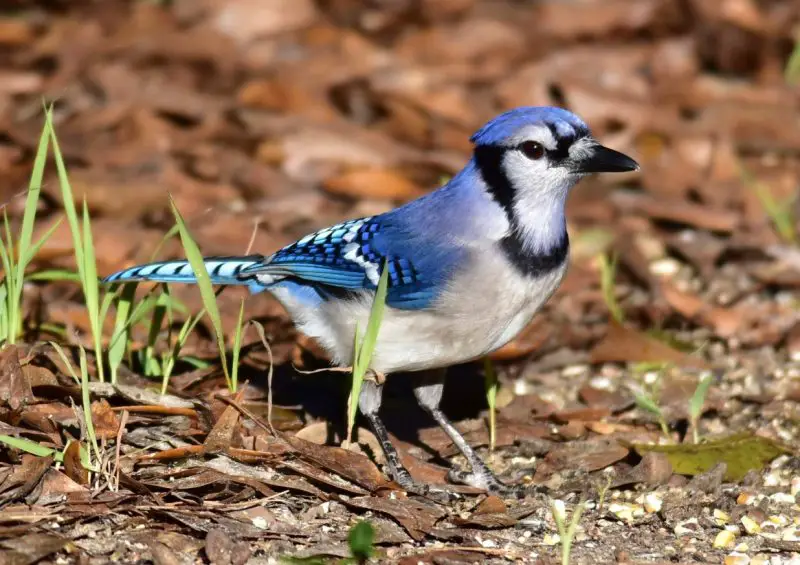
Blue jays have always been part of New Jersey’s landscape, yet many residents are beginning to notice them more often. Their bright blue feathers flash across yards, their calls echo from treetops, and their presence feels more constant than before. What once seemed occasional now feels like a pattern.
It can feel like they have suddenly become more active. But their behavior is not driven by chance or sudden change. What people are witnessing is the result of shifting conditions, refined routines, and a level of awareness that allows these birds to take advantage of environments that support them.
New Jersey offers a mix of suburban neighborhoods, wooded areas, and urban green spaces. Within this environment, blue jays have found ways to thrive. Their increased visibility is not just about population. It is about behavior, timing, and how closely their routines now overlap with human life.
Table of Contents
- 1 The Intelligence That Drives Their Presence
- 2 Why Backyards Have Become Key Locations
- 3 The Role of Observation and “Watching” Behavior
- 4 Daily Patterns That Create Visibility
- 5 Food Availability and Changing Diet Opportunities
- 6 Communication That Signals Activity
- 7 Seasonal Shifts That Influence Behavior
- 8 Urban and Suburban Influence
- 9 Why It Feels Like a Sudden Increase
- 10 Interaction With Other Birds
- 11 Observing Their Patterns Over Time
- 12 Living Alongside Blue Jays
- 13 FAQs About Blue Jays in New Jersey Backyards
- 13.1 Why are blue jays appearing more often in my yard?
- 13.2 Do blue jays recognize people?
- 13.3 Are blue jays aggressive?
- 13.4 What attracts blue jays the most?
- 13.5 Why are blue jays so loud?
- 13.6 Do blue jays stay year-round in New Jersey?
- 13.7 How can I reduce blue jay activity?
- 13.8 Do blue jays help other birds?
- 14 Final Thoughts
The Intelligence That Drives Their Presence
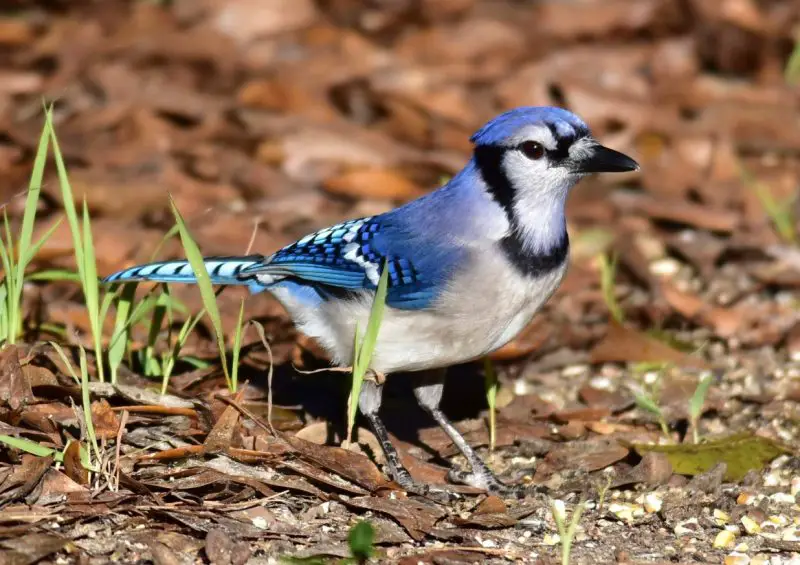
Blue jays are not simple backyard birds. They belong to a group known for intelligence, memory, and adaptability. This shapes how they interact with their surroundings.
They remember where food is found. They learn which areas are safe. They recognize patterns in human behavior. Over time, this knowledge allows them to build routines that maximize efficiency.
In New Jersey backyards, this intelligence becomes visible. A blue jay may return to the same feeder each day, arrive at similar times, and avoid areas where disturbances are frequent. These patterns are not accidental. They are built through experience.
Their awareness extends beyond individual actions. Blue jays observe changes in the environment and adjust quickly. If a new food source appears, they notice. If a threat emerges, they respond.
This ability to learn and adapt is one of the main reasons they seem more active. They are not increasing movement without reason. They are refining it.
Why Backyards Have Become Key Locations
Modern backyards provide everything blue jays need. Food, water, shelter, and vantage points all exist within a relatively small space.
Bird feeders are one of the most obvious attractants. Blue jays are drawn to nuts, seeds, and high-energy foods. Once they identify a reliable source, they incorporate it into their daily route.
Trees and shrubs offer both protection and observation points. From these locations, blue jays can monitor their surroundings before moving down to feed.
Water sources also play a role. Birdbaths, garden features, and even small pools of water provide hydration. In warmer periods, these become especially important.
What makes New Jersey backyards particularly attractive is consistency. When resources are available regularly, blue jays return regularly. Over time, these visits become part of a structured routine.
The Role of Observation and “Watching” Behavior
Many residents feel as if blue jays are watching their homes. This perception comes from how much time these birds spend observing rather than moving.
A blue jay may perch on a branch or fence and remain still for several minutes. During this time, it is scanning the area. It is listening, watching, and evaluating.
This behavior is not passive. It is active awareness.
From elevated positions, blue jays can track movement, identify food sources, and detect potential threats. They gather information before acting.
In suburban environments, this often means watching human activity. When people come and go, when food is placed outside, when disturbances occur, blue jays take note.
This creates the impression that they are focused on homes specifically. In reality, they are monitoring the entire environment, and human spaces are part of that system.
Daily Patterns That Create Visibility
Blue jays follow daily routines that align with environmental conditions. These routines make their activity more noticeable at certain times.
Morning is often a period of movement. As the day begins, blue jays leave their resting areas and begin searching for food. This is when they are most visible.
Midday activity may decrease, especially during warmer periods. Birds seek shade and conserve energy, often remaining quiet and still.
In the late afternoon, activity increases again. Blue jays return to feeding sites, revisit known locations, and interact more with other birds.
These patterns create a rhythm. When human schedules align with these times, encounters become more frequent. This overlap contributes to the sense that blue jays are suddenly more active.
Food Availability and Changing Diet Opportunities
Blue jays are omnivorous, which gives them flexibility. Their diet includes seeds, nuts, insects, and occasionally small animals or eggs.
In New Jersey, seasonal changes affect what food is available. Insects become more abundant during warmer months, providing a rich source of protein. Seeds and nuts remain important throughout the year.
Human-provided food adds another layer. Feeders stocked with peanuts or sunflower seeds become reliable resources. Blue jays quickly learn where these are located.
They are also known for caching behavior. They collect food and store it in hidden locations for later use. This requires memory and planning.
When food sources increase, activity increases. More movement is required to gather, store, and monitor resources. This contributes to their heightened presence.
Communication That Signals Activity
Blue jays are highly vocal birds. Their calls are loud, varied, and purposeful.
Some calls warn of danger. Others communicate location or signal interactions within a group. These vocalizations create a constant flow of information.
In New Jersey neighborhoods, this communication becomes noticeable. A single call can trigger responses from other birds, creating a chain of activity.
They are also capable of mimicry. Blue jays can imitate the calls of hawks and other birds. This behavior can influence how other animals respond.
What may seem like noise is actually a complex system of signals. Increased vocalization often reflects increased activity, making their presence more apparent.
Seasonal Shifts That Influence Behavior
Blue jay behavior changes throughout the year, and these shifts can make their activity feel more intense at certain times.
During breeding periods, they become more territorial. They defend nesting areas and interact more with other birds. This leads to increased visibility and sound.
In periods of food abundance, they become more active in gathering and storing resources. Movement between locations increases.
As conditions change, their routines adjust. They shift feeding times, explore new areas, and respond to environmental cues.
In New Jersey, these seasonal changes are pronounced enough to create noticeable differences in behavior. What feels sudden is often part of a larger cycle.
Urban and Suburban Influence
Human environments shape how blue jays behave. Urban and suburban areas provide unique advantages.
Structures such as fences, rooftops, and utility lines create pathways and observation points. These features allow blue jays to move efficiently through an area.
Landscaping choices also matter. Trees, shrubs, and gardens create habitats that support insects and provide shelter.
Reduced predator presence in some areas allows blue jays to operate with less risk. This can increase their confidence and visibility.
As New Jersey continues to develop, these environments expand. Blue jays adapt quickly, incorporating new spaces into their routines.
Why It Feels Like a Sudden Increase
The perception of increased activity comes from several overlapping factors.
First, environmental conditions may have become more favorable. Slight changes in temperature, food availability, or habitat can support higher levels of activity.
Second, blue jays refine their routines over time. As they learn more about an area, they become more efficient and visible.
Third, human awareness plays a role. When people begin to notice a pattern, it becomes more prominent.
These factors combine to create the impression of a sudden change. In reality, it is a gradual process reaching a point where it becomes noticeable.
Interaction With Other Birds
Blue jays influence the behavior of other birds in their environment. Their presence can cause smaller birds to become more cautious.
At feeders, they often dominate. Their size and confidence allow them to take larger portions of food.
They also act as sentinels. Their warning calls alert other birds to danger, creating a shared awareness system.
These interactions contribute to the overall activity in a yard. When blue jays are present, the behavior of other species often changes.
Observing Their Patterns Over Time
Understanding blue jay activity requires observation over time. Short encounters provide limited insight.
Watching when they arrive, where they perch, and how they move reveals patterns. These patterns repeat, creating a structured system.
Notice how they respond to changes. A new feeder, a shift in weather, or increased human activity all influence behavior.
Over time, what seemed unpredictable becomes consistent. Blue jays are not moving without purpose. They are following routines shaped by experience.
Living Alongside Blue Jays
Coexisting with blue jays does not require eliminating their presence. It involves understanding how they interact with the environment.
Providing food and water can encourage visits. Managing these resources can influence how often they appear.
During nesting periods, giving them space reduces stress and potential conflict.
For those interested in wildlife, blue jays offer an opportunity to observe intelligence and adaptability. Their behavior adds depth to everyday surroundings.
Rather than seeing them as more active without reason, it becomes clear that their presence reflects a system that has been building over time.
FAQs About Blue Jays in New Jersey Backyards
Why are blue jays appearing more often in my yard?
Blue jays return to areas with reliable food, water, and shelter. Consistent resources create repeated visits.
Do blue jays recognize people?
Yes, they can recognize faces and remember interactions, which influences their behavior around humans.
Are blue jays aggressive?
They can be territorial during breeding periods but are generally not aggressive toward people.
What attracts blue jays the most?
Nuts, seeds, water sources, and safe perching spots are the main attractants.
Why are blue jays so loud?
Their calls are used for communication, including warnings and coordination.
Do blue jays stay year-round in New Jersey?
Many remain throughout the year, especially in areas with stable resources.
How can I reduce blue jay activity?
Limiting food sources and managing attractants can reduce visits.
Do blue jays help other birds?
Their warning calls can alert other birds to danger, contributing to shared awareness.
Final Thoughts
Blue jays appearing more active in New Jersey backyards are not acting without direction. Their behavior reflects intelligence, memory, and adaptation to environments that support them.
What feels like a sudden increase is the result of patterns becoming visible. Food, shelter, and observation all play a role in shaping their routines.
By understanding these factors, their presence becomes less surprising and more meaningful. Blue jays are not simply more active. They are more connected to the spaces they inhabit, responding to them with precision and awareness every day.