
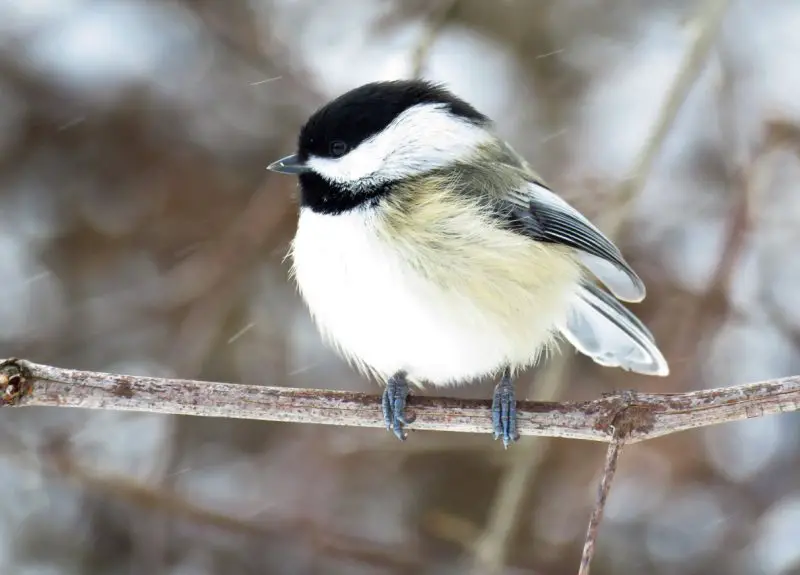
Chickadees are among the smallest and most familiar birds in Ohio, yet they are often overlooked. They move quickly through branches, appear at feeders without hesitation, and call with soft, distinctive notes that blend into the background of daily life. For many residents, they are simply part of the scenery. Quiet. Common. Easy to ignore.
But chickadees are far more complex than they appear.
Behind their small size and gentle presence is a level of intelligence, adaptability, and awareness that shapes how they interact with the environment around them. They are not just passing through yards. They are studying them, memorizing them, and returning to them with purpose. In Ohio’s mix of forests, suburbs, and urban neighborhoods, chickadees have become highly efficient at living alongside people.
Once you begin to observe them closely, their behavior reveals patterns that are easy to miss at first glance. Their presence is not accidental. It is intentional, consistent, and deeply connected to the spaces they inhabit.
Table of Contents
- 1 The Chickadee Species Found in Ohio
- 2 Intelligence Hidden in Small Movements
- 3 Why Ohio Homes Attract Chickadees
- 4 The Constant “Checking” Behavior
- 5 Social Structure and Flock Dynamics
- 6 Communication That Sounds Simple but Isn’t
- 7 Seasonal Behavior in Ohio
- 8 The Role of Memory in Winter Survival
- 9 Why They Seem So Fearless Around People
- 10 Nesting Behavior Near Homes
- 11 How Chickadees Influence Backyard Ecosystems
- 12 Observing Their Patterns Over Time
- 13 Living Alongside Chickadees in Ohio
- 14 FAQs About Chickadees Around Ohio Homes
- 14.1 Why do chickadees visit my yard so often?
- 14.2 Do chickadees remember where they hide food?
- 14.3 Are chickadees friendly to humans?
- 14.4 What foods attract chickadees the most?
- 14.5 Do chickadees stay in Ohio year-round?
- 14.6 Why are chickadees always moving?
- 14.7 Can chickadees help my garden?
- 14.8 Where do chickadees nest?
- 15 Final Thoughts
The Chickadee Species Found in Ohio
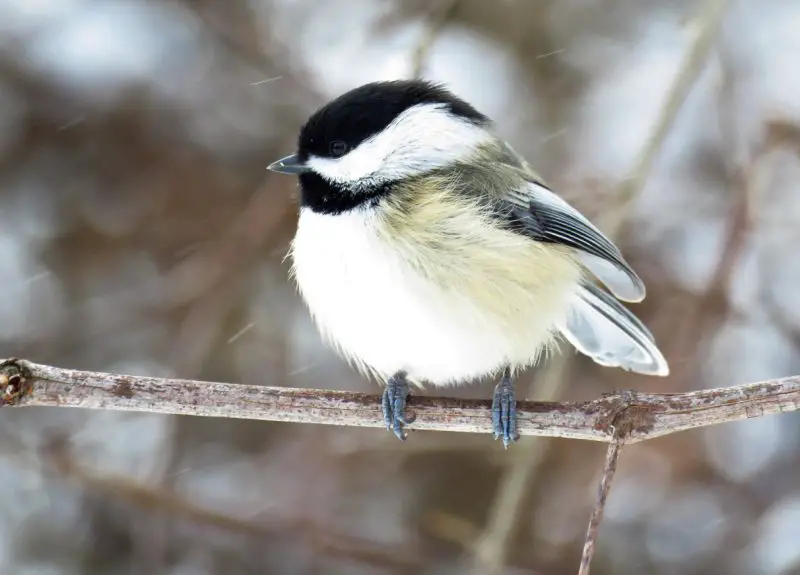
The most common chickadee in Ohio is the black-capped chickadee. Its appearance is simple but distinctive. A black cap and bib contrast with white cheeks, while soft gray tones cover the body. Despite their small size, they are bold and active, often approaching feeders even when people are nearby.
These birds are well adapted to Ohio’s climate. They remain in the state year-round, enduring both warm summers and cold winters. Their ability to survive through seasonal extremes is one of the reasons they are such a consistent presence.
What makes them especially notable is not just where they live, but how they live. Chickadees do not rely on a single strategy. They combine memory, social behavior, and environmental awareness to navigate changing conditions.
Intelligence Hidden in Small Movements
Chickadees are often underestimated because of their size, but their cognitive abilities are remarkable. They possess strong memory skills, allowing them to store and retrieve food across large areas.
During periods of abundance, chickadees collect seeds and hide them in various locations. These caches are not placed carelessly. Each one is stored with intention, often in different spots to reduce the risk of loss. Later, they return and recover many of these hidden resources.
This behavior requires more than instinct. It involves spatial memory and the ability to recognize environmental cues. Chickadees remember where they have been and what they have found.
They also learn from experience. If a feeder consistently provides food, they incorporate it into their routine. If a location feels unsafe, they avoid it. Over time, their movements become more efficient, reflecting a growing understanding of their surroundings.
Why Ohio Homes Attract Chickadees
Ohio neighborhoods provide an ideal combination of resources. Trees, shrubs, lawns, and human structures create a layered environment that supports chickadee activity.
Food is one of the main attractants. Chickadees eat seeds, insects, and small invertebrates. Bird feeders stocked with sunflower seeds or similar options quickly become reliable feeding sites.
Water sources add another layer. Birdbaths, small ponds, and even temporary puddles provide hydration and opportunities for bathing.
Shelter is equally important. Trees and dense shrubs offer protection from predators and harsh weather. They also serve as resting spots and vantage points for observing the environment.
What makes a yard especially appealing is consistency. When food, water, and shelter remain available over time, chickadees return regularly. Their visits become part of a daily routine.
The Constant “Checking” Behavior
One of the most distinctive aspects of chickadee behavior is how frequently they move between locations. They rarely stay in one place for long. Instead, they hop from branch to branch, feeder to tree, and back again.
This movement is not aimless. It is a form of continuous checking.
Chickadees monitor multiple food sources and cache locations. They revisit these spots regularly, ensuring that resources are still available and accessible. This creates a network of locations that they move through in a structured pattern.
In an Ohio yard, this can make them seem unusually active. They appear, disappear, and return within short periods. But each movement is part of a larger system.
Their behavior reflects efficiency. By spreading their resources across multiple locations, they reduce risk and increase survival.
Social Structure and Flock Dynamics
Chickadees are social birds, often forming small flocks, especially outside of the breeding season. These groups are not random gatherings. They are structured systems where individuals interact and communicate.
Within a flock, birds share information about food and potential threats. A chickadee that discovers a food source may attract others through calls. Similarly, warnings about predators spread quickly through the group.
This shared awareness increases survival for all members.
In Ohio, these flocks often include other small birds, such as nuthatches or titmice. This creates mixed-species groups that move together through an area, each species contributing to the collective awareness.
For residents, this means that chickadee activity may be part of a larger network of bird behavior happening simultaneously.
Communication That Sounds Simple but Isn’t
The calls of chickadees are among the most recognizable bird sounds in Ohio. Their “chick-a-dee-dee-dee” call varies in tone and repetition, and these variations carry meaning.
Different calls signal different situations. A simple call may indicate normal movement, while an extended or more intense call can signal danger.
They also use softer calls to maintain contact within a group. These sounds help keep flock members connected as they move through trees and yards.
What may sound like simple chirping is actually a complex system of communication. Each variation provides information, allowing chickadees to respond quickly to changes in their environment.
Seasonal Behavior in Ohio
Chickadee behavior changes with the seasons, though they remain present throughout the year.
In spring, activity increases as they prepare for breeding. They search for nesting sites, often choosing tree cavities or small openings. During this time, they may become more focused on specific areas.
Summer brings a shift toward raising young. Chickadees become more active in gathering insects, which provide essential nutrients for growing chicks.
Autumn is a period of preparation. Food caching becomes more intense as they store resources for winter. Their movement patterns expand as they search for and hide food.
Winter highlights their adaptability. Despite cold temperatures, chickadees remain active. They rely on stored food, efficient metabolism, and shelter to survive.
These seasonal shifts create variations in how often and how visibly they appear in yards.
The Role of Memory in Winter Survival
Winter in Ohio presents challenges for small birds, but chickadees are well equipped to handle them.
Their caching behavior becomes critical during this time. The seeds they stored earlier provide a steady source of energy when food is scarce.
Memory plays a central role. Chickadees recall many of their cache locations, allowing them to retrieve food efficiently. This reduces the time spent searching and conserves energy.
They also adjust their behavior to conserve heat. Roosting in sheltered areas and fluffing their feathers help maintain body temperature.
These strategies allow them to remain active even in conditions that might limit other species.
Why They Seem So Fearless Around People
Chickadees often appear unafraid of humans. They approach feeders quickly and may continue feeding even when people are nearby.
This behavior is not a lack of caution. It is a calculated response.
Chickadees evaluate risk based on experience. In areas where humans are not a direct threat, they become more tolerant of proximity. This allows them to take advantage of resources without unnecessary delay.
Their quick movements also reduce risk. They rarely stay exposed for long, constantly shifting positions and remaining alert.
This balance between caution and confidence makes them seem approachable, even though they remain highly aware of their surroundings.
Nesting Behavior Near Homes
During breeding season, chickadees seek out cavities for nesting. In natural environments, this often means tree holes. In residential areas, they may use nest boxes or small openings in structures.
Both male and female birds participate in building the nest. They gather soft materials such as moss, fur, and feathers to create a comfortable interior.
Once eggs are laid, both parents share responsibilities for feeding and protecting the young. Their activity becomes more focused during this time, centered around the nesting site.
After the young fledge, the family group may remain together for a period before joining larger flocks.
How Chickadees Influence Backyard Ecosystems
Chickadees play an important role in Ohio ecosystems. Their feeding habits help control insect populations, reducing the presence of certain pests.
By consuming insects during warmer months, they contribute to the health of plants and gardens. Their activity also supports the balance of local food webs.
Their interactions with other birds create dynamic relationships. Mixed flocks share information and influence movement patterns across an area.
In a yard setting, these effects may be subtle, but they are part of a larger system that connects multiple species.
Observing Their Patterns Over Time
To fully understand chickadees, it is important to observe them over time. Brief encounters provide only a snapshot of their behavior.
Watch how they move between locations. Notice the timing of their visits and the routes they follow. Pay attention to how they respond to changes in the environment.
Patterns begin to emerge. What once seemed like constant, scattered movement becomes a structured routine.
This observation transforms their presence from something simple into something intricate and meaningful.
Living Alongside Chickadees in Ohio
Coexisting with chickadees is one of the easiest and most rewarding aspects of backyard wildlife. They require little from humans but provide constant activity and interaction.
Maintaining feeders, providing water, and preserving natural vegetation can support their presence. These actions create an environment where chickadees can thrive.
At the same time, allowing natural behavior to continue without interference ensures a balanced relationship.
For many residents, chickadees become a daily presence, offering a glimpse into a world of small but highly intelligent creatures navigating their environment.
FAQs About Chickadees Around Ohio Homes
Why do chickadees visit my yard so often?
Chickadees return to areas with consistent food, water, and shelter. Once a yard becomes part of their routine, they visit regularly.
Do chickadees remember where they hide food?
Yes, they have strong spatial memory and can recall many of their cache locations.
Are chickadees friendly to humans?
They are not truly tame but can become comfortable around people in environments where they feel safe.
What foods attract chickadees the most?
Sunflower seeds, suet, and small insects are among their preferred food sources.
Do chickadees stay in Ohio year-round?
Yes, they remain in the state throughout all seasons, adapting to changing conditions.
Why are chickadees always moving?
Their constant movement is part of their strategy for monitoring food sources and staying alert to threats.
Can chickadees help my garden?
Yes, by eating insects, they help control pests and support plant health.
Where do chickadees nest?
They nest in cavities, such as tree holes or nest boxes, using soft materials to build their nests.
Final Thoughts
Chickadees around Ohio homes are far more than small, active birds. Their behavior reflects intelligence, memory, and a deep connection to their environment.
What seems like constant motion is actually a structured system. Each movement, call, and return to a location is part of a larger pattern shaped by experience and necessity.
By taking the time to observe them, it becomes clear that chickadees are not just part of the background. They are active participants in the environment, quietly shaping and responding to the world around them every day.