
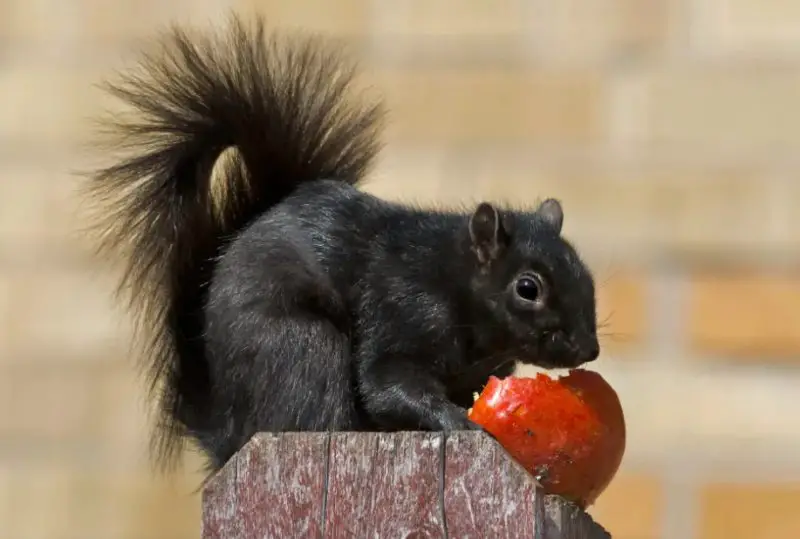
Black squirrels stand out immediately in South Dakota neighborhoods, their dark coats contrasting sharply against pale winter snow and dry summer grass. For many homeowners, spotting one feels unusual or even rare, yet in certain towns and suburban areas, these squirrels are becoming a familiar part of the landscape. Their presence often sparks curiosity, and sometimes confusion, about whether they are a separate species or simply a variation of something more common.
These squirrels are not a different species at all. They are a color variation of the eastern gray squirrel, shaped by genetics rather than geography alone. What makes them especially interesting in South Dakota is how they adapt to the region’s climate, interact with human environments, and influence backyard ecosystems in ways that are not always obvious.
A closer look at black squirrels reveals patterns that explain why they appear in certain areas, how they survive harsh winters, and what their behavior means for homeowners. Their presence is not random. It reflects a combination of environmental conditions, food availability, and long-term adaptation that unfolds quietly across neighborhoods.
Table of Contents
- 1 Why Black Squirrels Appear in Certain South Dakota Neighborhoods
- 2 The Genetic Reason Behind Their Color
- 3 How Black Squirrels Handle South Dakota Winters
- 4 Why Homeowners Notice Them More in Winter
- 5 The Role of Trees in Their Daily Movement
- 6 Why Black Squirrels Seem Bolder Around Homes
- 7 What Black Squirrels Eat in South Dakota
- 8 How Their Food Caching Shapes Backyard Ecology
- 9 Why They Dig in Lawns and Gardens
- 10 Interaction With Other Wildlife
- 11 Why Black Squirrels Are Not a Separate Species
- 12 Seasonal Changes in Behavior
- 13 Why Some Areas Have More Black Squirrels Than Others
- 14 Common Misconceptions About Black Squirrels
- 15 How Homeowners Can Coexist With Them
- 16 FAQs About Black Squirrels in South Dakota
- 16.1 Are black squirrels rare in South Dakota?
- 16.2 Why are they black instead of gray?
- 16.3 Do black squirrels behave differently?
- 16.4 What do they eat?
- 16.5 Why do they dig in yards?
- 16.6 Are they more aggressive?
- 16.7 Do they stay active in winter?
- 16.8 Can they damage property?
- 16.9 Why do some areas have more of them?
- 16.10 How long do they live?
- 17 Final Thoughts
Why Black Squirrels Appear in Certain South Dakota Neighborhoods
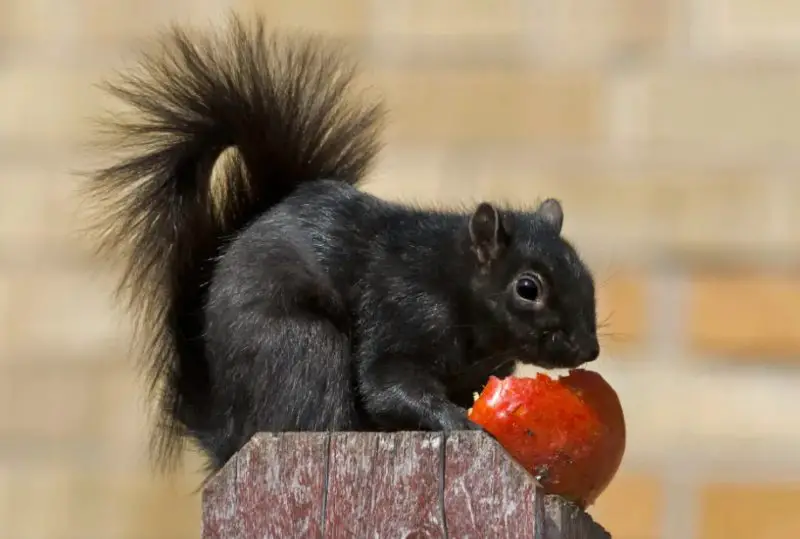
Black squirrels are not evenly distributed across South Dakota. They tend to concentrate in towns and residential areas where trees, food sources, and shelter are readily available. Urban and suburban neighborhoods provide a mix of mature trees, lawns, and human activity that creates a stable environment.
Tree cover plays a central role. Areas with established trees offer nesting sites and pathways for movement. Squirrels rely on these structures to travel safely and access food without spending too much time on the ground.
Human presence also contributes. Bird feeders, gardens, and landscaping provide additional food sources that support squirrel populations. Over time, these factors create localized clusters where black squirrels become more noticeable.
The Genetic Reason Behind Their Color
The dark coloration of black squirrels comes from a genetic trait known as melanism. This trait increases the amount of dark pigment in their fur, giving them their distinctive appearance.
Melanism is not unique to South Dakota, but its presence in certain populations suggests selective advantages in specific environments. In colder climates, darker fur may help retain heat, providing a slight survival benefit during winter months.
This genetic variation can persist within a population when conditions support it. As a result, black squirrels may become more common in certain areas while remaining rare in others.
How Black Squirrels Handle South Dakota Winters
South Dakota winters can be severe, with low temperatures and extended periods of snow. Black squirrels have developed strategies that allow them to survive these conditions effectively.
Their darker fur absorbs more sunlight, which can help with thermoregulation. This advantage may seem small, but over time it contributes to energy conservation. Combined with behavioral adaptations, it supports survival during cold periods.
Food storage is another critical factor. Black squirrels gather and bury nuts and seeds throughout the fall. These caches provide a steady supply of food when natural sources become scarce. Their ability to remember and locate these caches plays a major role in winter survival.
Why Homeowners Notice Them More in Winter
Black squirrels become more visible in winter due to contrast and activity patterns. Their dark fur stands out against snow, making them easier to spot even at a distance.
Food scarcity also increases movement. As natural sources become limited, squirrels spend more time searching for stored food. This increased activity brings them into view more often.
Backyards with feeders or accessible food sources attract squirrels during this time. Homeowners may notice more frequent visits, leading to the impression that populations have suddenly increased.
The Role of Trees in Their Daily Movement
Trees are essential to black squirrels, serving as both shelter and transportation routes. They prefer to move through branches rather than on the ground, where they are more vulnerable to predators.
In residential areas, tree placement influences movement patterns. Squirrels often follow consistent routes, using the same trees to travel between feeding and nesting sites. These pathways can become predictable over time.
When tree cover is limited, squirrels may rely more on ground movement. This increases visibility and can lead to more frequent encounters with people.
Why Black Squirrels Seem Bolder Around Homes
Black squirrels often appear more confident in residential areas. This behavior is linked to familiarity with human activity and the availability of food.
Over time, squirrels learn that certain environments provide reliable resources with relatively low risk. This learning process leads to reduced hesitation when approaching yards or feeders.
Their behavior is not a sign of domestication. It reflects adaptation to consistent conditions. Squirrels remain alert and capable of reacting quickly to changes in their environment.
What Black Squirrels Eat in South Dakota
The diet of black squirrels is diverse and adaptable. They consume nuts, seeds, fruits, buds, and occasionally insects. This flexibility allows them to adjust to seasonal changes.
In residential areas, they may also take advantage of bird seed, garden plants, and other accessible food sources. These additional options can influence their behavior and movement patterns.
Seasonal variation is important. During fall, they focus on collecting and storing food. In winter, they rely on these reserves, supplementing with whatever is available.
How Their Food Caching Shapes Backyard Ecology
Black squirrels play a role in shaping plant growth through their caching behavior. By burying seeds and nuts, they contribute to the dispersal of plant species.
Not all stored food is recovered. Forgotten caches can germinate, leading to new plant growth. Over time, this process influences the distribution of trees and vegetation.
In residential areas, this can result in unexpected growth patterns. Small plants may appear in locations where seeds were buried months earlier.
Why They Dig in Lawns and Gardens
Digging behavior often frustrates homeowners. Black squirrels dig to bury or retrieve food, not to damage property. This activity is part of their survival strategy.
Lawns and garden beds provide soft soil that is easy to work with. These areas become common sites for caching. While the digging may seem random, it follows a pattern based on soil conditions and accessibility.
Understanding this behavior helps explain why it occurs. It is not targeted damage but a natural response to environmental conditions.
Interaction With Other Wildlife
Black squirrels share their environment with a variety of other species. Birds, rabbits, and other small mammals all interact within the same space.
Competition for food can occur, especially around feeders. Squirrels often dominate these areas due to their size and agility. This can influence the behavior of smaller animals.
Predators also play a role. Hawks, owls, and foxes contribute to population balance. The presence of predators affects how squirrels move and where they choose to spend time.
Why Black Squirrels Are Not a Separate Species
Despite their distinct appearance, black squirrels are not a separate species. They belong to the same species as gray squirrels, with differences limited to fur color.
This distinction is important for understanding their behavior. They share the same habits, diet, and ecological role as their gray counterparts.
The variation in color adds diversity to the population without changing the underlying characteristics of the species.
Seasonal Changes in Behavior
Black squirrel behavior shifts throughout the year. Spring brings increased activity as they search for food and prepare for breeding. Summer provides abundant resources, allowing for more stable routines.
Fall is the most active period for food collection. Squirrels spend significant time gathering and storing resources for winter. This behavior is essential for survival.
Winter reduces overall activity but increases visibility. Squirrels focus on retrieving stored food and conserving energy during colder periods.
Why Some Areas Have More Black Squirrels Than Others
Population differences between areas are influenced by habitat, food availability, and historical factors. Some towns may have introduced populations that expanded over time.
Environmental conditions also play a role. Areas with suitable tree cover and consistent food sources support larger populations. These factors combine to create noticeable differences between neighborhoods.
Over time, successful populations can grow and spread, leading to increased sightings in surrounding areas.
Common Misconceptions About Black Squirrels
Many misconceptions surround black squirrels. A common belief is that they are more aggressive than gray squirrels. In reality, their behavior is similar, shaped by the same environmental factors.
Another misunderstanding is that their color indicates a different species or origin. As discussed, this is not the case. The variation is genetic rather than species based.
There is also a tendency to overestimate their impact on property. While they can cause minor disturbances, their behavior is part of a natural system rather than intentional damage.
How Homeowners Can Coexist With Them
Coexisting with black squirrels involves understanding their behavior and adjusting expectations. Providing a balanced environment reduces conflict and supports a healthy ecosystem.
Maintaining trees and managing food sources can influence activity levels. Small changes in landscaping and feeding practices can make a noticeable difference.
Observation also plays a role. Watching how squirrels move and interact provides insight into their patterns. This awareness helps homeowners anticipate and manage encounters.
FAQs About Black Squirrels in South Dakota
Are black squirrels rare in South Dakota?
They are not common everywhere but can be locally abundant in certain towns and neighborhoods.
Why are they black instead of gray?
Their color comes from a genetic trait that increases dark pigmentation.
Do black squirrels behave differently?
Their behavior is similar to gray squirrels, with differences mainly in appearance.
What do they eat?
They eat nuts, seeds, fruits, and other available food sources, adapting to seasonal changes.
Why do they dig in yards?
They dig to store and retrieve food, which is a natural behavior.
Are they more aggressive?
They are not more aggressive than other squirrels. Their behavior depends on environment and experience.
Do they stay active in winter?
They remain active but reduce movement, relying on stored food.
Can they damage property?
They may cause minor disturbances, but significant damage is uncommon.
Why do some areas have more of them?
Habitat, food availability, and local population history influence their distribution.
How long do they live?
Their lifespan varies, but many live several years in suitable conditions.
Final Thoughts
Black squirrels add a distinctive element to South Dakota neighborhoods, reflecting the adaptability of wildlife in changing environments. Their presence is shaped by a combination of genetics, habitat, and human influence, creating patterns that become more noticeable with observation.
For homeowners, understanding these patterns provides a clearer perspective on how black squirrels fit into the local ecosystem. Their behavior, while sometimes surprising, follows consistent rules that align with survival and environmental interaction.
By recognizing these details, it becomes easier to appreciate their role rather than view them as a disruption. Black squirrels are not simply a visual curiosity. They are part of a larger system that connects trees, seasons, and the everyday landscape in subtle but meaningful ways.