
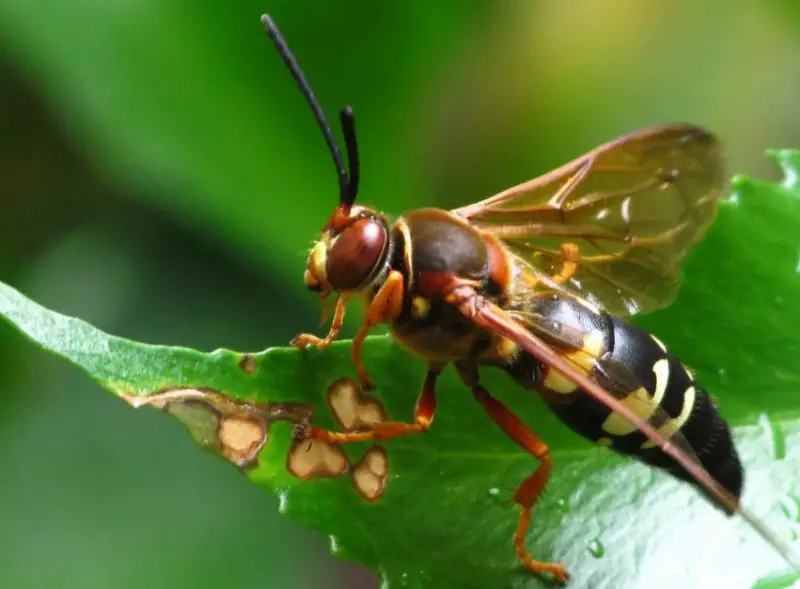
Cicada killer wasps in Ohio are large, loud, and impossible to ignore when they appear in midsummer. Homeowners often describe them as “giant hornets” or assume they are aggressive threats that must be eliminated immediately.
That reaction is understandable. Cicada killers are among the largest wasps people ever encounter in Ohio.
But what most people don’t realize is that these wasps play a surprisingly important and mostly beneficial role in Ohio’s ecosystems. They are not random backyard bullies. They are specialists, tightly adapted to the rhythms of cicadas, soil conditions, and seasonal timing.
Once you understand what cicada killer wasps actually do—and what they don’t do—they stop looking like a menace and start looking like one of Ohio’s most misunderstood insects.
Table of Contents
- 1 Cicada Killer Wasps Are Not Hornets
- 2 Their Entire Life Cycle Revolves Around Cicadas
- 3 Cicada Killer Wasps Help Regulate Cicada Populations
- 4 They Are Solitary, Not Aggressive
- 5 Male Cicada Killers Look Scarier Than They Are
- 6 Their Burrows Improve Soil Health
- 7 Burrowing Behavior Follows Soil Conditions
- 8 They Rarely Damage Lawns Long-Term
- 9 Cicada Killer Wasps Are Active for a Short Window
- 10 They Pose Minimal Risk to Pets and Children
- 11 Their Presence Reduces the Need for Pesticides
- 12 Why Cicada Killers Are Often Killed Unnecessarily
- 13 Cicada Killers Are Indicators of Healthy Summers
- 14 Climate Change May Alter Their Role
- 15 Coexistence Is Usually the Best Option
- 16 Why Education Matters
- 17 The Bigger Picture
- 18 FAQs about The Surprising Role Cicada Killer Wasps Play in Ohio
- 18.1 Are cicada killer wasps dangerous to people?
- 18.2 Can cicada killer wasps sting multiple times?
- 18.3 Why are cicada killer wasps so large?
- 18.4 Do cicada killer wasps help control cicadas?
- 18.5 Why do they dig holes in lawns?
- 18.6 Are cicada killer wasps active all summer?
- 18.7 Should homeowners remove cicada killer wasps?
- 18.8 Are cicada killer wasps the same as hornets?
- 18.9 Do cicada killer wasps harm pets?
- 18.10 What’s the biggest misconception about cicada killer wasps?
- 19 Final Thoughts
Cicada Killer Wasps Are Not Hornets
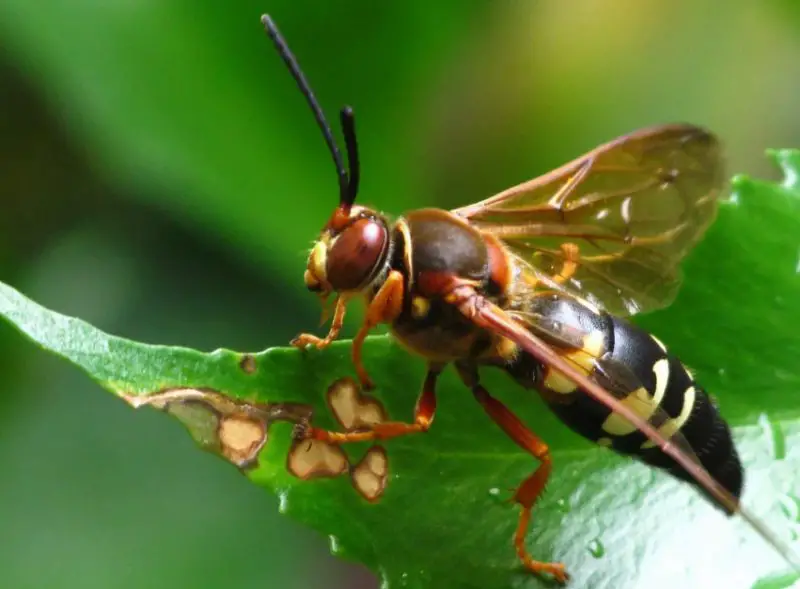
One of the biggest sources of fear comes from misidentification.
Cicada killer wasps are often mistaken for hornets or yellowjackets, but they are a completely different kind of wasp. Their size alone makes people assume they are dangerous. Adult females can reach nearly two inches in length, making them look intimidating compared to most backyard insects.
Despite their appearance, cicada killers behave very differently from social wasps. They do not defend communal nests. They do not swarm. They do not patrol yards looking for targets.
They are solitary hunters with a very specific mission.
Their Entire Life Cycle Revolves Around Cicadas
The defining role of cicada killer wasps is right there in their name.
Female cicada killers hunt adult cicadas, sting them to induce paralysis, and transport them back to underground burrows. Each cicada becomes food for a single wasp larva.
This specialization is remarkable. Cicada killers do not hunt a wide range of insects. They are almost entirely focused on cicadas, which are abundant in Ohio during summer.
This tight relationship means cicada killer populations rise and fall with cicada availability. When cicadas are plentiful, cicada killers thrive. When cicadas are scarce, cicada killers disappear.
They are not random pests. They are ecological specialists.
Cicada Killer Wasps Help Regulate Cicada Populations
Cicadas are famous for their numbers.
While cicadas are not harmful insects, large populations can stress trees by laying eggs in branches and drawing sap. Cicada killer wasps act as a natural check on cicada numbers, especially in localized areas.
They do not wipe cicadas out. Their impact is selective and limited. But by removing a portion of adult cicadas, they help balance insect populations during peak seasons.
This regulation happens quietly, underground, and without chemicals or human intervention.
They Are Solitary, Not Aggressive
One of the most surprising facts is how non-aggressive cicada killer wasps actually are.
Unlike social wasps, cicada killers do not defend a shared nest. Each female maintains her own burrow. There is no colony to protect, no hive to sacrifice themselves for.
As a result, they are remarkably tolerant of human presence. People can walk past them, mow lawns near burrows, or stand nearby without being stung.
Stings are rare and usually occur only if a wasp is physically handled or trapped.
Their intimidating flight is often mistaken for aggression, but it is mostly territorial display or simple navigation.
Male Cicada Killers Look Scarier Than They Are
Another misunderstood aspect is the role of male cicada killers.
Males cannot sting at all.
They often hover near nesting areas and fly directly at people, which feels threatening. In reality, males are bluffing. They are defending mating territory, not attacking.
This behavior contributes heavily to the myth that cicada killers are dangerous. The wasps most likely to confront you are physically incapable of stinging.
Their Burrows Improve Soil Health
Cicada killer wasps are also ecosystem engineers.
When females dig burrows—often several inches deep and over a foot long—they loosen compacted soil. This aeration improves water infiltration and root growth, especially in lawns and compacted areas.
The soil mounds they create may look messy, but the underlying effect is similar to natural tilling.
In Ohio’s clay-heavy soils, this aeration can be beneficial rather than harmful.
Burrowing Behavior Follows Soil Conditions
Cicada killers are selective about where they dig.
They prefer well-drained, sandy or loose soil exposed to sunlight. This is why they often appear in lawns, playgrounds, golf courses, and bare patches of ground.
They avoid dense shade and saturated soil.
Their presence is not random. It reflects underlying soil conditions and microclimates.
If cicada killers suddenly appear, it often means the soil conditions have become ideal—not that something has gone wrong.
They Rarely Damage Lawns Long-Term
Homeowners often worry that burrows will ruin their yards.
In most cases, cicada killer activity is temporary. Burrows are abandoned after the breeding season ends. Grass and plants usually recover naturally.
The visual disruption is far greater than the actual damage.
Unlike animals that feed on roots or plants, cicada killers do not consume vegetation. They move soil, not destroy it.
Cicada Killer Wasps Are Active for a Short Window
Another little-known fact is how brief their season really is.
In Ohio, cicada killer wasps are active primarily from mid-summer into early fall. Their adult lifespan is short. Once mating and egg-laying are complete, they disappear.
They do not overwinter as adults. They do not persist year-round. The larvae develop underground and emerge the following year.
This limited window makes tolerance far easier than most people expect.
They Pose Minimal Risk to Pets and Children
Despite their size, cicada killer wasps pose very little risk to pets or children.
They are not attracted to food, drinks, or garbage. They do not enter homes. They do not chase people.
Most stings occur only when someone attempts to handle a wasp directly or steps barefoot on one accidentally.
Simple awareness and avoidance eliminate almost all risk.
Their Presence Reduces the Need for Pesticides
By preying almost exclusively on cicadas, cicada killer wasps provide natural pest control.
They do not harm beneficial insects like bees in significant numbers. They do not raid gardens or attack pollinators en masse.
Removing them often increases reliance on chemical controls, which can harm non-target species.
In this way, cicada killers quietly support more balanced insect communities.
Why Cicada Killers Are Often Killed Unnecessarily
Fear drives most eradication efforts.
Their size, buzzing flight, and visible burrows create anxiety. Many people act first and ask questions later.
Unfortunately, this often leads to unnecessary pesticide use, which can harm beneficial insects and contaminate soil.
Understanding their role reduces fear and promotes coexistence.
Cicada Killers Are Indicators of Healthy Summers
Cicada killer wasps appear only when conditions are right.
Warm temperatures, healthy cicada populations, and suitable soil are all required. Their presence often indicates a functioning summer ecosystem.
They are signs of abundance, not danger.
Climate Change May Alter Their Role
As Ohio’s climate changes, cicada killer behavior may shift.
Longer summers and warmer temperatures could extend their activity window. Changes in soil moisture could alter nesting sites.
Understanding their current role helps anticipate future changes.
Coexistence Is Usually the Best Option
In most cases, the best response to cicada killer wasps is patience.
They are temporary. They are beneficial. They are unlikely to cause harm.
Simple measures like avoiding bare soil patches or watering dry areas can discourage nesting without killing wasps.
Coexistence is often easier than control.
Why Education Matters
Cicada killer wasps are victims of reputation.
They look dangerous, but they are not. They act boldly, but they are not aggressive. They disrupt lawns, but they improve soil.
Education turns fear into understanding.
The Bigger Picture
In Ohio’s ecosystems, cicada killer wasps fill a narrow but important role.
They connect soil, insects, and seasonal cycles. They regulate cicadas, aerate ground, and exist without demanding attention.
They are not pests invading human space. They are native insects doing exactly what evolution designed them to do.
FAQs about The Surprising Role Cicada Killer Wasps Play in Ohio
Are cicada killer wasps dangerous to people?
No. They are not aggressive and rarely sting unless handled or accidentally stepped on.
Can cicada killer wasps sting multiple times?
Females can sting, but they almost never do. Males cannot sting at all.
Why are cicada killer wasps so large?
Their size allows them to capture and carry adult cicadas back to underground burrows.
Do cicada killer wasps help control cicadas?
Yes. They naturally reduce local cicada numbers by hunting adults for their larvae.
Why do they dig holes in lawns?
They dig burrows in loose, well-drained soil to raise their young, which also helps aerate soil.
Are cicada killer wasps active all summer?
No. In Ohio, they are active mainly in mid to late summer for a short seasonal window.
Should homeowners remove cicada killer wasps?
Usually no. They are temporary, beneficial, and pose minimal risk.
Are cicada killer wasps the same as hornets?
No. They are solitary wasps and behave very differently from social hornets or yellowjackets.
Do cicada killer wasps harm pets?
Rarely. Pets are only at risk if they try to catch or bite the wasps.
What’s the biggest misconception about cicada killer wasps?
That they are aggressive pests, when they are actually beneficial and largely harmless.
Final Thoughts
The surprising role cicada killer wasps play in Ohio is not about stings or fear.
It is about balance.
They are solitary hunters, soil movers, and natural regulators of cicada populations. They appear briefly, work quietly, and disappear without leaving lasting harm.
Once you understand their role, cicada killer wasps stop being backyard monsters and start being something else entirely.
A sign that summer is working exactly as it should.