
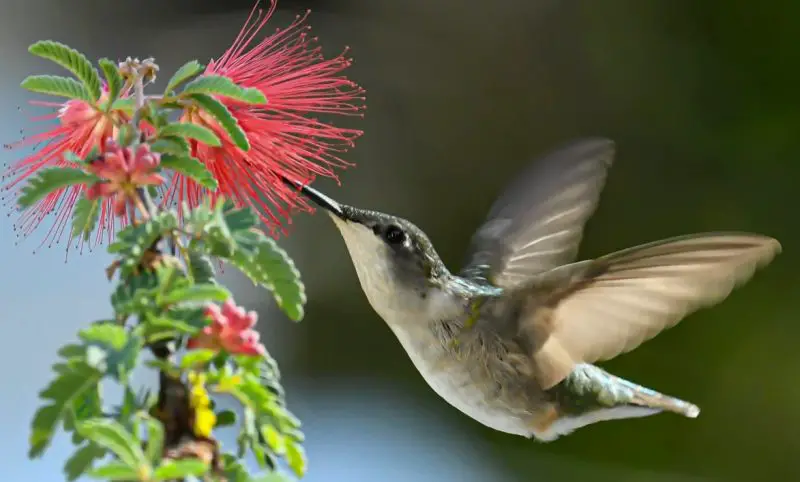
North Carolina is home to some of the most breathtaking and captivating birds on the planet, but few species capture attention, curiosity, and wonder quite like hummingbirds. These incredibly tiny birds move with lightning speed, hover like helicopters, flash beautiful iridescent colors, and seem almost magical as they dart from flower to flower. But behind their beauty lies a long list of surprising truths most North Carolina residents don’t know — from migration secrets and survival strategies to backyard behavior, feeding habits, seasonal appearances, and fascinating biology.
If you’ve ever seen a hummingbird zip past your porch, visited a feeder in the summer, or wondered where they go in winter, this guide is for you. The story of North Carolina hummingbirds is deeper, more emotional, more scientific, and far more surprising than most people realize. These little birds aren’t just colorful garden visitors. They are powerful migrants, fierce fighters, strategic survivors, and vital parts of the state’s natural ecosystem.
This detailed, reader-friendly guide explores the surprising truth about North Carolina hummingbirds, revealing how they live, where they travel, how they survive, and what homeowners should know to support them responsibly.
Table of Contents
- 1 North Carolina’s Hummingbirds Are Tiny — But They’re Among the Toughest Birds Alive
- 2 Only One Hummingbird Is Common in North Carolina — But Others Appear as Surprise Guests
- 3 Many North Carolina Residents Still Believe a Huge Myth About Hummingbirds
- 4 They Don’t Just Love Flowers — They’re Strategic Feeding Experts
- 5 They Don’t Just Hover — They Perform Aerodynamic Magic
- 6 Hummingbirds in North Carolina Aren’t Always Peaceful — They Can Be Fierce Fighters
- 7 Hummingbirds Remember Yards That Help Them — And They Return Every Year
- 8 North Carolina Hummingbirds Don’t Stay All Year — But the Timeline Is Fascinating
- 9 They Go Into a “Sleep Mode” at Night That Shockingly Resembles Hibernation
- 10 Their Hearts Beat Faster Than You Can Imagine
- 11 Flowers Aren’t Just Food — They’re Communication and Territory Signals
- 12 Feeders Are Helpful — But Only If Used Correctly
- 13 Hummingbirds Play an Important Role in North Carolina’s Ecosystem
- 14 They Have Personalities — Yes, Really
- 15 Frequently Asked Questions About North Carolina Hummingbirds
- 15.1 How many hummingbird species live in North Carolina?
- 15.2 When do hummingbirds arrive in North Carolina?
- 15.3 Do hummingbirds migrate?
- 15.4 Can hummingbirds survive winter in North Carolina?
- 15.5 Do hummingbirds only drink nectar?
- 15.6 Why do hummingbirds fight so much?
- 15.7 Do hummingbirds remember feeders?
- 16 Final Thoughts
North Carolina’s Hummingbirds Are Tiny — But They’re Among the Toughest Birds Alive
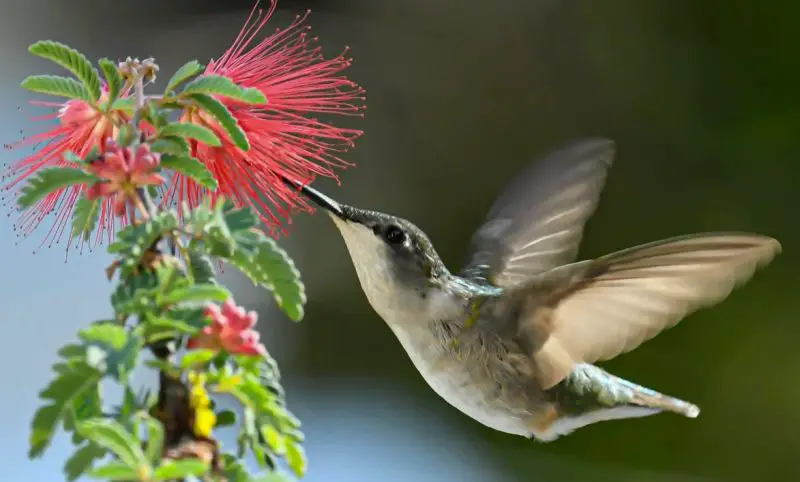
It’s easy to assume hummingbirds are fragile simply because they are small. Most weigh no more than a penny, and some are barely three inches long. Yet they are some of the toughest birds in nature.
Hummingbirds can:
-
Fly forward, backward, sideways, and hover completely still
-
Beat their wings 50 to 80 times per second
-
Fly hundreds or even thousands of miles during migration
-
Survive storms, predators, and extreme weather
-
Maintain body temperatures far hotter than most birds
They also have one of the fastest metabolisms in the entire animal kingdom, burning energy so quickly that they must eat almost constantly just to stay alive.
Small, yes. Weak? Not even close.
Only One Hummingbird Is Common in North Carolina — But Others Appear as Surprise Guests
Most people are shocked to learn that North Carolina does not host dozens of hummingbird species. In fact, only one species is commonly found statewide:
The Ruby-throated Hummingbird
This is the superstar hummingbird of North Carolina. Males have a glittering ruby-red throat that shines in sunlight, while females are green and white with no red throat patch. Ruby-throated hummingbirds are the primary species residents see in backyards, gardens, fields, forests, and nature areas.
However, North Carolina sometimes receives rare hummingbird visitors, especially in fall and winter. These may include:
-
Rufous Hummingbird
-
Black-chinned Hummingbird
-
Calliope Hummingbird
-
Broad-tailed Hummingbird
These rare guests usually appear after being blown off course during migration or taking unusual winter routes. When they show up, they become exciting finds for birdwatchers across the state.
Many North Carolina Residents Still Believe a Huge Myth About Hummingbirds
One of the biggest myths is that hummingbirds “ride on geese” during migration or hitch rides on larger birds. That is completely false.
Hummingbirds migrate on their own power, flying unbelievably long distances using only their tiny wings. Many Ruby-throated Hummingbirds even cross the Gulf of Mexico in one incredible nonstop flight, traveling up to 500 miles without landing.
No help. No ride. Just raw strength and determination.
They Don’t Just Love Flowers — They’re Strategic Feeding Experts
Most North Carolina residents know hummingbirds love nectar. But the truth is far more interesting. Nectar is not just something they enjoy — it is their fuel. Nectar gives them sugar energy to power their incredibly fast hearts, muscles, and wings.
But nectar isn’t their only food.
Hummingbirds also eat:
-
Small insects
-
Fruit flies
-
Spiders
-
Tiny gnats
Protein from insects is essential for muscle development, feather growth, and survival. Many people assume hummingbirds only visit feeders and flowers, but they are constantly hunting tiny insects in midair or plucking them from plants.
Their feeding strategies are anything but simple. They remember which flowers refill fastest, which feeders are safest, and which yards provide the best resources. Their memory is remarkably advanced for such a tiny bird.
They Don’t Just Hover — They Perform Aerodynamic Magic
No other bird flies quite like a hummingbird. While most birds flap downward, hummingbirds move their wings in a figure-eight motion, allowing true hovering and reverse flight. Their wings rotate almost like helicopter blades.
This extraordinary flight ability allows them to:
-
Stop instantly in midair
-
Back up from flowers
-
Make hair-pin turns
-
Accelerate like rockets
Watching one closely isn’t just adorable — it’s witnessing one of the most advanced natural flight designs on Earth.
Hummingbirds in North Carolina Aren’t Always Peaceful — They Can Be Fierce Fighters
With their delicate look, you might expect hummingbirds to be calm or friendly. Instead, they are incredibly territorial, especially males. If one believes a feeder or flower patch belongs to them, they will chase away rivals aggressively.
They use:
-
Speed dives
-
Rapid darting attacks
-
Angry buzzing
-
High-pitched warning calls
These little birds can spend hours defending their favorite feeding spot. When you see hummingbirds chasing each other around your yard, you’re not watching playtime — you’re watching competitive survival behavior.
Hummingbirds Remember Yards That Help Them — And They Return Every Year
If you consistently provide flowers, feeders, or safe habitat, hummingbirds are likely to remember and return to your yard year after year. Their navigation skills are astonishing. They remember exact feeding locations, even after migrating thousands of miles away.
Many North Carolina residents unknowingly develop long-term hummingbird “relationships” simply by supporting them consistently every season.
North Carolina Hummingbirds Don’t Stay All Year — But the Timeline Is Fascinating
Most Ruby-throated Hummingbirds arrive in North Carolina in early to mid-spring. They breed, raise young, and fill backyards through summer. By late summer and early fall, hummingbird activity peaks as birds feed heavily to prepare for migration.
Then, as fall deepens, most migrate south to Central America or Mexico.
However, rare hummingbirds may sometimes stay in North Carolina through winter, especially in warmer coastal regions. When this happens, wildlife enthusiasts celebrate — and responsible homeowners often help support these winter survivors.
They Go Into a “Sleep Mode” at Night That Shockingly Resembles Hibernation
Another surprising truth: hummingbirds sometimes enter torpor, a deep energy-saving state that lowers their body temperature and slows metabolism dramatically. This allows them to survive cold nights and limited food supplies.
During torpor:
-
They look lifeless
-
Heart rates drop dramatically
-
Energy consumption plummets
It’s like a miniature emergency hibernation system. This ability is one reason hummingbirds can survive climate swings and chilly North Carolina seasons.
Their Hearts Beat Faster Than You Can Imagine
A hummingbird’s heart is one of nature’s greatest engines. At rest it may beat around 250 beats per minute. During intense flight it can reach over 1,200 beats per minute. Their breathing rate skyrockets. Muscles push to near constant activity. They live life at lightning speed.
And yet they also display peaceful beauty as they pause briefly on branches or hover over flowers. Their entire existence runs at extremes — and somehow balances perfectly.
Flowers Aren’t Just Food — They’re Communication and Territory Signals
In North Carolina yards, the flowers you plant can directly shape hummingbird behavior. Bright red and orange tend to draw them most, but they also visit pink, purple, and other nectar-rich flowers. Hummingbirds have incredible vision and rely heavily on color to find resources.
Common hummingbird-attracting plants in North Carolina include:
-
Trumpet vine
-
Bee balm
-
Cardinal flower
-
Salvia
-
Coral honeysuckle
Planting these isn’t just decorating your yard — it’s supporting wildlife survival. However, it also shapes hummingbird territory and communication, because birds actively claim certain feeding zones.
Feeders Are Helpful — But Only If Used Correctly
Many North Carolina homeowners love putting out hummingbird feeders. Feeders can help birds, especially when flower resources are low. But feeders must be handled responsibly.
Correct hummingbird nectar recipe:
-
1 part white sugar
-
4 parts water
-
No dye, honey, or artificial sweeteners
Feeders should be cleaned often to prevent mold and bacteria, especially in hot weather. Dirty feeders may harm birds more than help them.
When done correctly, feeders offer safe supplemental energy and attract returning hummingbirds year after year.
Hummingbirds Play an Important Role in North Carolina’s Ecosystem
Hummingbirds are more than pretty backyard guests. They are powerful pollinators, helping flowers reproduce and ecosystems stay healthy. As they feed, they move pollen from flower to flower, supporting plant life and food webs connected to insects, animals, and even humans.
Without hummingbirds, parts of North Carolina’s natural landscape would change significantly.
They Have Personalities — Yes, Really
Spend enough time watching hummingbirds and you’ll notice something extraordinary: each has personality. Some are bold. Some shy. Some aggressive defenders. Some relaxed feeders.
They show curiosity.
They learn.
They react differently to people.
Hummingbirds aren’t robotic feeders — they’re individuals with distinct behavior and emotion.
Frequently Asked Questions About North Carolina Hummingbirds
How many hummingbird species live in North Carolina?
Ruby-throated Hummingbirds are the most common. Several western species occasionally appear as rare visitors.
When do hummingbirds arrive in North Carolina?
Most arrive in spring and stay through summer.
Do hummingbirds migrate?
Yes. Most leave North Carolina in fall and travel long distances to Central America and Mexico.
Can hummingbirds survive winter in North Carolina?
Rarely, but it happens. If one stays, providing clean feeders and safe habitat can help.
Do hummingbirds only drink nectar?
No. They also eat insects for protein.
Why do hummingbirds fight so much?
They are incredibly territorial and protect feeding areas.
Do hummingbirds remember feeders?
Yes. They remember locations and often return yearly.
Final Thoughts
The surprising truth about North Carolina hummingbirds is that they are far more than beautiful flashes of color in the garden. They are fierce survivors, long-distance travelers, emotionally engaging creatures, territorial defenders, scientific marvels, and deeply important ecological partners.
Watching one hover beside a flower isn’t just a peaceful moment — it’s witnessing an extraordinary life form performing one of nature’s greatest balancing acts. The more we learn about hummingbirds, the more respect and admiration they earn.
So the next time a hummingbird buzzes past your porch, pauses at a feeder, or zips into the sky at impossible speed, pause for a moment. You’re sharing space with one of North Carolina’s most incredible wildlife wonders — small in size, massive in heart, and endlessly surprising in every way.