
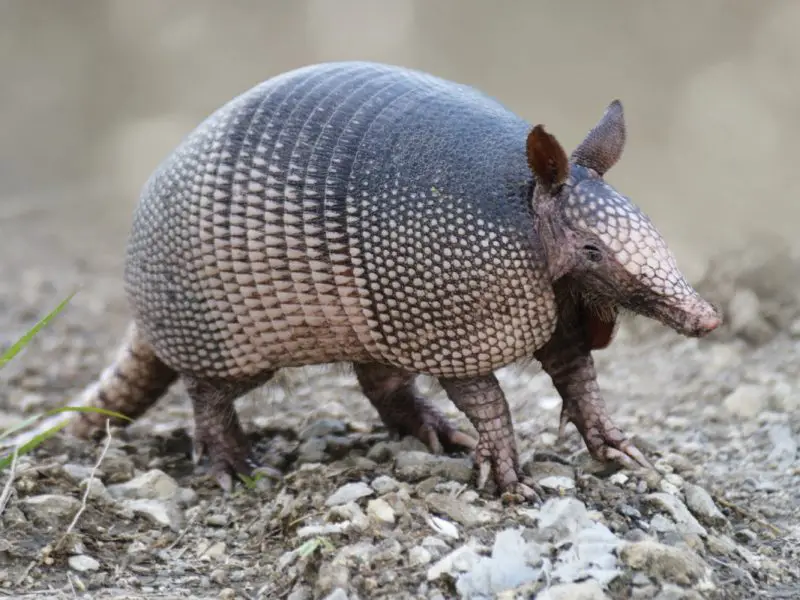
Florida is full of fascinating wildlife, but few animals spark as much curiosity, confusion, and surprise as the armadillo. For many residents and visitors, spotting one feels like encountering a small armored dinosaur wandering through the yard. With their protective shell, digging habits, and unusual appearance, armadillos stand out from any other animal found in the Sunshine State.
But beyond their strange looks, Florida armadillos have incredibly interesting traits many people don’t know about. They’re smarter than most assume, play surprising ecological roles, display unexpected behaviors, and have survival strategies that feel almost unreal. If you’ve ever seen one rooting in your lawn late at night, heard scratching under the soil, or caught one crossing the road slowly and calmly, there’s a lot more happening than meets the eye.
This deeply detailed guide explores amazing and little-known traits of Florida armadillos, revealing their biology, behavior, unique defenses, environmental role, myths, risks, and why they’ve adapted so successfully to Florida’s landscapes.
Table of Contents
- 1 Florida Armadillos Aren’t Originally From Here — But They’ve Thrived
- 2 Their Armor Isn’t Just For Show — It’s a True Natural Shield
- 3 Florida Armadillos Are Night Owls With a Busy Nightlife
- 4 They Dig Elaborate Burrow Systems Underground
- 5 Their Digging Habits Aren’t Random — They’re On a Mission
- 6 Their Sense of Smell Is Extraordinary
- 7 Florida Armadillos Are Surprisingly Quiet and Gentle
- 8 They’re Better Jumpers Than You Think
- 9 They Reproduce In an Astonishingly Unique Way
- 10 Florida Armadillos Can Carry Diseases — But The Risk Is Often Misunderstood
- 11 Armadillos Help Florida’s Environment More Than People Realize
- 12 They’re Surprisingly Tough — But Still Vulnerable
- 13 Armadillos Are Excellent Swimmers and Can Even “Float”
- 14 They Help Shape Florida’s Backyard Ecosystems
- 15 Frequently Asked Questions About Florida Armadillos
- 16 Final Thoughts
Florida Armadillos Aren’t Originally From Here — But They’ve Thrived

Many people believe armadillos are native to Florida, but they actually aren’t. These animals naturally evolved in South and Central America. Over time, they gradually expanded north, eventually reaching the southern United States.
Florida’s warm climate, plentiful insects, and diverse environments made it the perfect new home. Today, armadillos are widespread across the state, thriving in:
-
Suburbs and neighborhoods
-
Farmlands
-
Pine forests
-
Scrub habitats
-
Coastal regions
-
Parks and golf courses
Instead of struggling in new territory, armadillos adapted brilliantly. Their success story is one of nature’s most impressive examples of silent invasion — not aggressive or disruptive, but deeply effective.
Their Armor Isn’t Just For Show — It’s a True Natural Shield
The most obvious and iconic feature of the armadillo is its armor. Unlike fur or scales, their shell is made of bony plates covered in tough skin. This forms a natural shield called a “carapace,” protecting them from many predators.
While Hollywood cartoons often show armadillos rolling into perfect balls, only one species worldwide truly does that — and it’s not the Florida species. Florida is home mostly to the nine-banded armadillo, which can’t fully curl into a ball. Still, its armor provides enough protection to block bites and scratches, giving it a strong chance at survival.
Their armor is flexible enough to move but strong enough to act as a walking shield — a fascinating natural defense system millions of years in the making.
Florida Armadillos Are Night Owls With a Busy Nightlife
If you rarely see armadillos during the day, there’s a reason: they’re primarily nocturnal. Florida’s hot temperatures make daytime activity exhausting and dangerous, so armadillos are most active during the cooler nighttime hours.
Under the cover of darkness, they:
-
Hunt for insects
-
Dig for grubs
-
Search for worms, ants, and beetles
-
Explore new feeding grounds
On cooler days or cloudy weather, you may see them in daylight, but nighttime remains their preferred active window. So while most Floridians sleep, armadillos are busy shaping the land beneath their feet.
They Dig Elaborate Burrow Systems Underground
Armadillos don’t simply walk around and leave. They reshape the environment beneath homes, fields, and forests. Their burrows are engineering projects in their own way.
These burrows can:
-
Stretch several feet underground
-
Include multiple entrances
-
Provide temperature-controlled shelter
-
Protect them from predators
-
Serve as nesting and resting areas
Armadillo burrows also play unexpected roles in the ecosystem. After the animals leave, other wildlife — such as snakes, rabbits, and small mammals — often use abandoned burrows as safe shelter. Though homeowners sometimes find burrows frustrating, nature cleverly finds value in them.
Their Digging Habits Aren’t Random — They’re On a Mission
Florida armadillos don’t dig your yard just for fun. They’re incredibly focused feeders. Their main diet includes:
-
Insects
-
Larvae
-
Beetles
-
Termites
-
Grubs
-
Worms
Their digging behavior serves an important purpose: survival. Their long snouts and sensitive noses can detect prey underground, while their strong claws act like natural excavation tools. When they dig, they’re carefully searching for hidden protein-rich meals.
So while their digging may annoy homeowners, it’s part of one of nature’s most efficient pest control systems.
Their Sense of Smell Is Extraordinary
If you’ve ever wondered how armadillos locate insects buried deep underground, the answer lies in their incredibly powerful sense of smell. Their noses act almost like biological metal detectors — except instead of finding lost treasure, they find insects.
Even with relatively poor eyesight and average hearing, their olfactory sense more than compensates. They can detect food several inches beneath the ground, helping them thrive in Florida’s soil-rich environments.
Florida Armadillos Are Surprisingly Quiet and Gentle
Despite their intimidating armor, armadillos are not aggressive animals. They are typically shy, calm, and avoid confrontation whenever possible.
When startled, instead of attacking, they usually:
-
Freeze
-
Sprint away suddenly
-
Jump vertically (a surprising instinctive reaction)
-
Retreat to burrows
They do not seek fights with humans or pets. Most armadillos just want to dig, eat, and stay out of trouble. Their peaceful nature makes them some of Florida’s most misunderstood but harmless animals — when left alone.
They’re Better Jumpers Than You Think
Here’s a surprising and little-known fact: armadillos can jump straight up into the air when frightened — often up to two to three feet. This reflex developed as a defense against predators lunging from above.
Unfortunately, this reflex also contributes to road accidents. When startled by vehicles, rather than simply running away, they sometimes leap”¦ right into oncoming traffic — a behavior that explains many unfortunate roadkill encounters.
They Reproduce In an Astonishingly Unique Way
Armadillo reproduction is one of nature’s most fascinating biological wonders. Female nine-banded armadillos almost always give birth to identical quadruplets. That means four babies come from a single fertilized egg — all genetically identical.
This is rare in the animal kingdom and makes armadillos scientifically fascinating.
Young armadillos:
-
Are born with soft shells
-
Harden as they grow
-
Stay with their mother early in life
-
Quickly learn burrowing and feeding skills
Their unique reproduction strategy contributes to population stability and survival in Florida.
Florida Armadillos Can Carry Diseases — But The Risk Is Often Misunderstood
One of the most commonly discussed, but often misunderstood traits of Florida armadillos is their link to leprosy (Hansen’s disease). Yes, armadillos can carry the bacteria responsible for it. However, transmission to humans is extremely rare, and risk primarily exists when:
-
Armadillos are handled directly
-
People consume armadillo meat (in rare cultural contexts)
-
Bodily fluids are contacted
For the average Florida resident simply seeing armadillos in the yard, the risk is minimal. Still, it’s wise to avoid touching them and to keep pets from direct interaction. Respecting wildlife distance remains the best approach.
Armadillos Help Florida’s Environment More Than People Realize
Although sometimes labeled as pests, armadillos are actually ecological helpers. Their digging activities:
-
Aerate soil
-
Reduce insect overpopulation
-
Help nutrient cycling
-
Support plant health indirectly
Burrows create shelter opportunities for other wildlife, contributing to Florida’s biodiversity.
Nature rarely creates useless animals — and armadillos prove that even strange creatures hold meaningful environmental purpose.
They’re Surprisingly Tough — But Still Vulnerable
Their armor makes them look invincible, but armadillos still face danger, especially in Florida.
Threats they encounter include:
-
Vehicles
-
Habitat loss
-
Predators (like coyotes and dogs)
-
Harsh weather shifts
Still, their ability to adapt keeps them thriving across the state. They live quietly, rarely noticed unless they wander into lawns, reminding Floridians that deep wilderness still lives among growing development.
Armadillos Are Excellent Swimmers and Can Even “Float”
This is one of the most mind-blowing traits: armadillos can swim.
To cross water, they:
-
Inflate their intestines to float
-
Or walk underwater holding their breath
Yes, they literally inflate their bodies like small balloons to cross rivers or ponds when needed. This bizarre yet effective strategy allows them to explore environments many animals can’t easily travel through.
Florida’s wetlands, rivers, and marsh regions don’t stop them — they adapt creatively.
They Help Shape Florida’s Backyard Ecosystems
When armadillos show up in neighborhoods, they’re not just visitors — they’re part of an evolving backyard ecosystem. By digging, feeding, and moving soil, they quietly influence how plants grow, where insects thrive, and how other animals find shelter.
Many Florida residents unknowingly share space with an animal contributing to the balance of their environment.
Frequently Asked Questions About Florida Armadillos
Are armadillos dangerous?
Not typically. They are shy and avoid confrontation. Simply give them space.
Why are armadillos in my yard?
They are searching for insects and grubs in your soil.
Do armadillos attack pets?
Rarely. They prefer to escape. Pets are more at risk of confrontation than armadillos are.
Can they damage property?
Yes, digging can disrupt lawns, gardens, and foundations if burrows are close to structures.
Are armadillos protected in Florida?
They are not endangered but still part of protected wildlife laws. Handling or harming without cause is discouraged.
Do armadillos live in groups?
Mostly no. They are solitary animals.
Final Thoughts
Florida armadillos are far more than curious “armored animals” crossing yards at night. They are ancient survivors, master diggers, brilliant adaptors, gentle wanderers, and fascinating biological wonders. Their little-known traits reveal intelligence, resilience, ecological importance, and a strange beauty that makes them one of Florida’s most intriguing wildlife residents.
Next time you see one shuffling quietly across your lawn or digging under moonlight, pause for a moment. You’re watching a surprisingly complex creature living its quiet, determined life — a humble reminder of nature’s creativity and power.
Florida’s wildlife story would feel incomplete without the mysterious presence of the armadillo.