
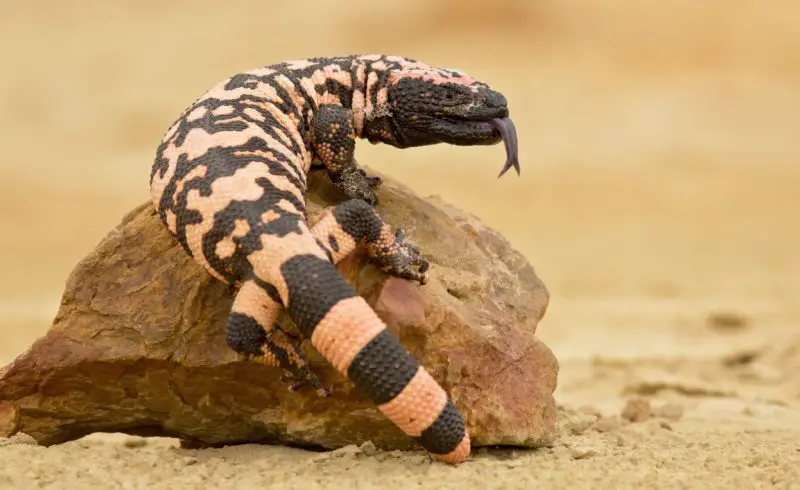
Nevada is known for blistering deserts, rugged mountains, rocky valleys, and a surprisingly rich variety of wildlife living quietly alongside human communities. People expect rattlesnakes, scorpions, coyotes, and desert lizards. But many Nevada residents are shocked to learn that one of the world’s only venomous lizards also lives here — the Gila monster.
It is rare. Many people will never see one in their entire lifetime, even if they live in Nevada for decades. But it is real, it lives in parts of the state, and it deserves both respect and awareness. Gila monsters are slow-moving, heavy-bodied, strikingly patterned, and incredibly tough desert survivors with venom powerful enough to cause severe pain, swelling, and serious medical concerns if they bite.
This detailed guide explains everything Nevada residents should know about Gila monsters. Where they live. Why they are rare. How dangerous they really are. How to identify them. What to do if bitten. How to avoid risky encounters. And why this venomous reptile is still an important and protected part of Nevada’s natural heritage.
Table of Contents
- 1 What Exactly Is a Gila Monster?
- 2 What Do Gila Monsters Look Like?
- 3 Where Do Gila Monsters Live in Nevada?
- 4 Why Are Gila Monsters Rare in Nevada?
- 5 Are Gila Monsters Aggressive?
- 6 How Dangerous Is a Gila Monster Bite?
- 7 What To Do If Bitten by a Gila Monster
- 8 Are Pets at Risk?
- 9 What Do Gila Monsters Eat?
- 10 When Are Gila Monsters Most Active in Nevada?
- 11 Where Nevada Residents Most Often Encounter Them
- 12 Are Gila Monsters Protected in Nevada?
- 13 Why Gila Monsters Matter to Nevada’s Ecosystem
- 14 Myths Nevada Residents Should Ignore
- 15 Do Gila Monsters Enter Nevada Neighborhoods?
- 16 How to Avoid Risky Encounters
- 17 Why Fear Makes Situations Worse
- 18 Why Many Nevada Residents Never Realize They Share the Desert With Venomous Lizards
- 19 The Reality Nevada Residents Should Accept
- 20 FAQs About Gila Monsters in Nevada
- 21 Final Thoughts
What Exactly Is a Gila Monster?
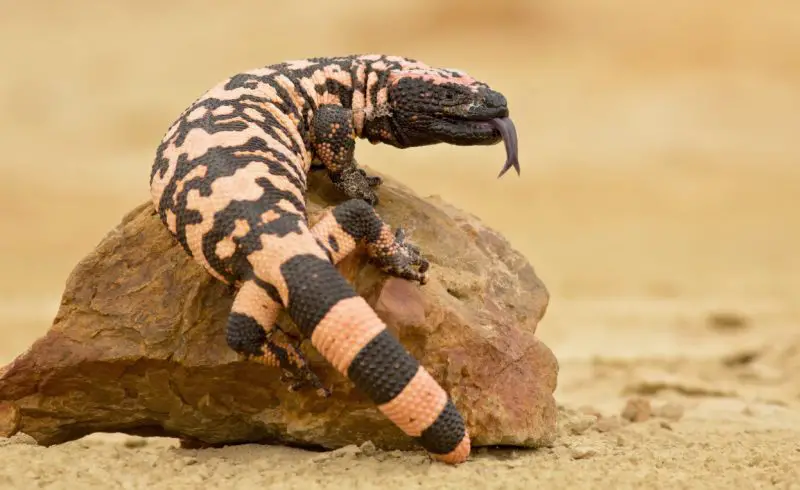
The Gila monster (Heloderma suspectum) is one of only two venomous lizard species in North America, the other being the Mexican beaded lizard. It is stocky, muscular, and powerfully built with a thick tail and distinctive bead-like scales.
Unlike snakes that inject venom through hollow fangs, Gila monsters deliver venom through specialized grooves in their teeth. When they bite, they hold on tightly and chew, allowing venom to flow into the wound. Their bite is not something anyone forgets.
These lizards are well adapted to the desert. Their thick bodies store fat. Their skin protects them from harsh conditions. Their behavior conserves energy and water. Every part of their design speaks to survival in some of the most unforgiving environments in the United States.
What Do Gila Monsters Look Like?
Correct identification matters because many harmless lizards share Nevada deserts. Gila monsters are very distinctive once you know their appearance. They typically have:
• black bodies with bright orange, yellow, or pinkish markings
• bead-like, bumpy skin texture
• broad head
• thick, heavy body
• short, powerful legs
• thick tail used for fat storage
They usually grow between 18 and 22 inches, though some reach slightly larger sizes. Their bright coloration acts as a warning. In nature, bright colors often signal danger — and predators learn to respect that signal.
Nothing else in Nevada quite looks like a Gila monster. Once you see one, you recognize it instantly.
Where Do Gila Monsters Live in Nevada?
Gila monsters live primarily in the southern parts of Nevada, especially in desert regions near rocky terrain, canyon systems, and areas with shrubs and creosote bush landscapes.
They prefer environments such as:
• rocky desert plains
• canyons and rocky slopes
• desert shrublands
• dry washes and arroyos
• areas near burrows
• habitats with plenty of hiding spots
They are often found near underground shelters. In fact, Gila monsters spend up to 90% of their lives below ground to escape extreme heat. That is one reason sightings are so rare. They simply do not wander around as often as people expect.
Southern Nevada communities, desert hiking areas, and rural desert lands are the most likely places for encounters, though even there, sightings remain uncommon.
Why Are Gila Monsters Rare in Nevada?
Their rarity comes from several factors.
First, their population numbers are naturally low compared to many reptiles. They reproduce slowly and live long lives, meaning they are never incredibly abundant.
Second, they spend most of their time underground. They only emerge for key activities such as feeding, basking, or breeding. Many Nevadans may live in Gila monster territory for years and never see one simply because the lizard prefers hiding over wandering.
Third, their habitat is limited. Only specific desert regions support them. Much of Nevada is too cold or unsuitable.
Finally, they face environmental threats. Urban development, road mortality, and illegal wildlife collection all affect populations. That is why they are protected by law.
Are Gila Monsters Aggressive?
No. This is one of the biggest misconceptions. Gila monsters are not aggressive animals. They do not go looking for trouble. They do not hunt people. They do not chase humans across the desert.
Their behavior is typically calm, slow, and deliberate. When threatened, they prefer to:
• hiss loudly
• open their mouth
• display their bright mouth lining
• sometimes puff up
• retreat if possible
They bite only when:
• cornered
• grabbed
• harassed
• stepped on
• intentionally provoked
Unfortunately, many bites occur because someone tried to pick one up. Curiosity, bravado, or attempts to handle wildlife almost always lead to negative outcomes. Leave them alone, and they almost always leave people alone.
How Dangerous Is a Gila Monster Bite?
Gila monsters are seriously venomous, and their bite is medically significant. It is not just a painful nibble. It is a powerful defensive weapon.
Their venom can cause:
• intense burning pain
• severe swelling
• bleeding
• nausea or vomiting
• weakness
• dizziness
• potential shock in severe reactions
The bite itself is crushingly strong. Once they latch on, they tend to hold tight, chewing venom into the tissue. People describe the pain as overwhelming, throbbing, and deep.
Fatalities are extremely rare, especially with modern medical care, but the bite is absolutely a medical emergency. No one should underestimate it.
What To Do If Bitten by a Gila Monster
Immediate action matters. If bitten:
Stay calm — panic speeds circulation and spreads venom faster.
Do not attempt to pry the lizard off. That can worsen injury.
Immobilize the affected area.
Seek emergency medical help immediately. Call emergency services or get to a hospital as fast as possible.
Do not:
• cut the wound
• attempt to suck venom
• use a tourniquet
• apply ice
• attempt “home remedies”
Medical professionals will treat pain, swelling, and complications properly. Quick action leads to better outcomes.
Are Pets at Risk?
Yes. Dogs in particular may approach a Gila monster out of curiosity. A dog that tries to bite or play with one may get severely injured. A bite to a pet can be dangerous, painful, and possibly life-threatening without veterinary care.
If a dog is bitten:
Seek veterinary care immediately.
Do not try to pry the lizard loose yourself.
Keep the pet calm and limit movement.
Keeping pets leashed in desert habitats dramatically reduces risk.
What Do Gila Monsters Eat?
Gila monsters are powerful predators, but they specialize in particular prey. They primarily eat:
• bird eggs
• reptile eggs
• hatchlings
• small mammals
• occasionally insects
Their strong jaws allow them to crack through eggs and restrain prey effectively. They do not hunt often because their slow metabolism allows them to store energy efficiently. A large meal can sustain them for weeks.
They are opportunistic, meaning they take advantage of whatever they find. They forage using a powerful sense of smell, flicking their tongue like snakes to track scent trails.
When Are Gila Monsters Most Active in Nevada?
Their activity depends heavily on temperature and season. They are typically most active during:
• spring
• early summer
• warm weather periods
They are often crepuscular, meaning they move more during early morning or late evening when temperatures are comfortable. In extreme desert heat, they retreat underground. In cooler seasons, activity drops significantly.
That combination of climate sensitivity and underground living contributes to why people almost never see them.
Where Nevada Residents Most Often Encounter Them
Even though they are rare, encounters do happen. People most often see Gila monsters:
• while hiking desert trails
• near rocky slopes
• around rural desert homes
• during springtime activity surges
• near burrows or rodent holes
• occasionally crossing desert roads
They sometimes appear after rain or during mild weather periods. They may bask in sunlight early in the day to warm their bodies. If you explore southern Nevada deserts regularly, spotting one becomes possible — but still unlikely.
Are Gila Monsters Protected in Nevada?
Yes. Gila monsters are protected by law in Nevada and in much of their range. It is illegal to:
• capture them
• collect them
• harm them
• kill them
• keep them as pets
Their protected status exists because populations are vulnerable. Slow reproduction, environmental threats, and human interference could devastate them quickly without legal safeguards.
Anyone who encounters a Gila monster should simply admire it from a safe distance and move on. Wildlife belongs in the wild.
Why Gila Monsters Matter to Nevada’s Ecosystem
Gila monsters play an important ecological role. They help control populations of rodents, reptiles, and egg-laying animals. They also serve as part of desert food chains. Healthy ecosystems depend on balance. Removing key predators disrupts that balance, leading to cascading effects across the environment.
They also represent something deeply meaningful — Nevada’s wild desert identity. They are ancient survivors, symbols of resilience, and living proof that even harsh landscapes support extraordinary life.
Myths Nevada Residents Should Ignore
Like many venomous animals, Gila monsters attract myths. Most are wrong and create unnecessary fear.
Myth: They chase people.
Truth: They do not chase humans. They defend if cornered.
Myth: Their venom is always deadly.
Truth: It is very painful and dangerous, but fatalities are extremely rare.
Myth: They jump or leap to attack.
Truth: They move slowly and deliberately.
Myth: They are everywhere in Nevada.
Truth: They exist only in limited southern desert regions.
Knowledge removes fear and replaces it with healthy respect.
Do Gila Monsters Enter Nevada Neighborhoods?
Occasionally, yes — especially neighborhoods that border desert habitats. Development often pushes into natural environments, meaning wildlife sometimes wanders close to homes. Residents may occasionally see one in:
• desert-edge subdivisions
• yards near untouched desert
• rural properties
• golf courses built near wilderness
Even then, sightings remain uncommon. Gila monsters prefer wild environments over human spaces.
How to Avoid Risky Encounters
Most people can enjoy Nevada’s desert safely with simple awareness. Here are practical numbered tips to stay safe:
-
Never attempt to pick up or handle a Gila monster.
-
Keep pets leashed in desert areas.
-
Watch carefully where you step when hiking.
-
Give the lizard plenty of space if you see one.
-
Teach children that these animals are dangerous and must never be touched.
Awareness prevents nearly every problem.
Why Fear Makes Situations Worse
People who panic often make bad decisions. Some try to kill Gila monsters out of fear. Others attempt to show off by handling them. Many bites happen because someone did something unnecessary.
Calm behavior, distance, and respect prevent injuries and protect wildlife. Gila monsters do not want to fight. They only defend when forced.
It is surprising but true — many people live near Gila monster territory and never know. These lizards remain hidden most of the time, living quietly underground. Life in Nevada is filled with wildlife that most people never see, and the Gila monster is one of the most secretive.
Just because they are rare does not mean they are not here. It simply means they prefer a quiet life.
The Reality Nevada Residents Should Accept
Gila monsters in Nevada are:
rare, but absolutely real
slow-moving, but dangerously venomous
calm, but powerful when threatened
deeply connected to the desert ecosystem
Living in Nevada means sharing land with some of the world’s toughest wildlife. That reality should inspire respect, not fear. With knowledge and awareness, people can explore desert landscapes safely while appreciating one of the West’s most fascinating creatures.
FAQs About Gila Monsters in Nevada
Are Gila monsters really in Nevada?
Yes, primarily in southern desert regions.
Are they aggressive?
No. They defend when threatened but do not chase people.
How dangerous is their bite?
Very painful and medically serious. Immediate medical care is necessary.
Where are they most commonly seen?
Desert terrain, rocky slopes, rural areas, and occasionally desert-edge neighborhoods.
Do pets need to worry?
Yes. Dogs may be bitten if they approach one. Veterinary care is essential.
Are they protected by law?
Yes. It is illegal to harm, capture, or keep Gila monsters in Nevada.
Are they important to nature?
Absolutely. They help balance desert ecosystems and represent unique desert wildlife.
Final Thoughts
The Gila monster in Nevada is one of those wildlife truths that surprises people. A venomous lizard living in American deserts sounds like something out of a nature documentary, but it is real, it is here, and it deserves respect.
Nevada residents do not need fear to stay safe. Awareness, caution, and appreciation go much further. Give them space. Protect pets. Teach children. Enjoy the desert responsibly.
The next time you explore Nevada’s desert and imagine what lives quietly beneath the rocks and sand, remember that one of the rarest and most powerful reptiles in North America may be nearby — hidden, calm, ancient, and living proof that Nevada’s wilderness is still fiercely alive.