
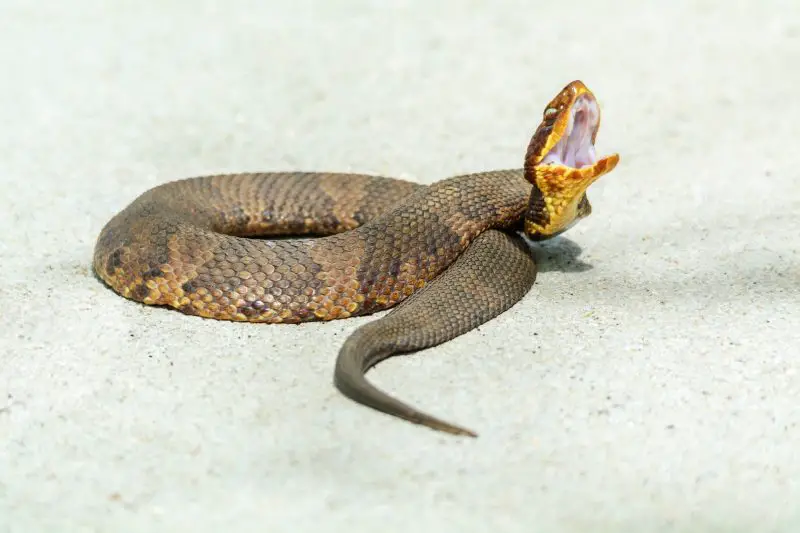
Snake encounter stories can spread rapidly, especially when they happen near water, on hiking trails, or close to home. Many people have heard dramatic claims that certain snakes actively chase humans, sometimes specifically mentioning water moccasins. These stories often circulate through social media, local folklore, or secondhand outdoor experiences. In Iowa, where rivers, wetlands, lakes, and agricultural waterways are common, the question occasionally arises: do water moccasins actually live here, and if they do, do they really chase people?
The short answer is reassuring. Water moccasins, also called cottonmouth snakes, are not native to Iowa. Reports of aggressive chasing behavior are almost always misidentifications involving harmless native water snakes. Understanding the difference helps reduce unnecessary fear while still encouraging respect for wildlife.
This article explains the science behind cottonmouth behavior, Iowa snake species, common misidentifications, human perception of snake encounters, and practical outdoor safety advice.
Table of Contents
- 1 First, Do Water Moccasins Even Live in Iowa?
- 2 Which Snakes in Iowa Are Commonly Confused With Cottonmouths?
- 3 Why People Think Snakes “Chase” Them
- 4 Actual Cottonmouth Behavior (Where They Exist)
- 5 Iowa Outdoor Environments and Snake Encounters
- 6 Are Snake Encounters Dangerous in Iowa?
- 7 Why Wildlife Misconceptions Persist
- 8 FAQs About Water Moccasins in Iowa
- 8.1 Do cottonmouths live in Iowa?
- 8.2 Have any been confirmed?
- 8.3 What snake is most mistaken for them?
- 8.4 Do snakes chase people?
- 8.5 Are Iowa snakes dangerous?
- 8.6 What venomous snake exists in Iowa?
- 8.7 Should I worry near water?
- 8.8 Do snakes enter homes?
- 8.9 How can I avoid encounters?
- 8.10 Is killing snakes recommended?
- 9 Conclusion
First, Do Water Moccasins Even Live in Iowa?
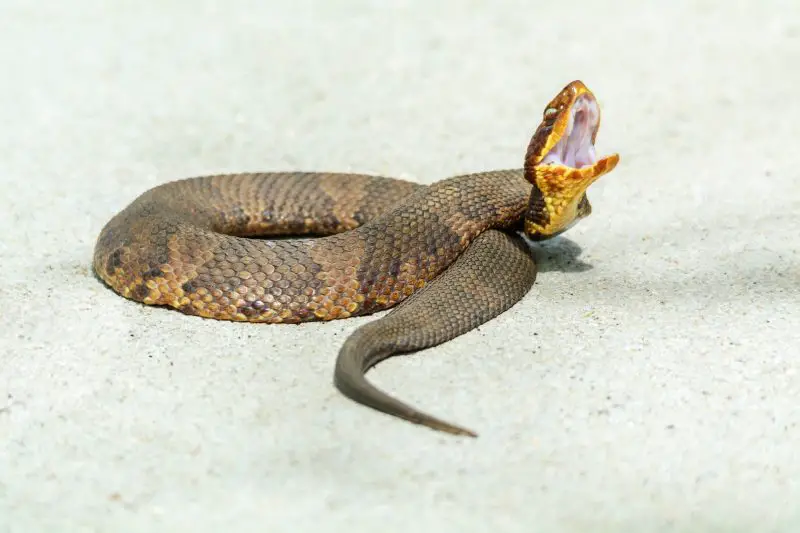
Geographic range of cottonmouth snakes
Water moccasins, commonly called cottonmouth snakes, are native primarily to the southeastern United States. Their natural habitat generally includes warm regions with abundant wetlands such as slow rivers, swamps, marshes, and lakes where prey like fish, amphibians, and small mammals are plentiful. These snakes thrive in climates with relatively mild winters because prolonged cold can limit their survival.
Iowa’s climate differs significantly from these southern environments. Winters are colder and longer, and while the state does have rivers and wetlands, the seasonal conditions are not ideal for sustaining stable cottonmouth populations. For this reason, wildlife experts do not recognize Iowa as part of the species’ natural range.
Occasional reports of cottonmouth sightings in Iowa usually stem from mistaken identification. Snakes encountered near water often appear darker when wet, and unfamiliar observers may assume they are seeing a more dangerous species than they actually are.
Why people think they see them
Misidentification is surprisingly common when it comes to snakes. Several harmless species found in Iowa resemble cottonmouths in size, coloration, or habitat preference. When people encounter a dark snake near water, fear can quickly shape perception.
Media stories, viral wildlife posts, and dramatic anecdotal experiences also influence expectations. If someone has heard repeatedly that aggressive water snakes exist, they may interpret any similar-looking snake as a cottonmouth. This expectation bias can turn a routine wildlife encounter into a memorable but inaccurate story.
Additionally, lighting conditions, distance, and movement all affect how people perceive animals outdoors. Shadows, reflections on water, or a quick glimpse can make identification difficult even for experienced observers.
Which Snakes in Iowa Are Commonly Confused With Cottonmouths?
Northern water snakes
The northern water snake is probably the species most frequently mistaken for a cottonmouth in Iowa. These snakes inhabit rivers, ponds, marshes, and lakes throughout the state. Their coloration varies considerably, sometimes appearing banded, mottled, or nearly solid dark brown or black.
When startled, northern water snakes may flatten their heads slightly, vibrate their tails, or move quickly toward water. These defensive behaviors can seem aggressive, especially to people unfamiliar with snake body language.
Despite appearances, they are non-venomous and generally avoid confrontation. Their primary diet consists of fish, frogs, and aquatic invertebrates, making them beneficial components of wetland ecosystems.
Plains garter snakes
Plains garter snakes are among the most common snakes in Iowa. Although typically smaller than cottonmouths, darker individuals found near water sources can sometimes cause confusion. They are adaptable and frequently encountered in gardens, grassy fields, wetlands, and suburban environments.
These snakes play a valuable ecological role by controlling insect populations, small rodents, and amphibians. They are harmless to humans and rarely bite unless handled directly.
Because they are so widespread, they are often the snake most likely to be encountered casually around homes and parks.
Western fox snakes
Western fox snakes are larger and more robust than garter snakes, which sometimes leads people to assume they are dangerous. Their coloration includes blotched patterns that can resemble certain venomous species at a quick glance.
When threatened, fox snakes may hiss loudly or vibrate their tails in dry leaves, producing a rattling sound. This defensive mimicry can startle observers into believing they are encountering a venomous snake.
However, they are non-venomous constrictors that primarily feed on rodents. Their presence actually benefits agricultural areas by reducing pest populations.
Why People Think Snakes “Chase” Them
Misinterpreting escape behavior
Snakes generally avoid confrontation whenever possible. When a human approaches, their instinct is to flee toward cover such as tall grass, rocks, or water. If a person unknowingly moves in the same direction the snake is trying to escape, it may appear as though the snake is following.
This is particularly common near water. A snake heading for shoreline safety may move toward the same path a person is using. Without understanding the snake’s goal, the encounter can feel like pursuit.
In reality, the snake is simply trying to survive.
Panic response amplifies perception
Fear strongly influences memory and perception. A sudden snake encounter can trigger a rapid stress response. Heart rate increases, attention narrows, and memory formation becomes emotionally charged.
When recalling the event later, people may unintentionally exaggerate movement speed or distance. What was actually a brief encounter may feel like a prolonged chase in hindsight.
This psychological factor explains why chase stories persist even when biological evidence suggests avoidance behavior.
Water encounters increase confusion
Snakes move efficiently in water. Their streamlined bodies allow them to glide quickly across the surface. Swimmers or hikers near rivers may see a snake moving rapidly in their direction simply because both are heading toward the same shoreline.
Water reflections, splashing sounds, and limited visibility add to the confusion. These environmental factors can make normal snake movement appear more dramatic than it actually is.
Understanding aquatic snake behavior helps clarify these encounters.
Actual Cottonmouth Behavior (Where They Exist)
Defensive rather than aggressive
In regions where cottonmouths are native, studies show they prefer avoidance over confrontation. When threatened, they often display defensive postures rather than attacking.
Common defensive behaviors include:
Opening their mouths to reveal a white interior
Coiling while remaining stationary
Attempting to escape into nearby water or vegetation
These displays are intended to deter predators, not initiate attacks.
Why they sometimes appear to stand their ground
Unlike some other snakes, cottonmouths occasionally rely on camouflage instead of immediate escape. Remaining still can reduce detection by predators. To a human observer, this lack of retreat may appear confrontational.
However, the snake is usually hoping to remain unnoticed rather than preparing to attack. Movement often resumes once the perceived threat passes.
Understanding this behavior helps reduce misinterpretation.
Iowa Outdoor Environments and Snake Encounters
Rivers and wetlands
Iowa’s rivers, lakes, and wetlands support diverse wildlife, including several harmless snake species. Recreational activities like fishing, kayaking, and hiking increase the likelihood of occasional encounters.
Most snakes quickly retreat once they detect human presence. Encounters are typically brief and non-threatening.
Maintaining awareness near water helps avoid surprise interactions.
Agricultural landscapes
Farmland offers abundant prey such as rodents and insects. Snakes help regulate these populations naturally. Barns, irrigation ditches, and field margins often serve as habitat corridors.
Farmers and rural residents may see snakes more frequently, but serious incidents remain rare.
These animals contribute positively to pest control.
Urban and suburban parks
Even developed areas provide small habitat patches. Parks, greenbelts, and retention ponds create environments where snakes can survive. Their presence reflects ecological health rather than danger.
Public education helps people understand this coexistence.
Are Snake Encounters Dangerous in Iowa?
Venomous species overview
Iowa has only one native venomous snake, the timber rattlesnake. It occurs primarily in specific regions, particularly along parts of the Mississippi River valley and certain southern habitats.
Encounters are uncommon, and rattlesnakes generally avoid human contact. They use warning rattles to signal discomfort before defensive action.
Most Iowa snakes pose no venomous threat.
Bite risk perspective
Snake bites in Iowa are relatively rare. Serious injuries are even less common. Maintaining distance, avoiding handling wildlife, and staying observant outdoors significantly reduce risk.
Knowledge of local species helps prevent unnecessary fear.
Respectful coexistence is usually sufficient.
Why Wildlife Misconceptions Persist
Storytelling traditions
Human storytelling often emphasizes drama. Outdoor encounters become memorable narratives, and details may gradually shift as stories are retold. This cultural pattern contributes to persistent myths about aggressive wildlife.
Over time, exaggerated elements overshadow factual behavior.
Media amplification
Modern social media accelerates this process. Eye-catching wildlife stories spread quickly, sometimes without scientific verification. Images or videos taken out of context can reinforce misconceptions.
Critical thinking helps distinguish anecdote from evidence.
Lack of species knowledge
Many people receive limited wildlife education. Without familiarity with local species, identification errors are common. Simple field guides, educational programs, and conservation outreach help improve understanding.
Better knowledge leads to calmer, safer interactions with wildlife.
FAQs About Water Moccasins in Iowa
Do cottonmouths live in Iowa?
No established populations exist.
Have any been confirmed?
Reliable confirmations are lacking.
What snake is most mistaken for them?
Northern water snakes.
Do snakes chase people?
Typically no.
Are Iowa snakes dangerous?
Most are harmless.
What venomous snake exists in Iowa?
Timber rattlesnake.
Should I worry near water?
Remain cautious but not fearful.
Do snakes enter homes?
Rarely, usually accidentally.
How can I avoid encounters?
Maintain yards and stay observant.
Is killing snakes recommended?
No, they benefit ecosystems.
Conclusion
Water moccasins do not inhabit Iowa naturally, and the idea that they chase people is largely a myth fueled by misidentification, fear, and storytelling traditions. Most snakes encountered near Iowa waterways are harmless species performing essential ecological roles.
Understanding snake behavior reduces unnecessary anxiety while encouraging safe coexistence. Awareness, education, and simple preventive practices allow people to enjoy Iowa’s outdoor environments confidently without undue fear of aggressive snakes.