
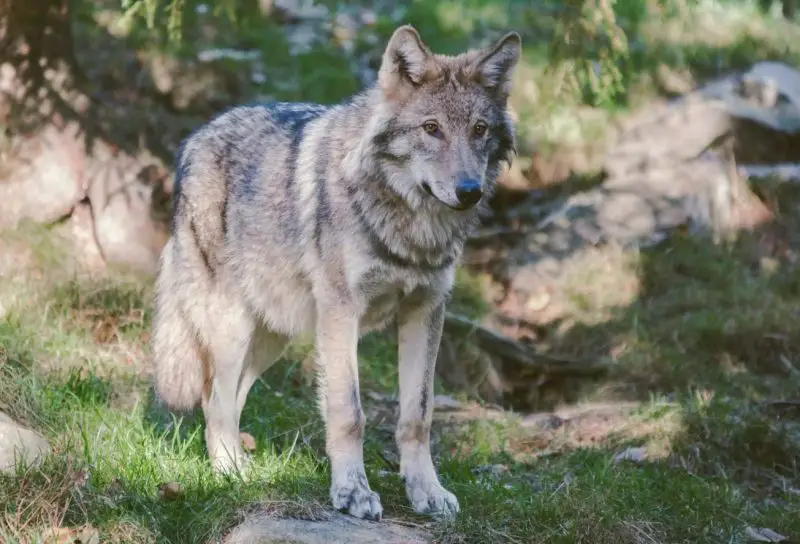
Gray wolves are once again spreading through Oregon’s mountains, forests, and high desert regions, reestablishing a presence lost for thousands of years. Their return has brought excitement, controversy, and no shortage of questions. Among the most persistent is one that surfaces whenever a large canid is spotted near rural homes or ranchland.
Are wolves in Oregon mating with domestic dogs?
The idea feels believable. Wolves and dogs look similar. They share ancestry. Rural dogs sometimes roam freely. Wolves occasionally pass near human settlements. When someone sees an animal that looks wolf-like but behaves oddly, hybridization becomes an easy explanation.
But wildlife biology rarely follows simple assumptions. To understand whether wolf–dog hybridization is occurring in Oregon, it is necessary to examine genetics, behavior, pack dynamics, and what long-term scientific monitoring actually shows.
Table of Contents
- 1 Wolves Have Only Recently Returned to Oregon
- 2 Domestic Dogs Share Ancestry With Wolves
- 3 Yes, Wolves and Dogs Can Interbreed
- 4 Hybridization in Oregon Is Extremely Rare
- 5 Strong Pack Structure Prevents Hybridization
- 6 Wolves Prefer Wolves
- 7 Breeding Timing Rarely Aligns
- 8 Dogs Avoid Wolves, and Wolves Avoid Dogs
- 9 Oregon’s Wolves Are Closely Monitored
- 10 Why People Think Hybridization Is Happening
- 11 Appearance Is an Unreliable Indicator
- 12 Trail Cameras Fuel Hybrid Myths
- 13 What Wildlife Agencies Say
- 14 Why Hybridization Is a Bigger Issue Elsewhere
- 15 Domestic Dogs Are a Separate Management Issue
- 16 Why Hybrid Myths Persist
- 17 What To Do If You See an Unusual Canid
- 18 Why Understanding This Matters
- 19 Wolves Remain Wild in Oregon
- 20 FAQs About Wolves and Domestic Dogs in Oregon
- 20.1 Can wolves in Oregon mate with domestic dogs
- 20.2 Does wolf–dog hybridization actually happen in Oregon
- 20.3 Why is hybridization rare in Oregon
- 20.4 Do wolves accept dogs as mates
- 20.5 Can breeding seasons line up between wolves and dogs
- 20.6 Are large dogs often mistaken for wolves or hybrids
- 20.7 Can trail camera photos confirm hybrids
- 20.8 Do Oregon wildlife agencies monitor hybridization
- 20.9 Are wolf–dog hybrids dangerous
- 20.10 What should I do if I see an unusual canid
- 21 Final Thoughts
Wolves Have Only Recently Returned to Oregon
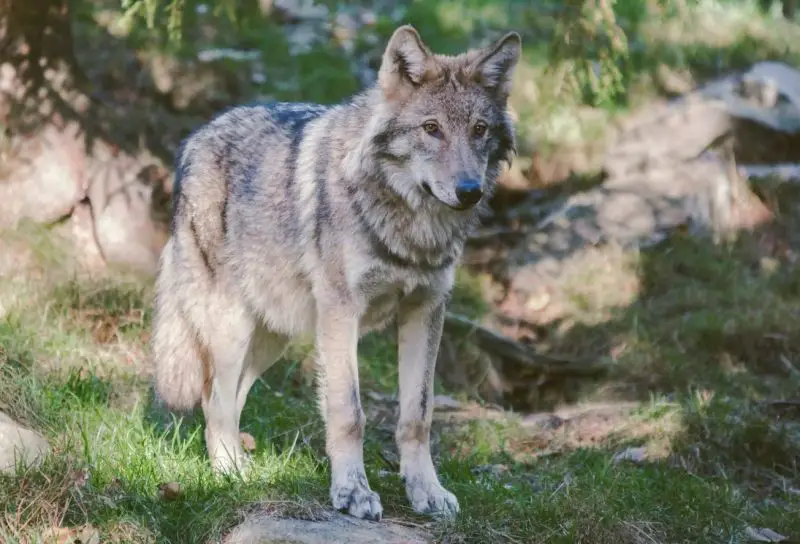
Gray wolves (Canis lupus) are native to Oregon, but they were eliminated from the state by the mid-1900s through hunting, poisoning, and habitat loss. For decades, wolves were absent from Oregon landscapes.
That changed in the late 2000s.
Wolves naturally dispersed westward from Idaho, crossing into northeastern Oregon. Since then, packs have slowly expanded into central and southern portions of the state. Their population remains relatively small and closely monitored.
Because wolves are still recolonizing, every sighting feels notable. In a landscape where wolves were absent for generations, unfamiliarity fuels speculation.
Domestic dogs (Canis lupus familiaris) are descendants of gray wolves. Genetically, dogs and wolves are extremely close. They belong to the same species complex and have compatible chromosome structures.
From a purely biological standpoint, wolf–dog interbreeding is possible.
This is different from myths involving foxes, bobcats, or other animals where genetics make hybridization impossible. In the case of wolves and dogs, the question is not whether it can happen.
The question is whether it does happen in the wild in Oregon.
Yes, Wolves and Dogs Can Interbreed
Wolf–dog hybrids do exist.
They have been documented historically and in limited modern contexts, usually involving captivity, intentional breeding, or unusual circumstances where wolves lack access to other wolves.
This biological reality is well established.
However, biological possibility does not mean biological likelihood.
Hybridization in Oregon Is Extremely Rare
In Oregon, wolf–dog hybridization is considered extremely rare to nearly nonexistent in wild populations.
Oregon’s wolves are intensively monitored. Wildlife agencies use GPS collars, genetic sampling, track analysis, camera data, and field observation to track packs and individuals. DNA samples are regularly collected from scat, hair, and deceased animals.
These analyses consistently show Oregon’s wolves to be genetically wolf, not dog–wolf hybrids.
If hybridization were occurring at any meaningful level, genetic testing would reveal it.
It has not.
Strong Pack Structure Prevents Hybridization
Wolves are not solitary animals.
They live in tightly structured family units called packs. Each pack is typically led by a dominant breeding pair. Only these two individuals usually reproduce. Courtship, mating, and pup rearing are coordinated and socially regulated.
Domestic dogs do not fit into this system.
A lone dog entering wolf territory is not treated as a potential mate. It is treated as an intruder.
In most cases, wolves chase away or kill dogs that wander into their territory, especially during breeding season.
Wolves Prefer Wolves
From an evolutionary standpoint, wolves gain no advantage from mating with dogs.
Wolf–wolf pairings produce offspring well adapted for hunting large prey, defending territory, and surviving harsh conditions. Wolf–dog hybrids often lack the behavioral consistency needed to integrate into wolf packs.
Natural selection favors wolves that mate with other wolves.
In Oregon, wolves are not mate-limited. As the population grows, dispersing wolves can usually find suitable partners of their own species.
Breeding Timing Rarely Aligns
Wolves and dogs do not breed on the same schedule.
Wolves have a narrow breeding window, usually from February to early March. Female wolves come into estrus once per year for a short period.
Domestic dogs can breed at different times of year, depending on breed and individual cycles. This timing mismatch further reduces opportunities for mating.
Even small differences in reproductive timing matter.
Dogs Avoid Wolves, and Wolves Avoid Dogs
Behaviorally, wolves and dogs are poorly matched.
Wolves communicate through complex vocalizations, scent marking, and body language specific to their species. Dogs, shaped by domestication, respond differently to social cues.
In most documented encounters, dogs either flee wolves or are attacked. Prolonged peaceful interaction, which would be required for mating, is extremely unlikely.
Oregon’s Wolves Are Closely Monitored
Oregon is one of the most closely monitored wolf states in the country.
Because the population is small and politically sensitive, wildlife agencies track individual wolves with precision. Each pack is known. Breeding pairs are identified. Pup survival is recorded.
Hybridization would not go unnoticed.
To date, no confirmed wolf–dog hybrids have been identified in Oregon’s wild wolf population.
Why People Think Hybridization Is Happening
Despite the evidence, many people believe wolf–dog hybrids are common.
Several factors contribute to this perception.
Large dogs are often mistaken for wolves. Northern breed dogs such as huskies, malamutes, and German shepherds resemble wolves closely, especially at a distance.
Coyotes add further confusion. Large coyotes can appear wolf-like, particularly in winter coats. Juvenile wolves can appear coyote-sized.
Expectation fills in the gaps.
Appearance Is an Unreliable Indicator
Size, color, and behavior are poor indicators of ancestry.
Wolves vary widely in size and coloration. Some are gray. Some are black. Some are light tan. Body size fluctuates with age, sex, and nutrition.
Dogs also vary enormously.
A visual sighting alone cannot determine whether an animal is a wolf, a dog, or anything else.
Trail Cameras Fuel Hybrid Myths
Trail cameras contribute heavily to misidentification.
Wide-angle lenses distort proportions. Night mode exaggerates eye shine and body length. Lack of scale makes size estimation unreliable.
An animal captured at the wrong angle can appear “in between” species.
Images without context encourage speculation.
What Wildlife Agencies Say
Oregon wildlife officials are clear on this topic.
Wolf–dog hybridization is biologically possible but not occurring at a level that affects Oregon’s wolf population. There is no evidence of widespread or ongoing hybridization in the wild.
Management decisions are based on wolf ecology, prey availability, livestock conflict, and habitat, not hybrid concerns.
Why Hybridization Is a Bigger Issue Elsewhere
Much confusion comes from comparisons to other regions.
In parts of the eastern United States, historical wolf–dog and wolf–coyote hybridization occurred when wolf populations were extremely low and social structures were disrupted.
Oregon’s situation is different.
Wolves here recolonized naturally, formed intact packs, and retained normal social behavior. This dramatically reduces hybridization risk.
Domestic Dogs Are a Separate Management Issue
While wolves rarely mate with dogs, dogs still influence wolf management in other ways.
Free-roaming dogs can attract wolves to human areas. Dogs can be injured or killed if they wander into wolf territory. These conflicts sometimes fuel hybrid rumors.
But conflict does not equal reproduction.
Why Hybrid Myths Persist
Hybrid stories persist because they offer simple explanations for complex sightings.
They add danger and mystery. They spread easily online. Corrections are quieter and less memorable.
Emotion travels faster than evidence.
What To Do If You See an Unusual Canid
If you encounter an animal that looks unusual, avoid assumptions.
Note location, size, behavior, and context. Photographs help, but scale matters. Report sightings to wildlife officials if appropriate and allow experts to evaluate.
Avoid approaching or attempting to interact with wild canids.
Why Understanding This Matters
Belief in widespread wolf–dog hybridization can influence public opinion and policy.
It can reduce tolerance for wolves, increase fear, and distract from real management issues such as habitat connectivity and coexistence with livestock.
Accurate understanding supports informed decision-making.
Wolves Remain Wild in Oregon
Oregon’s wolves are not becoming something else.
They remain genetically, behaviorally, and ecologically wolves. Their recovery reflects natural dispersal, protection, and suitable habitat, not hybridization.
FAQs About Wolves and Domestic Dogs in Oregon
Can wolves in Oregon mate with domestic dogs
Yes, it is biologically possible because wolves and dogs are closely related.
Does wolf–dog hybridization actually happen in Oregon
No confirmed cases have been documented in Oregon’s wild wolf population.
Why is hybridization rare in Oregon
Strong wolf pack structure, territorial behavior, and mate availability prevent most crossbreeding.
Do wolves accept dogs as mates
No. Wolves usually treat dogs as intruders or competitors, not potential partners.
Can breeding seasons line up between wolves and dogs
Rarely. Wolves have a very short, once-a-year breeding window that often does not align with dogs.
Are large dogs often mistaken for wolves or hybrids
Yes. Husky- and shepherd-type dogs are commonly misidentified, especially at a distance.
Can trail camera photos confirm hybrids
No. Camera distortion and lack of scale make visual identification unreliable.
Do Oregon wildlife agencies monitor hybridization
Yes. Wolves are genetically monitored, and no widespread hybridization has been found.
Are wolf–dog hybrids dangerous
There is no evidence that hybrids, where they exist elsewhere, are inherently more dangerous.
What should I do if I see an unusual canid
Observe from a distance, note location and behavior, and report sightings to wildlife officials if needed.
Final Thoughts
So, are wolves in Oregon mating with domestic dogs?
While it is biologically possible, it is not happening at any meaningful level in the wild. Strong pack structure, territorial behavior, breeding timing, and close monitoring all keep hybridization extremely rare.
What people are seeing across Oregon are wolves being wolves and dogs being dogs.
Understanding that distinction replaces myth with clarity and allows conversations about wolves to be grounded in science rather than speculation.