
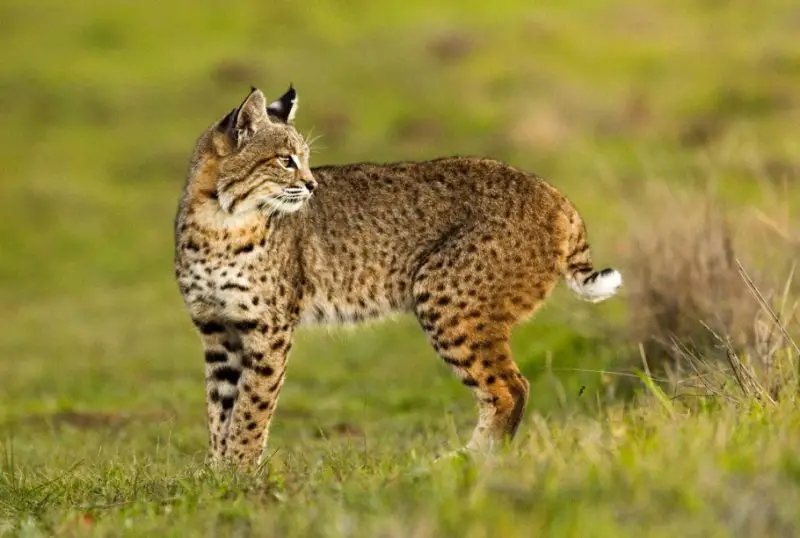
In California, bobcats move quietly through landscapes that many residents assume belong only to people. From coastal neighborhoods to foothill communities and even the edges of major cities, these elusive predators are far more present than most homeowners realize. A fleeting glimpse at dusk or a set of tracks in soft soil might be the only evidence they leave behind. Yet behind that brief moment is an animal that has likely been moving through the area for far longer than anyone noticed.
What makes bobcats especially fascinating in California is their ability to adapt to fragmented habitats. As development expands, they do not simply retreat into remote wilderness. Instead, they adjust their movement patterns, using greenbelts, creek corridors, and wooded patches as pathways between larger habitats. To a homeowner, a backyard may feel private and contained, but to a bobcat, it can be part of a much larger, invisible network.
Most California residents don’t realize that these animals are not wandering randomly into neighborhoods. They are following established routes, responding to prey availability, and making calculated decisions about where to move. Once you begin to understand how they use the landscape, their presence becomes less mysterious and more predictable.
Table of Contents
- 1 Bobcats Are More Common Than You Think
- 2 Your Backyard May Be Part of Their Territory
- 3 They Are Highly Skilled and Efficient Hunters
- 4 Why You Rarely See Them
- 5 Misconceptions About Danger
- 6 Signs a Bobcat May Be Nearby
- 7 California’s Landscape Supports Their Adaptability
- 8 Living Alongside Bobcats
- 9 FAQs About Bobcats in California
- 10 Final Thoughts
Bobcats Are More Common Than You Think
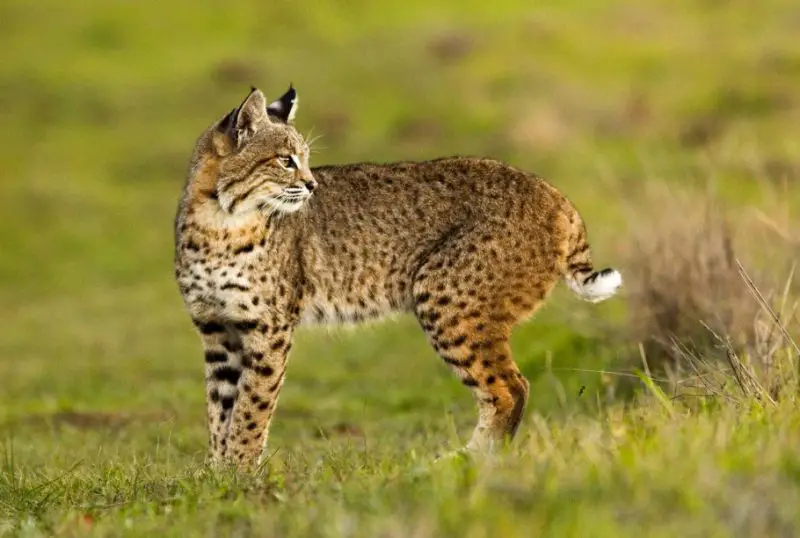
Bobcats in California exist in far greater numbers than most residents ever realize, largely because they are exceptionally skilled at remaining unseen. Their activity peaks during dawn, dusk, and nighttime hours, which allows them to move through both natural and residential areas without drawing attention. This timing reduces direct encounters with humans while still giving them access to large hunting ranges. As a result, entire neighborhoods may have regular bobcat activity without a single confirmed sighting.
Even in suburban environments, bobcats can maintain stable routines if certain conditions are present. Access to prey such as rabbits and rodents, along with patches of vegetation or natural cover, creates an ideal setting for them to survive. In California, these conditions often exist in unexpected places, including quiet residential areas near greenbelts or undeveloped land. This creates a hidden overlap where wildlife and human life exist side by side without obvious interaction.
Most evidence of bobcats comes from indirect signs rather than direct encounters. Tracks, scattered remains of prey, or footage from motion cameras often reveal their presence long before people ever see them. These subtle indicators show that bobcats are not occasional visitors but consistent residents of many areas. The perception of rarity comes not from their absence, but from how effectively they avoid being noticed.
Your Backyard May Be Part of Their Territory
To a bobcat, territory is defined by access to food, shelter, and safe movement rather than human boundaries. In California, a single bobcat’s range can extend across several miles, blending natural spaces with residential zones. This means that a backyard is not a separate space but part of a larger network the animal moves through regularly. What feels like a private area to a homeowner is simply one piece of a broader landscape to a bobcat.
These movement routes are not random but carefully shaped by experience and efficiency. Bobcats often follow consistent paths that provide cover, such as fence lines, hedges, or the edges of buildings. These features allow them to travel while staying concealed from both prey and potential threats. Over time, these routes become habitual, forming predictable patterns that repeat night after night.
For residents, this can be difficult to recognize because the animal is rarely seen using these paths. The lack of visible activity creates the illusion that wildlife is distant or absent. In reality, bobcats may pass through the same yard frequently, simply doing so quietly and at times when no one is watching. This quiet coexistence is a natural result of shared environments.
They Are Highly Skilled and Efficient Hunters
Bobcats are predators built for precision, relying on stealth and timing rather than long pursuits. They often spend extended periods observing prey before making a move, ensuring that their energy is used effectively. This patience allows them to succeed even in environments where food is not always abundant. Every movement is calculated, reducing unnecessary effort.
Their camouflage plays a crucial role in this hunting strategy. The spotted pattern of their fur blends seamlessly into California’s varied landscapes, from dry grasses to dense shrubs. This natural concealment allows them to approach prey without being detected. By the time they strike, the distance is already minimal.
Their diet is highly adaptable, including rabbits, rodents, birds, and occasionally reptiles. In residential areas, animals attracted to gardens or feeders can become part of this food chain. This connection often explains why bobcats appear near homes, as they are following prey rather than seeking human interaction. Their behavior is driven by opportunity, not curiosity.
What makes them especially effective is their selectiveness. Bobcats do not chase every potential target but choose moments carefully, maximizing success while conserving energy. This strategy allows them to thrive in both natural and developed environments without overextending themselves.
Why You Rarely See Them
Despite their presence, bobcats are rarely seen because they are designed to remain undetected. They move quietly, avoid open spaces, and rely heavily on cover when navigating their surroundings. Even when passing through residential areas, they often do so under low light conditions or at night. This combination of behavior and timing keeps them hidden.
Their solitary nature further reduces visibility. Unlike animals that travel in groups, bobcats operate alone, creating minimal disturbance. A single animal can move through an area without leaving obvious signs or drawing attention. This makes their presence easy to overlook, even when they are nearby.
When sightings do occur, they are often brief and unexpected. A bobcat may appear for only a few seconds before disappearing into vegetation. These fleeting moments can feel unusual because they break the pattern of invisibility. In reality, the animal may have been present long before that moment and will likely return again.
Misconceptions About Danger
Bobcats are often perceived as dangerous, but their behavior toward humans is generally cautious and avoidant. They prefer to stay hidden and will retreat quickly if they detect human presence. Most encounters end without any form of confrontation, as their primary instinct is to avoid risk.
Concerns about pets are more nuanced but often overstated. Small animals may be vulnerable under certain conditions, particularly if left unattended at night. However, such incidents are uncommon and usually linked to areas where natural prey is limited. Simple precautions can greatly reduce any potential risk.
The misunderstanding comes from how people interpret their role as predators. Bobcats are not entering neighborhoods to cause harm but are responding to available food sources and movement pathways. Recognizing this helps shift the perspective from fear to understanding, making coexistence more manageable.
Signs a Bobcat May Be Nearby
Even without direct sightings, bobcat presence can often be detected through subtle clues. Tracks are one of the most reliable indicators, typically round and lacking visible claw marks. These prints may appear in soft soil, sand, or mud after rain, providing clear evidence of movement.
Scat is another sign, often containing fur or bone fragments from prey. It is usually found along trails or near hunting areas, offering insight into feeding habits. While it may not always be easy to identify, it becomes more recognizable with familiarity.
Changes in local wildlife behavior can also indicate a predator’s presence. A sudden decrease in small animals or increased alertness among birds may signal that a bobcat is nearby. These subtle shifts are part of a larger ecological pattern that often goes unnoticed.
California’s Landscape Supports Their Adaptability
California’s diverse terrain allows bobcats to adapt to a wide range of environments. From coastal areas to mountain regions and suburban edges, they are able to adjust their behavior to suit changing conditions. This flexibility is a key reason for their continued success.
Urban development has created a patchwork of habitats connected by corridors such as parks and undeveloped land. Bobcats use these pathways to move between areas, maintaining access to food and shelter. This movement is essential for sustaining their populations.
The relatively mild climate also supports year-round activity. Without the need for seasonal dormancy, bobcats remain active and consistent in their behavior. This stability allows them to establish long-term territories and reliable hunting patterns.
Living Alongside Bobcats
Coexisting with bobcats does not require drastic changes, but awareness is important. Keeping yards clean and reducing attractants can help minimize encounters. Managing food sources that draw prey animals is often the most effective step.
Structural features such as lighting and fencing can influence how animals move through an area. While not guaranteed solutions, they can make certain spaces less appealing. Consistent practices are more effective than occasional adjustments.
Education remains the most valuable tool. Understanding how bobcats behave and why they appear allows residents to respond calmly and appropriately. When knowledge replaces uncertainty, coexistence becomes much easier and far less stressful.
FAQs About Bobcats in California
Are bobcats common in California?
Yes, bobcats are widespread throughout California. They can be found in many different environments, including areas near human development. Their ability to remain hidden makes them seem less common than they are. In reality, they are well established across the state.
Do bobcats attack humans?
Attacks on humans are extremely rare. Bobcats generally avoid people and prefer to stay hidden. Most encounters involve the animal retreating quickly. There is little cause for concern in normal situations.
Are pets at risk?
Small pets may be at some risk if left unattended outdoors. However, incidents are uncommon and often linked to specific conditions. Supervising pets and keeping them indoors at night can reduce risk. Awareness is the best prevention.
How can I tell if a bobcat is nearby?
Look for tracks, scat, and changes in wildlife behavior. These signs can indicate predator activity. Even without direct sightings, they provide useful information. Learning to recognize them improves understanding.
What do bobcats eat?
Their diet includes rabbits, rodents, birds, and other small animals. They adapt based on available prey. This flexibility allows them to thrive in different environments. Their role as predators helps maintain balance.
Can bobcats live in cities?
Bobcats can live near urban areas if suitable habitat is available. They use corridors to move through developed landscapes. While less common in dense city centers, they can appear on the outskirts. Their adaptability makes this possible.
Are bobcats aggressive?
Bobcats are not aggressive toward humans under normal conditions. Their behavior is cautious and avoidance-based. They rely on stealth rather than confrontation. Understanding this reduces unnecessary fear.
What should I do if I see a bobcat?
Stay calm and give it space. Avoid approaching or attempting to interact. In most cases, the bobcat will move away. Observing from a distance is the safest option.
Final Thoughts
Bobcats in California are a quiet but important part of the state’s ecosystems. Their presence near homes is not an intrusion but a reflection of how wildlife adapts to shared landscapes. They move through neighborhoods with purpose, rarely seen but consistently present.
For residents, this offers an opportunity to better understand the natural world just beyond their doors. Instead of viewing bobcats as threats, they can be seen as indicators of a healthy environment. Their role as predators supports balance and diversity.
By learning to recognize their signs and respect their behavior, coexistence becomes not only possible but meaningful. The next time you step outside, consider that your surroundings may be part of a much larger system. One where even the most elusive animals play a vital role in shaping the world around you.