
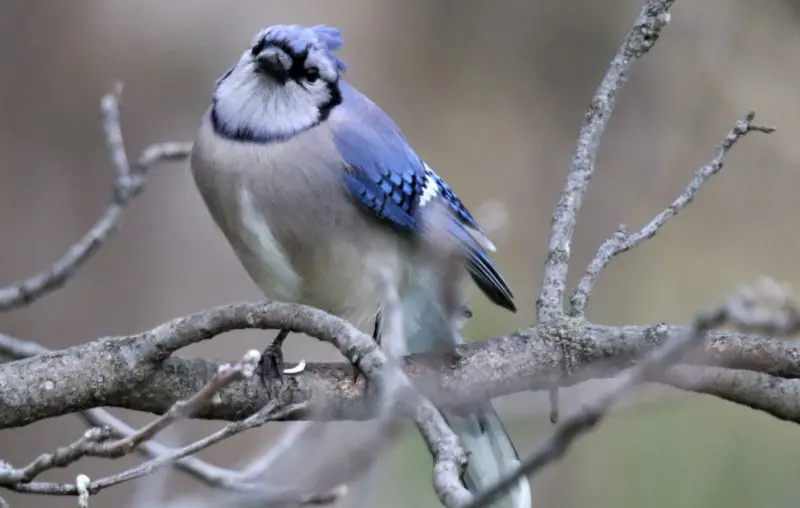
Across Minnesota, blue jays are among the most noticeable birds in residential areas, yet their behavior is often misunderstood or overlooked. Their bright blue plumage flashes between trees, and their sharp, echoing calls cut through the quiet of early mornings and late afternoons. Many residents see them as bold, noisy birds that dominate feeders and chase away smaller species. But what most people don’t realize is that blue jays are constantly observing, learning, and responding to everything happening around your home.
In Minnesota’s mix of forests, lakes, and suburban neighborhoods, blue jays have adapted into highly aware, intelligent watchers of their environment. When one sits on a branch or fence post and appears to be staring, it is not just resting. It is analyzing movement, identifying patterns, and deciding whether something is a threat or an opportunity. This level of awareness is what gives many people the uncanny feeling that these birds are actually “watching” their homes.
What most Minnesota residents don’t realize is that blue jays are not passive backyard birds. They are active participants in a dynamic system of communication, memory, and survival. Once you begin to notice their behavior more closely, their presence shifts from background noise to something much more deliberate and fascinating.
Table of Contents
- 1 Blue Jays Are Always Observing Their Surroundings
- 2 They Learn Human Routines Faster Than You Expect
- 3 Their Loud Calls Are a Complex Language
- 4 They Are Part of a Neighborhood-Wide Network
- 5 Why Your Home Becomes Part of Their Territory
- 6 Their Memory Is Stronger Than You Think
- 7 Why They Sometimes Seem Aggressive
- 8 Seasonal Behavior Changes in Minnesota
- 9 Misconceptions About Blue Jays
- 10 Their Role in Minnesota’s Ecosystem
- 11 Living Alongside Blue Jays
- 12 FAQs About Blue Jays in Minnesota
- 13 Final Thoughts
Blue Jays Are Always Observing Their Surroundings
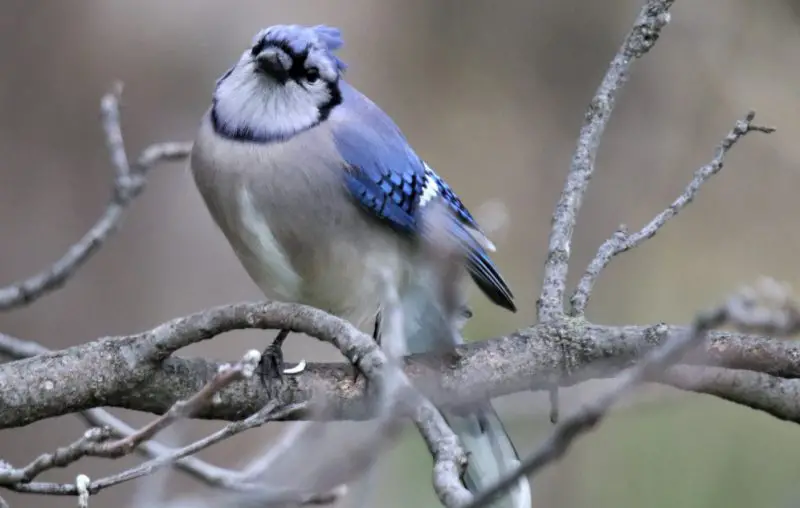
Blue jays are among the most alert birds in Minnesota, and this vigilance is essential to their survival. Living in environments where predators like hawks, owls, and even domestic cats are present, they rely heavily on constant observation. Their sharp eyesight allows them to detect movement from a distance, even when perched high in a tree.
When a blue jay appears to be sitting still, it is actually processing a large amount of information. It watches for food sources, monitors other birds, and scans for potential danger. Every small change in the environment is evaluated. This behavior creates the impression that the bird is focused on you specifically, when in reality, you are just one part of a much larger picture.
In Minnesota neighborhoods, this observational behavior becomes even more pronounced. With human activity, vehicles, pets, and changing landscapes, blue jays must interpret a wide range of stimuli. Their ability to remain aware in such environments is a key reason they thrive.
They Learn Human Routines Faster Than You Expect
One of the most surprising things about blue jays is how quickly they learn patterns, especially those involving humans. In Minnesota homes, this often revolves around bird feeders, garbage schedules, and even daily routines. If you refill a feeder at a certain time, blue jays will notice and begin to anticipate it.
Over time, they may arrive before the food is even placed out. This is not coincidence but learned behavior. They associate specific actions, like opening a door or stepping into the yard, with food availability. This ability to form connections between events shows a high level of intelligence.
They also learn which situations are safe and which are not. A yard with predictable, non-threatening activity becomes part of their regular route. On the other hand, sudden changes or unfamiliar movement can cause them to become cautious or avoid the area altogether.
Their Loud Calls Are a Complex Language
To many Minnesota residents, blue jay calls can feel overwhelming or even annoying. However, these sounds are not random. They are part of a sophisticated communication system used to share information across distances.
Blue jays have different calls for different situations. Some are used to warn of predators, while others help maintain contact with other jays. When a hawk appears, for example, a blue jay may emit a sharp alarm call that alerts not only other jays but also different bird species nearby. This creates a ripple effect of awareness throughout the area.
They are also skilled mimics. Blue jays can imitate the calls of hawks, which can scare smaller birds away from feeders. This strategic use of sound gives them an advantage when competing for food. What sounds like noise is actually a carefully used survival tool.
They Are Part of a Neighborhood-Wide Network
Blue jays do not operate in isolation. In Minnesota, they are part of a broader social network that can extend across multiple yards and wooded areas. These birds communicate with each other about food, danger, and territory, creating a shared understanding of their environment.
You may notice that when one blue jay calls loudly, others respond from different directions. This is not random but coordinated communication. It allows them to spread information quickly, increasing the chances of survival for the group.
This network also influences their movement. A food source discovered in one yard may attract jays from nearby areas. Over time, these shared patterns create a dynamic system where multiple birds interact with the same spaces, including your home.
Why Your Home Becomes Part of Their Territory
To a blue jay, your home is not a boundary but a resource. Trees, shrubs, and structures provide perches, nesting sites, and protection. Minnesota yards, especially those with mature trees, offer ideal conditions for these birds.
Food availability is a major factor. Acorns, seeds, and insects all play a role in their diet. If your yard provides consistent resources, it becomes part of their regular route. Feeders can further reinforce this connection, turning your space into a reliable stop.
Water sources, such as birdbaths or even puddles, also attract blue jays. In Minnesota’s seasonal climate, access to water can be especially important during warmer months. When all these elements come together, your yard becomes integrated into their daily life.
Their Memory Is Stronger Than You Think
Blue jays have impressive memory, particularly when it comes to food storage. Like other members of the crow family, they cache food in multiple locations and remember where it is hidden. This ability is essential for surviving Minnesota’s harsh winters.
They do not rely on a single cache but spread their food across many sites. This reduces the risk of losing everything if one location is discovered by another animal. Their memory allows them to retrieve these caches even after long periods.
This memory extends beyond food. Blue jays remember safe perches, nesting sites, and areas where threats have been encountered. Over time, they build a detailed mental map of their environment, including your yard.
Why They Sometimes Seem Aggressive
Blue jays are often labeled as aggressive, especially when they chase other birds or dominate feeders. While they can be assertive, this behavior is usually linked to competition and territory rather than aggression for its own sake.
In Minnesota, where resources can fluctuate with the seasons, competition for food can be intense. Blue jays use their size and intelligence to secure resources, sometimes pushing smaller birds away. This ensures their survival, particularly during colder months.
During breeding season, they become more protective. They may dive toward perceived threats or call loudly to warn others away. This behavior is temporary and focused on protecting their nest. Once the season passes, they typically become less confrontational.
Seasonal Behavior Changes in Minnesota
Blue jay behavior in Minnesota shifts throughout the year, reflecting changes in climate and resources. In spring, they focus on nesting and territory, becoming more vocal and visible. This is when their calls are most frequent and their movements more noticeable.
Summer brings increased activity as they gather food for their young. They move constantly between feeding sites and nests, often appearing more active than usual. Young jays begin to explore, adding to the visible population.
In fall, blue jays prepare for winter by caching food. Acorns become especially important, and their movements may increase as they gather and store resources. Winter, while quieter, still sees regular activity as they rely on their stored food and available feeders.
Misconceptions About Blue Jays
Because of their bold behavior, blue jays are sometimes seen as disruptive or unfriendly. This perception overlooks their intelligence and ecological importance. They are not simply loud or aggressive but highly adapted birds responding to their environment.
Another misconception is that they harm other bird populations. While they may compete for food, they are part of a balanced ecosystem. Their actions do not disrupt the overall stability of bird communities.
Understanding these misconceptions helps shift perspective. What may seem like problematic behavior is often a natural response to environmental pressures.
Their Role in Minnesota’s Ecosystem
Blue jays play a significant role in Minnesota’s ecosystems, particularly through seed dispersal. By burying acorns and other seeds, they help forests regenerate. Many of these caches are never retrieved, allowing new trees to grow.
They also contribute to controlling insect populations, feeding on a variety of pests. This helps maintain balance within local environments. Their presence supports both plant and animal communities.
Additionally, their alarm calls benefit other species by providing early warnings of predators. This shared communication enhances survival across different types of wildlife. Blue jays are not just individuals but part of a larger ecological network.
Living Alongside Blue Jays
For Minnesota residents, living alongside blue jays is usually a positive experience. Providing suitable habitat, such as trees and shrubs, supports their presence. Feeders can attract them, but consistency is important to avoid sudden changes in behavior.
Observing blue jays can reveal a great deal about local wildlife. Their interactions, movements, and calls offer insight into how animals adapt to shared environments. Taking time to watch them can transform a routine sight into something more meaningful.
At the same time, maintaining balance is important. Encouraging wildlife should not lead to dependency or conflict. Respecting their natural behavior allows for a healthier coexistence.
FAQs About Blue Jays in Minnesota
Why do blue jays seem to watch people?
They are observing their environment for food and safety. Humans are part of that environment. Their behavior is based on awareness, not attention toward individuals. It may feel personal but is not intentional.
Are blue jays aggressive?
They can be territorial and competitive, especially during breeding season. This behavior is temporary and focused on survival. They are not aggressive toward humans. Their actions are driven by environmental factors.
What do blue jays eat in Minnesota?
Their diet includes acorns, seeds, insects, and occasionally small animals. They adapt based on seasonal availability. Feeders can supplement their diet. Their food choices change throughout the year.
Do blue jays remember people?
They recognize patterns and routines rather than individuals. Regular human activity becomes familiar. This influences how they behave. Their memory is focused on environmental cues.
Why are they so loud?
Their calls are used for communication. They signal danger, coordinate with other birds, and establish territory. The volume ensures the message is heard. It is essential for survival.
Do blue jays help other birds?
Yes, their alarm calls alert other species to predators. This shared information improves survival. They also contribute to ecosystems through seed dispersal. Their role extends beyond their own species.
Can I attract blue jays to my yard?
Providing nuts, seeds, and suitable habitat can attract them. Trees and shrubs offer shelter. Consistent conditions encourage regular visits. A balanced approach works best.
Are blue jays beneficial?
Blue jays support ecosystems through seed dispersal and insect control. Their presence helps maintain balance. They are an important part of Minnesota wildlife. Their benefits often go unnoticed.
Final Thoughts
Blue jays in Minnesota are far more than bold, noisy birds. They are intelligent observers, constantly learning and adapting to the environments around them. Their presence near homes reflects a complex interaction between wildlife and human spaces.
For residents, this means that the simple act of seeing a blue jay perched nearby carries deeper meaning. It represents a species actively engaging with its surroundings, making decisions, and contributing to the ecosystem.
By paying closer attention, it becomes clear that blue jays are not just watching your home in a casual sense. They are interpreting it, learning from it, and incorporating it into their daily lives. In that process, they reveal a level of intelligence and awareness that transforms how we understand the natural world just outside our doors.