
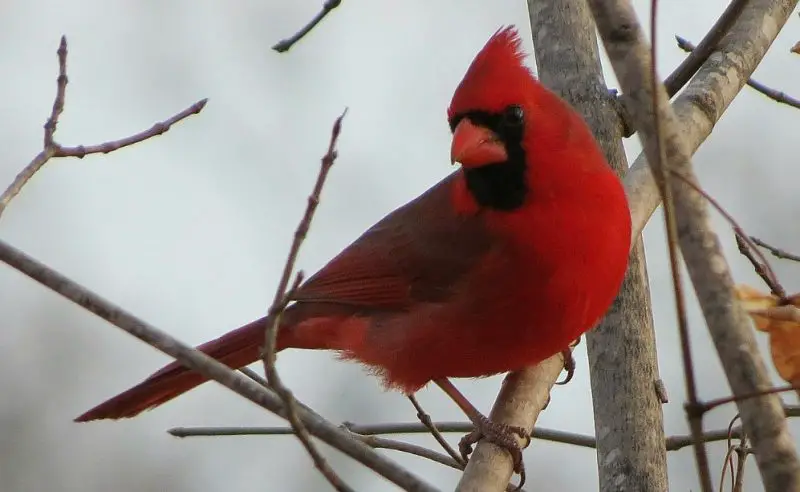
Mississippi neighborhoods are filled with the familiar flash of red from Northern Cardinals, yet most residents rarely pause to consider how much is happening beneath that everyday sight. Their clear whistles echo through early mornings, and their presence feels almost constant throughout the year. Many people recognize them as symbols of beauty or even luck, but few realize how deeply connected these birds are to the rhythms of their surroundings. Behind that bright color is a species quietly adapting, observing, and responding to life around your home.
Unlike migratory birds that come and go, cardinals remain in Mississippi year-round. This constant presence allows them to develop a strong familiarity with their environment, including human activity. They are not simply visiting your yard but often living within it, using it as part of a stable territory. Over time, they learn patterns, adjust their behavior, and make decisions based on what they observe.
What most Mississippi residents don’t realize is that cardinals are far more than passive backyard visitors. They are active participants in a dynamic environment shaped by seasons, resources, and subtle changes in human behavior. Once you begin to look more closely, their actions reveal a level of complexity that transforms how you see even the most ordinary moment outside.
Table of Contents
- 1 Cardinals Are Permanent Residents in Mississippi
- 2 Their Bright Color Reflects Health and Survival
- 3 Cardinals Are Highly Territorial
- 4 Their Songs Are a Form of Communication
- 5 Why They Are Drawn to Your Yard
- 6 Seasonal Changes Shape Their Behavior
- 7 They Learn and Remember Human Behavior
- 8 Misconceptions About Cardinals
- 9 Their Role in Mississippi Ecosystems
- 10 FAQs About Cardinals in Mississippi
- 11 Final Thoughts
Cardinals Are Permanent Residents in Mississippi
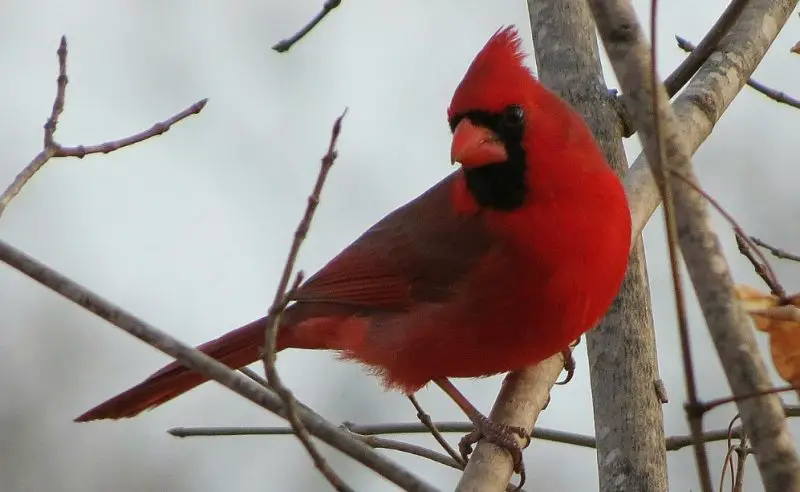
One of the most important things to understand about cardinals in Mississippi is that they do not migrate. They remain in the same general area throughout the year, enduring hot summers and mild winters. This permanence shapes how they behave, as they must rely on local resources rather than seasonal movement.
Because they stay in one place, cardinals develop detailed knowledge of their surroundings. They learn where food is available, where safe nesting sites exist, and how to avoid predators. This familiarity allows them to respond quickly to changes, such as new landscaping or the addition of feeders. Over time, your yard can become an integral part of their daily routine.
This year-round presence also means that the same individuals are often seen repeatedly. What feels like a steady population of birds may actually be a small number of cardinals maintaining a consistent territory. Their reliability is not coincidence but the result of long-term adaptation.
Their Bright Color Reflects Health and Survival
The vivid red of male cardinals is more than just a striking feature. It is directly linked to their diet and overall health. Pigments from foods rich in carotenoids contribute to their coloration, meaning brighter birds are often healthier and better nourished. This visual signal plays a role in attracting mates and establishing dominance.
Female cardinals, with their softer brown and reddish tones, are equally important to the species’ success. Their coloration provides camouflage, especially when nesting. This helps protect eggs and chicks from predators. While less visually dramatic, their appearance is finely tuned to their role in survival.
In Mississippi backyards, this contrast creates a dynamic visual balance. It also highlights how different traits serve different purposes within the same species. Every detail, from color to behavior, is shaped by the need to survive and reproduce.
Cardinals Are Highly Territorial
Cardinals are strongly territorial birds, particularly during the breeding season. Males use song and visual displays to defend their space, often from elevated perches. In Mississippi, this can lead to frequent singing, especially in spring. What may sound like simple music is actually a series of warnings and signals.
These territories are carefully chosen areas that provide food, shelter, and nesting opportunities. Once established, a pair may defend the same territory year after year. This stability allows them to build familiarity with their environment and increase their chances of successful breeding.
Territorial behavior can sometimes lead to unusual interactions, such as birds pecking at windows. This occurs when they see their reflection and interpret it as a rival. While it may seem puzzling, it is simply an extension of their instinct to protect their space.
Their Songs Are a Form of Communication
Cardinal songs are among the most recognizable sounds in Mississippi, but they are far more than background noise. Both males and females sing, which is relatively rare among birds. Their vocalizations serve multiple purposes, including attracting mates, maintaining pair bonds, and coordinating activities.
Each song can vary in tone and pattern, allowing for a range of communication. Cardinals can adjust their singing based on environmental conditions, such as noise levels. In suburban areas, this may mean singing louder or at different times. Their adaptability reflects a high level of awareness.
For residents, these songs often signal the start of the day or a quiet evening. Yet beneath that pleasant sound is a complex exchange of information. Every note plays a role in maintaining the structure of their social and territorial system.
Why They Are Drawn to Your Yard
Mississippi yards provide many of the elements cardinals need to thrive. Food sources such as seeds, berries, and insects are often readily available. Feeders can supplement their diet, especially during times when natural resources are limited. This combination makes residential areas highly attractive.
Shelter is equally important. Dense shrubs, low trees, and hedges offer protection and nesting sites. Cardinals prefer these lower, thicker areas rather than high canopy spaces. This preference aligns well with common landscaping features in Mississippi neighborhoods.
Consistency plays a major role in attracting cardinals. Reliable food and stable habitat conditions encourage them to remain in an area. Over time, your yard can become a central part of their territory, supporting their daily activities.
Seasonal Changes Shape Their Behavior
Although cardinals stay in Mississippi year-round, their behavior changes with the seasons. In spring, their focus shifts to breeding and territory defense. This leads to increased singing and more visible activity. Pairs work together to build nests and raise young.
During summer, the demands of feeding chicks increase activity levels. Both parents gather food frequently, moving between feeding sites and the nest. Young birds begin to explore their surroundings, learning essential survival skills.
Fall and winter bring a shift toward conservation of energy. Food sources may become less abundant, and cardinals rely more on seeds and stored resources. They may form loose groups during colder periods, though they remain less social than some other species. These seasonal adjustments highlight their adaptability.
They Learn and Remember Human Behavior
Cardinals are observant birds that quickly learn patterns in their environment. In Mississippi neighborhoods, this includes recognizing when feeders are filled or when people are active in certain areas. This awareness allows them to anticipate opportunities and avoid risks.
Over time, they may become accustomed to regular human presence. While still cautious, they can tolerate activity that does not pose a threat. This creates a subtle interaction between humans and wildlife, where both influence each other’s behavior.
Their ability to learn and remember is a key factor in their success. It allows them to adapt to changing conditions and maintain stable territories. This intelligence is often overlooked but plays a central role in their daily lives.
Misconceptions About Cardinals
Because cardinals are so common, they are often perceived as simple or unremarkable. This perception overlooks the complexity of their behavior and social structure. From territorial defense to vocal communication, their lives are filled with intricate interactions.
Another misconception is that they are fragile or dependent on human support. In reality, cardinals are highly capable of surviving in natural environments. While feeders can help, they are not essential for survival. Their presence in residential areas is a choice, not a necessity.
Recognizing these misconceptions can change how cardinals are viewed. What seems ordinary becomes a window into a much more complex system of behavior and adaptation.
Their Role in Mississippi Ecosystems
Cardinals contribute to local ecosystems in several important ways. As seed eaters, they help disperse plants, supporting vegetation growth. Their consumption of insects also helps control pest populations. These roles contribute to ecological balance.
They also serve as part of the food chain, supporting predators and maintaining population dynamics. This interconnectedness highlights the importance of even common species. Each one plays a role in the broader system.
In Mississippi, where natural and human environments often overlap, cardinals act as a bridge between the two. Their presence brings elements of the wild into everyday spaces, enriching the experience of living in these areas.
FAQs About Cardinals in Mississippi
Do cardinals stay in Mississippi all year?
Yes, cardinals are year-round residents in Mississippi. They do not migrate and remain in the same area throughout the year. Their behavior changes with the seasons, but their presence remains consistent. This makes them a familiar sight.
Why do cardinals hit windows?
They may see their reflection and interpret it as a rival. This behavior is most common during breeding season. It is a natural response to perceived competition. Reducing reflections can help minimize this.
What do cardinals eat?
Their diet includes seeds, berries, and insects. They adapt based on availability. Feeders can provide additional food. Their diet changes with the seasons.
Are cardinals aggressive?
They can be territorial, especially during breeding season. This behavior is focused on protecting their space. They are not aggressive toward humans. Their actions are driven by survival.
How long do cardinals live?
Cardinals can live several years in the wild. Lifespan depends on environmental factors. Stable conditions can support longer lives. Their longevity contributes to their familiarity.
Do female cardinals sing?
Yes, female cardinals also sing. This helps with communication and coordination. It strengthens pair bonds. This trait is relatively uncommon among birds.
Can cardinals recognize people?
They recognize patterns and routines rather than individuals. Regular activity becomes familiar. This influences their behavior. Their awareness is subtle but effective.
Are cardinals beneficial?
Yes, they contribute to ecosystems through seed dispersal and insect control. Their presence supports environmental balance. They are an important part of local wildlife. Their benefits often go unnoticed.
Final Thoughts
Cardinals in Mississippi are far more than simple backyard birds. Their lives are shaped by a combination of instinct, learning, and adaptation that allows them to thrive in a changing environment. From their territorial songs to their seasonal behaviors, every aspect of their existence reflects a balance between survival and opportunity.
For residents, this means that the familiar sight of a red bird carries deeper meaning. It represents a species that has learned to live alongside humans while maintaining its natural rhythms. This coexistence is not accidental but the result of continuous adjustment.
By taking a closer look, it becomes clear that even the most common wildlife holds layers of complexity. Cardinals offer a daily reminder of how much is happening just beyond the window. Understanding them transforms ordinary moments into something richer, where observation and curiosity reveal the hidden life of the natural world.