
Colorado landscapes invite people outdoors in every season, from mountain trails to backyard gardens, yet few residents think deeply about the tiny risks moving quietly through grass and brush. Tick bites are often dismissed as minor irritations, something that happens occasionally and is quickly forgotten. But what most people do not realize is that ticks follow patterns, respond to environmental cues, and interact with human spaces in ways that make encounters more predictable than they seem. Understanding those patterns changes how you see both your yard and the surrounding landscape.
In Colorado, ticks are not as abundant as in some eastern states, which can create a false sense of security. Their presence is more localized, often tied to specific habitats such as grassy edges, wooded areas, and places where wildlife is active. Because they are less noticeable overall, people may underestimate how often exposure actually occurs. A single unnoticed tick can remain attached long enough to create concern, even if the initial contact goes completely unnoticed.
What most Colorado residents don’t realize is that tick bites are rarely random. They are the result of overlapping movement between humans, animals, and the environments ticks depend on. Once you begin to recognize how ticks behave and where they concentrate, the risk becomes easier to manage and far less mysterious.
Table of Contents
- 1 Ticks Do Not Jump or Fly, They Wait
- 2 Why Some Yards Attract More Ticks
- 3 Tick Bites Often Go Unnoticed at First
- 4 The Risk of Disease Is Real but Often Misunderstood
- 5 Why Pets Increase Exposure
- 6 Seasonal Patterns Shape Tick Activity
- 7 Simple Prevention Makes a Big Difference
- 8 Removing a Tick the Right Way Matters
- 9 FAQs About Tick Bites in Colorado
- 10 Final Thoughts
Ticks Do Not Jump or Fly, They Wait
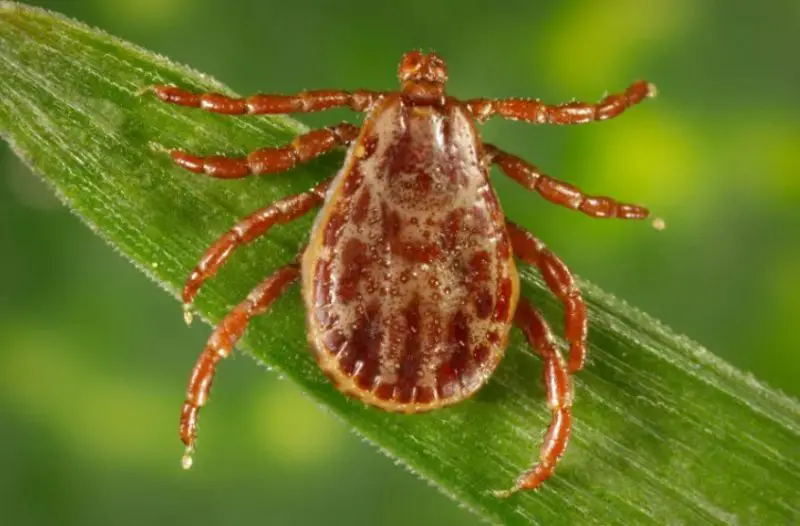
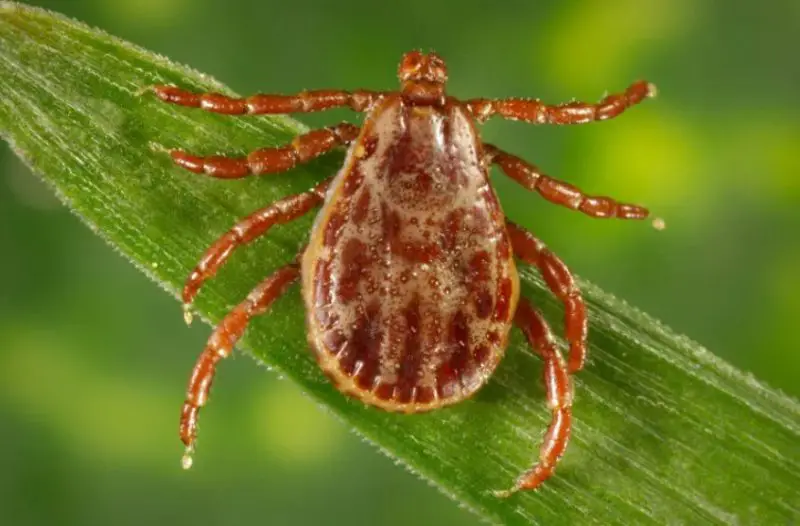
One of the most common misconceptions about ticks is that they actively jump onto people or drop from trees. In reality, ticks rely on a behavior known as questing. They climb onto vegetation and extend their front legs, waiting for a host to brush past. This passive strategy allows them to attach without needing speed or pursuit.
In Colorado, this often happens along trail edges, tall grasses, and low shrubs rather than open, dry spaces. As a person walks by, even slight contact with vegetation can be enough for a tick to transfer. Because the movement is subtle, most people never feel the moment of contact. This is why tick bites often seem to appear out of nowhere.
This behavior also explains why certain areas feel riskier than others. Ticks concentrate where hosts are likely to pass, not randomly across the landscape. Understanding this can help residents avoid high-risk zones without needing to avoid outdoor activity entirely.
Why Some Yards Attract More Ticks
Not all yards in Colorado carry the same level of tick activity. Some properties rarely see ticks, while others seem to have repeated encounters. The difference often comes down to habitat features and the presence of wildlife. Ticks depend on hosts such as deer, rodents, and birds to complete their life cycle.
Yards that border natural areas or include dense vegetation provide ideal conditions. Leaf litter, tall grass, and shaded spaces retain moisture, which ticks need to survive. Even small features like woodpiles or overgrown corners can create microhabitats where ticks thrive. These conditions are often overlooked because they blend into the landscape.
Wildlife movement plays an equally important role. Animals passing through a yard can introduce ticks and maintain their presence over time. A space that feels controlled and maintained to a homeowner may still function as part of a larger ecological system. Recognizing this connection is key to understanding why ticks appear where they do.
Tick Bites Often Go Unnoticed at First
One of the most surprising aspects of tick bites is how easily they can go unnoticed. Unlike mosquitoes or other biting insects, ticks do not create immediate irritation. Their saliva contains compounds that reduce pain and inflammation, allowing them to remain attached without detection.
In Colorado, where ticks are less expected, this can lead to delayed awareness. A person may only notice the tick hours later or even the next day. By that time, the tick may have been attached long enough to increase the risk of disease transmission. This delay is one of the reasons tick bites can feel more concerning.
Because of this, routine checks after spending time outdoors become especially important. Even short periods in grassy or wooded areas can result in exposure. The absence of immediate discomfort does not mean a bite has not occurred.
The Risk of Disease Is Real but Often Misunderstood
Ticks are known for their ability to transmit diseases, but the level of risk varies by region and species. In Colorado, certain tick-borne illnesses are present, though less common than in some other parts of the country. This can lead to confusion about how serious the threat is.
The key factor in disease transmission is time. Many pathogens require the tick to remain attached for several hours before transmission occurs. This means that early detection and removal significantly reduce risk. However, because bites often go unnoticed, this window can be missed.
Understanding this timeline helps put risk into perspective. Not every tick bite leads to illness, but awareness and prompt action are critical. The goal is not to avoid the outdoors but to reduce the chances of prolonged attachment.
Why Pets Increase Exposure
Pets, especially dogs, can play a significant role in bringing ticks into close contact with humans. As they move through grass and brush, ticks can attach to their fur and later transfer to people. In Colorado homes, this often happens after walks or outdoor play.
Because pets are lower to the ground, they are more likely to brush against vegetation where ticks are waiting. Their movement patterns also cover a wide range of areas, increasing the likelihood of contact. Once inside, ticks may move from the animal to other surfaces.
Regular checks and preventive measures for pets are essential. This not only protects the animal but also reduces the risk of ticks entering the home. Managing pet exposure is a key part of overall tick prevention.
Seasonal Patterns Shape Tick Activity
Tick activity in Colorado follows seasonal patterns influenced by temperature and moisture. Spring and early summer are typically the most active periods, as ticks emerge and seek hosts. During these times, encounters are more likely, especially in favorable habitats.
As temperatures rise and conditions become drier, activity may decrease in some areas. However, ticks can remain active in shaded or moist environments. Fall can bring another period of increased activity as conditions become more moderate again.
These seasonal shifts mean that risk is not constant throughout the year. Being aware of peak activity times allows residents to adjust their behavior accordingly. This awareness can significantly reduce the likelihood of encounters.
Simple Prevention Makes a Big Difference
Preventing tick bites does not require avoiding outdoor spaces but rather understanding how to navigate them safely. Staying on clear paths, avoiding tall grass, and wearing protective clothing can reduce contact. Light-colored clothing can also make ticks easier to spot.
Yard maintenance plays a crucial role as well. Keeping grass trimmed, removing leaf litter, and reducing dense vegetation can make a space less attractive to ticks. These changes alter the microhabitat, making it less suitable for survival.
Checking for ticks after outdoor activity is one of the most effective measures. This simple habit can prevent prolonged attachment and reduce the risk of disease. Consistency is more important than intensity when it comes to prevention.
Removing a Tick the Right Way Matters
If a tick is found, proper removal is essential. Using fine-tipped tweezers to grasp the tick close to the skin and pulling steadily reduces the chance of leaving parts behind. Twisting or crushing the tick should be avoided, as this can increase the risk of infection.
After removal, cleaning the area and monitoring for any changes is important. Most bites heal without issue, but unusual symptoms should be taken seriously. Knowing what to look for helps ensure that any problems are addressed early.
The process itself is straightforward, but doing it correctly makes a significant difference. Quick and careful action can prevent complications and provide peace of mind.
FAQs About Tick Bites in Colorado
Are ticks common in Colorado?
Ticks are present in Colorado but are less widespread than in some other states. They tend to be localized in specific habitats. This can make them less noticeable overall. However, encounters still occur regularly.
Do ticks jump onto people?
No, ticks do not jump or fly. They wait on vegetation and attach when a host brushes past. This behavior is called questing. It is a passive but effective strategy.
How long does a tick need to be attached to transmit disease?
Transmission often requires several hours of attachment. Removing a tick early reduces the risk significantly. This is why regular checks are important. Timing plays a key role.
Can ticks live in my yard?
Yes, if the environment provides moisture and hosts. Tall grass, leaf litter, and wildlife activity increase the likelihood. Yard maintenance can reduce this risk. Conditions matter more than location alone.
Are tick bites painful?
Tick bites are usually not painful at first. Their saliva reduces sensation. This allows them to remain attached unnoticed. Many people only notice them later.
Do ticks affect pets?
Yes, pets can carry ticks and bring them into homes. Regular checks and preventive treatments are important. Protecting pets also protects people. They are a key factor in exposure.
What should I do after a tick bite?
Remove the tick carefully and clean the area. Monitor for any unusual symptoms. Seek medical advice if needed. Most bites do not lead to problems.
Are tick-borne diseases common in Colorado?
They are less common than in some regions but still present. Awareness and prevention are important. Not every bite leads to illness. Risk depends on several factors.
Final Thoughts
Tick bites in Colorado are often overlooked because they do not fit the dramatic image people associate with risk. They are quiet, subtle, and tied closely to the environment rather than sudden events. This makes them easy to ignore until they become a concern.
By understanding how ticks behave and where they are likely to be found, residents can take simple steps to reduce exposure. Awareness transforms uncertainty into manageable action. The outdoors remains accessible and enjoyable when approached with knowledge.
Ultimately, ticks are part of the same ecosystems that make Colorado such an appealing place to live. Recognizing their role does not mean avoiding nature but engaging with it more thoughtfully. In doing so, even something as small as a tick becomes easier to understand and far less intimidating.