
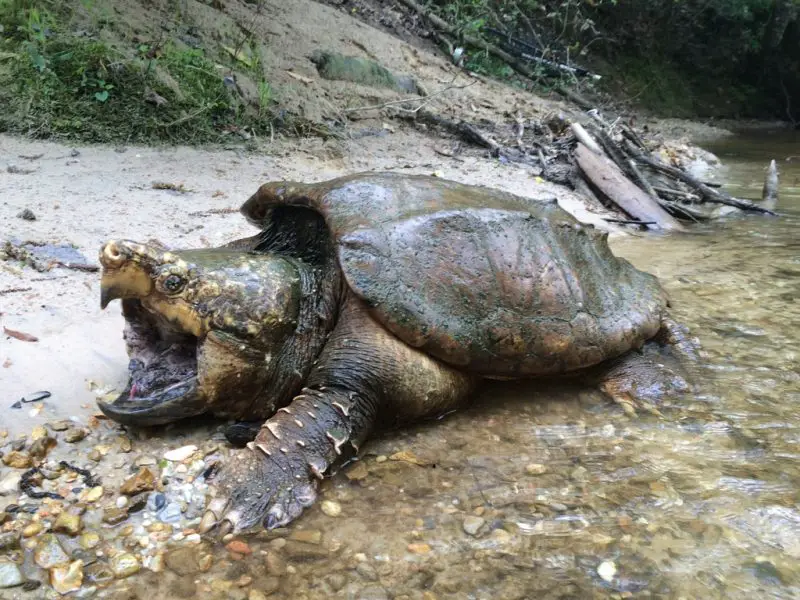
Winter in Louisiana does not arrive with blizzards or deep snowfields, but for cold-blooded animals, it can still be a season of risk. Water temperatures drop, oxygen levels fluctuate, and food becomes unpredictable. Yet one of the South’s most ancient reptiles survives these months with remarkable precision and patience.
The Alligator Snapping Turtle has lived through ice ages, river shifts, and climate swings far more dramatic than a Louisiana winter. Its winter survival strategy is not dramatic or aggressive. It is slow, calculated, and deeply tied to the waterways of Louisiana.
This is a story of stillness, oxygen management, and ancient design.
Table of Contents
- 1 Louisiana’s Winter Environment and Why It Matters
- 2 Understanding the Alligator Snapping Turtle’s Cold Tolerance
- 3 Where Alligator Snapping Turtles Spend the Winter
- 4 Oxygen Management Beneath the Surface
- 5 Feeding Behavior During Winter
- 6 Movement Patterns and Winter Stillness
- 7 Predation Risk in Winter
- 8 The Role of Louisiana’s Mild Winters
- 9 Juvenile Alligator Snapping Turtles in Winter
- 10 Winter and the Long-Term Life Strategy
- 11 Conservation Considerations During Winter
- 12 FAQs About Winter Survival of Alligator Snapping Turtles in Louisiana
- 12.1 Do alligator snapping turtles hibernate during winter?
- 12.2 How cold can Louisiana water get for snapping turtles in winter?
- 12.3 Do alligator snapping turtles leave the water in winter?
- 12.4 How do these turtles breathe underwater for long periods?
- 12.5 Do alligator snapping turtles eat during winter?
- 12.6 Are young snapping turtles more vulnerable in winter?
- 12.7 Does winter fishing affect alligator snapping turtles?
- 12.8 Why are Louisiana winters important for turtle survival?
- 13 Final Thoughts
Louisiana’s Winter Environment and Why It Matters
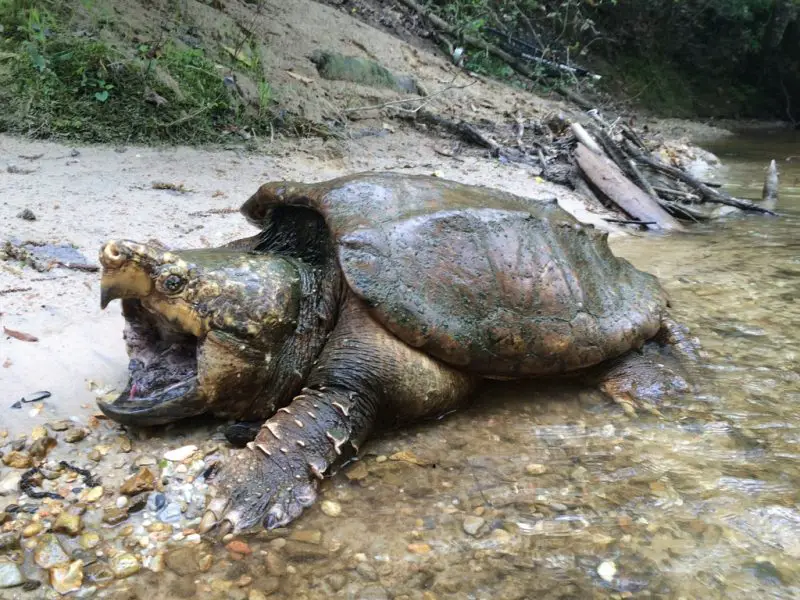
Winter in Louisiana is often described as mild, but for aquatic reptiles, it still represents a season of real environmental stress. Air temperatures may fluctuate widely as cold fronts sweep south from the Great Plains, sometimes dropping regional temperatures by 15 to 20 degrees Fahrenheit in a single day. These rapid changes ripple directly into aquatic systems.
Bayous, rivers, oxbow lakes, and forested swamps cool steadily through December and January. While surface ice is rare, water temperatures commonly fall into the low 40s Fahrenheit, especially at night. Shallow backwaters and ponds respond quickly to cold air, losing heat faster than deeper channels. This creates a patchwork of thermal conditions across the landscape.
Water levels also shift during winter. Seasonal rains raise rivers and flood bottomland forests, temporarily expanding aquatic habitat. At the same time, reduced plant growth alters dissolved oxygen levels, particularly in slow-moving or stagnant water. For ectothermic animals such as turtles, these changes slow metabolism, digestion, and muscle function.
For the alligator snapping turtle, winter is not about fleeing cold conditions. Instead, survival depends on selecting locations that buffer temperature swings, maintain oxygen availability, and allow extended periods of inactivity without disturbance.
Understanding the Alligator Snapping Turtle’s Cold Tolerance
A Body Built for Slow Living
The Alligator Snapping Turtle is one of the heaviest freshwater turtles in North America, and its massive body plays a key role in winter survival. Large size means thermal inertia. Body temperature changes more slowly, reducing stress from rapid cooling events.
As water temperatures drop, the turtle’s physiology responds automatically. Heart rate slows, digestion nearly stops, and overall energy use declines dramatically. This metabolic slowdown allows adults to survive for long periods without feeding, sometimes lasting several months.
Unlike mammals, these turtles do not generate internal heat to regulate body temperature. Their strategy is behavioral and metabolic. By reducing activity and aligning bodily processes with surrounding water temperatures, they avoid the energy costs associated with resistance.
Cold Does Not Mean Dormancy
Winter does not place alligator snapping turtles into complete shutdown. Instead, they enter a state known as brumation, a reptilian response to cold conditions.
During brumation, turtles remain alive, responsive, and capable of movement, but their activity is minimal. On warmer winter days, particularly in southern Louisiana, individuals may subtly reposition themselves, adjust depth, or respond to nearby food.
This partial responsiveness allows turtles to react to environmental changes without fully reactivating their metabolism. Winter, for them, is quiet and restrained, not inactive.
Where Alligator Snapping Turtles Spend the Winter
Deep Water as Thermal Refuge
Deep water is the most important winter refuge for alligator snapping turtles in Louisiana. River channels, deep bayou bends, submerged scour holes, and deeper oxbow lakes maintain more stable temperatures than shallow margins.
Even a difference of two or three degrees can significantly reduce metabolic stress. These deeper areas also warm and cool more slowly during cold fronts, offering protection against sudden temperature drops.
Turtles settle into these zones early in winter and may remain there for extended periods, minimizing the need for relocation as conditions fluctuate.
Soft Substrate and Bottom Resting
Most overwintering turtles rest directly on the bottom or partially buried in soft substrates. Mud, leaf litter, and decaying organic matter provide both insulation and concealment.
This substrate traps slightly warmer water close to the sediment surface and reduces exposure to currents. Some turtles position themselves beneath submerged logs, root systems, or collapsed banks, where physical structure adds stability.
By remaining low and still, turtles conserve energy while remaining protected from disturbance.
Oxygen Management Beneath the Surface
Breathing Without Surfacing Often
Cold water naturally holds more dissolved oxygen than warm water, and alligator snapping turtles are uniquely adapted to take advantage of this.
They rely heavily on cloacal respiration during winter. Specialized blood vessels in the cloaca allow oxygen to be absorbed directly from the surrounding water. This process supplements lung breathing and dramatically reduces the need to surface.
In winter, a turtle may remain submerged for long periods without taking a breath of air, conserving energy and avoiding exposure.
Why This Matters in Louisiana Waters
Many Louisiana waterways are slow-moving, muddy, and low-visibility. Surfacing frequently could expose turtles to boats, fishing gear, or predators.
By staying submerged and motionless, turtles remain nearly invisible. This strategy is particularly effective in turbid waters where visibility is limited even at close range.
Stillness and oxygen efficiency work together to enhance winter survival.
Feeding Behavior During Winter
Reduced Appetite and Opportunistic Feeding
As metabolism slows, feeding activity becomes rare. Alligator snapping turtles do not actively hunt during winter as they do in warmer months.
However, they remain opportunistic. If prey such as a fish, crayfish, or piece of carrion drifts close enough, a turtle may strike using minimal effort. Their worm-like tongue lure remains functional even in cold water.
Winter feeding events are infrequent, but they can supplement stored energy when opportunities arise.
Surviving on Stored Energy
Fat reserves accumulated during spring, summer, and fall are critical for winter survival. Healthy adults rely almost entirely on these reserves during brumation.
This is why productive feeding seasons are essential. A turtle that enters winter in poor condition faces a much higher risk of starvation or physiological stress before spring arrives.
Movement Patterns and Winter Stillness
Minimal Movement Strategy
Winter movement is deliberately limited. Alligator snapping turtles do not migrate over long distances or leave the water to seek shelter.
Instead, they remain within familiar territories, shifting only when necessary to adjust to depth, temperature, or water level changes. This reduces both energy expenditure and exposure to danger.
Remaining still is one of the turtle’s most effective survival strategies.
Responding to Sudden Cold Fronts
When sharp cold fronts pass through Louisiana, turtles respond by sinking deeper and becoming even less active. Individuals in shallow water may relocate to deeper sections temporarily.
Once temperatures stabilize, turtles may gradually return to preferred resting spots. These movements are slow, controlled, and infrequent.
Predation Risk in Winter
Fewer Threats, Not No Threats
Adult alligator snapping turtles face few natural predators due to their size, armored shells, and powerful jaws. Winter further reduces predation pressure as many predators become less active.
Juveniles, however, remain vulnerable. Birds, large fish, and mammals can prey on young turtles, especially if they occupy shallow or exposed areas.
For all age classes, reduced movement lowers risk.
Human Activity as the Main Risk
In winter, human-related threats often outweigh natural ones. Commercial fishing gear, abandoned traps, trotlines, and boat traffic pose serious dangers, particularly in deep channels where turtles overwinter.
Resting turtles may become entangled or injured without being detected, making winter a hidden risk period despite reduced surface activity.
The Role of Louisiana’s Mild Winters
Why Louisiana Is Ideal Turtle Habitat
Louisiana’s winters are shorter and milder than those in northern states. Prolonged ice cover is rare, and most water bodies remain accessible year-round.
This prevents oxygen depletion beneath ice and allows turtles to rely on cloacal respiration without risk. Shorter brumation periods reduce overall stress and energy depletion.
These conditions make Louisiana one of the most suitable regions for long-term alligator snapping turtle survival.
Climate Variability and Changing Winters
While mild winters are beneficial, unpredictability can be challenging. Rapid warming followed by sudden freezes can disrupt metabolic rhythms and habitat stability.
Long-term climate changes may alter winter flooding patterns, oxygen dynamics, and prey availability. These subtle shifts could influence survival in ways that are not yet fully understood.
Juvenile Alligator Snapping Turtles in Winter
Different Challenges for Young Turtles
Juveniles face greater challenges than adults. Their smaller size means faster heat loss and less stored energy.
Young turtles often overwinter in shallower waters such as backwater pools, vegetated margins, or leaf-littered channels. These areas offer shelter but cool more rapidly.
As a result, juvenile survival rates are lower, making early life stages the most vulnerable.
Growth Pauses During Winter
During winter, growth essentially stops. Energy is devoted entirely to maintaining basic bodily functions rather than development.
Once water temperatures rise in spring, feeding resumes and growth accelerates, marking the end of the brumation period.
Winter and the Long-Term Life Strategy
Longevity Depends on Winter Survival
Alligator snapping turtles are among the longest-lived freshwater reptiles in North America. Their survival strategy is built on consistency rather than speed.
Each winter survived successfully adds another year to a potentially decades-long lifespan. Because the species matures slowly, adult survival is critical to population stability.
An Ancient Strategy That Still Works
This winter survival approach has persisted for millions of years. Long before modern Louisiana rivers formed, these turtles were already mastering seasonal cold in dynamic environments.
Their continued success reflects the power of patience, stillness, and evolutionary refinement.
Conservation Considerations During Winter
Why Winter Protection Matters
Winter behavior often keeps turtles out of sight, leading to underestimation of risks during this season. Habitat disturbance from dredging, waterway modification, or winter fishing can directly impact overwintering turtles.
Protecting deep-water refuges is just as important as protecting nesting beaches or feeding areas.
Legal Protections and Awareness
In many states, including Louisiana, alligator snapping turtles are protected or regulated due to historical population declines.
Understanding their winter ecology helps inform better management decisions and encourages public awareness of how vulnerable these ancient reptiles can be during their quietest season.
FAQs About Winter Survival of Alligator Snapping Turtles in Louisiana
Do alligator snapping turtles hibernate during winter?
Alligator snapping turtles do not truly hibernate. They enter brumation, a reduced-activity state where metabolism slows, but they remain responsive and occasionally move or feed.
How cold can Louisiana water get for snapping turtles in winter?
In winter, Louisiana waterways often drop into the low 40s Fahrenheit. While mild compared to northern states, this temperature is enough to significantly slow turtle metabolism and movement.
Do alligator snapping turtles leave the water in winter?
No. Alligator snapping turtles remain aquatic year-round. During winter, they stay submerged in deep water and do not seek land-based shelter.
How do these turtles breathe underwater for long periods?
They use cloacal respiration, absorbing oxygen directly from water through specialized blood vessels, which reduces the need to surface frequently during cold months.
Do alligator snapping turtles eat during winter?
Feeding is rare but possible. They mostly rely on stored fat reserves, though they may opportunistically strike at fish, crayfish, or carrion that passes close by.
Are young snapping turtles more vulnerable in winter?
Yes. Juveniles are smaller, lose heat faster, and have fewer energy reserves. They often overwinter in shallow areas that cool quickly, making survival more difficult.
Does winter fishing affect alligator snapping turtles?
It can. Resting turtles may become entangled in fishing gear or traps, especially in deep channels where they overwinter and remain unseen.
Why are Louisiana winters important for turtle survival?
Louisiana’s mild winters reduce ice formation and shorten brumation periods, allowing turtles to survive with less energy loss compared to colder regions.
Final Thoughts
Winter survival for the alligator snapping turtle is not dramatic. There are no migrations, no battles, no frantic hunts.
Instead, there is patience.
By sinking into deep Louisiana waters, slowing their metabolism, managing oxygen efficiently, and conserving energy, these ancient reptiles quietly outlast the cold months. Their survival strategy reflects a design refined over millions of years.
In a landscape shaped by rivers and seasons, stillness can be the strongest adaptation of all.