
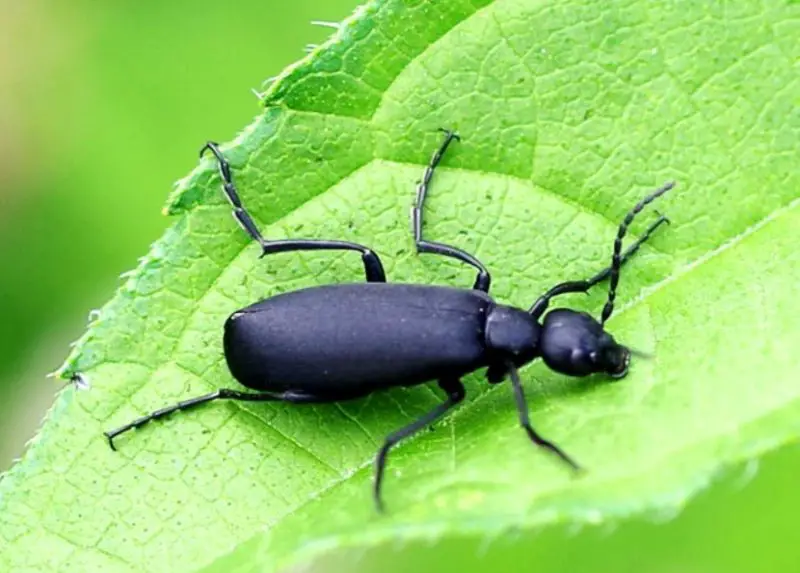
Hay is more than just feed in Kansas. It is insurance for winter, fuel for livestock growth, and the backbone of many farm operations. Alfalfa fields stretch for miles across the state, cut and baled with precision because timing matters. One mistake in that process can turn high-quality hay into a hidden hazard.
Blister beetles are the reason.
Kansas farmers do not fear blister beetles because they destroy crops in dramatic ways. They fear them because the danger they pose is silent, chemical, and often discovered too late. A single contaminated bale can injure or kill livestock, particularly horses, without any visible warning. That risk has shaped how hay is grown, harvested, inspected, and sold across the state.
Understanding why blister beetles are avoided so carefully means understanding their biology, their toxin, and how easily modern hay production can turn them into a deadly contaminant.
Table of Contents
- 1 What Blister Beetles Are
- 2 Why Blister Beetles Are Common in Kansas
- 3 The Hidden Danger of Cantharidin
- 4 Why Horses Are Especially Vulnerable
- 5 How Blister Beetles End Up in Hay
- 6 Why Second and Third Cuttings Are Riskier
- 7 Why You Cannot Reliably See the Risk
- 8 The Economic Risk for Kansas Farmers
- 9 How Farmers Reduce the Risk
- 10 Why Some Farmers Avoid Alfalfa Entirely
- 11 Regional Hotspots in Kansas
- 12 Why Testing Is Not a Simple Solution
- 13 The Role of Education and Awareness
- 14 Why Weather Matters
- 15 Blister Beetles and Stored Hay
- 16 What Horse Owners Look For
- 17 The Emotional Weight of Loss
- 18 Why Blister Beetles Are Still a Problem
- 19 Avoidance as a Survival Strategy
- 20 The Balance Between Yield and Safety
- 21 Why This Matters Beyond Kansas
- 22 FAQs About Blister Beetles in Kansas Hay
- 22.1 Why are blister beetles such a serious concern for Kansas farmers
- 22.2 Are blister beetles common in Kansas alfalfa fields
- 22.3 Why are horses more vulnerable than cattle
- 22.4 Can blister beetles be killed or neutralized during hay drying
- 22.5 How do blister beetles end up in hay bales
- 22.6 Which alfalfa cuttings carry the highest risk
- 22.7 Can farmers visually inspect hay to detect contamination
- 22.8 Why don’t farmers test all hay for cantharidin
- 22.9 How do Kansas farmers reduce blister beetle risk
- 22.10 Is stored hay still dangerous if it was contaminated
- 23 Final Thoughts
What Blister Beetles Are
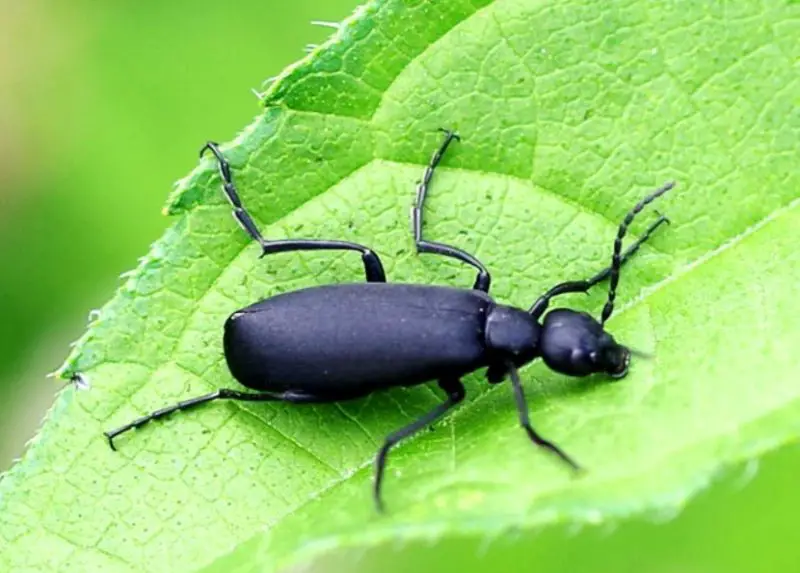
Blister beetles are a group of soft-bodied beetles found throughout the Great Plains, including Kansas. They vary in size and color, ranging from narrow black species to striped or gray varieties.
Despite their harmless appearance, blister beetles carry a powerful chemical defense. When crushed or stressed, they release a toxin called cantharidin. This compound causes severe blistering on skin and serious internal damage when ingested.
The beetles themselves are not aggressive. They do not bite or sting. The danger comes from accidental exposure.
Why Blister Beetles Are Common in Kansas
Kansas provides ideal conditions for blister beetles. Open fields, warm summers, and abundant flowering plants support their lifecycle.
Adult blister beetles feed on plant foliage and blossoms. Alfalfa fields, especially when in bloom, attract large numbers of beetles at once. These insects often appear in clusters rather than spreading evenly across a field.
This clustering behavior is one of the reasons they are so dangerous during harvest.
The Hidden Danger of Cantharidin
Cantharidin is the reason blister beetles are feared.
It is a stable toxin. Drying does not destroy it. Heat does not neutralize it. Crushing the beetle during harvesting actually increases the likelihood that the toxin will contaminate hay.
Once cantharidin is present in a bale, it remains active indefinitely.
For livestock, especially horses, ingestion of even a small amount can cause severe illness or death.
Why Horses Are Especially Vulnerable
Horses are uniquely sensitive to cantharidin. Very small doses can cause serious gastrointestinal and urinary tract damage.
Symptoms of poisoning may include colic, diarrhea, frequent urination, sweating, elevated heart rate, and shock. In severe cases, death can occur rapidly.
Cattle and sheep are more resistant, but they are not immune. Repeated exposure or higher doses can still cause harm.
Because horses often consume hay quickly and selectively, they are more likely to ingest concentrated toxin from a single contaminated area.
How Blister Beetles End Up in Hay
Blister beetles do not seek out hay. They are caught in it.
During harvesting, hay is cut, crimped, and sometimes conditioned to speed drying. Mechanical conditioners crush plant stems. When blister beetles are present in the field, they are crushed as well.
This is the worst-case scenario.
Crushing releases cantharidin directly onto surrounding plant material. The beetle bodies may break apart, making them difficult to see in finished bales.
Unlike insects that can crawl away after cutting, blister beetles often die in place.
Why Second and Third Cuttings Are Riskier
Kansas farmers pay close attention to which cutting they are harvesting.
Blister beetles are most active during mid to late summer. Second and third cuttings of alfalfa often coincide with peak beetle activity.
Earlier cuttings, before flowering, tend to have lower risk. Later cuttings during bloom attract beetles feeding on flowers.
This timing overlap is one of the main reasons blister beetle contamination is so hard to predict.
Why You Cannot Reliably See the Risk
One of the most dangerous aspects of blister beetles in hay is invisibility.
A contaminated bale may look normal. There may be no smell, no discoloration, no visible insects. Beetle fragments may be small or completely hidden.
Cantharidin has no taste detectable by livestock.
This means farmers cannot rely on visual inspection alone to ensure safety.
The Economic Risk for Kansas Farmers
Blister beetle contamination is not just a livestock issue. It is a financial one.
Hay linked to blister beetle poisoning can lead to:
Loss of valuable animals
Veterinary bills
Legal liability
Loss of buyer trust
Destroyed hay inventory
For farmers who sell hay to horse owners, the stakes are especially high. Reputation matters, and one incident can end long-term business relationships.
As a result, many Kansas hay producers take extra steps or avoid certain practices entirely.
How Farmers Reduce the Risk
Kansas farmers use multiple strategies to reduce blister beetle risk.
One key method is harvesting alfalfa before it blooms. This reduces beetle attraction.
Another strategy is avoiding mechanical conditioning during peak beetle season. Cutting hay without crushing reduces the likelihood of releasing cantharidin.
Some farmers scout fields carefully before harvest, looking for beetle clusters along field edges or flowering patches.
Others shift to alternative forage crops during high-risk periods.
Why Some Farmers Avoid Alfalfa Entirely
For certain producers, especially those supplying horse markets, the risk outweighs the reward.
Some Kansas farmers choose grass hay or mixed forage instead of pure alfalfa. These crops are less attractive to blister beetles and carry lower contamination risk.
While alfalfa offers high nutritional value, safety concerns drive many management decisions.
Regional Hotspots in Kansas
Blister beetles are found statewide, but outbreaks are not evenly distributed.
Central and western Kansas often see higher activity during dry, hot summers. Irrigated alfalfa fields surrounded by native grassland can attract migrating beetle populations.
Because beetle presence changes year to year, past safety does not guarantee future protection.
Why Testing Is Not a Simple Solution
Testing hay for cantharidin is possible, but it is not foolproof.
Sampling a bale does not guarantee detection if contamination is uneven. One flake may be safe while another contains toxin.
Laboratory testing is also costly and time-consuming, making routine testing impractical for many producers.
Prevention remains the most effective approach.
The Role of Education and Awareness
Kansas extension services regularly educate farmers about blister beetle risks.
Workshops, field guides, and seasonal alerts help producers time harvests and recognize warning signs.
Awareness has reduced incidents over the years, but the risk has not disappeared.
New farmers and hobby producers are especially vulnerable because they may not be familiar with the issue.
Why Weather Matters
Weather strongly influences blister beetle activity.
Hot, dry summers favor large populations. Rain patterns affect flowering timing, which in turn affects beetle attraction.
A single season of unusual weather can increase risk unexpectedly, catching even experienced farmers off guard.
Blister Beetles and Stored Hay
Once hay is baled and stored, the risk does not go away.
Cantharidin does not degrade over time. Hay stored for months or years remains dangerous if contaminated.
This is why traceability matters. Farmers often keep detailed records of cutting dates, field locations, and harvest methods.
What Horse Owners Look For
Horse owners in Kansas and beyond are often highly cautious.
They may ask detailed questions about harvest timing, conditioning methods, and beetle prevention. Some refuse hay from certain cuttings altogether.
This buyer behavior influences how farmers market and price their hay.
The Emotional Weight of Loss
For many farmers, blister beetle incidents are remembered vividly.
Losing animals to something invisible feels different from weather loss or disease. There is often guilt, even when precautions were taken.
These experiences shape farming practices long-term.
Why Blister Beetles Are Still a Problem
Despite decades of knowledge, blister beetles remain a risk because modern agriculture moves fast.
Large fields, tight harvest windows, and weather pressure limit flexibility. Not every field can be checked thoroughly every time.
As long as alfalfa blooms and beetles feed on it, the risk remains.
Avoidance as a Survival Strategy
Kansas farmers avoid blister beetles not out of fear, but out of respect for the damage they can cause.
Avoidance is built into decisions about timing, equipment, crop choice, and customer relationships.
It is a quiet, calculated form of risk management.
The Balance Between Yield and Safety
Every hay harvest involves trade-offs.
Cut early and reduce yield. Cut late and increase beetle risk. Condition hay for faster drying or leave it intact for safety.
Farmers weigh these choices constantly, guided by experience and caution.
Why This Matters Beyond Kansas
Kansas is one of the nation’s largest hay producers. Decisions made here affect markets far beyond state lines.
Hay shipped out of state carries the same risks. Awareness among Kansas producers helps protect animals elsewhere as well.
FAQs About Blister Beetles in Kansas Hay
Why are blister beetles such a serious concern for Kansas farmers
Blister beetles contain cantharidin, a toxin that remains dangerous in dried hay and can severely injure or kill livestock, especially horses.
Are blister beetles common in Kansas alfalfa fields
Yes. Kansas provides ideal conditions for blister beetles, and alfalfa in bloom strongly attracts them, particularly during mid to late summer.
Why are horses more vulnerable than cattle
Horses are extremely sensitive to cantharidin. Very small amounts can cause colic, internal bleeding, and fatal organ damage.
Can blister beetles be killed or neutralized during hay drying
No. Cantharidin is heat-stable and does not break down during drying, baling, or long-term storage.
How do blister beetles end up in hay bales
They are accidentally crushed during harvesting, especially when mechanical conditioners are used, releasing toxin onto surrounding hay.
Which alfalfa cuttings carry the highest risk
Second and third cuttings are riskier because they often occur during peak blister beetle activity and flowering periods.
Can farmers visually inspect hay to detect contamination
Not reliably. Beetle fragments may be hidden, and contaminated hay often looks normal with no visible warning signs.
Why don’t farmers test all hay for cantharidin
Testing is expensive, time-consuming, and may miss uneven contamination within a bale. Prevention is more effective than testing.
How do Kansas farmers reduce blister beetle risk
They harvest before bloom, avoid mechanical conditioning during peak beetle season, scout fields carefully, or switch to alternative forage crops.
Is stored hay still dangerous if it was contaminated
Yes. Cantharidin remains toxic indefinitely, even in hay stored for months or years.
Final Thoughts
Blister beetles are small insects with outsized consequences. In Kansas hay fields, their presence transforms routine farming into a high-stakes decision.
The danger lies not in the beetle itself, but in its chemistry, its timing, and its invisibility.
Kansas farmers avoid blister beetles in hay because they understand what one mistake can cost. Animals, livelihoods, trust, and years of work can hinge on a single harvest decision.
In the end, caution is not overreaction. It is survival.